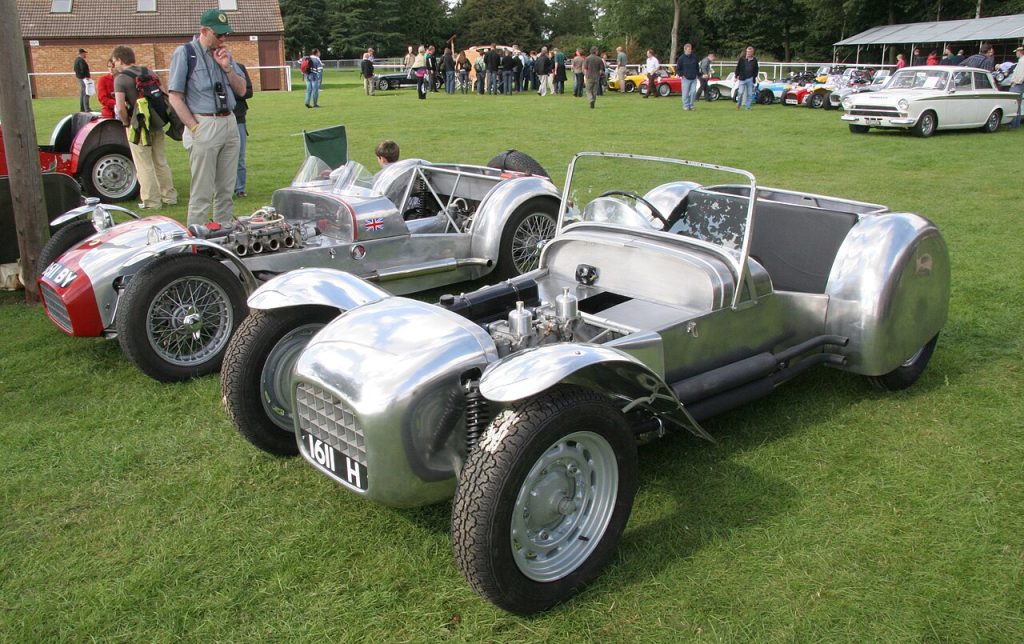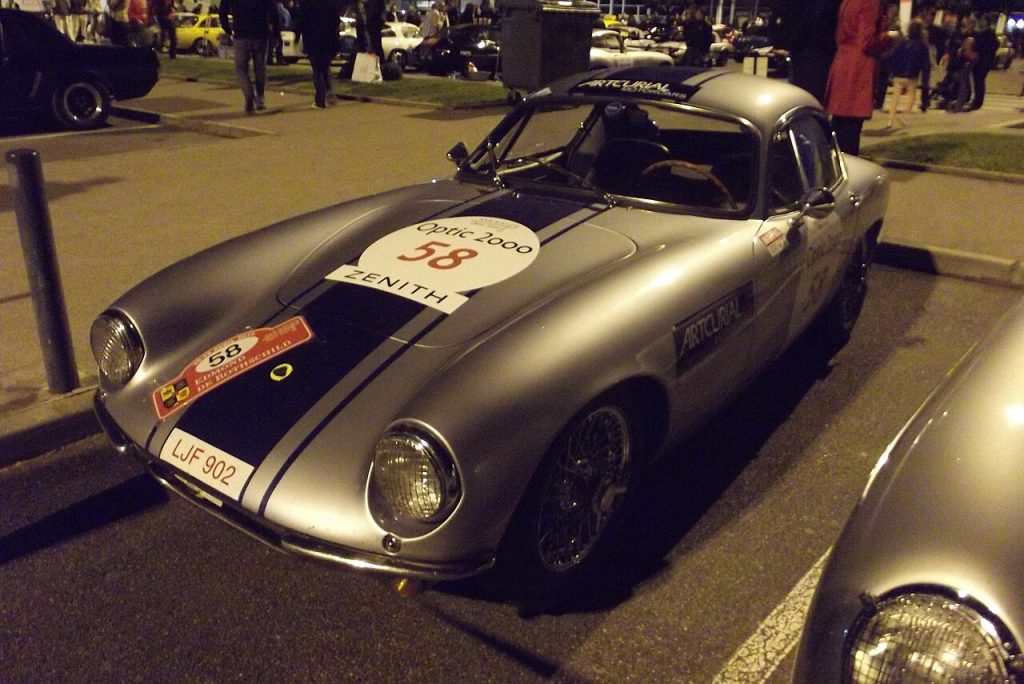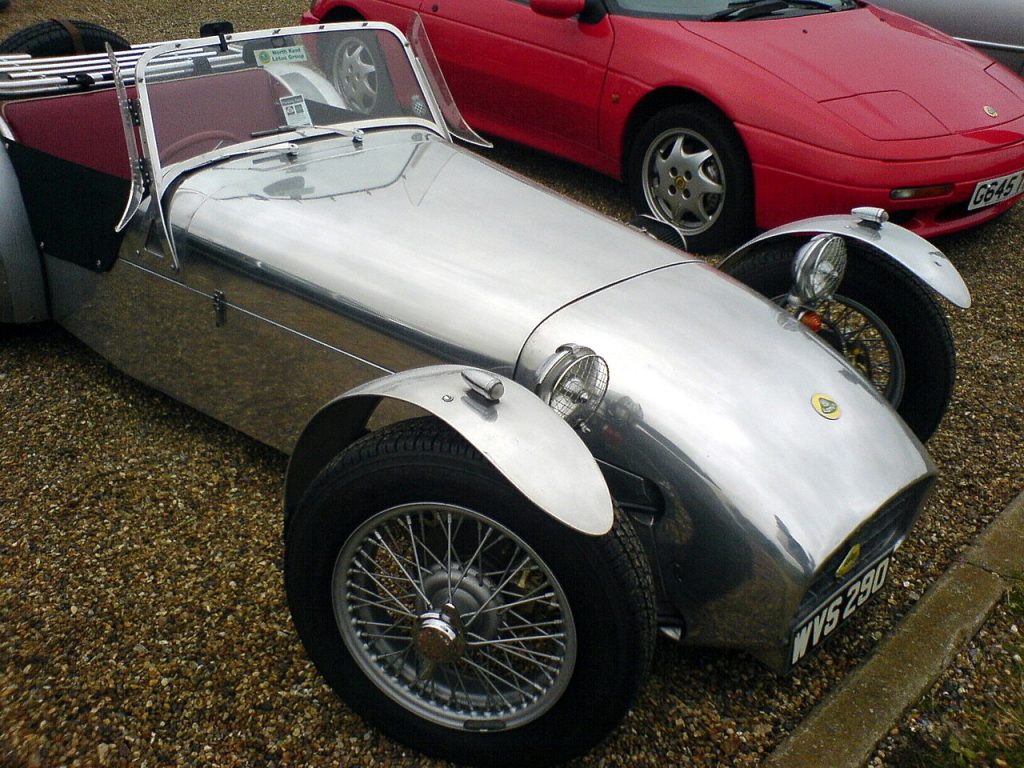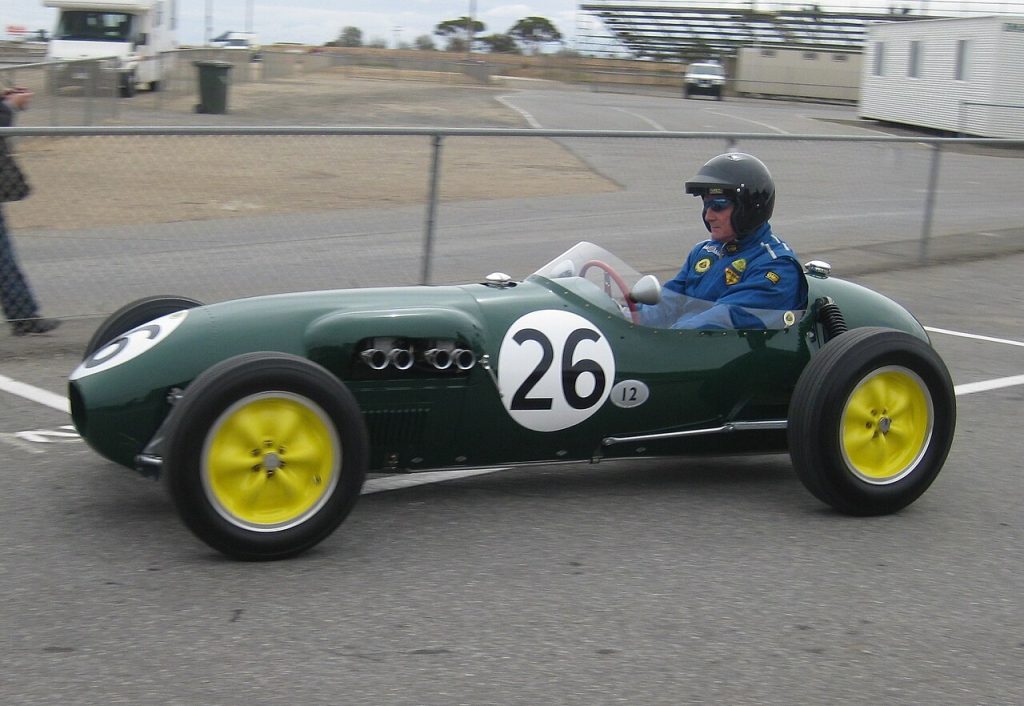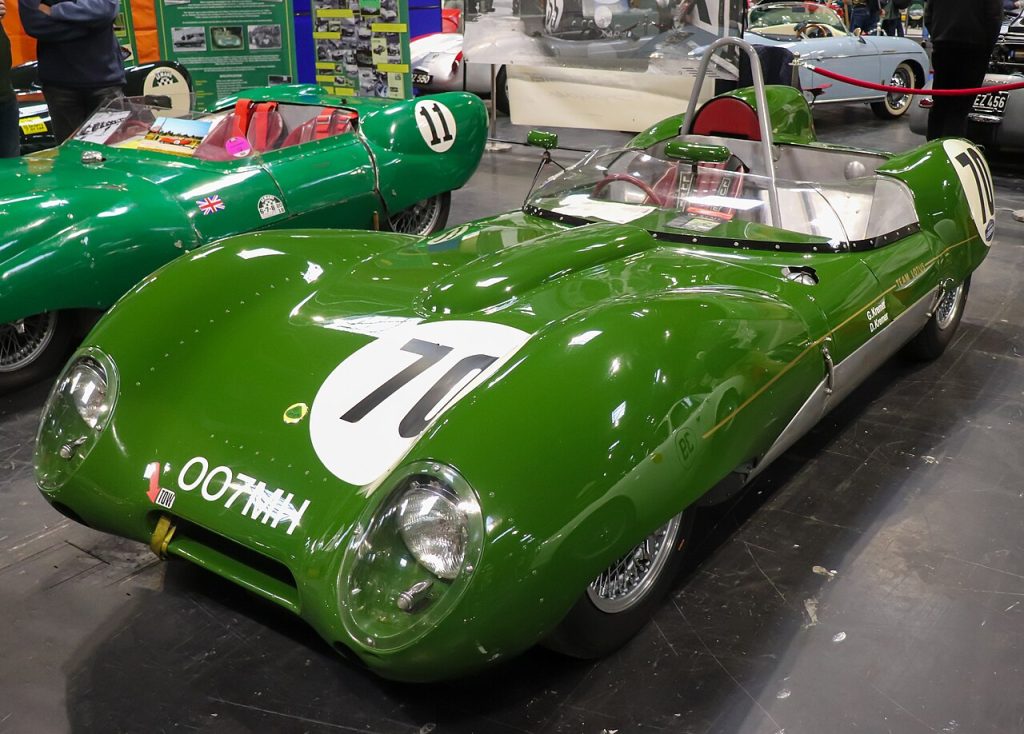

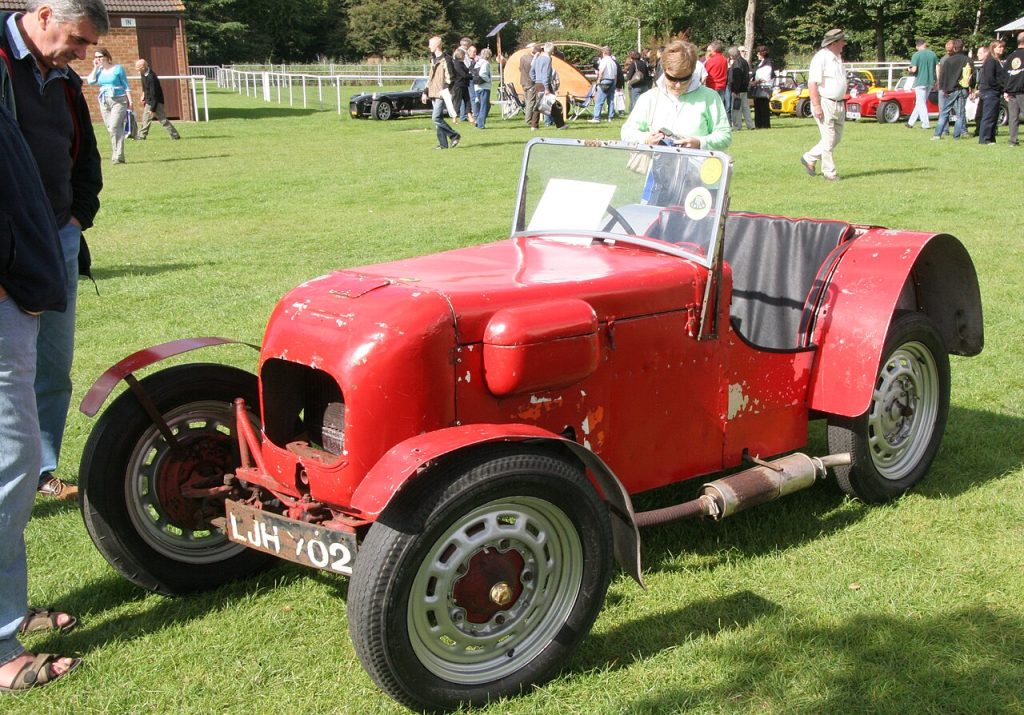
Lotus 1949
1949 Lotus Mark II
The 1949 Lotus Mark II records the transition from Colin Chapman’s personal trials experiments toward the Lotus name. Its importance lies in one documented development car, with a history that precedes the…

A MORE CONSIDERED COLLECTION
These are existing vehicle profiles grouped by their recorded classification. Read each profile for its own source notes, image context and production scope. A shared collection does not establish that different editions or chassis are the same identity.
THE COLLECTION
122 profiles
Lotus 1949
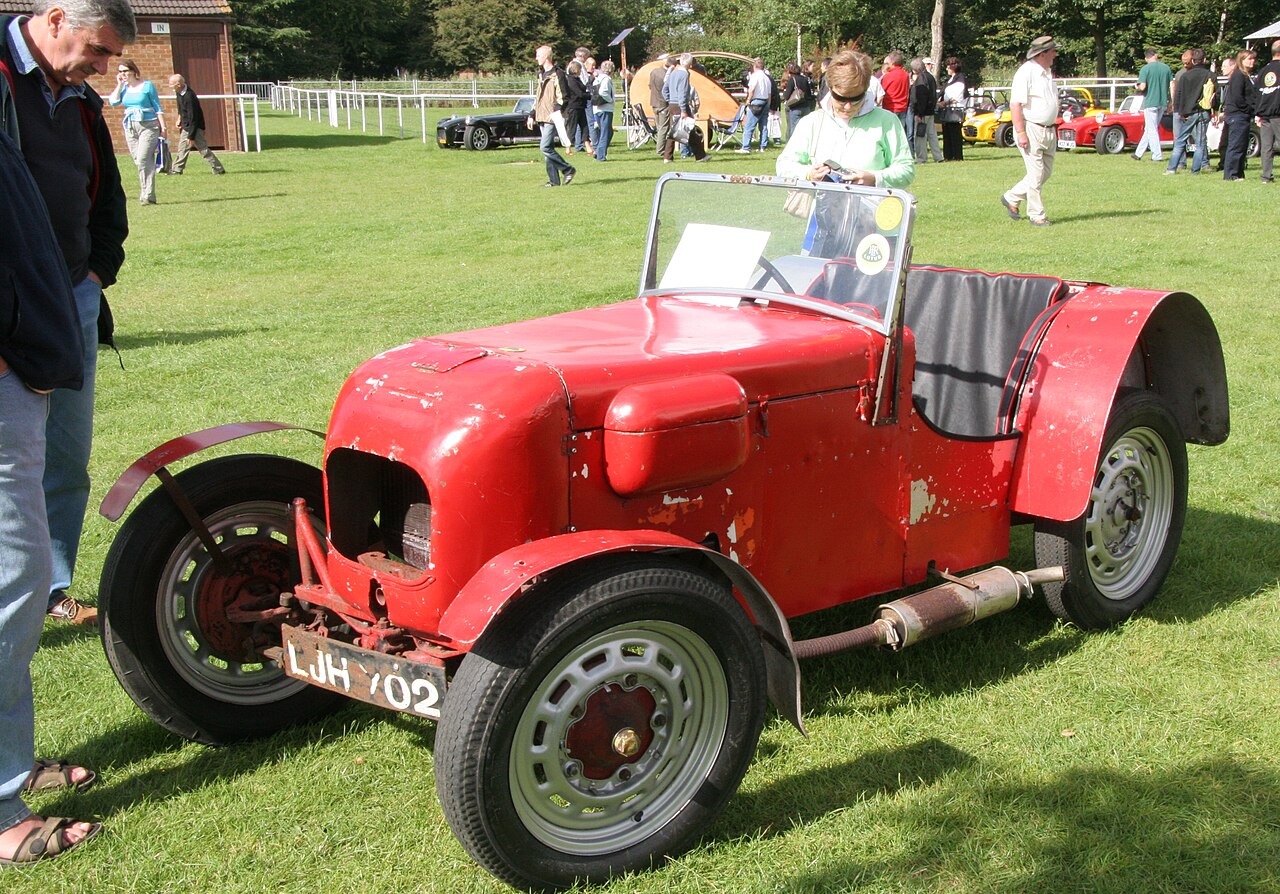
The 1949 Lotus Mark II records the transition from Colin Chapman’s personal trials experiments toward the Lotus name. Its importance lies in one documented development car, with a history that precedes the…
Lotus 1952
The Lotus Mark VI turned Chapman’s lightweight experiments into a customer sports-car programme. Its purpose-designed spaceframe and adaptable power-unit choices explain why the same basic model could appear on the road, at…
Lotus 1954
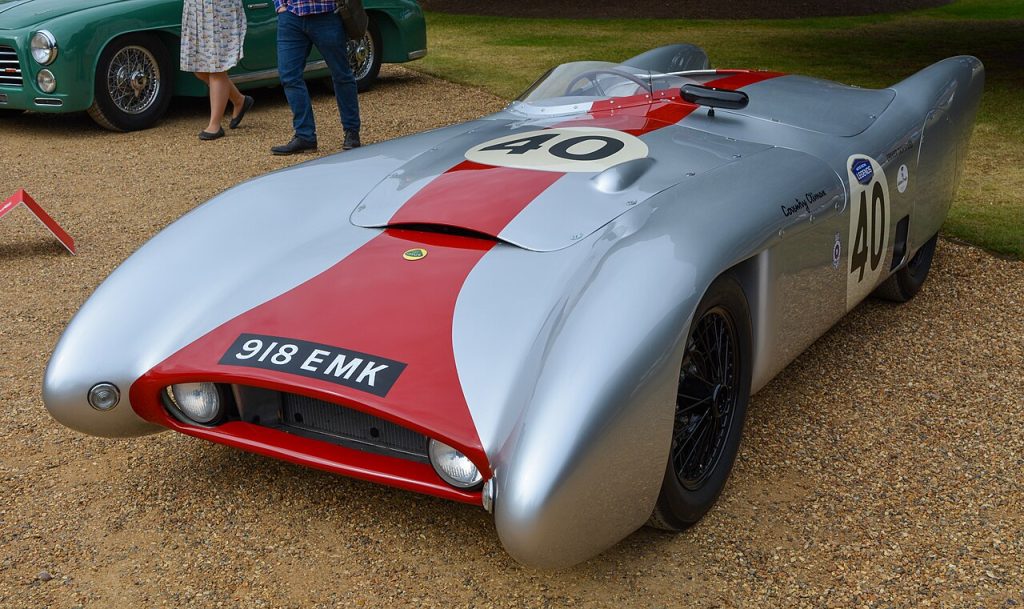
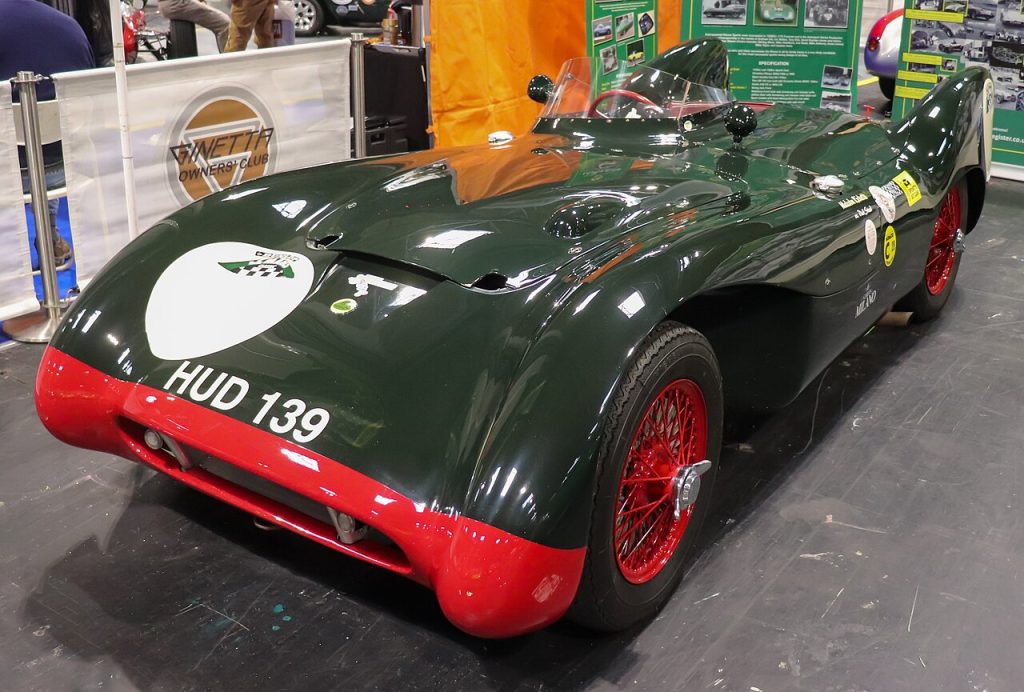
The 1954 Lotus Mark VIII gave the early Lotus sports racer an enveloping aerodynamic body. It marks an important change from exposed-wheel club cars toward a form designed for faster international sports-car…
Lotus 1955
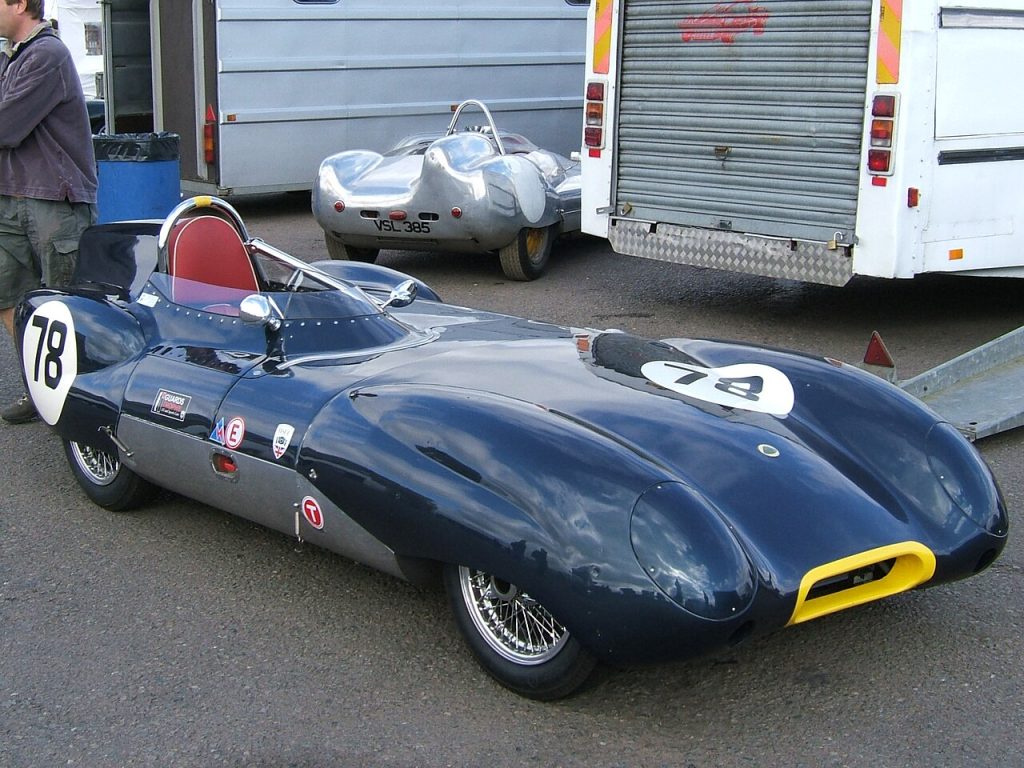
The Lotus Mark IX refines the early streamlined sports-racing programme around smaller-capacity engines. Its compact body and documented 1955 competition context give it a distinct identity beside both the Mark VIII and…
Lotus 1956
The 1956 Lotus Eleven combines the streamlined sports-racing body with a small, adaptable competition chassis. Its name and Type 11 identity belong to the original 1950s programme, separate from the much later…
Lotus 1957
The original Lotus Elite Type 14 brought a glass-fibre structural body into a compact road-going coupe. Its 1957 debut, Coventry-Climax power and distinct first-generation identity make it a different collection subject from…
Lotus 1957
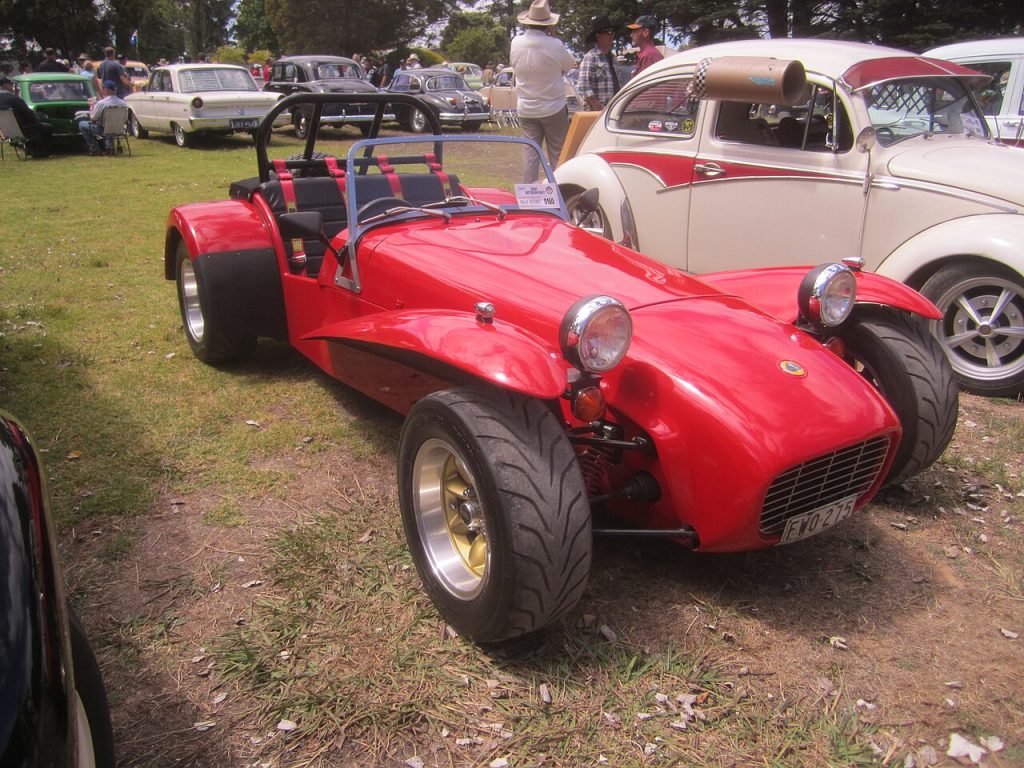
The Lotus Seven Series 1 established an open sports-car form that would outlive Lotus’s own production. This profile follows the original Lotus-built first series, with its small factory production reference kept separate…
Lotus 1957
The Lotus Type 12 began as a Formula Two car and became the first Lotus to enter Formula One. Its programme starts in 1957; the inventory’s 1958 reference is retained as an…
Lotus 1958
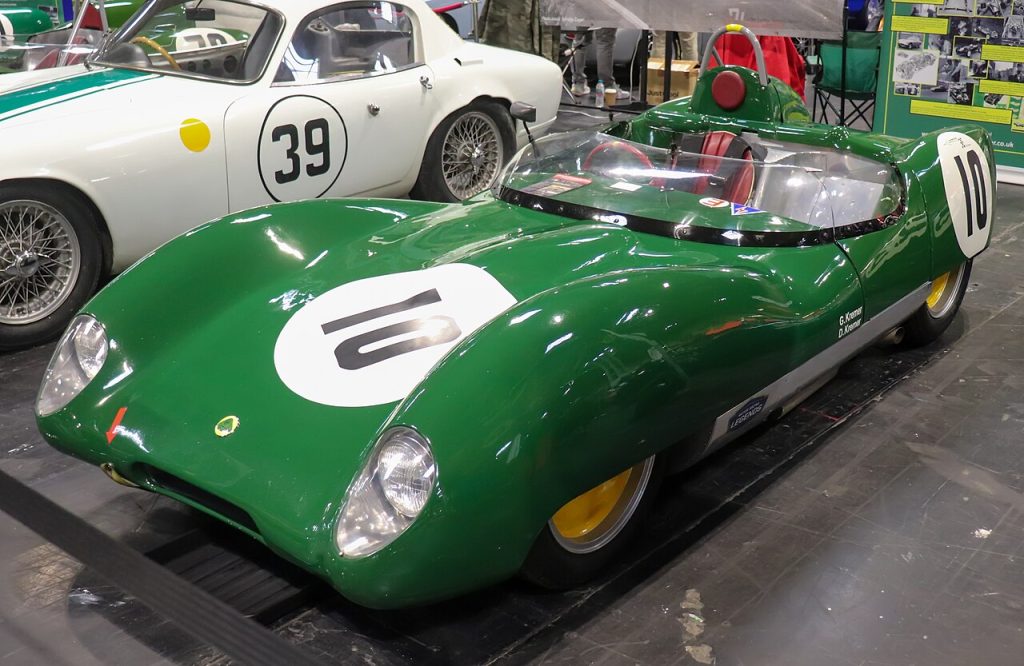
The 1958 Lotus Type 15 develops the streamlined sports-racing family beyond the Eleven. Its programme is defined by the Type number and its adaptable competition powertrain, rather than by a single universal…
Lotus 1958
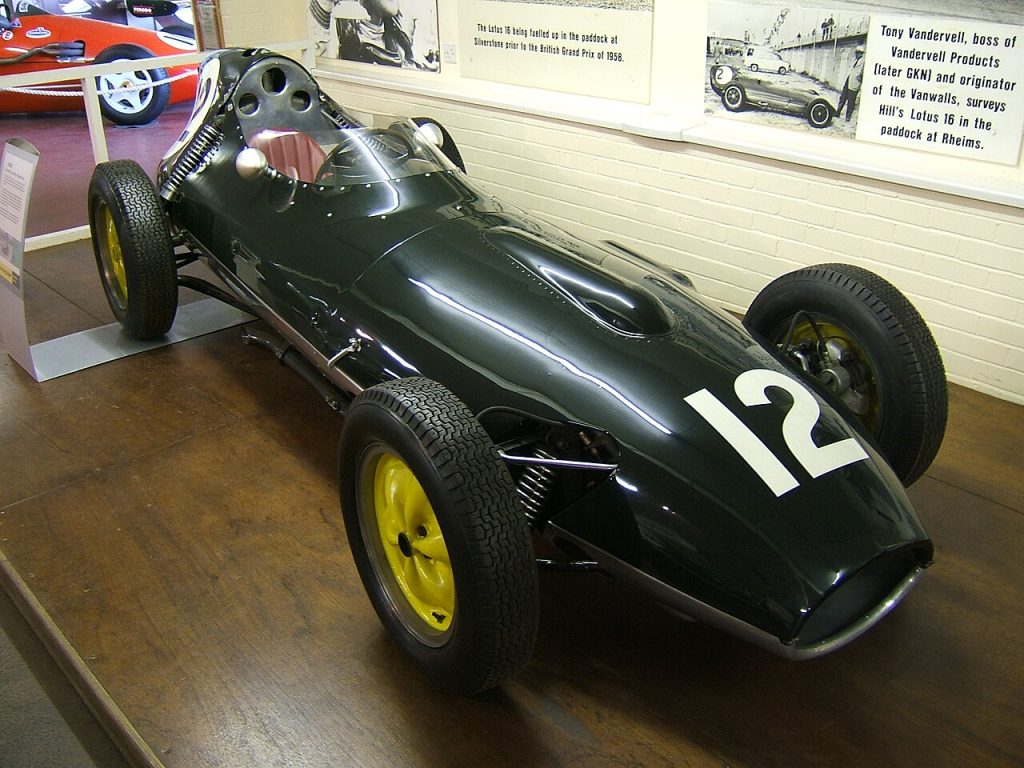
The Lotus Type 16 records the final front-engined phase of Lotus single-seater design. Its compact body and sophisticated packaging give it a clear place between the earlier Type 12 and the rear-engined…
Lotus 1959
The 1959 Lotus Type 17 is a compact sports racer whose suspension history is central to its identity. It belongs to the original Lotus competition archive, with later changes described as part…
Lotus 1960
The Lotus Seven Series 2 revised the original Seven for a less labour-intensive production approach. It preserves the open sports-car character while giving the body materials and series boundaries a distinct place…
THE RARITY RIDES STANDARD
A limited offer is not automatically a completed-production total. A surviving vehicle is not a complete factory census. We keep those distinctions visible and link each collection back to the individual profile’s evidence.
Our editorial approach