
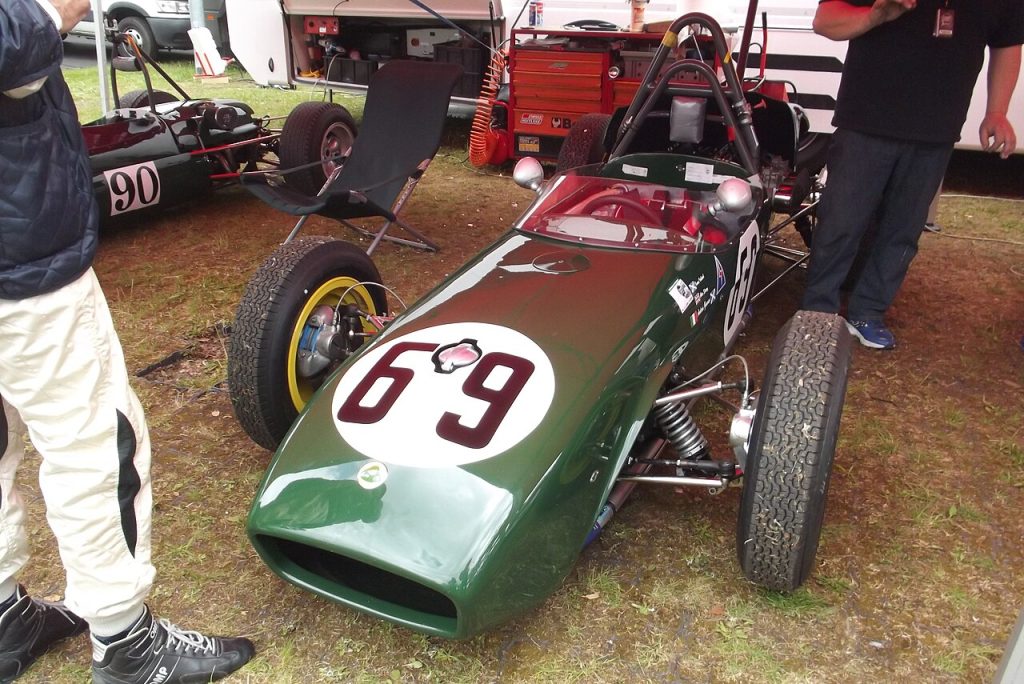
Lotus 1960
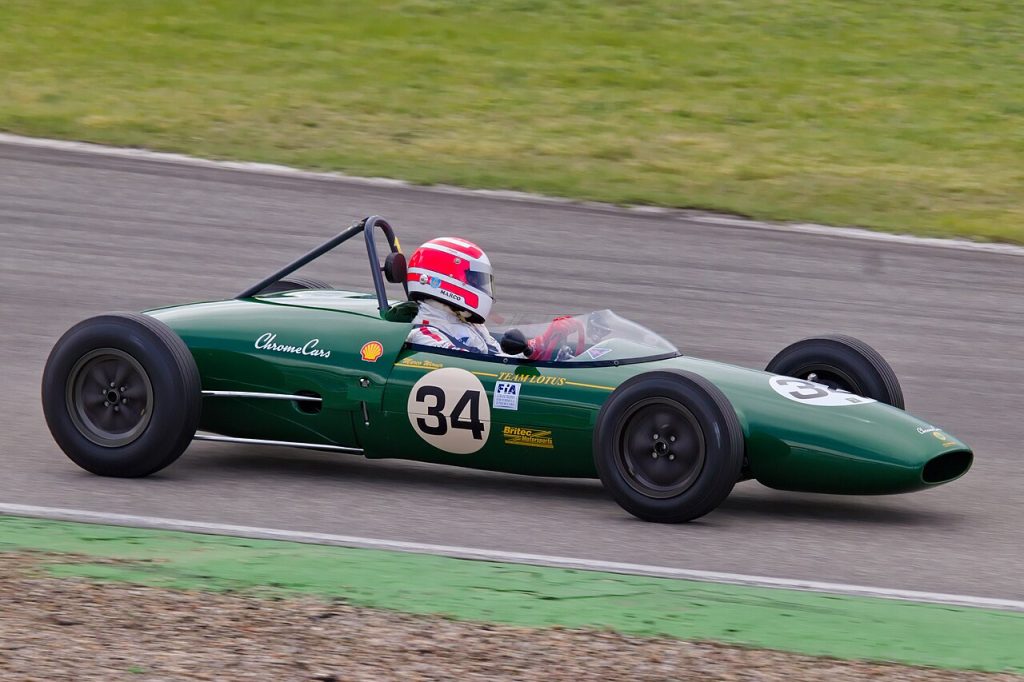
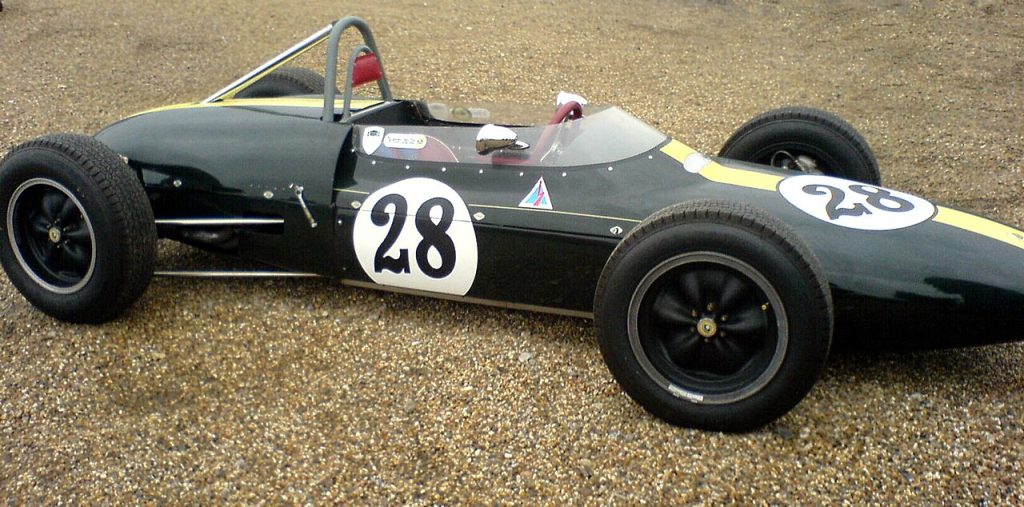
1960 Lotus Type 18 Formula Junior / Formula One
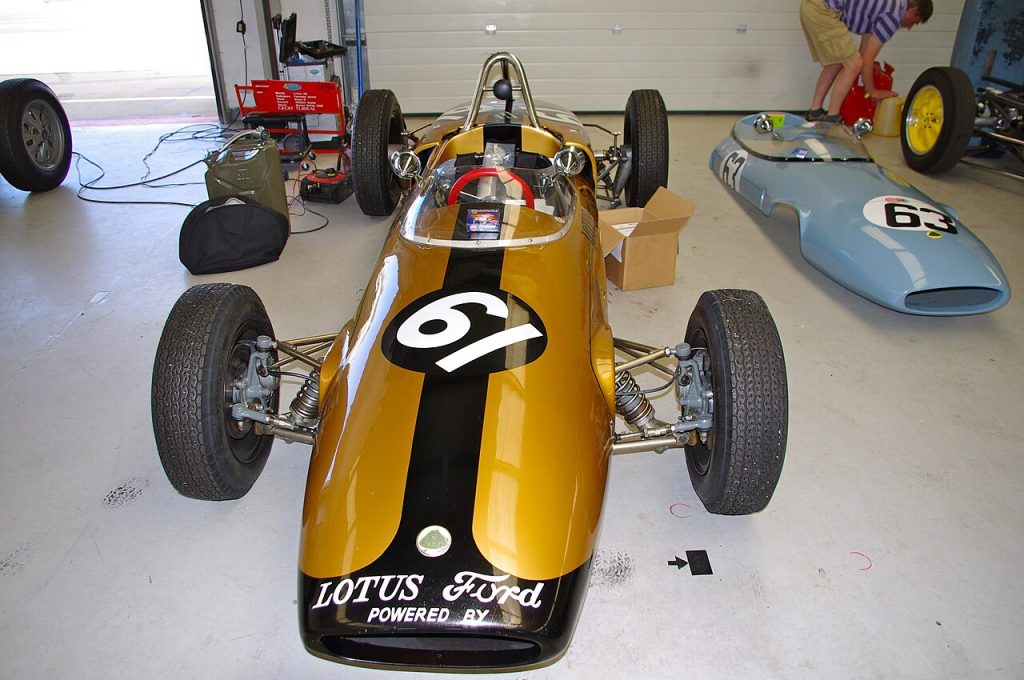
The Lotus Type 18 brought the engine behind the driver and opened a new single-seater phase for Lotus. Its Formula Junior and Formula One identities belong to related branches of one Type…

A MORE CONSIDERED COLLECTION
These are existing vehicle profiles grouped by their recorded classification. Read each profile for its own source notes, image context and production scope. A shared collection does not establish that different editions or chassis are the same identity.
THE COLLECTION
122 profiles
Lotus 1960
The Lotus Type 18 brought the engine behind the driver and opened a new single-seater phase for Lotus. Its Formula Junior and Formula One identities belong to related branches of one Type…
Lotus 1960
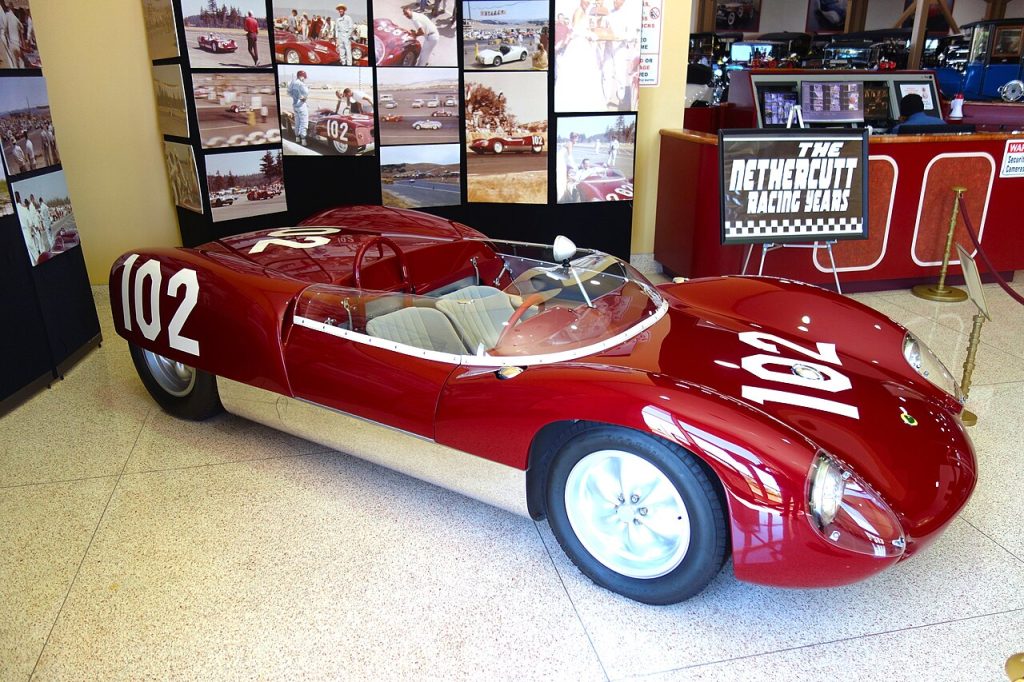
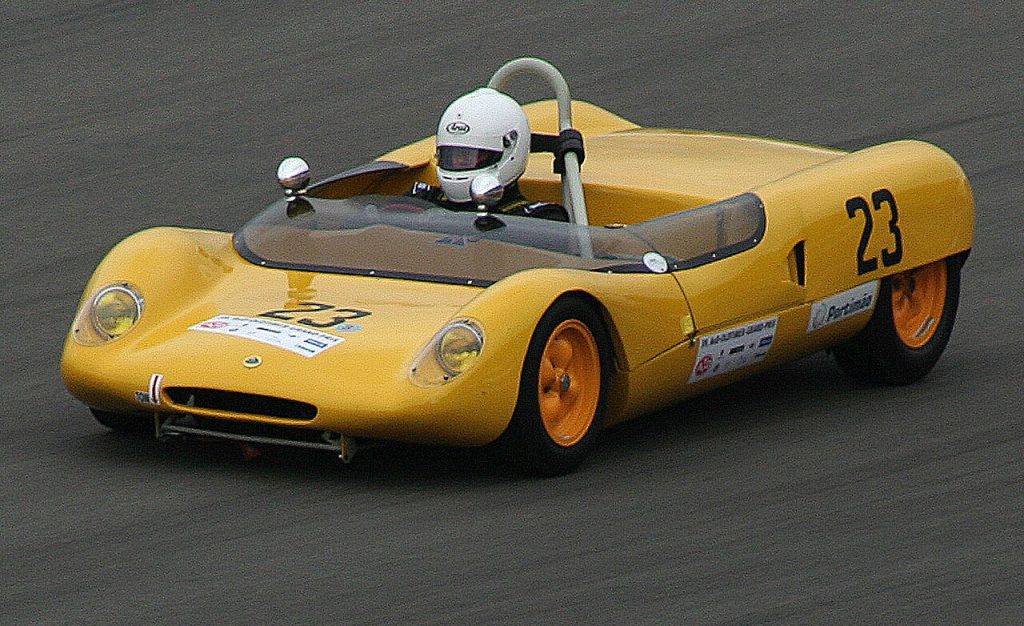
The Lotus Type 19 carries the rear-engine approach into a sports-racing body. Known as the Monte Carlo, it sits between Lotus’s compact Formula-car development and the demands of larger-capacity sports-car competition.
Lotus 1961
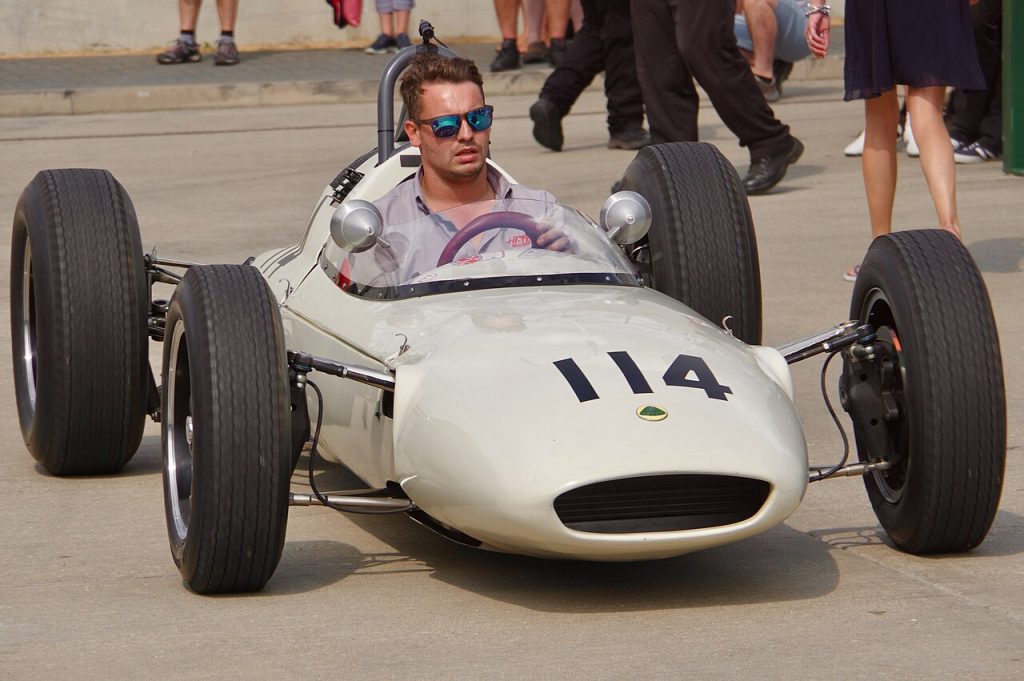
The 1961 Lotus Type 20 refines the Formula Junior branch of Lotus single-seater design. Its sleeker body and Ford-based competition power give it a distinct identity within the sequence that leads from…
Lotus 1961
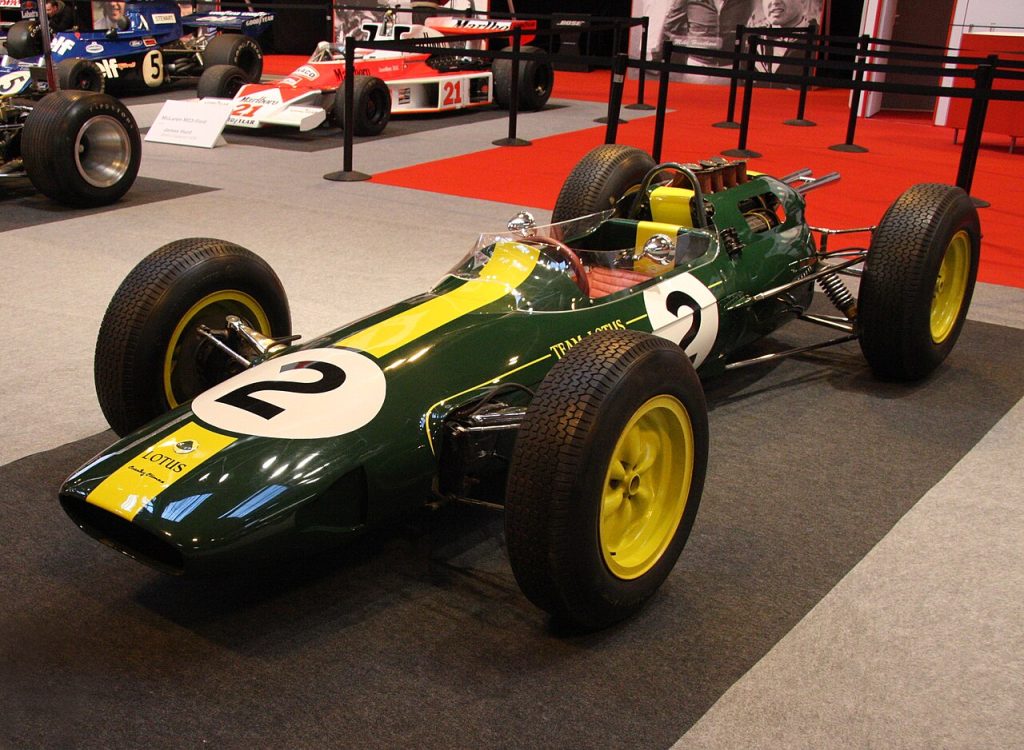
The Lotus Type 21 refines the rear-engined Formula One design and records Team Lotus’s first championship Grand Prix victory as a works team. Its lower driving position and 1961 competition identity make…
Lotus 1962
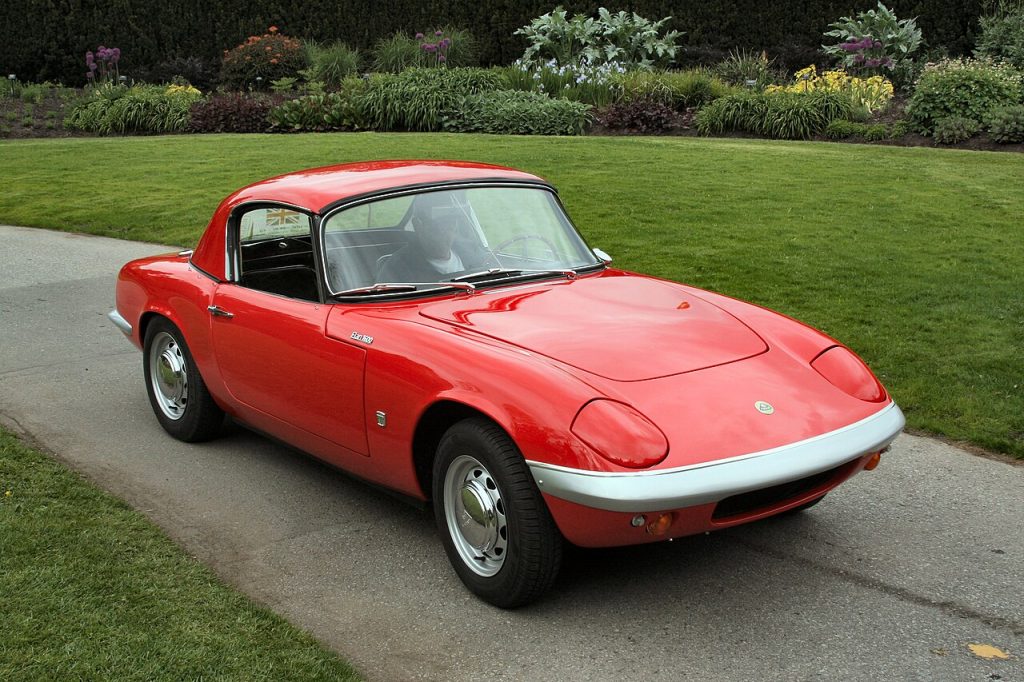
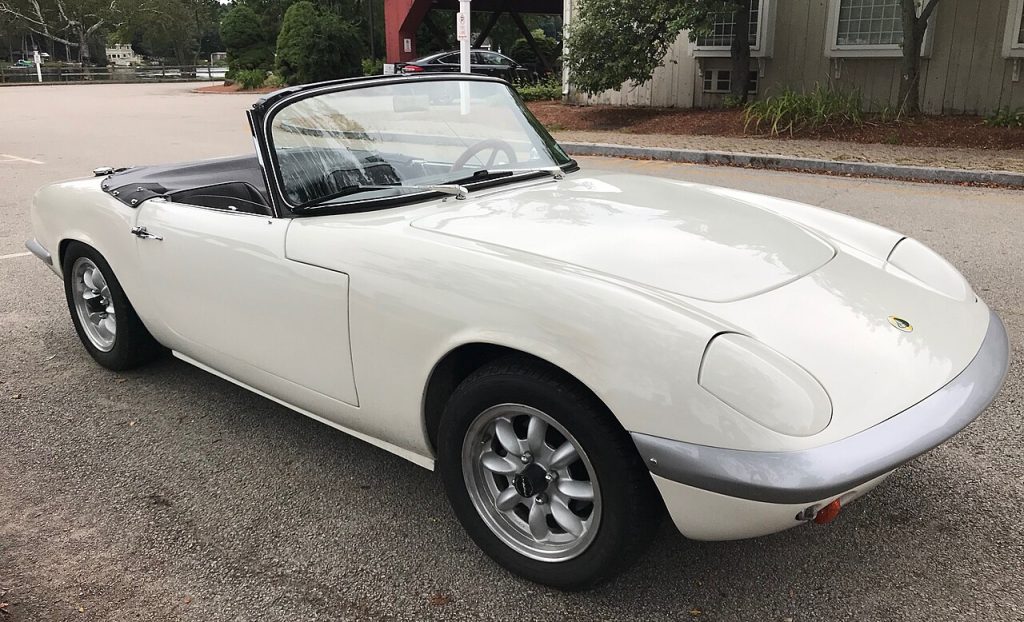
The Lotus Elan S1 introduced a steel backbone beneath a light glass-fibre body and a small twin-cam engine. Its first-series programme is a defined collecting scope, separate from the later Elans and…
Lotus 1962
The 1962 Lotus Type 22 continues the small Formula-car sequence with its own competition identity. The original programme belongs to Formula Junior and Formula Libre, with later racing appearances documented without being…
Lotus 1962
The Lotus Type 23 brings the compact rear-engined chassis into a covered-wheel sports racer. Its original family includes later series, so a photograph of a 23B is captioned as that variant rather…
Lotus 1962
The 1962 Lotus Type 24 represents the customer Formula One branch alongside Lotus’s better-known monocoque Type 25. Its separate programme record and engine choices make it a distinct competition car rather than…
Lotus 1962
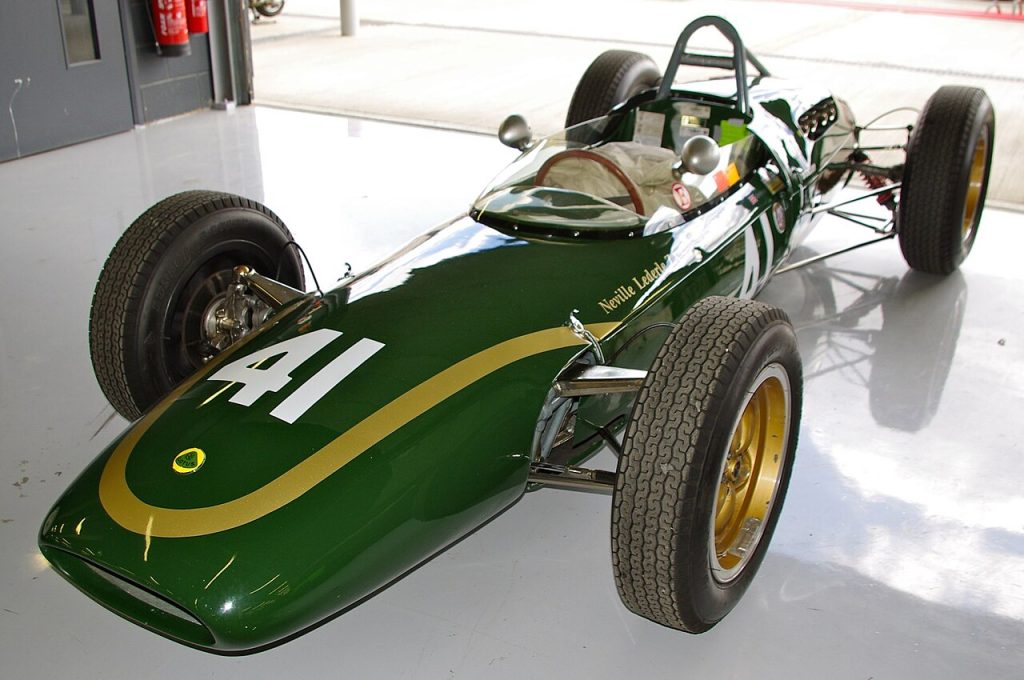
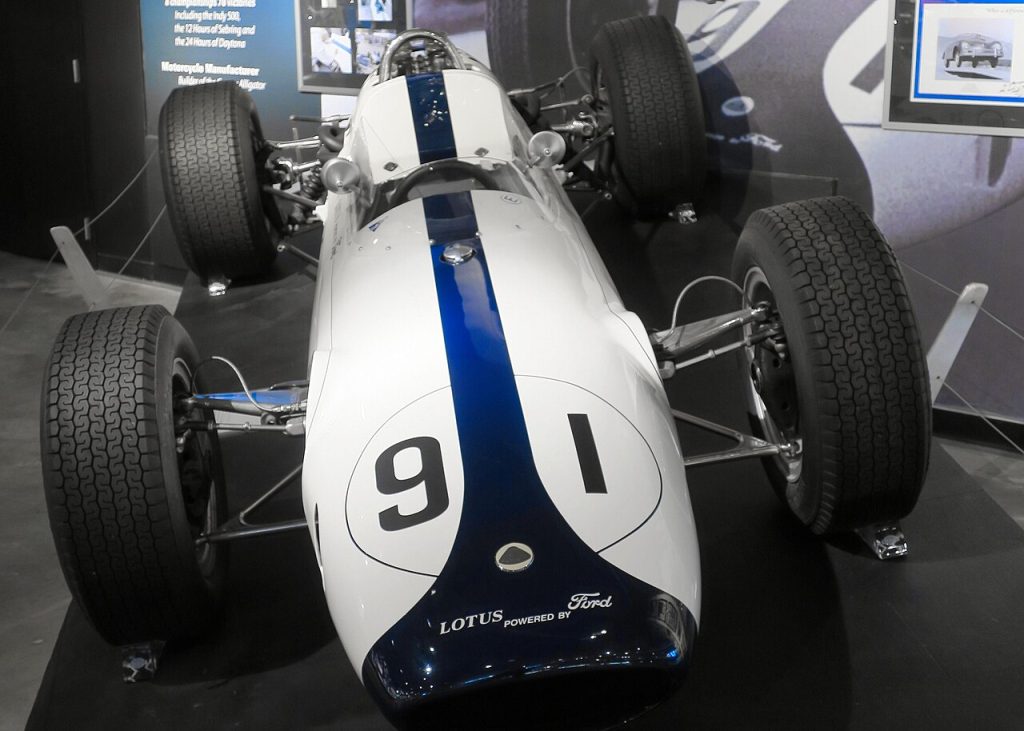
The Lotus Type 25 makes chassis structure central to the story of a Formula One car. Its semi-monocoque approach, small Coventry-Climax V8 and compact driver environment give it a clear identity within…
Lotus 1963
The 1963 Lotus Type 27 brings a monocoque approach to Formula Junior. Its structure and small Ford-based engine make it a distinct competition programme, with its own identity beside both the earlier…
Lotus 1963
The 1963 Lotus Type 29 takes Lotus’s compact monocoque experience into Indianapolis racing. Its wider structure, greater fuel provision and oval-specific suspension make it a separate programme from the Formula One Type…
Lotus 1964
The Lotus Elan S2 develops the original Type 26 roadster while retaining the backbone-and-glass-fibre approach. Its named second-series production scope gives it a separate profile from the S1, the later fixed-head coupe…
THE RARITY RIDES STANDARD
A limited offer is not automatically a completed-production total. A surviving vehicle is not a complete factory census. We keep those distinctions visible and link each collection back to the individual profile’s evidence.
Our editorial approach