Alpine A110 R 70
The Alpine A110 R 70 is the numbered anniversary series announced for the brand’s seventieth year in 2025. Its worldwide offering is capped at 770, including three tricolour subsets. A collecting record should preserve the parent-series scope and authenticate each vehicle through its factory file.
The Alpine A110 R 70 is the numbered anniversary series announced for the brand’s seventieth year in 2025. Its worldwide offering is capped at 770, including three tricolour subsets. A collecting record should preserve the parent-series scope and authenticate each vehicle through its factory file.
Alpine A110 R 70 at a glance
| Manufacturer | Alpine |
|---|---|
| Model family | A110 II |
| Profile scope | Numbered road edition |
| Inventory reference | ALP-102 |
| Announced edition limit | 770 worldwide; completed total unconfirmed |
A factory anniversary series in 2025
Alpine announced R 70 in February 2025 as part of its seventieth-anniversary range. The numbered series combines the R platform with commemorative presentation. The collecting theme is a factory anniversary programme, rather than a competition chassis or a claim that each car has personal founder provenance. Describe that role plainly. An archive can connect the edition to the marque’s history without assigning an individual customer vehicle events or associations it never had. The factory announcement establishes the series; the delivery documents establish how a particular example belongs to it.
Rarity: the worldwide offering of 770
The announced parent-series limit is 770. The tricolour subsets sit inside that figure, with separate white, blue and red allocations. They should not be added on top of the parent total. This profile stores the announced cap while leaving the completed-production census unconfirmed. A sold-out or final-ordering statement would still require its own scope. The distinction keeps the number useful without making it answer a different question. A register of documented chassis can later refine completion and survival, but should not begin by assuming that allocation, production and current population are identical.
The material specification and anniversary details
The launch highlights carbon components, carbon wheels, a numbered plaque and anniversary markings. Those features help identify the programme, but a convincing appearance is not a complete authentication method. Photograph the visible details in context and compare them with the original specification. Replacement parts or later decoration should be recorded rather than used to make unsupported conclusions. A collecting account should establish both the series identity and the car’s condition history. This is particularly useful when a familiar R silhouette is shared across several factory derivatives with different purposes and ordering scopes.
What the numbered plaque can establish
Inspect the plaque with the VIN, order, invoice and factory delivery information available. Record its location and condition, and keep early photographs where possible. A plausible number is useful only as part of a coherent file; it does not independently prove the build identity or the completed series total. If a component was replaced, retain the explanation and supporting documents. The stronger authentication approach connects the physical identification to the factory record. It also avoids treating a plaque range as a census of surviving cars or as evidence of a competition achievement.
The three tricolour subsets
The manufacturer relates the coloured anniversary group to the marque’s early tricolour presentation. Keep each subset’s configuration and limit separate while linking all of them to the parent R 70 profile. A white car should not automatically be assigned to the white commemorative subset merely because the parent series offered several colours. The factory file must establish the specific delivery definition. This is a useful example of why a colour description and an edition designation are different fields. A clear archive can preserve both the anniversary relationship and the identity of the actual specification.
Inspecting carbon wheels and body components
Have a suitable specialist assess the wheels, relevant body components and their repair or replacement history. Appearance alone cannot settle structural condition. Record fitted parts and any deviations from the delivery specification, including the reason for changes. Keep invoices and photographs for significant work. A vehicle may retain its genuine edition identity after maintenance or replacement, while its originality and condition narrative change. The catalogue should make those facts understandable. That gives a prospective custodian practical evidence rather than a blanket carbon-fibre description that says little about the machine’s actual state.
Mechanical review before road or track use
Assess maintenance, structure, cooling, transmission, suspension, tyres and brakes in relation to the intended use. Keep track preparation and event records with the service file where they exist. A commemorative series does not establish that a particular car has been lightly used. Conversely, documented track activity should be described accurately rather than treated as an automatic verdict on condition. A specialist’s findings and the maintenance chronology provide a better basis. The ownership story becomes more useful when it explains the present preparation and the evidence behind claims about the vehicle’s past.
Preserving the anniversary presentation
Document trim, markings, materials and delivered equipment before changes or conservation work. Retain removed original items where practical, with labels explaining their connection to the car. Record replacement graphics, refinishing and interior repairs with dates and supporting invoices. This helps future owners understand what is from delivery and what was renewed. A collecting catalogue should not force all condition into a single originality claim. The anniversary identity, surviving material and later work are related but distinguishable parts of the story, and each can be explained without obscuring the others.
R 70 compared with R Ultime
The names belong to separate factory propositions and should be compared through their original specifications and ordering scopes. A parent series, a bespoke subset and an anniversary edition need separate count labels. Use actual delivery records for an individual equipment comparison rather than assume that all cars sharing R in the name have the same hardware. Condition, provenance and the intended use also affect a collecting decision. The comparison becomes more useful when it explains why the cars are different and how their claims are supported, without turning one numerical limit into a prediction of future value.
A register that avoids duplicate counting
An individual car can carry both the parent R 70 identity and a subset designation. Store those classifications on one vehicle record, then link to the relevant model guides. Use the VIN or another appropriate factory identity to prevent duplicate chassis entries. Keep allocation, completion and survival counts separately scoped. If new factory evidence clarifies a total, update the appropriate field without rewriting the other definitions. This structure supports a useful collecting archive and prevents the same car being counted several times simply because it can be described by more than one valid edition label.
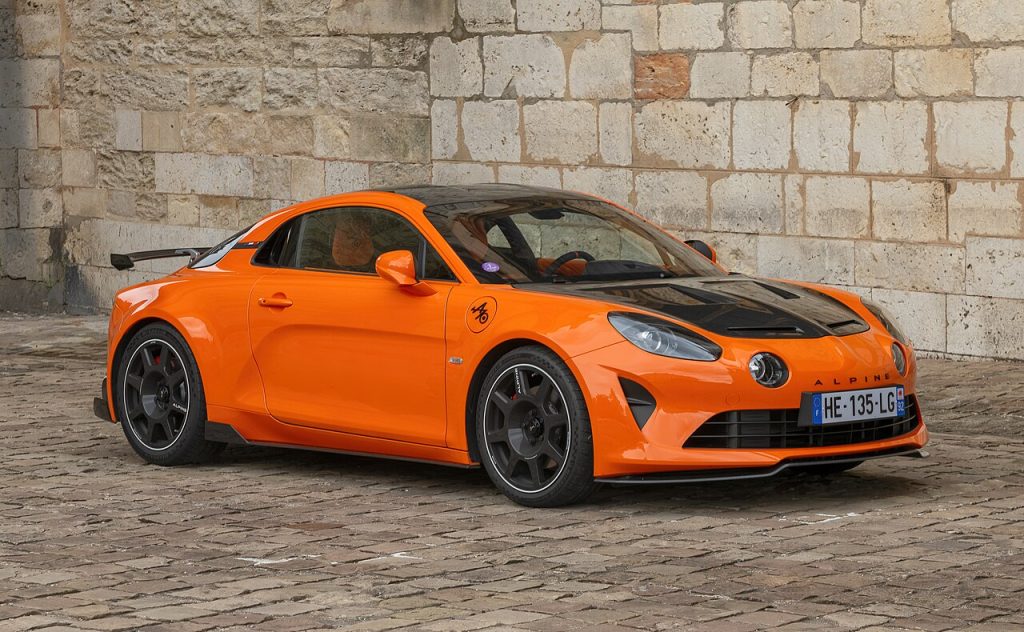
The correctly identified orange photograph
The bundled orange car carries a visible seventieth-anniversary badge and carbon-wheel presentation consistent with the R 70 source. Its Commons filename and description call it Ultime, a label rejected here after checking the physical details against the factory specification. The caption records that correction and retains the photographer’s credit and licence. It does not establish a VIN, plaque number or tricolour-subset identity. A visual archive should not copy a source title uncritically when the image itself and primary evidence support a different identification.
The complete file for an anniversary car
Keep the factory order, delivery specification, identification photographs, maintenance, repair history and component inventory together. Add any supported exhibition appearances or ownership transfers as dated records. Preserve originals and explain changes without relying on broad condition adjectives. This gives a future custodian a usable account of the vehicle’s place in the anniversary programme and its subsequent life. The model guide supplies context; the individual file supplies evidence. Together they support informed collecting and preservation without an unsupported claim about completion, survival or a guaranteed future market outcome.
Frequently asked questions
How many R 70 cars were announced?
The parent-series offering is limited to 770 worldwide; completion is not entered here as a reconciled census.
Are the tricolour groups additional to 770?
No. Their subset allocations are included within the parent series.
Does the orange photo show an Ultime?
Its visible anniversary badge and wheel presentation identify R 70; the source’s Ultime label is corrected in the caption.
Can a plaque authenticate the car on its own?
No. Correlate it with the VIN and original factory ordering and delivery records.
Explore related Alpine profiles
Sources
- Alpine: 2025 A110 R 70, tricolour subsets and GTS launch specification
- Alpine: later A110 range and final ordering phase, November 2025
Historical statements follow the linked manufacturer and competition-programme records. Inspection and collecting guidance is editorial analysis. Individual catalogue claims remain attributed to the relevant car and source.
Photography and credit
Alpine A110 R 70 in orange, identified by the visible 70 anniversary badge and carbon wheels against the official specification. Commons filename and description incorrectly call it Ultime. Photo: Rolf Kranz / Wikimedia Commons · CC BY-SA 4.0. Wikimedia thumbnail resized from the original; no cropping or colour changes.
Why this machine matters
The Alpine A110 R 70 is the numbered anniversary series announced for the brand’s seventieth year in 2025. Its worldwide offering is capped at 770, including three tricolour subsets. A collecting record should preserve the parent-series scope and authenticate each vehicle through its factory file.
Built in limited numbers
The announced parent-series limit is 770. The tricolour subsets sit inside that figure, with separate white, blue and red allocations. They should not be added on top of the parent total. This profile stores the announced cap while leaving the completed-production census unconfirmed. A sold-out or final-ordering statement would still require its own scope. The distinction keeps the number useful without making it answer a different question. A register of documented chassis can later refine completion and survival, but should not begin by assuming that allocation, production and current population are identical.
Gallery
Specifications
Factory specifications may vary by model year, market and configuration.
Identity & production
- Official model
- Alpine A110 R 70
- Base model
- A110 II
- Country of manufacture
- France