Alpine Alpenglow Hy4
The Alpine Alpenglow Hy4 is the four-cylinder hydrogen-combustion rolling demonstrator introduced in 2024. It develops the earlier Alpenglow design proposal into a research vehicle. Its engine specification and demonstration history are kept separate from both the 2022 concept and the later Hy6.
The Alpine Alpenglow Hy4 is the four-cylinder hydrogen-combustion rolling demonstrator introduced in 2024. It develops the earlier Alpenglow design proposal into a research vehicle. Its engine specification and demonstration history are kept separate from both the 2022 concept and the later Hy6.
Alpine Alpenglow Hy4 at a glance
| Manufacturer | Alpine |
|---|---|
| Model family | Concept |
| Profile scope | Concept archive |
| Inventory reference | ALP-098 |
| Propulsion | Hydrogen internal combustion research prototype |
| Engine reference | Turbocharged 2.0-litre hydrogen-combustion four-cylinder — 2024 research reference |
From design manifesto to rolling demonstrator
Alpine’s 10 May 2024 announcement presents Hy4 as the running development of the earlier Alpenglow concept. It identifies a two-seat cockpit and a four-cylinder research configuration. This is a distinct stage in the programme rather than a specification retrospectively attached to the 2022 show car. A catalogue should make that chronology visible in the title, introduction and related links. The shared Alpenglow name connects the design family, while the Hy4 suffix identifies the version whose technical and demonstration evidence belongs in this particular record.
The four-cylinder combustion specification
The manufacturer describes a turbocharged 2.0-litre four-cylinder developing 340 hp, burning hydrogen in an internal combustion engine. Those figures are dated programme references, rather than measurements of every exhibition object. Hydrogen combustion should not be classified as a battery-electric drivetrain or assumed to be a fuel-cell system. Explain the operating principle in plain language and leave more detailed installed data to the source and individual technical file. This gives the reader the important distinction without making a research demonstrator appear to have a settled customer-car specification.
What the demonstration history establishes
The original release schedules public appearances at Spa and Le Mans. Plans should remain plans unless supported by a subsequent record. Alpine’s Le Mans account documents ambassador Zinedine Zidane aboard Hy4, and the later Hy6 announcement also recalls the four-cylinder demonstration. Those records support a dated running-programme history without establishing ordinary road registration or a retail ownership package. A useful archive separates a planned presentation, a documented demonstration and a completed competition result. Hy4 belongs to the research story; it should not acquire an endurance race entry through proximity to the event.
Rarity: a prototype version without a full census
The supplied inventory describes a single running prototype, while the reviewed public releases do not reconcile all research structures and exhibition objects. Keep the named version verified and the completed-production total unset. Establishing continuity of a particular machine would require factory identification, build history and records of changes between demonstrations. A programme’s public face may be one vehicle without proving the whole manufacturing count. This cautious count scope is especially useful when a later engine version arrives, because a new configuration does not by itself reveal whether the entire structure was new or reused.
Hy4, Hy6 and the original concept
Treat the three stages as separate dated profiles linked through their development relationship. The original design proposal does not automatically inherit Hy4’s installed engine, and Hy4 does not inherit the later V6 specification. An exhibition can show how the name and visual ideas evolved while preserving the physical and technical distinctions. If factory evidence establishes shared components or chassis continuity, add it as an explicit finding. Until then, avoid a simple three-cars-built total or an assertion that all versions are the same object. The relationship is more informative when its limits are explained.
Understanding hydrogen research claims
A hydrogen-combustion demonstrator investigates one route to propulsion; its fuel name alone does not establish a complete environmental assessment. Production of hydrogen, storage, transport, operating conditions and lifecycle boundaries matter to that wider question. Keep manufacturer ambitions attributed and separate from measured results. For this profile, the useful verified point is the programme’s combustion architecture and dated technical reference. Avoid turning it into a blanket zero-emissions claim. Readers can appreciate the engineering experiment while understanding that broader environmental comparisons require their own evidence and a defined basis.
Authentication of a research vehicle
An individual Hy4 file should link the object’s identification to factory build records, test history, exhibition appearances and any later reconfiguration. Determine which engine and systems are currently installed rather than rely on the label used at a past event. Research vehicles can change as the programme develops, and those changes are themselves part of the history. Document them with dates, photographs and technical explanations. A surviving body may remain an important design object even where the installed systems differ from the public debut. The catalogue should make that distinction intelligible.
Preservation of specialised systems
A conservation plan should include both the visible presentation and the specialised fuel, control and drivetrain equipment actually present. Have appropriately qualified personnel assess the machine and its documentation before operation or intervention. Research hardware may not have a normal dealer service path. Identify the support, tooling, consumables and storage arrangements needed for its intended role. Static display and powered demonstration need different preparation. The collecting significance is not diminished by a carefully documented preservation decision; what matters is that the description of the vehicle’s capability matches its assessed condition and support.
Reading bodywork and cockpit evidence
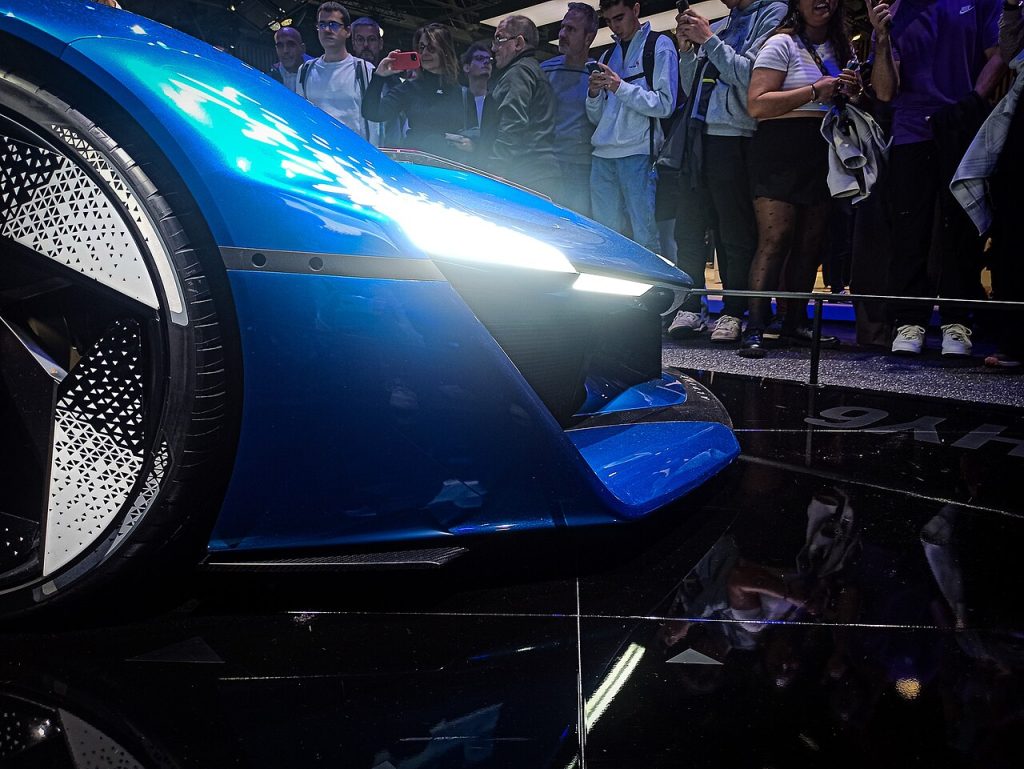
Use authenticated detail views to understand the body, cabin and configuration at a particular stage. A show photograph can reveal visible changes without proving internal hardware or running capability. Record the date, event and source, then compare against the technical file. If later photographs show altered surfaces or access panels, treat that as a question for research rather than proof of a different chassis. This helps an archive build a meaningful visual chronology. It also makes condition and conservation records easier to interpret when the vehicle’s presentation changes after its original demonstration period.
Comparison with battery-electric Alpine concepts
Compare these projects by what they were designed to investigate, their verified operating status and their documented configuration. A battery-electric preview and a hydrogen-combustion research vehicle answer different technical questions, even where both sit in a future-facing exhibition. Avoid a simple performance ranking assembled from incompatible source dates. A useful comparison identifies the drivetrain principle and the evidence available, then leaves ownership practicality and environmental assessment to separately supported analysis. The related links should guide readers toward the appropriate version instead of suggesting that all alternative-propulsion Alpines share one technology.
The licensed Hy4 photograph
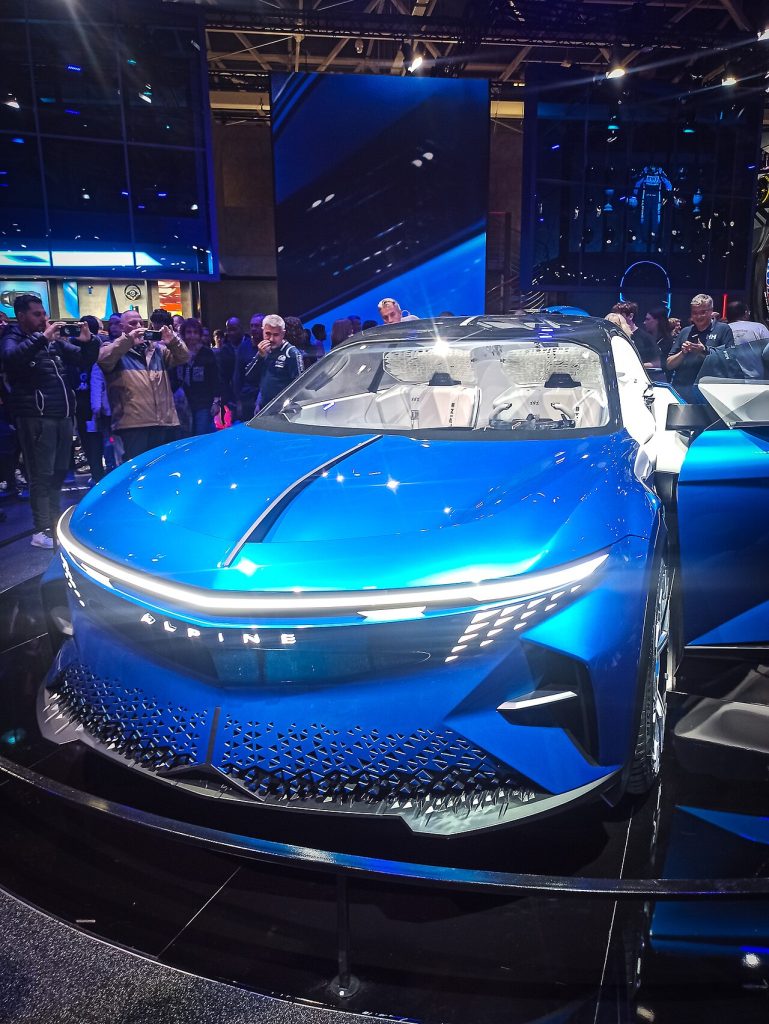
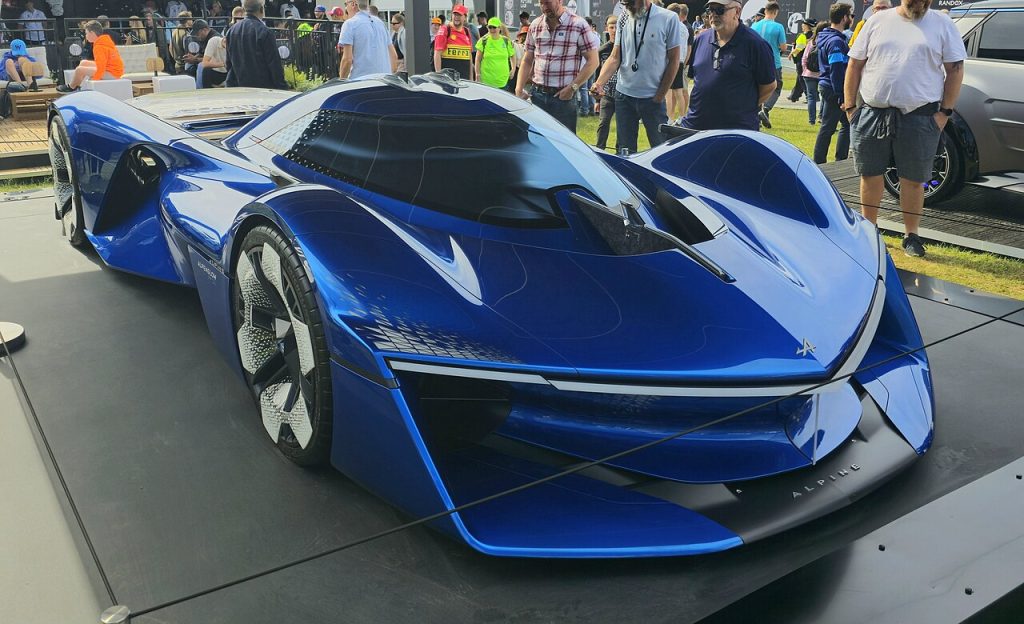
The supplied photo is identified by its source as the Alpenglow Hy4. It shows the demonstrator’s presentation and is separately licensed by the photographer. The caption keeps it distinct from the later Hy6 and original concept. It does not establish a test result, current fuel-system status or serial continuity. Credit and licence links remain visible beneath the image, with resizing disclosed. An individual research-object feature should add its own identity and installed-system photographs so readers can see the evidence behind a more specific technical or provenance claim.
A research archive that remains clear
Maintain separate fields for the public version name, the dated announced specification and any subsequently verified configuration. Keep demonstrations, planned events and technical changes as distinguishable records. A future factory account may resolve the physical census or continuity between versions; the existing entry should be ready to absorb that evidence. Until then, the guide can still explain the purpose of Hy4 and the documents needed for a surviving object. This is more useful than an apparently complete specification that blends several stages of an experimental programme into one undated car.
Frequently asked questions
Does Hy4 use hydrogen combustion?
Yes. Alpine identifies a hydrogen-fuelled internal combustion engine, not a fuel-cell electric drivetrain.
What is the dated engine reference?
The 2024 announcement describes a turbocharged 2.0-litre four-cylinder and 340 hp.
Is it the same specification as Hy6?
No. Hy6 has its own later V6 announcement and separate profile.
Is the exact prototype total verified?
No full physical-object census was established from the reviewed public material.
Explore related Alpine profiles
Sources
- Alpine: Alpenglow Hy4 rolling-prototype announcement, 10 May 2024
- Alpine: Zidane aboard Hy4 at Le Mans 2024
- Alpine: Alpenglow Hy6 V6 reveal, 14 October 2024
Historical statements follow the linked manufacturer and competition-programme records. Inspection and collecting guidance is editorial analysis. Individual catalogue claims remain attributed to the relevant car and source.
Photography and credit
Alpine Alpenglow Hy4 hydrogen-combustion demonstrator, identified by the photographer; separate from the original concept and Hy6. Photo: Calreyn88 / Wikimedia Commons · CC BY-SA 4.0. Wikimedia thumbnail resized from the original; no cropping or colour changes.
Why this machine matters
The Alpine Alpenglow Hy4 is the four-cylinder hydrogen-combustion rolling demonstrator introduced in 2024. It develops the earlier Alpenglow design proposal into a research vehicle. Its engine specification and demonstration history are kept separate from both the 2022 concept and the later Hy6.
Built in limited numbers
The supplied inventory describes a single running prototype, while the reviewed public releases do not reconcile all research structures and exhibition objects. Keep the named version verified and the completed-production total unset. Establishing continuity of a particular machine would require factory identification, build history and records of changes between demonstrations. A programme’s public face may be one vehicle without proving the whole manufacturing count. This cautious count scope is especially useful when a later engine version arrives, because a new configuration does not by itself reveal whether the entire structure was new or reused.
Gallery
Specifications
Factory specifications may vary by model year, market and configuration.
Identity & production
- Official model
- Alpine Alpenglow Hy4
- Base model
- Concept
Powertrain & performance
- Engine
- Turbocharged 2.0-litre hydrogen-combustion four-cylinder — 2024 research reference