Alpine A110 E-ternité
The Alpine A110 E-ternité is the running electric prototype presented in 2022 to explore electrifying the A110 while retaining its character. The official project also describes a second prototype for flax-based components, so a strict one-off claim is unsupported.
The Alpine A110 E-ternité is the running electric prototype presented in 2022 to explore electrifying the A110 while retaining its character. The official project also describes a second prototype for flax-based components, so a strict one-off claim is unsupported.
Alpine A110 E-ternité at a glance
| Manufacturer | Alpine |
|---|---|
| Model family | A110 II |
| Profile scope | Concept archive |
| Inventory reference | ALP-075 |
| Propulsion | Electric prototype |
| Engine reference | Prototype electric propulsion — 2022 E-ternité project |
An electric research project with an A110 body
Alpine presented E-ternité at the 2022 French Grand Prix in the A110’s sixtieth-anniversary year. It was a research demonstrator, not a customer orderable electric A110 edition. The project explored how an existing lightweight sports-car concept could accommodate electric propulsion and related changes. That makes it useful in a design and engineering archive: it records a working experiment at a particular point in Alpine’s electric development. Its prototype status should remain visible rather than being softened into the description of an ordinary production model.
What the experiment set out to investigate
E-ternité allows the established A110 format to be considered alongside the packaging and material questions of an electric drivetrain. A prototype can demonstrate an approach without proving that it is the final architecture for a future customer car. Alpine’s later electric-strategy material provides context for the project’s place in the transition. The informative question is what the experiment investigated and how it was documented. A prediction about a later production model should not be inserted into the prototype’s specification simply because both carry Alpine badges.
The published electric reference
The official project lists 178 kW, 300 Nm, a 60 kWh battery and a reported mass of 1,378 kg. Its lower 1,320 kg target is distinct from that reported mass. These figures describe the prototype programme as published; they are not an independent test of every later demonstration object. Keeping target and reported result separate avoids a misleading weight claim. This profile also avoids converting the manufacturer’s range reference into evidence of a customer production car’s regulatory certification.
Packaging within the existing architecture
Alpine describes twelve Mégane E-Tech-derived battery modules arranged with four at the front and eight at the rear, and a prototype two-speed transmission. These details explain the packaging experiment more clearly than a general claim that the A110 was simply converted to electric power. They identify a particular solution explored in the project. They do not establish that every later Alpine electric model uses the same layout. For an individual prototype, the installed configuration should be documented at the date being described, especially after continued engineering work.
An open-roof proposal
The project also introduced an open-roof arrangement with two removable carbon roof sections. This makes the visible prototype more than an engine substitution exercise. The roof concept should be described as part of the demonstrator rather than evidence of a customer convertible variant. Inspecting its design, attachments and conservation history would help an archive understand what survives. A public image can show the visible arrangement, while construction records are needed for concealed details and any changes between the reveal and later appearances.
Production: the second prototype changes the count claim
Alpine’s official release explicitly describes a second prototype used for flax-based component work, including selected body and seat elements. The inventory’s single-object label therefore cannot stand as a verified one-off production claim. The defensible statement is that the release describes at least two prototypes. It does not provide a complete lifetime census, so the profile also avoids declaring that exactly two were ever built. Generic completed-production metadata remains empty, with the correction recorded in the editorial notes.
Flax work is not an all-flax body claim
The second prototype’s selected components are a material-development strand within the wider experiment. It would overstate the source to describe the entire E-ternité structure as flax or to assume that every demonstration car carried those components. Keep material claims attached to the relevant prototype and documented parts. This is particularly important in a collection where an external appearance may look familiar while construction differs underneath. A useful archive record combines the prototype’s identification with its material schedule and the dates of any component changes.
Which object appears in a photograph?
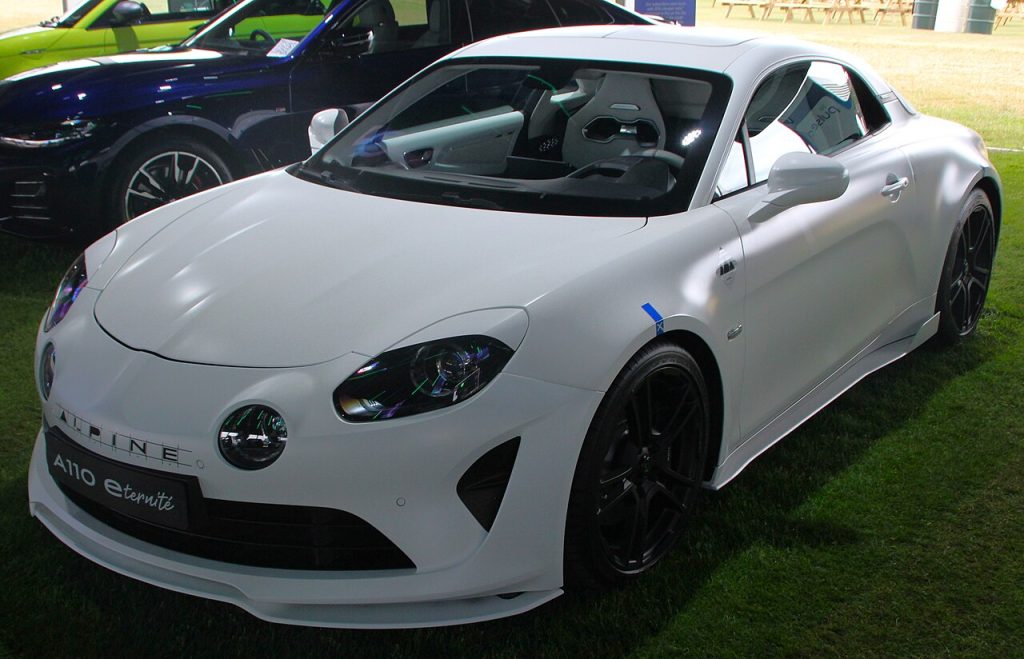
Once a project contains more than one prototype, event photographs need careful object identification. Date, location, visible details and project custody records can help distinguish presentations, but appearance alone may not settle the issue. The supplied image records an E-ternité appearance rather than proving that it shows a particular numbered prototype or the complete flax configuration. A future individual-object profile should add manufacturer confirmation and identifying views. The model-level article can explain the project without pretending to have resolved every physical object’s custody history.
Preserving an electric development object
Conservation should begin with documentation of the structure, roof, battery configuration, propulsion equipment, control systems and material experiments. Establish which elements belong to the chosen historical presentation and which were later changed. Prototype components may require support that differs from ordinary road-car servicing. Retain project documents and photographs of work before replacing or removing significant material. Where an object is stabilized for exhibition, record the process so that its display condition is understood and not mistaken for an untouched running configuration.
Demonstration readiness and engineering support
Running an electric prototype requires specialists who understand the actual installed system and its support requirements. A successful public demonstration at one date does not establish indefinite readiness for operation. Review the relevant technical documentation, maintenance and subsequent changes with the responsible engineers or custodians. Define whether the intended role is static display, a controlled demonstration or further development. That decision affects preparation and preservation, but it does not alter the historical project identity. A clear object file should explain both the history and the present operating status.
Comparison with Vision and the production A110
Vision previewed the revived production road car, while E-ternité used an established A110 format to investigate a different propulsion direction. The production Première Edition provides the customer-car reference between those milestones. Showing them together can explain the sequence of preview, manufacture and later experimentation. Avoid presenting the electric demonstrator as the completed successor simply because it appears later. Its interest lies in the engineering questions it made tangible and the evidence it leaves of Alpine’s development process.
The 2023 Goodwood photograph
The bundled licensed photograph identifies E-ternité at the 2023 Goodwood Festival of Speed. That later event date is retained rather than captioned as the 2022 French Grand Prix reveal. It illustrates the project’s appearance without proving which prototype or complete material specification was present. Linked author, source and licence information remains visible alongside the image. Further photographs could document the roof and component details, but their interpretation would still require object-level identification and the appropriate dated project records.
Frequently asked questions
Was E-ternité a production electric A110?
No. Alpine presented it as an electric prototype and engineering experiment.
Was only one E-ternité prototype made?
The official project describes a second prototype, so a strict one-off claim is unsupported. The release establishes at least two, not a complete lifetime census.
Was the whole prototype made from flax?
The source describes selected flax-based components on the second prototype. It does not establish an entirely flax-bodied car or the same materials on every project object.
Does the supplied photograph show the 2022 reveal?
No. It records a later Goodwood Festival of Speed appearance in 2023, with that date preserved in the caption.
Explore related Alpine profiles
Sources
- Alpine: E-ternité technical project and second prototype, July 2022
- Alpine: electric strategy and E-ternité development role, June 2023
Historical statements follow the linked manufacturer and competition-programme records. Inspection and collecting guidance is editorial analysis. Individual catalogue claims remain attributed to the relevant car and source.
Photography and credit
Alpine A110 E-ternité prototype at the 2023 Festival of Speed; a later public presentation of the electric research programme. Photo: MrWalkr / Wikimedia Commons · CC BY-SA 4.0. Wikimedia thumbnail resized from the original; no cropping or colour changes.
Why this machine matters
The Alpine A110 E-ternité is the running electric prototype presented in 2022 to explore electrifying the A110 while retaining its character. The official project also describes a second prototype for flax-based components, so a strict one-off claim is unsupported.
Built in limited numbers
Alpine’s official release explicitly describes a second prototype used for flax-based component work, including selected body and seat elements. The inventory’s single-object label therefore cannot stand as a verified one-off production claim. The defensible statement is that the release describes at least two prototypes. It does not provide a complete lifetime census, so the profile also avoids declaring that exactly two were ever built. Generic completed-production metadata remains empty, with the correction recorded in the editorial notes.
Gallery
Specifications
Factory specifications may vary by model year, market and configuration.
Identity & production
- Official model
- Alpine A110 E-ternité
- Base model
- A110 II
Powertrain & performance
- Engine
- Prototype electric propulsion — 2022 E-ternité project