Alpine Alpenglow Hy6
The Alpine Alpenglow Hy6 is the V6 hydrogen-combustion evolution presented at the 2024 Paris Motor Show. It introduces a dedicated research engine and a revised presentation. The name identifies a prototype stage, not a numbered customer edition or a specification shared by every Alpenglow.
The Alpine Alpenglow Hy6 is the V6 hydrogen-combustion evolution presented at the 2024 Paris Motor Show. It introduces a dedicated research engine and a revised presentation. The name identifies a prototype stage, not a numbered customer edition or a specification shared by every Alpenglow.
Alpine Alpenglow Hy6 at a glance
| Manufacturer | Alpine |
|---|---|
| Model family | Concept |
| Profile scope | Concept archive |
| Inventory reference | ALP-099 |
| Propulsion | Hydrogen internal combustion research prototype |
| Engine reference | 3.5-litre twin-turbo hydrogen-combustion V6 — October 2024 research reference |
A new stage at Paris in October 2024
Alpine announced Hy6 on 14 October 2024 as the next hydrogen-powered version of Alpenglow. The reveal places it after the original concept and the four-cylinder demonstrator. This chronology is central to an accurate archive: the shared name is a development connection, while each suffix and date determines which technical claims apply. Describe the Paris object in its own scope. A later appearance can extend its history, but should not silently change the original entry or turn the earlier concept into a V6-powered machine.
A dedicated hydrogen V6 research engine
The manufacturer describes an Alpine-developed 3.5-litre twin-turbo V6 with a stated 740 bhp output. The release also describes a revised transparent engine presentation and aerodynamic changes. These are programme specifications and claims, not independent measurements of the exhibition object. An individual technical file should confirm the installed configuration and any later changes. Keep the hydrogen-combustion principle clear: the vehicle is not classified here as a battery-electric car or a fuel-cell system. Missing performance fields should remain empty rather than acquire figures from another Alpenglow version.
Rarity: development version versus object count
The reviewed public records identify the Hy6 version without reconciling every physical structure, research engine or associated display object. The inventory’s one-off shorthand therefore remains an editorial starting point rather than a verified completed-production total. Establishing continuity with another version would require factory records, not just a similar body. A collecting archive should distinguish programme stages from counted chassis. Leaving the numerical field open keeps room for later evidence and prevents an attractive but unsupported claim that each named evolution was necessarily a separate completed car.
Keeping power claims in their proper scope
A manufacturer’s headline output belongs to a defined research configuration and source date. It should not become a promise about a retired display or a later conserved object. Record whether the engine, control system and supporting assemblies remain installed and operational, and distinguish that finding from the original announcement. Different units or testing conditions should not be blended casually. A useful guide tells readers where the figure comes from and what it does not establish. That preserves the interest of the engineering claim while avoiding the impression that every surviving object has been independently tested.
What the transparent presentation can show
A visible engine display helps a viewer understand the focus of the research programme, but appearance is only one part of the technical evidence. Photograph the configuration with date and context, including accompanying labels where rights allow. The display can show arrangement and presentation without proving internal specification, calibration or condition. If components were changed later, keep photographs and workshop records together. This creates a meaningful visual history and helps future interpretation. A catalogue should not ask an exhibition image to answer engineering questions that require original records or an actual inspection.
The relationship with Hy4
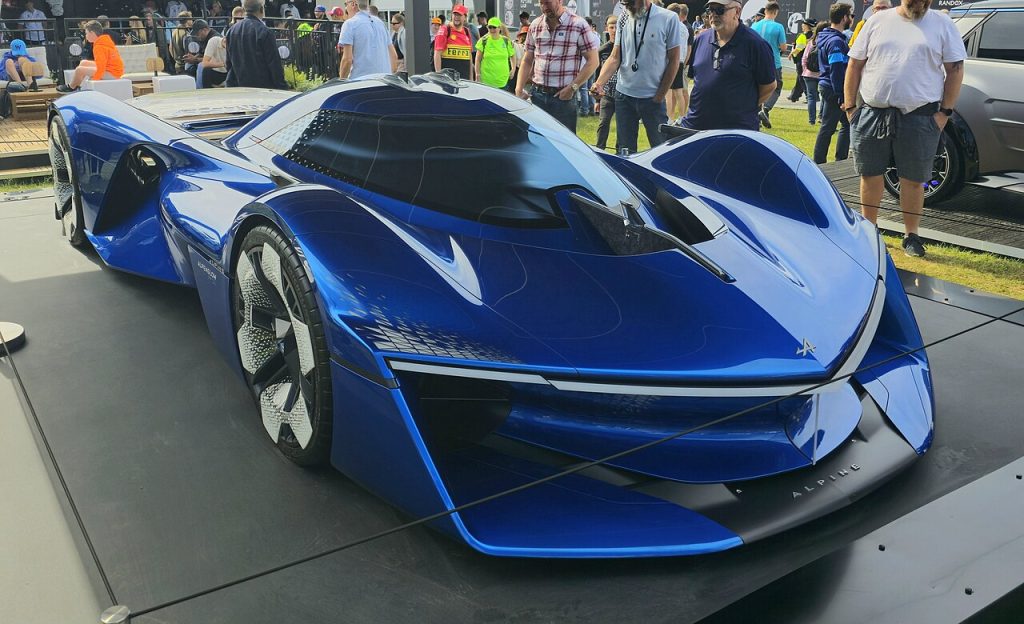
Compare the two versions through their dated manufacturer accounts and documented installed systems. A change in cylinder count is a clear programme distinction, while physical chassis continuity remains a separate research question. Keep shared design ideas, changed hardware and unconfirmed continuity in their own categories. A reader should be able to understand the development sequence without concluding that every earlier photograph shows the later engine. This is particularly important in a gallery where the overall silhouette is recognisable. Captions should identify the version, event and source rather than use Alpenglow alone as a complete technical label.
An environmental claim needs a defined comparison
Hydrogen combustion is the technology being investigated, rather than a complete environmental verdict. A wider assessment would need evidence about fuel production, transport, storage, use and lifecycle boundaries. Attribute the manufacturer’s ambitions and distinguish them from measured findings. Do not reduce the programme to an unqualified zero-emissions statement. The vehicle can be historically significant as an engineering experiment while the broader question remains more complex. A useful profile explains the architecture and the research purpose, then lets separately sourced analysis address environmental performance under a clearly stated set of conditions.
Authenticating a surviving Hy6 object
Seek original identification, build and test records, exhibition chronology and documentation of any transfers or reconfiguration. Establish the connection between the present body, its installed engine and the public Hy6 programme. A matching exterior is not enough to identify the technical state. If the vehicle has become a static display or has had research assemblies removed, describe the conversion clearly. The history remains interesting when it is accurate. A well-supported object file should make it possible for a future custodian to understand what survives, what changed and which claims remain dependent on factory confirmation.
Conservation and technical support
Qualified specialists should assess the specialised fuel and drivetrain systems, supporting equipment and documentation before operation. Preserve the associated controls, removable assemblies and display hardware where they contribute to the object’s meaning. A research vehicle may depend on technical support that differs substantially from ordinary road-car servicing. Record the intended preservation role and the preparation needed for it. Static conservation can be an appropriate outcome, while a running demonstration needs its own assessment. The catalogue should explain the verified state rather than allow the original performance claim to imply current usability.
A place in an Alpine technology collection
Hy6 can anchor an exhibition about alternative propulsion and the relationship between design proposals and experimental hardware. Pair it with the earlier Alpenglow guides and electric concepts, identifying each project’s stated role. A thematic connection is more useful than a league table of outputs taken from incompatible stages. Show the documents and photographs that establish the individual histories. This gives visitors an understandable route through the collection and helps them see why a research prototype can matter even though it was never offered as a conventional road-car edition.
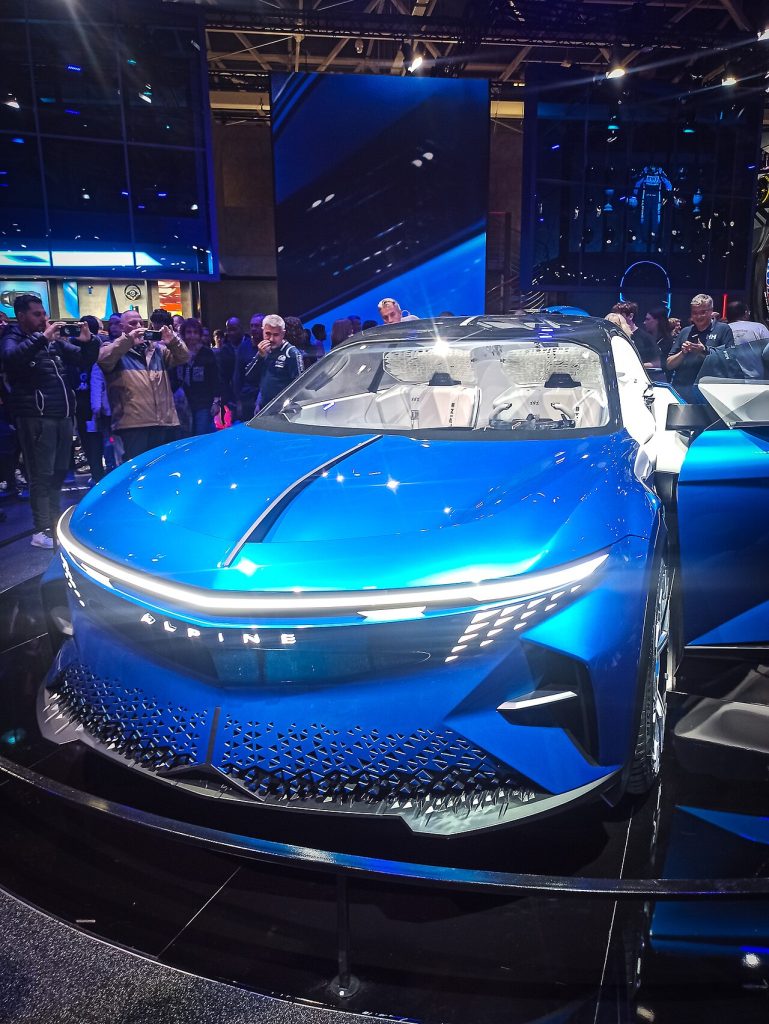
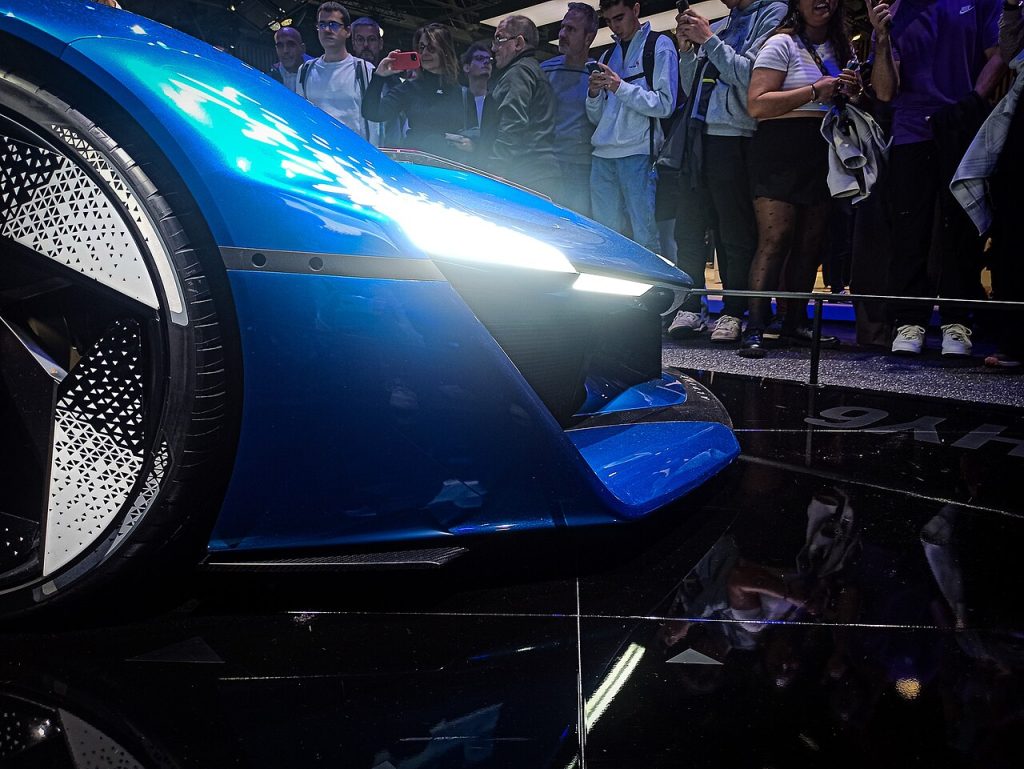
The Paris Hy6 photograph
The bundled photograph is source-identified as the Hy6 at the 2024 Paris Motor Show. It illustrates the relevant version’s display, with the photographer, Commons source and Creative Commons licence visibly linked. It is separate from the original 2022 concept photograph and the Hy4 image. The caption does not assign a chassis serial or establish a track performance. Keep those limits when reusing the image in comparisons. If an individual object is later featured, add authenticated identification and condition views under their own rights records rather than broaden what the exhibition photograph proves.
Recording a programme that can evolve
Keep the public reveal, subsequent demonstrations, installed specification and physical-object history as dated records. Where evidence is missing, preserve the research question instead of filling a field from a related version. An official future clarification could resolve continuity, counts or later use without making the earlier guide obsolete. The archive should support that process through stable naming and explicit source scope. Its purpose is to explain Hy6’s place in the programme and what an individual collecting file must establish, while allowing the history to grow as reliable new evidence becomes available.
Frequently asked questions
What does Hy6 identify?
The Alpenglow hydrogen-combustion V6 development stage presented in October 2024.
What engine did Alpine announce?
A 3.5-litre twin-turbo V6, with a stated 740 bhp programme output.
Is it a fuel-cell electric vehicle?
No. This profile classifies the announced architecture as hydrogen combustion.
Was each Alpenglow version a separate chassis?
The reviewed public releases do not establish a complete chassis-continuity account or physical-object census.
Explore related Alpine profiles
Sources
- Alpine: Alpenglow Hy6 V6 reveal, 14 October 2024
- Alpine: Alpenglow Hy4 rolling-prototype announcement, 10 May 2024
- Alpine: three world premieres at Paris 2024
Historical statements follow the linked manufacturer and competition-programme records. Inspection and collecting guidance is editorial analysis. Individual catalogue claims remain attributed to the relevant car and source.
Photography and credit
Alpine Alpenglow Hy6 displayed at the 2024 Paris Motor Show; not the original 2022 concept or four-cylinder Hy4. Photo: WikiGenesis / Wikimedia Commons · CC BY 4.0. Wikimedia thumbnail resized from the original; no cropping or colour changes.
Why this machine matters
The Alpine Alpenglow Hy6 is the V6 hydrogen-combustion evolution presented at the 2024 Paris Motor Show. It introduces a dedicated research engine and a revised presentation. The name identifies a prototype stage, not a numbered customer edition or a specification shared by every Alpenglow.
Built in limited numbers
The reviewed public records identify the Hy6 version without reconciling every physical structure, research engine or associated display object. The inventory’s one-off shorthand therefore remains an editorial starting point rather than a verified completed-production total. Establishing continuity with another version would require factory records, not just a similar body. A collecting archive should distinguish programme stages from counted chassis. Leaving the numerical field open keeps room for later evidence and prevents an attractive but unsupported claim that each named evolution was necessarily a separate completed car.
Gallery
Specifications
Factory specifications may vary by model year, market and configuration.
Identity & production
- Official model
- Alpine Alpenglow Hy6
- Base model
- Concept
Powertrain & performance
- Engine
- 3.5-litre twin-turbo hydrogen-combustion V6 — October 2024 research reference