Alpine A110 R 70 Blanc Glacier
The Alpine A110 R 70 Blanc Glacier is the white tricolour subset within the 2025 anniversary series. Its announced allocation is seventy, included in the parent R 70 limit of 770. Factory documentation must distinguish the commemorative subset from an ordinary white specification.
The Alpine A110 R 70 Blanc Glacier is the white tricolour subset within the 2025 anniversary series. Its announced allocation is seventy, included in the parent R 70 limit of 770. Factory documentation must distinguish the commemorative subset from an ordinary white specification.
Alpine A110 R 70 Blanc Glacier at a glance
| Manufacturer | Alpine |
|---|---|
| Model family | A110 II |
| Profile scope | Numbered road edition |
| Inventory reference | ALP-103 |
| Announced edition limit | 70 worldwide; completed total unconfirmed |
| Parent-series announced limit | 770 A110 R 70 cars; subset included |
The white subset within the anniversary programme
Alpine’s 2025 announcement identifies Blanc Glacier as one of the three tricolour groups within R 70. This guide records the white configuration as a subset, with the parent model retained in the title and related links. A collecting catalogue should not treat every white R 70 as automatically authenticated to that specification. The factory order and delivery file need to establish the exact definition. This distinction matters because a colour can be part of a broad catalogue as well as a named commemorative presentation, and the two descriptions answer different questions.
Rarity: seventy included within 770
The manufacturer’s announced white-subset allocation is seventy, nested in the parent-series offering of 770. Record both figures with their scope, without adding the subset on top. Neither allocation is entered as an independently reconciled completed-production census in this profile. A later chassis register should distinguish orders, completed cars and surviving vehicles. This preserves the numerical rarity story while preventing one number from pretending to describe every stage of the programme. An individual vehicle’s subset membership still needs its own evidence, even when the announced cap is clear.
What makes a commemorative specification distinct
The tricolour presentation is described as a coordinated factory configuration, including anniversary roof treatment and harmonised elements. For an actual car, the delivery specification should establish which details belong to its subset. Photograph them clearly and preserve early records. Do not assume a present white finish or a replaced badge establishes the complete factory definition. A useful guide explains the authentication question before listing decorative features as proof. This lets genuine cars retain their identity through ordinary repair while ensuring that later visual copies are described as their own histories.
The original order is the starting point
Build a file linking VIN, invoice, order, build information and any factory correspondence about the white commemorative configuration. Registration papers may identify the legal vehicle without recording every edition detail. Read them alongside the specification file and resolve discrepancies with the original supplying network where possible. A complete account should explain the car’s factory status and the evidence supporting it. Avoid relying on a seller’s shorthand or a range brochure alone. The more specific the edition claim, the more important it is that the documents establish that exact scope.
Inspecting the roof and coordinated details
An appropriate specialist should examine the presentation and condition with factory evidence available. Record refinishing, replaced trim, renewed graphics and repairs as dated work. Differences in light or photographic exposure should prompt careful comparison rather than immediate conclusions. Keep detail photographs of the roof and related surfaces in a condition baseline. If work was needed, preserve the methods and invoices, particularly where reproducing the original effect required specialist handling. This makes the surviving material and later conservation understandable without equating every repair with loss of genuine factory identity.
White paint and the condition narrative
Assess the finish, adjacent panels, protective films and documented repair work in consistent conditions. A clean-looking white surface can conceal differences that need specialist interpretation, while normal variation in photographs can exaggerate them. Record the findings rather than depend on a visual adjective such as pristine. Separate cosmetic restoration from structural repair and keep the supporting evidence. An individual collecting profile should let readers understand how the car reached its present condition. The colour specification is a reason to investigate the vehicle, but cannot answer the inspection questions by itself.
Mechanical condition follows the actual vehicle
Have a suitable specialist review the structure, maintenance, fitted wheels, tyres, brakes, suspension, cooling and transmission. Read mileage together with service and use records. The commemorative subset does not establish an unusually gentle life, a particular track history or a complete original configuration. Document component changes and the reason for them. A useful ownership account describes what is currently installed and what preparation may be needed for the intended use. This gives collecting interest a practical foundation rather than allowing the small announced allocation to dominate every assessment of an individual machine.
Original parts, replacements and preservation
Retain removed items and their documentation where practical, especially if they help reconstruct the delivery presentation. Label stored components with their connection to the car and the date of removal. Keep receipts, photographs and workshop explanations for significant changes. A genuine subset vehicle may have later modifications, and the record should explain both facts. This avoids a vague original-or-modified description that leaves future custodians unable to distinguish identity from condition. A detailed file makes preservation and restoration choices easier because it shows what the factory supplied and what happened afterward.
Comparison with the blue and red groups
Compare the tricolour groups through their factory definitions and parent relationship, keeping each announced subset allocation separate. A colour preference is an aesthetic choice; it is not evidence that one subset has a smaller completed population or stronger provenance. Those claims need individual documentation or a reliable register. The collecting decision should also consider condition, equipment and the intended ownership experience. The most useful comparison explains the common anniversary theme and the distinct presentations without turning colour into an unsupported hierarchy of rarity, importance or future financial performance.
How to describe one car without counting it twice
Use one chassis record with parent R 70 and Blanc Glacier subset classifications. Link to both guides so readers can navigate the hierarchy without duplicating the individual vehicle. Keep the subset cap, parent cap and any later completion evidence in explicitly labelled fields. A database can then support comparison and research while preserving the relationship between them. This is a practical benefit of precise edition naming: the same car can be found under its broad model and specific configuration without being counted as two separate rare machines.
The supplied image is a parent-series reference
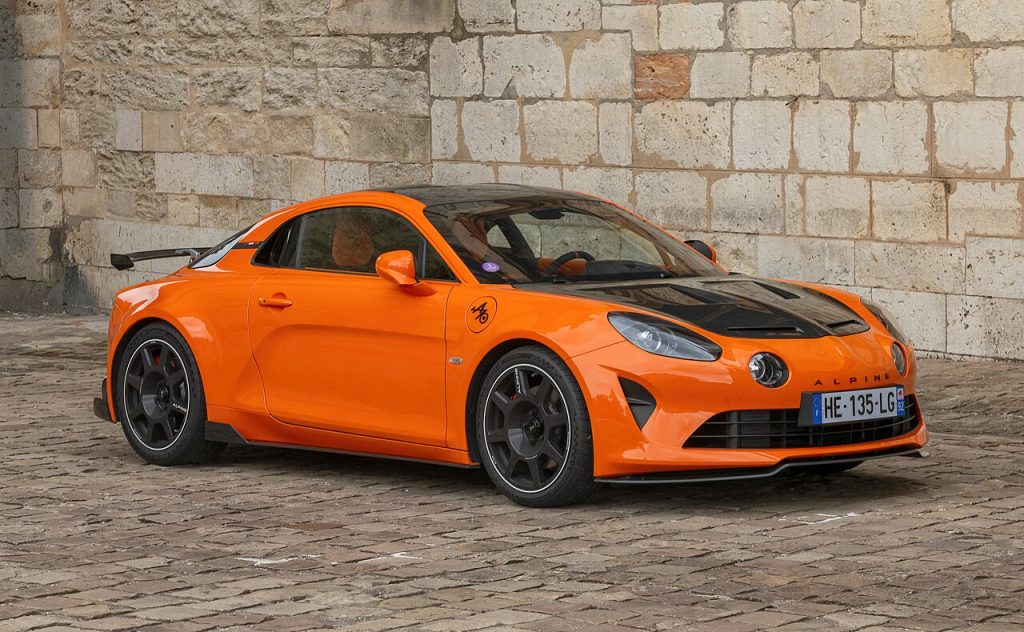
The bundled licensed photograph shows an orange R 70, not the white commemorative subset. Its caption identifies it as parent-series context and the record retains a publication hold for an authenticated licensed Blanc Glacier image. The orange picture should never be recoloured to simulate a missing white car. Visible credit and licence links stay attached to the reference. An individual subset feature should eventually include its own exterior, roof, cabin and identification images with appropriate rights records, so the visual evidence supports the specific factory configuration under discussion.
An evidence file that survives a transfer
Keep the factory documents, condition baseline, maintenance, repairs, changes of equipment and any supported appearances as a dated archive. Preserve original files alongside annotated working copies and back them up. Explain gaps directly rather than allow a future owner to inherit an unsupported claim. For a small commemorative subset, the strength of the individual file is central to understanding what the car represents. The guide supplies the parent and subset context; the documents connect it to the actual machine. That combination supports collecting research without pretending the announced allocation is a complete survival census.
Frequently asked questions
How many Blanc Glacier subset cars were announced?
Seventy, included within the R 70 parent-series limit of 770.
Does any white R 70 qualify automatically?
No. Factory records should establish the exact commemorative subset specification.
Is the completed subset total verified here?
No. The announced allocation is preserved separately from an unresolved completed-build census.
Does the supplied photo show the white subset?
No. It is a labelled orange parent-series reference; a licensed authenticated Blanc Glacier photograph remains required.
Explore related Alpine profiles
Sources
- Alpine: 2025 A110 R 70, tricolour subsets and GTS launch specification
- Alpine: later A110 range and final ordering phase, November 2025
Historical statements follow the linked manufacturer and competition-programme records. Inspection and collecting guidance is editorial analysis. Individual catalogue claims remain attributed to the relevant car and source.
Photography and credit
Orange A110 R 70 parent-series reference only; this is not a Blanc Glacier tricolour-subset photograph. A licensed authenticated white-subset photo remains a publication hold. Photo: Rolf Kranz / Wikimedia Commons · CC BY-SA 4.0. Wikimedia thumbnail resized from the original; no cropping or colour changes.
Why this machine matters
The Alpine A110 R 70 Blanc Glacier is the white tricolour subset within the 2025 anniversary series. Its announced allocation is seventy, included in the parent R 70 limit of 770. Factory documentation must distinguish the commemorative subset from an ordinary white specification.
Built in limited numbers
The manufacturer’s announced white-subset allocation is seventy, nested in the parent-series offering of 770. Record both figures with their scope, without adding the subset on top. Neither allocation is entered as an independently reconciled completed-production census in this profile. A later chassis register should distinguish orders, completed cars and surviving vehicles. This preserves the numerical rarity story while preventing one number from pretending to describe every stage of the programme. An individual vehicle’s subset membership still needs its own evidence, even when the announced cap is clear.
Gallery
Specifications
Factory specifications may vary by model year, market and configuration.
Identity & production
- Official model
- Alpine A110 R 70 Blanc Glacier
- Base model
- A110 II
- Country of manufacture
- France