Alpine A390 beta
The Alpine A390 beta is the 2024 electric sport-fastback show car. It previews a new body style for the marque while exploring a distinctive cabin, lighting and aerodynamic presentation. The concept remains separate from the later customer A390 and its production technical data.
The Alpine A390 beta is the 2024 electric sport-fastback show car. It previews a new body style for the marque while exploring a distinctive cabin, lighting and aerodynamic presentation. The concept remains separate from the later customer A390 and its production technical data.
Alpine A390 beta at a glance
| Manufacturer | Alpine |
|---|---|
| Model family | Concept |
| Profile scope | Concept archive |
| Inventory reference | ALP-095 |
| Programme technology | Electric concept; installed running specification not inferred |
A sport-fastback preview in 2024
Alpine published the A390 beta design reveal on 11 October 2024, before its Paris Motor Show presentation. The show car previewed the next element of the brand’s electric range. Its profile belongs to that design moment, even though the eventual road model shares the basic name. Start an archive entry with the concept designation and date so readers understand which vehicle they are seeing. That prevents a later equipment update or production test report from silently becoming a fact about the original exhibition object.
The silhouette and its design vocabulary
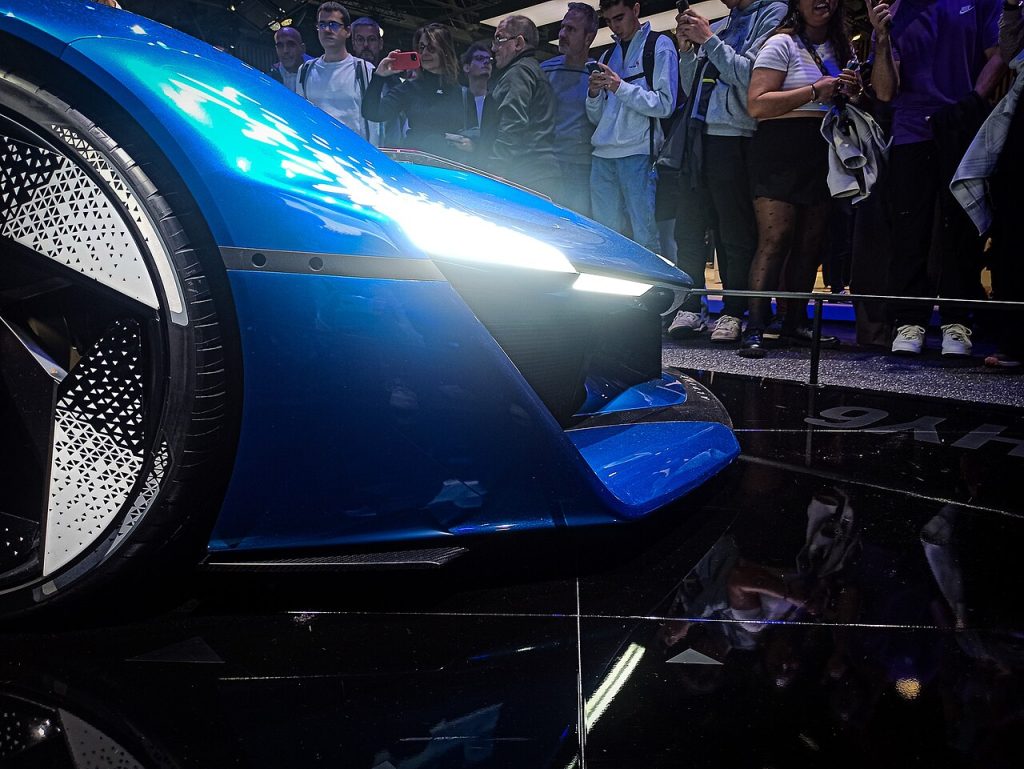
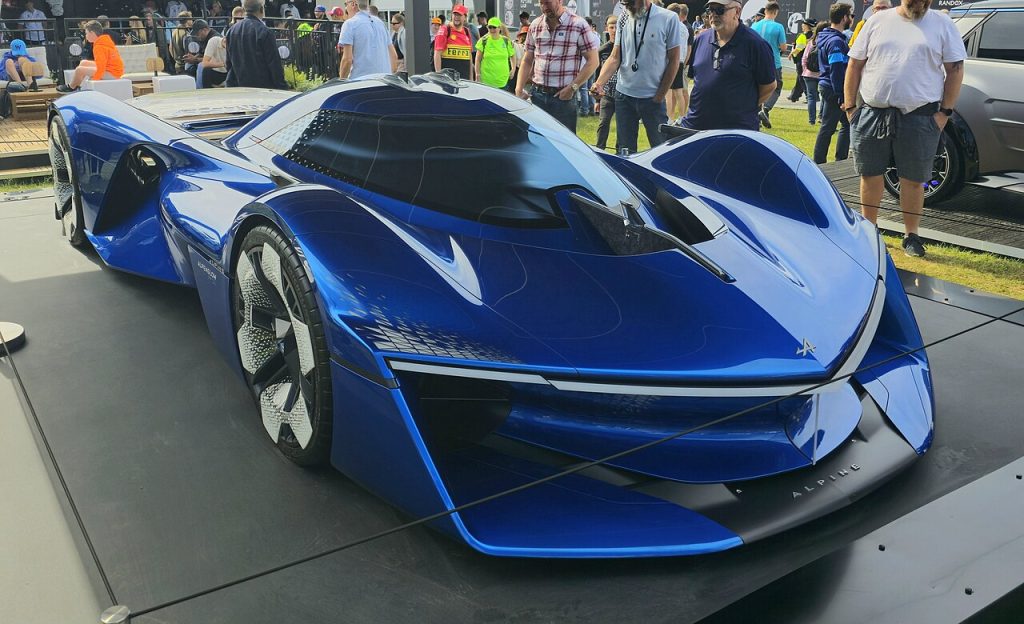
The reveal describes Bleu Specular paint, fine light bars and illuminated triangular details, with inspiration drawn from mountain landscapes. These ideas are part of the manufacturer’s design explanation rather than evidence about how an individual surviving body was made. A useful visual account examines several dated views and distinguishes observable features from the designer’s stated intention. Colour can change markedly with lighting, so identify it through the source rather than through a photograph alone. The result is a clearer description of the proposal without relying on a broad label such as futuristic.
A tail that changes the presentation
The concept account describes a rear light-strip arrangement capable of extending by 80 mm, shifting the presentation between short-tail and long-tail forms. Record this as a show-car design feature with its original scope. A catalogue should not imply that a production vehicle automatically inherited it. If an exhibition demonstrates the mechanism, preserve dated video and technical explanation where available. A static image can show a configuration but cannot verify the operating sequence. For an individual object, maintenance and functionality need their own inspection record, separate from the original reveal description.
Rarity: concept identity and physical continuity
The inventory uses a one-off description, while the reviewed public records establish the named show-car programme rather than a reconciled census of all physical objects. A design concept may be exhibited, altered or represented by more than one associated model. Leave the completed-production total blank until the scope is documented. If a museum or owner can establish continuity of one object, record that history explicitly without extending it to every piece of development material. This keeps a rare-object archive useful while protecting it from a count that is more precise than the evidence.
The cabin as a separate design proposition
Treat the interior as its own study rather than as a guarantee of customer-car equipment. Collect authenticated cabin views and label the functions that the sources actually describe. Materials, seating arrangements, controls and demonstration modes may have different levels of physical completion. A clear account can explain how the cabin expresses the show car’s intended role while leaving unverified operation open. For conservation, retain an inventory of detachable trim and associated display equipment. Those objects may become important to understanding a concept even when they seem peripheral to the exterior photograph.
Where later production information belongs
The subsequent A390 programme has its own testing and technical record. Link those sources as later context, with the date plainly visible, rather than backfilling the concept’s fields. A production battery, range rating or motor output answers a different question from the show car’s installed systems. Readers benefit from a comparison that identifies what was proposed and what was subsequently delivered. Where continuity cannot be shown, say so. This is a stronger editorial approach than giving the concept an apparently complete specification assembled from several stages of development.
Authentication for a surviving show car
A meaningful file should establish the object’s origin, identification, factory custody and any transfer or reconstruction. Include workshop information about alterations between exhibitions and retain photographs of the object before and after changes. Assess whether the present vehicle is the original display, a later derivative or a replacement constructed for another role. Each possibility deserves a precise description. The shared A390 name cannot answer these questions alone. Authentication should connect the physical object to the dated design programme through documents, rather than use visual similarity as the entire argument.
Conserving the illuminated surfaces
Create a condition record for lighting, glazing, finish, wheels and the body’s more delicate presentation features. Consult suitable specialists before cleaning or repairing materials whose construction is not evident from the outside. Document both the work and the reason for it. If replacement lighting or control components are needed, preserve information about the original system and any removed parts where practical. A concept’s exhibition effect may depend on equipment outside the vehicle itself, so include that equipment in the conservation inventory instead of assuming that the body alone tells the whole story.
An operating assessment suited to the object
A full-electric concept designation does not demonstrate that an individual display can be driven or charged in a production-car manner. Have qualified personnel establish its actual systems and current condition. Exhibition functionality, traction capability and road legality are separate matters. Keep the decisions about static display and powered demonstrations documented, including any factory support needed. This allows the vehicle to be interpreted responsibly without reducing the profile to a safety checklist. The collecting question is what the object actually is and can do, rather than what a future road model was intended to achieve.
Comparison with the compact A290 beta
The two beta concepts offer a useful comparison of scale, body role and intended use within Alpine’s design evolution. Describe those differences through their dated presentations and visible configuration. Do not use a later production performance comparison as a substitute for examining the show cars themselves. The relationship can be explained through naming and design purpose while each keeps its own exhibition chronology. A reader exploring the archive should come away understanding why these are two separate previews, rather than assume that beta denotes a numbered edition with one common technical specification.
The Paris image and linked rights record
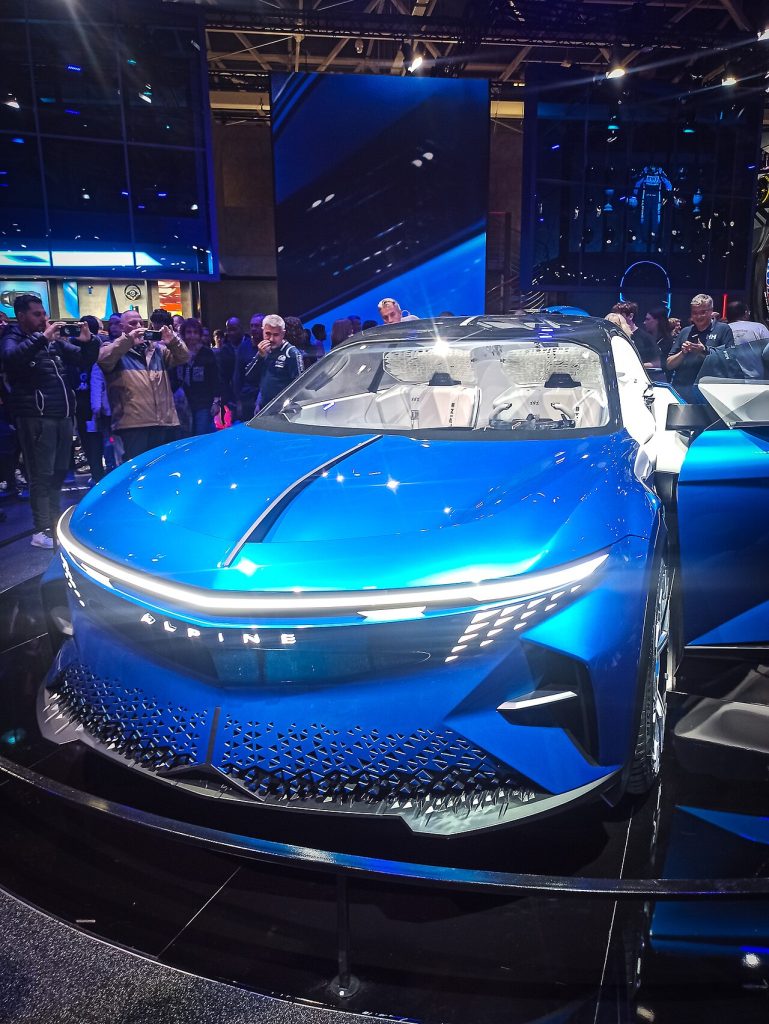
The bundled photograph is identified as the A390 beta at the 2024 Paris Motor Show. It illustrates the concept presentation rather than a later road-car delivery. Its author, Commons source and Creative Commons licence remain linked beneath the image. A display photo cannot establish a battery capacity, physical-object count or current working condition. Preserve the source caption when making derivative copies and record any changes. Further images should be checked for both model identity and rights so that a similar-looking production A390 does not quietly replace the show car in the gallery.
A useful archive entry beyond specifications
The lasting editorial purpose is to explain the proposal, its dated context and the evidence attached to a surviving object. Maintain links to related concepts and the later production programme without merging their identities. Keep research gaps visible and add new evidence with its own scope. This supports museum interpretation and collecting research even where a complete public technical specification is unavailable. A strong entry is not measured by how many empty fields can be filled; it gives readers a dependable account of what the car represents and how that account can be checked.
Frequently asked questions
What is A390 beta?
The 2024 electric sport-fastback show car, distinct from the later production A390.
Does the concept have the road car’s range rating?
A later production rating should not be assigned to the show car without concept-specific evidence.
Is its one-off total verified here?
No complete physical-object census was found in the reviewed public sources; the count remains unset.
What does the supplied photograph show?
The concept presentation at the 2024 Paris Motor Show, with photographer and licence credited.
Explore related Alpine profiles
Sources
- Alpine: A390 beta design reveal, October 2024
- Alpine: three world premieres at Paris 2024
- Alpine: later production A390 testing, December 2025
Historical statements follow the linked manufacturer and competition-programme records. Inspection and collecting guidance is editorial analysis. Individual catalogue claims remain attributed to the relevant car and source.
Photography and credit
Alpine A390 beta show car at the 2024 Paris Motor Show, not the later production A390. Photo: WikiGenesis / Wikimedia Commons · CC BY 4.0. Wikimedia thumbnail resized from the original; no cropping or colour changes.
Why this machine matters
The Alpine A390 beta is the 2024 electric sport-fastback show car. It previews a new body style for the marque while exploring a distinctive cabin, lighting and aerodynamic presentation. The concept remains separate from the later customer A390 and its production technical data.
Built in limited numbers
The inventory uses a one-off description, while the reviewed public records establish the named show-car programme rather than a reconciled census of all physical objects. A design concept may be exhibited, altered or represented by more than one associated model. Leave the completed-production total blank until the scope is documented. If a museum or owner can establish continuity of one object, record that history explicitly without extending it to every piece of development material. This keeps a rare-object archive useful while protecting it from a count that is more precise than the evidence.
Gallery
Specifications
Factory specifications may vary by model year, market and configuration.
Identity & production
- Official model
- Alpine A390 beta
- Base model
- Concept