Alpine A290 beta
The Alpine A290 beta is the electric hot-hatch show car unveiled in Bristol in May 2023. It previews the later production A290 while retaining a separate concept identity, including its distinctive three-seat arrangement. This profile corrects the inventory’s 2024 dating of the original reveal.
The Alpine A290 beta is the electric hot-hatch show car unveiled in Bristol in May 2023. It previews the later production A290 while retaining a separate concept identity, including its distinctive three-seat arrangement. This profile corrects the inventory’s 2024 dating of the original reveal.
Alpine A290 beta at a glance
| Manufacturer | Alpine |
|---|---|
| Model family | Concept |
| Profile scope | Concept archive |
| Inventory reference | ALP-090 |
| Programme technology | Electric concept; installed running specification not inferred |
The original reveal belongs to 2023
Alpine’s announcement dates the A290 beta unveiling to 9 May 2023, with Bristol identified in the preceding reveal notice. The inventory’s 2024 entry reflects the period of the production-car transition rather than the concept’s first presentation. Keeping both dates in their proper roles makes the development story easier to follow. An archive should retain the supplied row as evidence of its starting point while correcting the public profile from the primary record. A familiar production name can otherwise pull a show car into the wrong model year and obscure what it originally proposed.
What the beta name signals
Alpine describes beta as an intermediate development stage before the production vehicle’s planned 2024 launch. The concept is therefore a preview with its own identity, rather than a retail launch edition. Readers should be able to find it without treating every later A290 as the same rare object. Record the show-car name consistently, preserving the beta suffix in prominent text and search metadata. Where a source uses the Greek symbol, include the spelled-out form as an alternative for ordinary searches. Good naming connects the records without flattening their important differences.
A driver-centred three-seat proposal
The manufacturer’s May 2023 gathering report specifically identifies the show car’s three-seat configuration. That arrangement is a useful example of the concept’s freedom to explore an experience outside a conventional customer-car specification. A catalogue should illustrate the actual layout with authenticated cabin photographs when available, while keeping later production seating separate. The idea is significant as a design proposal even where practical production decisions differ. Explain what the show car demonstrates and what the reviewed evidence leaves open, rather than assuming that an unusual seating arrangement predicts every aspect of the eventual road model.
Rarity: a show car without a chassis census
The supplied inventory describes a single concept, but the reviewed public announcements do not reconcile every physical show object, running development car or spare structure. This record therefore keeps the concept identity verified while leaving a completed-production total unset. A unique design programme and a confirmed one-object manufacturing census are different claims. A future factory clarification could establish whether a particular exhibition object remained the same throughout its appearances. Until then, catalogue the dated vehicle and its evidence without turning the inventory’s shorthand into a verified global production figure.
Separating concept and production specifications
Do not fill missing show-car fields from a later production A290 brochure. Battery capacity, charging rate, motor output, range and retail equipment belong to the vehicle and date actually described. When a concept announcement is silent, an empty technical field is more accurate than a plausible-looking borrowed number. A comparison can still explain the direction of development through design and intended role. This is particularly useful for readers arriving through the shared model name: show them why the concept matters while making the boundary between proposal and delivered specification easy to understand.
Reading the exterior as a design study
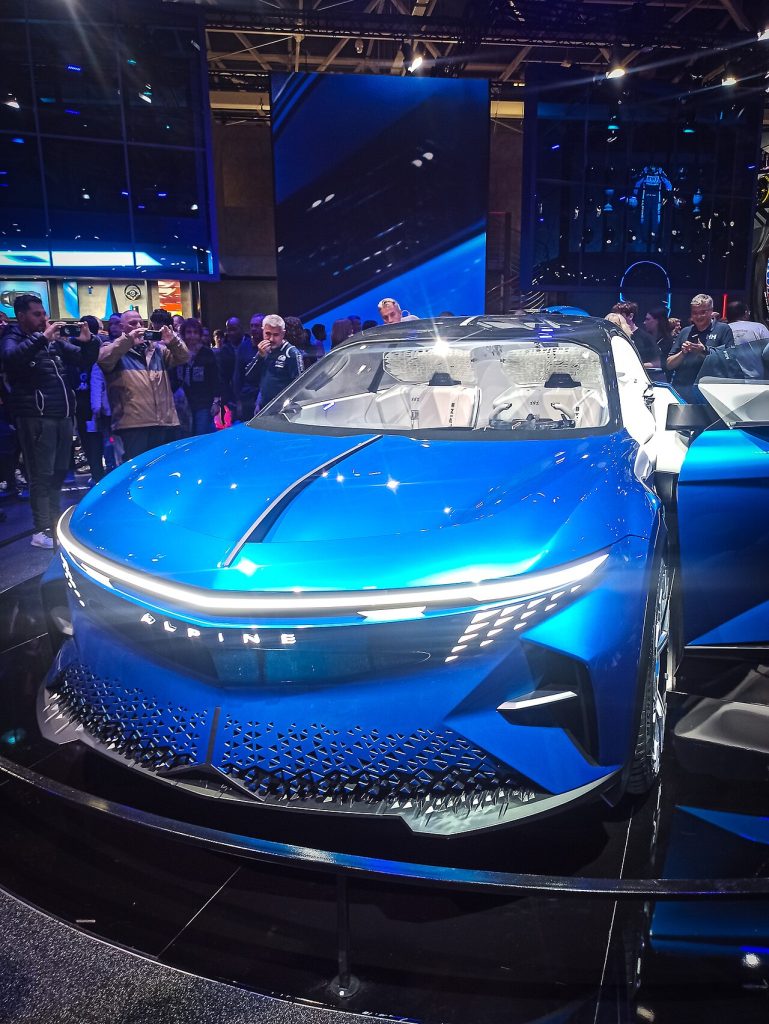
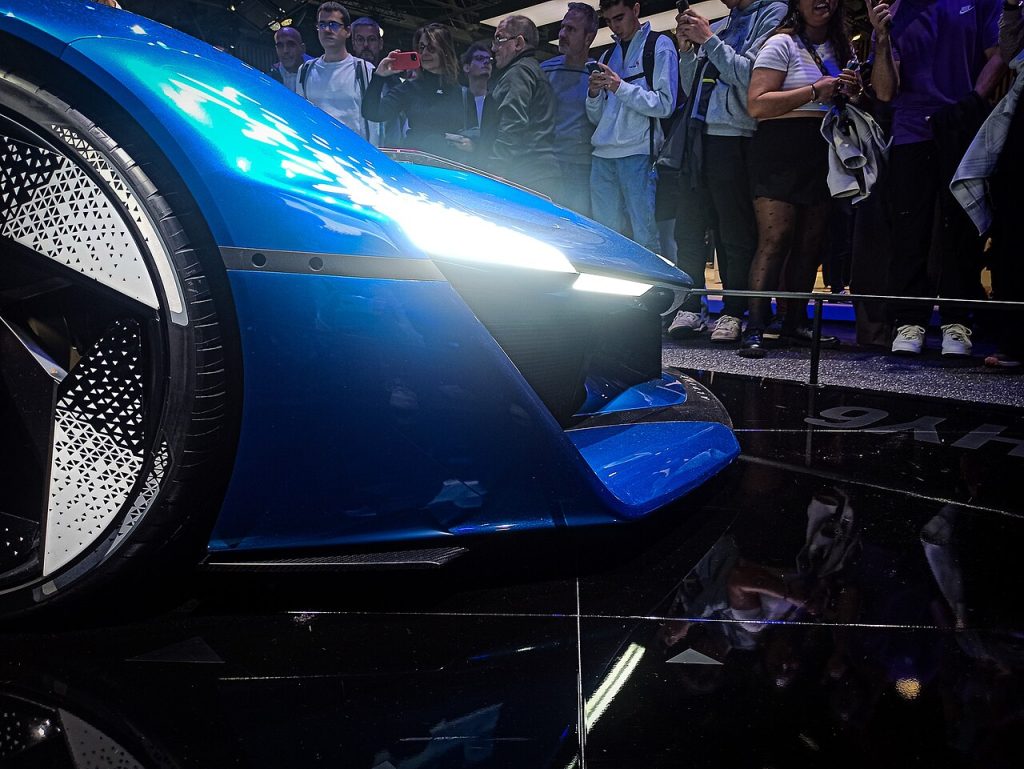
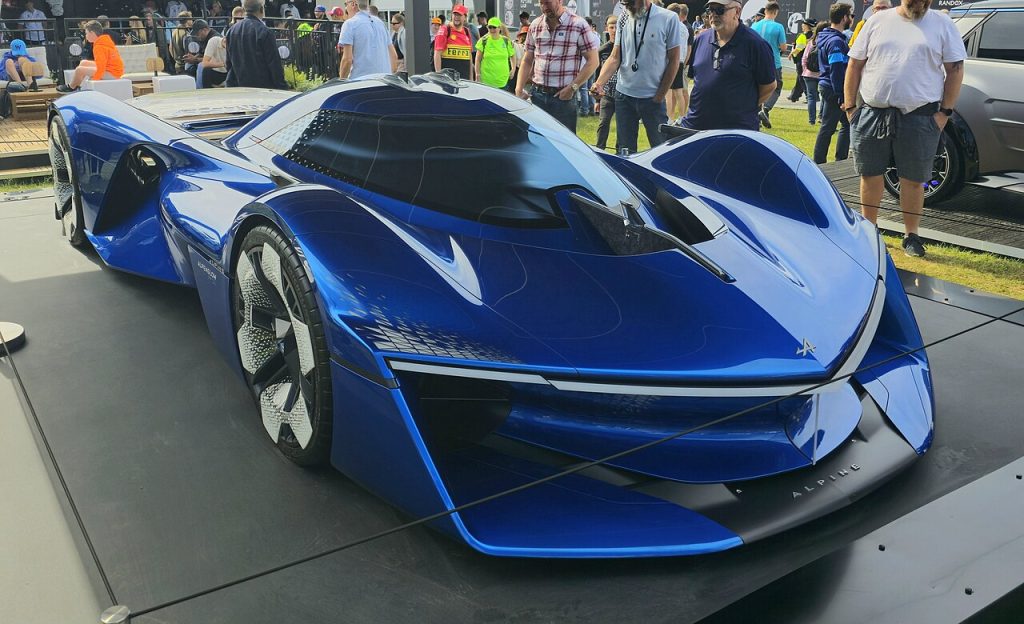
Study the body, glazing, lighting, wheels and aerodynamic treatment as a coordinated presentation. Dated views from several angles are more useful than an isolated dramatic photograph. Describe visible details without assuming that every surface or feature has a road-approved production function. Exhibition lighting and display preparation may affect how materials look. A careful design account can explain proportions and the relationship between the cabin and body while leaving technical operation to documented evidence. This lets the reader appreciate the object without confusing a designer’s exploration with a final homologated vehicle.
Building an exhibition chronology
Create a timeline of supported appearances with dates, locations, source links and photographs. Alpine’s Dieppe gathering account is one useful early record after the reveal. Further appearances should be added only when they can be identified independently. A changed setting or display label does not prove a new chassis, and a similar body does not prove uninterrupted physical continuity. Keep the chronology of the programme distinct from the ownership and movement history of an individual object. This approach makes future museum interpretation more precise and prevents gaps from being concealed by a smooth narrative.
Authenticating a surviving exhibition object
For an individual concept, seek factory identification, transfer documents, workshop records and a dated photographic trail. Establish whether the object is a running demonstrator, a static display, a later reconstruction or an associated styling model. Those categories can all be interesting, but they answer different collecting questions. Compare its present configuration with the period evidence and record modifications clearly. A familiar badge or shape is an opening clue, not a complete authentication file. The strongest account explains what survives physically and why the documents support that particular identity.
Conservation before operation
A concept needs a conservation plan suited to its actual construction and condition. An electric identity does not establish that the display object can safely be charged or driven. Qualified personnel should determine its systems, isolation requirements and support arrangements before any operation. Keep static exhibition care separate from running preparation. Ask about specialist parts, storage and the availability of original technical information. A museum or collector can preserve a valuable design object without demonstrating it under power; the decision should follow evidence about the machine rather than expectations created by its appearance.
Comparison with A390 beta and Alpenglow
These projects let an exhibition explore different questions within the same marque. Compare their stated roles, presentation dates and verified operating status, rather than ranking them by production-car specifications. A hot-hatch preview, a fastback study and a hydrogen research programme can share visual ideas while remaining separate objects. Explain the connection through supported design themes and dated manufacturer statements. This gives readers a useful route across the collection and avoids implying that every future-looking Alpine used the same technology or moved through the same development sequence.
The licensed photograph in this profile
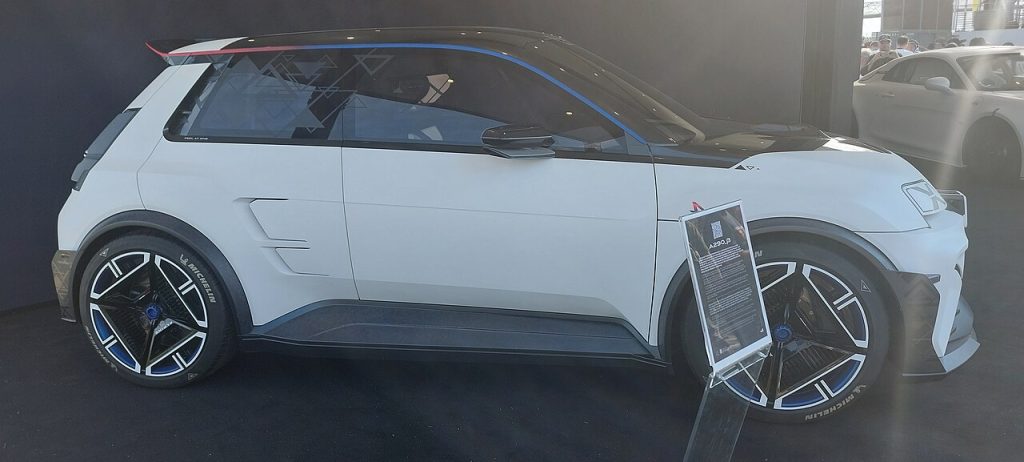
The supplied photograph’s source identifies the A290 beta on Alpine’s stand at Le Mans in June 2023. It shows the concept’s side presentation and carries an individual photographer’s Creative Commons licence. The caption keeps the show car separate from the later production hatchback. Preserve the source link and attribution with any reuse, including an edited image. The picture does not establish a chassis total or a current operational state. Additional cabin or identification images should have their own sources and rights records so the visual evidence remains as careful as the text.
How this concept belongs in a rare-car archive
Its value to an archive lies in the documented design proposal and transition it represents, with collecting guidance directed toward the actual surviving object. Link it to related concept guides and keep production variants in their own records. Avoid presenting the show car as a normally purchasable edition with a standard ownership package. A useful profile tells readers what was introduced, why the vehicle is distinct and what evidence would be needed to describe a particular object. That remains valuable even when no public sale or complete chassis register exists.
Frequently asked questions
When was A290 beta unveiled?
The primary reveal is dated 9 May 2023; the supplied inventory’s 2024 date is corrected here.
Is beta a production launch edition?
No. This record covers the show car previewing the later production A290.
Is one completed example independently confirmed?
The public material reviewed does not establish a complete physical-object census; the numerical field remains unset.
Can production A290 range data fill the concept fields?
No. Use technical figures only when documented for the concept itself.
Explore related Alpine profiles
Sources
- Alpine: A290 beta reveal, 9 May 2023
- Alpine: Bristol unveiling and 2024 production-car preview
- Alpine: A290 beta in Dieppe and its three-seat configuration, May 2023
Historical statements follow the linked manufacturer and competition-programme records. Inspection and collecting guidance is editorial analysis. Individual catalogue claims remain attributed to the relevant car and source.
Photography and credit
Alpine A290 beta concept on Alpine’s stand at Le Mans in June 2023, identified by the photographer; not a production A290. Photo: Bwuiqolv / Wikimedia Commons · CC BY-SA 4.0. Wikimedia thumbnail resized from the original; no cropping or colour changes.
Why this machine matters
The Alpine A290 beta is the electric hot-hatch show car unveiled in Bristol in May 2023. It previews the later production A290 while retaining a separate concept identity, including its distinctive three-seat arrangement. This profile corrects the inventory’s 2024 dating of the original reveal.
Built in limited numbers
The supplied inventory describes a single concept, but the reviewed public announcements do not reconcile every physical show object, running development car or spare structure. This record therefore keeps the concept identity verified while leaving a completed-production total unset. A unique design programme and a confirmed one-object manufacturing census are different claims. A future factory clarification could establish whether a particular exhibition object remained the same throughout its appearances. Until then, catalogue the dated vehicle and its evidence without turning the inventory’s shorthand into a verified global production figure.
Gallery
Specifications
Factory specifications may vary by model year, market and configuration.
Identity & production
- Official model
- Alpine A290 beta
- Base model
- Concept