Alpine A110 GTS Bleu Paon launch colour
The Alpine A110 GTS Bleu Paon record covers the heritage-blue launch presentation of the 2025 GTS. It is a documented factory colour specification, not a confirmed numbered edition. Its exact scoped production count remains unresolved, so this guide stays an archive review draft.
The Alpine A110 GTS Bleu Paon record covers the heritage-blue launch presentation of the 2025 GTS. It is a documented factory colour specification, not a confirmed numbered edition. Its exact scoped production count remains unresolved, so this guide stays an archive review draft.
Alpine A110 GTS Bleu Paon launch colour at a glance
| Manufacturer | Alpine |
|---|---|
| Model family | A110 II |
| Profile scope | Factory derivative archive |
| Inventory reference | ALP-101 |
The GTS launch and the heritage colour
Alpine’s February 2025 range announcement presents the GTS in Bleu Paon, described as a limited heritage-catalogue colour. The later range account places GTS as the replacement for GT and S. That establishes a named factory presentation without defining a numbered colour edition or a completed-build total. The profile therefore focuses on the launch specification rather than the entire GTS population. For readers, the distinction explains why a particular colour configuration can be interesting while still requiring additional evidence before it qualifies under a numerical rare-car rule.
Rarity: limited colour is not a counted edition
The reviewed releases do not provide a worldwide total for GTS cars delivered in Bleu Paon, a plaque range or a separate colour-specific allocation. Limited availability and a limited number are different scopes. Leave the completed-production and edition-limit fields empty rather than substitute the total for another A110 version. The site’s 7,500-car ceiling remains an eligibility question for this exact specification. A future factory statement or documented register could strengthen the case; the current guide should preserve the question instead of presenting the colour alone as proof of numerical rarity.
The specification must follow the actual order
Use the original order and delivery file to establish the model, paint, interior and optional equipment. A visible blue finish can suggest the right theme, but it cannot independently identify the factory colour or explain how the car was delivered. Photographs can change the apparent hue substantially. Ask for the paint reference in the documents and compare it with the physical inspection. If the body was refinished or wrapped, record that history separately. This approach keeps a factory launch configuration distinct from a later visual interpretation of it.
A range derivative with individual equipment choices
The launch account positions GTS around a combination of performance and everyday use. For collecting purposes, catalogue the delivered equipment rather than assume every launch-colour car has identical seats, wheels, aerodynamic parts or trim. Separate standard specification from options and later modifications. An edition-style title should not flatten a range derivative into one uniform build. Readers benefit from a concrete equipment list tied to the individual vehicle. It also makes comparisons more useful, because two cars with a shared colour can differ in preparation, intended use and the quality of their documentary files.
Authenticating the colour and delivery identity
Correlate VIN, invoice, build information, paint code and early photographs. Keep any factory correspondence about availability or the original order with the file. Legal registration may establish the vehicle’s identity without naming every cosmetic option, so use it alongside the specification records. Where those records disagree, seek clarification rather than allow the most attractive description to win. A strong account can explain both the genuine GTS identity and the colour’s original scope. That is more meaningful than assuming a present-day appearance proves a particular launch-period manufacturing history.
Inspecting paint in consistent conditions
Assess the finish with repair documents available and lighting that allows neighbouring panels to be compared fairly. A specialist should interpret differences in the context of construction, refinishing and protective films. Record stone damage, cosmetic repair and structural work as different issues. Do not infer authenticity or condition from one flattering photograph. A dated set of unfiltered images creates a useful baseline for later ownership. Where panels were repainted, explain the work and whether the factory colour was retained. The collecting story is strongest when the finish history is clear rather than reduced to an original-or-not label.
Mechanical condition remains the individual question
Review service records, actual fitted components, transmission, braking, suspension, cooling and structural condition with a suitable specialist. The launch colour does not establish how the car was used or maintained. Mileage is one part of the file, not a complete condition measure. Keep evidence of track preparation, replacement parts and modifications alongside routine servicing. A useful ownership account explains the current car and its maintenance needs in concrete terms. It should allow a reader to understand both the factory specification being collected and the physical machine that would need to be preserved or driven.
Options, changes and the collecting narrative
If seats, wheels, exhaust, software or aerodynamic pieces changed after delivery, document the original and present configurations. Retain removed material and receipts where practical, especially where they clarify the factory presentation. A modification may suit use while altering how the car is interpreted. The archive can describe both without implying that a modified car has become a different factory colour edition. Clear records also help future custodians make informed restoration decisions. Avoid a broad claim such as fully upgraded when the actual components and their dates would provide more useful information.
Comparison with the numbered R 70
A launch-colour GTS and a numbered anniversary series answer different rarity questions. Compare the factory ordering scope, documentation, delivered configuration and intended role. Keep a confirmed announced edition cap in a different column from an unresolved colour-production count. The visual appeal of either car does not make those figures interchangeable. A collecting decision should also consider condition and the intended ownership experience. The comparison is useful when it explains how factory colour, model derivative and numbered series interact, rather than assign a ranking based on labels that describe different kinds of exclusivity.
What an eligibility review would need next
Seek a scoped manufacturer statement about the exact colour specification or a reliable register built from documented cars. It should distinguish orders, completed vehicles, markets and dates, avoiding duplicate entries or assumptions from photographs. If a limited ordering period is relevant, establish its start and end through records rather than invent a closing date. Until the count is resolved, retain the archive status and avoid an unsupported production badge. This preserves a useful research entry while respecting the site’s numerical rule and making the next evidential step concrete.
The reference photograph is deliberately qualified
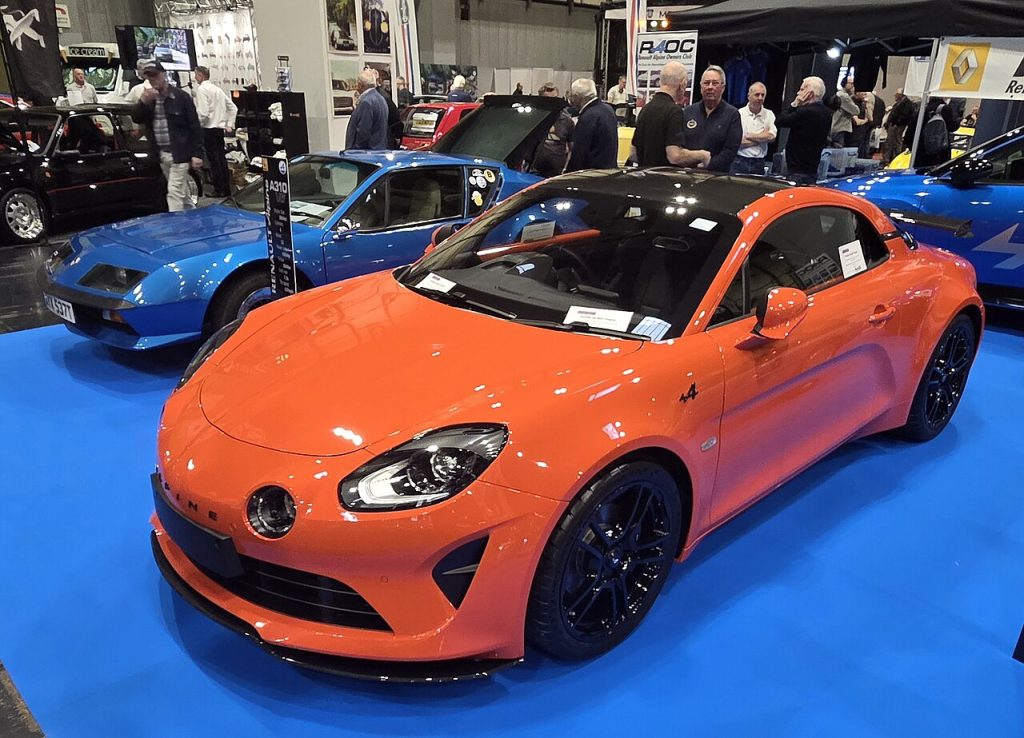
The supplied licensed image shows a modern A110 at the 2025 NEC show in orange. It is family context only, not a verified photograph of the GTS Bleu Paon launch specification. Its caption says so, and a colour-specific authenticated licensed image remains a publication hold. Do not recolour the picture to simulate the missing vehicle. Preserve the source, author and licence beneath the reference. An individual profile should eventually use an accurately identified car with original rights documentation so that the visual evidence matches the identity discussed in the text.
Keeping a useful archive without inventing an edition
The guide can explain the documented launch presentation, how to authenticate it and what remains uncertain without converting it into a numbered limited edition. Link the record to related factory derivatives and anniversary cars while keeping its own status visible. Update it when a stronger scoped count or appropriate photograph becomes available. A rare-vehicle archive should remain able to recognise an interesting factory configuration and still withhold a numerical qualification. That makes the work useful for research and future review while protecting readers from a collecting claim the public evidence has not established.
Frequently asked questions
Is Bleu Paon a confirmed numbered edition?
The reviewed factory releases establish a limited heritage-colour presentation, without a numbered edition cap.
Is its production total verified?
No. The exact scoped count is unresolved, and numerical eligibility remains held for review.
Can blue paint alone authenticate the specification?
No. Match the factory colour reference and delivery equipment to original records and inspection.
Does the bundled photograph show Bleu Paon?
No. It is an explicitly labelled orange A110 family reference; a specification-specific photo is still needed.
Explore related Alpine profiles
Sources
- Alpine: 2025 A110 R 70, tricolour subsets and GTS launch specification
- Alpine: later A110 range and final ordering phase, November 2025
Historical statements follow the linked manufacturer and competition-programme records. Inspection and collecting guidance is editorial analysis. Individual catalogue claims remain attributed to the relevant car and source.
Photography and credit
Modern A110 family reference at the 2025 NEC show; orange presentation, not verified as the GTS Bleu Paon launch specification. Colour-specific licensed photo remains a publication hold. Photo: Andrea Boano / Wikimedia Commons · CC BY 4.0. Wikimedia thumbnail resized from the original; no cropping or colour changes.
Why this machine matters
The Alpine A110 GTS Bleu Paon record covers the heritage-blue launch presentation of the 2025 GTS. It is a documented factory colour specification, not a confirmed numbered edition. Its exact scoped production count remains unresolved, so this guide stays an archive review draft.
Built in limited numbers
The reviewed releases do not provide a worldwide total for GTS cars delivered in Bleu Paon, a plaque range or a separate colour-specific allocation. Limited availability and a limited number are different scopes. Leave the completed-production and edition-limit fields empty rather than substitute the total for another A110 version. The site’s 7,500-car ceiling remains an eligibility question for this exact specification. A future factory statement or documented register could strengthen the case; the current guide should preserve the question instead of presenting the colour alone as proof of numerical rarity.
Gallery
Specifications
Factory specifications may vary by model year, market and configuration.
Identity & production
- Official model
- Alpine A110 GTS Bleu Paon launch colour
- Base model
- A110 II