Alpine A110 1600 SX
The Alpine A110 1600 SX is the final French-production Berlinette variant, pairing the familiar compact body with a 1,647 cc Renault-derived engine. Its appeal is the closing chapter of the original A110, with authenticity determined by variant evidence rather than rally-style appearance.
The Alpine A110 1600 SX is the final French-production Berlinette variant, pairing the familiar compact body with a 1,647 cc Renault-derived engine. Its appeal is the closing chapter of the original A110, with authenticity determined by variant evidence rather than rally-style appearance.
Alpine A110 1600 SX at a glance
| Manufacturer | Alpine |
|---|---|
| Model family | A110 |
| Profile scope | Historic road-model variant |
| Inventory reference | ALP-035 |
| Engine reference | Renault-derived naturally aspirated inline four-cylinder |
| Displacement | 1647 cc — scoped heritage specification |
The final Berlinette chapter
The 1600 SX is associated with the end of original A110 production in Dieppe. Alpine’s 2026 Rétromobile release uses a 1977 SX to tell that final chapter, while the supplied inventory assigns this variant a 1976 reference year. A model-year entry and the date of a particular car’s delivery need not be identical. For a collector, the interesting point is the SX’s place at the end of the French Berlinette story. It should be identified as its own road variant rather than treated as a generic 1600 S.
Engine and transmission reference
Alpine’s 2026 description gives the exhibited SX a rear-mounted longitudinal four-cylinder engine of 1,647 cc, 95 horsepower and a five-speed manual transmission driving the rear wheels. The displacement is the useful distinguishing reference; the rounded 1600 badge is not a precise capacity statement. These are manufacturer heritage specifications for the described SX, not a dyno result for the photographed car. When inspecting another example, compare the engine identification and installed induction with its documents before entering power or displacement as verified current-car facts.
Chassis, body and suspension
The same manufacturer account describes a backbone chassis with fiberglass and polyester bodywork, four-wheel independent suspension, double wishbones front and rear and four disc brakes. It quotes 790 kg and 195 km/h for the exhibited car. The structure and suspension are more useful to a collector than treating the top-speed figure as a promise. Ask whether a restored example retains the expected rear suspension arrangement and how its chassis has been repaired. A familiar body shape can conceal substantial mechanical or structural differences beneath it.
SX versus S, SC and SI
A110 names are easy to collapse into one broad enthusiast shorthand. That loses the distinction between earlier 1600 S cars, later SC and SI variants and the final SX. Authentication should start with the identification records and the configuration expected for the relevant build period. A twin-carburettor conversion, competition wheels or rally lamps may make a car look sportier without changing its factory identity. Keep the original variant in the title and describe modifications separately. This is especially important when comparing cars whose asking prices depend on a claimed specification.
Production and rarity
An exact completed-production total for the SX alone has not been established in the reviewed evidence. The figure for all French A110s cannot be entered as though it were an SX total, and licensed Berlinettes built elsewhere have their own production histories. This profile therefore leaves the numeric total unset. Its qualification is the verified late variant and its historical role, not an invented numbered edition. A claim that a particular car is the last one made requires chassis-specific evidence; it cannot be inferred simply because the model is an SX.
The green final car and ordinary SXs
Alpine’s 2026 heritage description identifies a green 1977 car retained by its original owner and presents it as a final Dieppe Berlinette. That is a story about that car. It does not make every green SX a final-production example, nor does it imply that the blue car in this profile shares the same provenance. Paint colour is one piece of evidence, especially when supported by original documents. It should remain separate from build order, ownership history and claims about the end of a production line.
Inspecting the backbone and body
Arrange a specialist inspection that looks beyond the exterior finish. Examine accessible chassis sections, mounting points and the quality of previous repair work. Inspect the composite body for signs of damage and restoration, comparing panel fit with photographs taken during the work. Ask how the relationship between the body and chassis was preserved or reconstructed. Keep structural findings separate from cosmetic ones: an appealing paint finish does not demonstrate the condition of concealed metal, and an old composite repair is not automatically a reason to reject a car.
Mechanical identity and usability
Review engine and gearbox invoices, service records and the history of any specification changes. Check starting, cooling, oil leaks, clutch operation and gear selection during an appropriately arranged inspection. Assess brakes, steering and suspension before assuming the car is ready for road use. For a modified SX, ask whether the changes were designed and documented as a coherent package. An engine upgrade may alter cooling or driveline demands. The right assessment follows the equipment actually installed, while the factory identity remains anchored in the car’s build records.
Interior details worth preserving
Trim, instruments, seats, switches and small fittings can help explain how an SX was delivered and how it has been used. Photograph them before restoration and keep original pieces when practical. Distinguish replacement trim made to an appropriate pattern from surviving period material. Rally-style interiors are a legitimate part of some cars’ later history, but they should not be described as factory works specification without evidence. A documented road interior can be as historically informative as a competition-inspired presentation, particularly for a final-series variant.
Choosing an SX for a collection
The SX suits a collection interested in how a successful sports-car design matured and eventually left production. It offers a different historical emphasis from a works rally A110. Compare examples on identity, structural condition, completeness and the quality of the history file before allowing colour or added equipment to dominate the decision. An original-specification road car and a carefully documented modified car answer different collecting goals. Establish which story you want to preserve, then assess how honestly and completely the offered car tells it.
Photography and the variant boundary
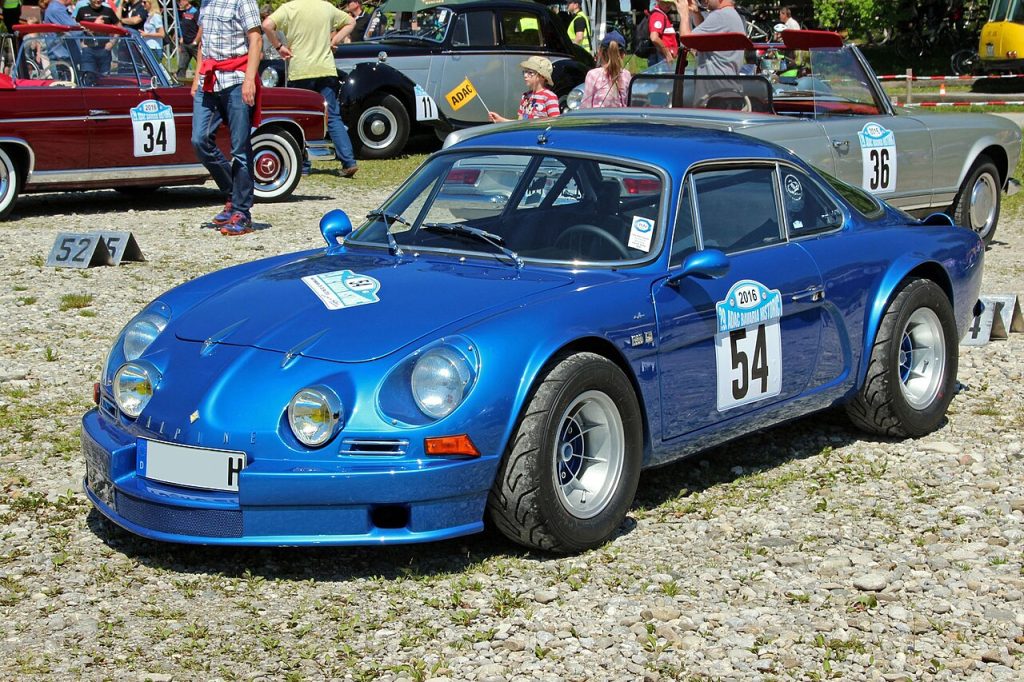
The bundled image is identified by the photographer as an A110 1600 SX and was taken in Germany in 2016. It represents the variant; it is not a photograph of the manufacturer’s green final-production car. That distinction is retained in the visible caption. For a vehicle-specific profile, additional photographs should show identification, engine installation, suspension and restoration evidence. Those images can answer questions a general exterior photograph cannot, while preserving the separate purpose of the credited model illustration used here.
Frequently asked questions
What engine capacity does the 1600 SX use?
Alpine’s cited SX heritage specification is 1,647 cc. The 1600 model name is rounded rather than an exact displacement figure.
Is an SX a 1600 S with a different badge?
The SX is a distinct late variant. Factory identification and the correct mechanical configuration matter more than a familiar exterior shape.
How many SXs were made?
An exact SX-only completed total has not been confirmed here. No whole-family A110 count is substituted for it.
Is the pictured car the last A110 made in Dieppe?
No such provenance is claimed. It is a representative SX photographed in 2016, separate from the green 1977 car discussed in Alpine’s heritage release.
Explore related Alpine profiles
Sources
- Alpine: A110 1600 SX at Rétromobile, 2026
- Club Alpine Dieppe: A110 chronology
- Renault Group: Alpine blue and the A110-50 concept
Historical statements follow the linked manufacturer, club, register and game-project records. Inspection and collecting guidance is editorial analysis. Individual catalogue claims remain attributed to the relevant car and source.
Photography and credit
Alpine A110 1600 SX photographed in Bad Aibling in 2016; representative example, not the final Dieppe-built Berlinette. Photo: Steffs88 / Wikimedia Commons · CC BY-SA 4.0. Wikimedia thumbnail resized from the original; no cropping or colour changes.
Why this machine matters
The Alpine A110 1600 SX is the final French-production Berlinette variant, pairing the familiar compact body with a 1,647 cc Renault-derived engine. Its appeal is the closing chapter of the original A110, with authenticity determined by variant evidence rather than rally-style appearance.
Built in limited numbers
An exact completed-production total for the SX alone has not been established in the reviewed evidence. The figure for all French A110s cannot be entered as though it were an SX total, and licensed Berlinettes built elsewhere have their own production histories. This profile therefore leaves the numeric total unset. Its qualification is the verified late variant and its historical role, not an invented numbered edition. A claim that a particular car is the last one made requires chassis-specific evidence; it cannot be inferred simply because the model is an SX.
Gallery
Specifications
Factory specifications may vary by model year, market and configuration.
Identity & production
- Official model
- Alpine A110 1600 SX
- Base model
- A110
- Country of manufacture
- France
Powertrain & performance
- Engine
- Renault-derived naturally aspirated inline four-cylinder