Skip to content
Rarity Rides — Rare machines. Remarkable stories.
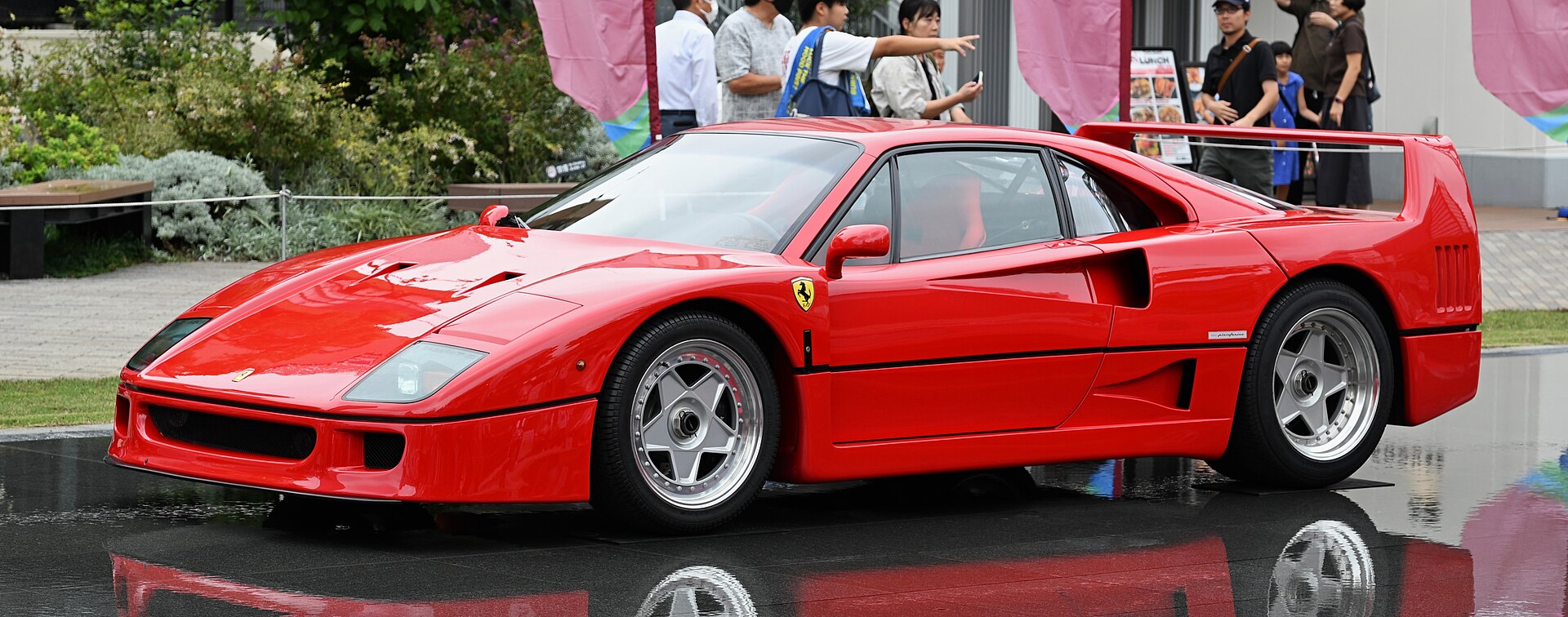
Ferrari F40

Rarity Rides / The Discovery Atlas

Road Water Beyond

A rare ride.
Your kind of remarkable.

A favourite badge. An unforgettable era. An idea ahead of its time. Find the machines that speak to you.

1,855vehicle profiles
63manufacturers
7vehicle types
A place to beginFerrari F40Discover the machine

YOUR NEXT GREAT DISCOVERY

Find your rare ride.

Follow what moves you. Three simple choices, a collection of remarkable possibilities.

01 / THE MACHINEWhere does your curiosity take you?

Choose a vehicle type, or keep every possibility open.

02 / THE SETTINGA favourite badge. A different time.

Follow a manufacturer, explore an era, or leave either choice open.

Start with a name you know. You might discover a machine you have never seen.

03 / THE DISTINCTIONWhat makes it extraordinary?

Discover a rarity class or narrow the collection by its recorded programme size.

Numbers retain their meaning: completed totals, manufacturer figures and announced limits are labelled separately. Concepts and competition archives sit outside numerical bands.

More ways to refine
Start fresh

THE COLLECTION

Worth a closer look.

1,855 profiles

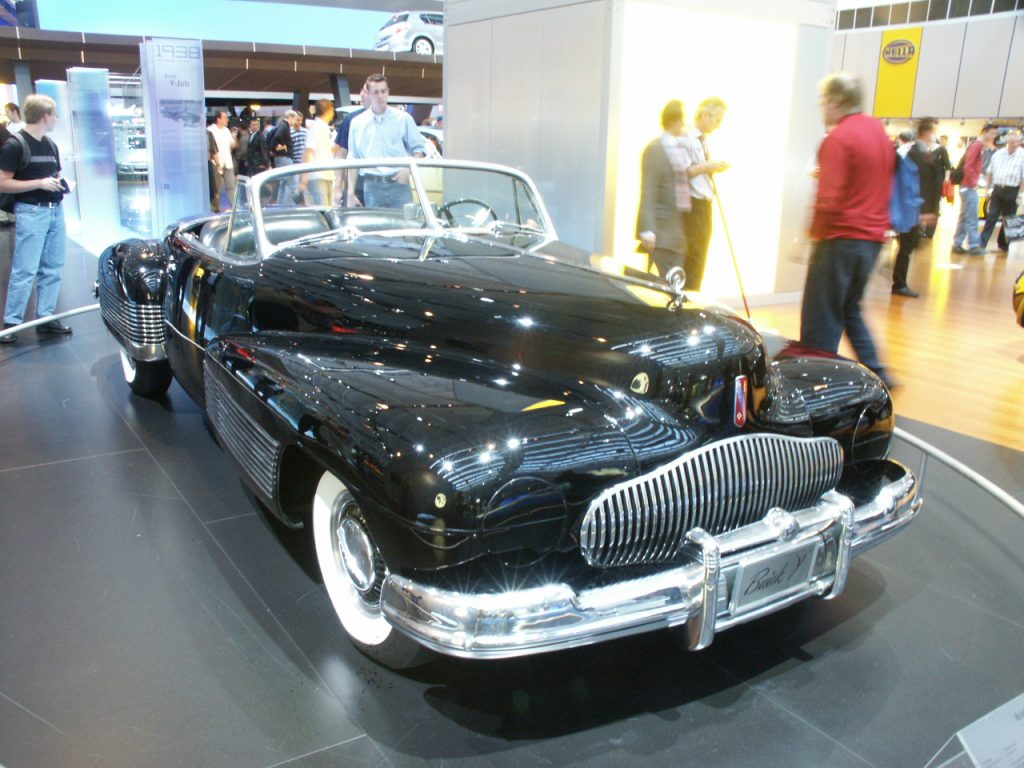
Buick 1938

1938 Buick Y-Job

1938 Buick Y-Job brings a documented physical design experiment into Buick’s history. This profile explains its history, specification, production scope and collector significance with named sources and credited photographs.

Programme archiveRead profile
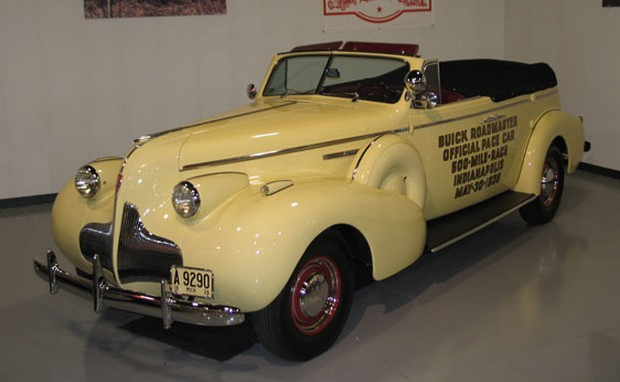
Lincoln 1939

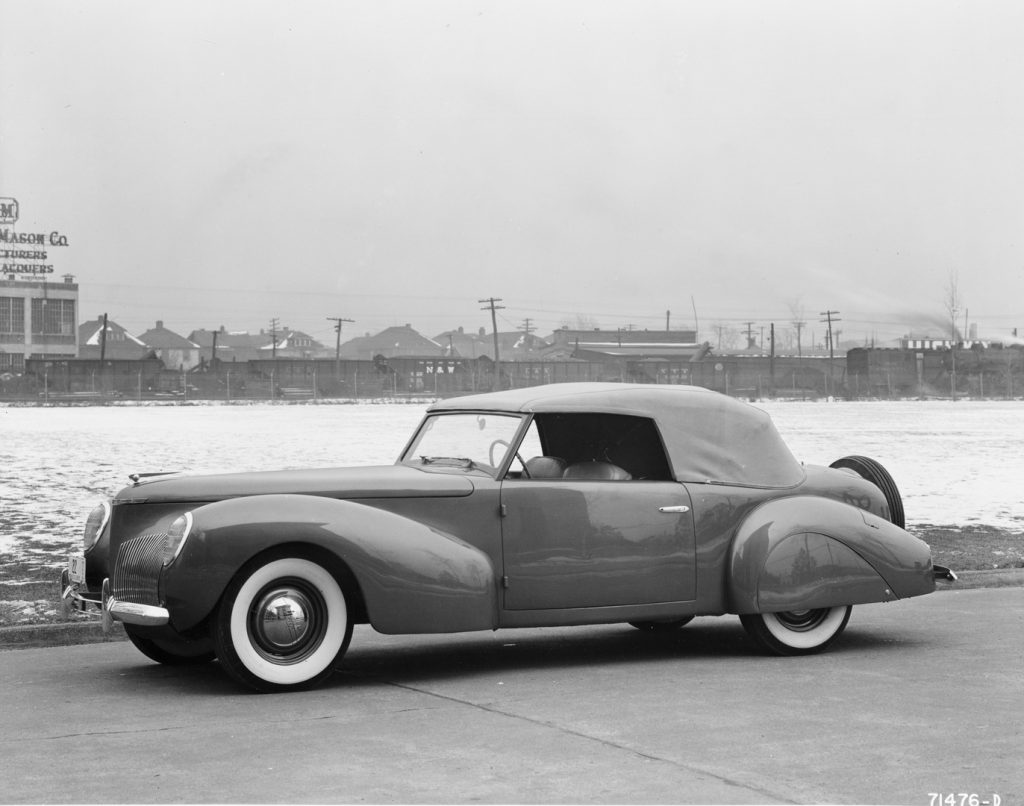
1939 Lincoln Continental Prototype for Edsel Ford

Before Continental became a production name, Edsel Ford’s personal prototype established its distinctive proportions. This archive follows that original 1939 car through a period photograph, rather than presenting a later production cabriolet…

Programme archiveRead profile
THE RARITY RIDES STANDARD

Documentation before the number.

A limited offer is not automatically a completed-production total. A surviving vehicle is not a complete factory census. We keep those distinctions visible and link each collection back to the individual profile’s evidence.

Our editorial approach