Alpine Alpenglow Concept
The original Alpine Alpenglow is the 2022 concept manifesto that explored a future design direction and hydrogen-combustion ideas. It precedes the running Hy4 and Hy6 demonstrators and should be catalogued without importing their later technical specifications.
The original Alpine Alpenglow is the 2022 concept manifesto that explored a future design direction and hydrogen-combustion ideas. It precedes the running Hy4 and Hy6 demonstrators and should be catalogued without importing their later technical specifications.
Alpine Alpenglow Concept at a glance
| Manufacturer | Alpine |
|---|---|
| Model family | Alpenglow |
| Profile scope | Concept archive |
| Inventory reference | ALP-081 |
| Technology proposal | Hydrogen-combustion concept; installed running specification not established |
The original concept belongs to 2022
Alpine revealed Alpenglow digitally on 13 October 2022 and announced its public Paris Motor Show premiere for 17 October. Those dates distinguish the first presentation from the later running prototypes. The original project’s purpose was to communicate design and technology direction across future road and competition vehicles. It therefore belongs in a concept archive rather than a customer production-car list. A model record should retain the original year even when the name appears again on an evolved object at a subsequent motor show or demonstration.
A manifesto rather than a finished customer specification
Alpine described Alpenglow as a statement of its future direction. That language explains its role but does not establish that every proposed feature was installed and functional on the public exhibit. A concept can make an engineering ambition visible while leaving technical questions unresolved. This profile records the proposal separately from verified running capability. A serious physical-object catalogue should identify what was fabricated, what operated and what remained a representation, using project documentation rather than turning presentation language into a complete mechanical specification.
Hydrogen combustion is the stated direction
The original announcement connects Alpenglow with hydrogen technology, while the later dynamic-version release explicitly identifies a hydrogen-powered internal-combustion engine. That development direction is different from assuming a hydrogen fuel-cell electric drivetrain. It is also different from proving that the 2022 exhibit ran with the later engine. The archive keeps those distinctions visible. Unsupported cylinder count, displacement and output values are omitted from the original concept’s physical specification fields, allowing later Hy4 and Hy6 records to retain their own documented configurations.
What the later running programme establishes
In April 2024 Alpine announced a first dynamic Alpenglow version for the Spa endurance meeting in May, with a new design and hydrogen combustion hardware. This is a later milestone, not evidence that an October 2022 display appearance was already a running demonstration of the same configuration. The chronology helps readers understand how a concept idea developed into working experimental machinery. It also prevents later driving footage from being captioned as proof of the original exhibit’s performance or transferred to it without object-level identification.
Hy4 and Hy6 need their own identities
The later Hy6 announcement places a six-cylinder running version within the continued Alpenglow programme, following the four-cylinder configuration. These named stages carry different engineering claims and dates. Do not add their power, speed or engine data to the original 2022 concept simply because the shapes and project name are related. A collection can interpret all three as one development story while still maintaining separate records for the original proposal and later demonstrators. That approach makes genuine technical evolution easier to understand.
Production and the one-off description
The supplied inventory labels the original concept as a single object, but the reviewed presentation records do not supply a reconciled census of design models, exhibition bodies and later development structures. The generic completed-production field is therefore unset. This does not merge the original concept with every later Alpenglow prototype; it marks the boundary of the evidence for this particular stage. A complete count would define the objects included and establish whether successive presentations used the same structure, modified structures or separately fabricated exhibits.
Reading the visible design
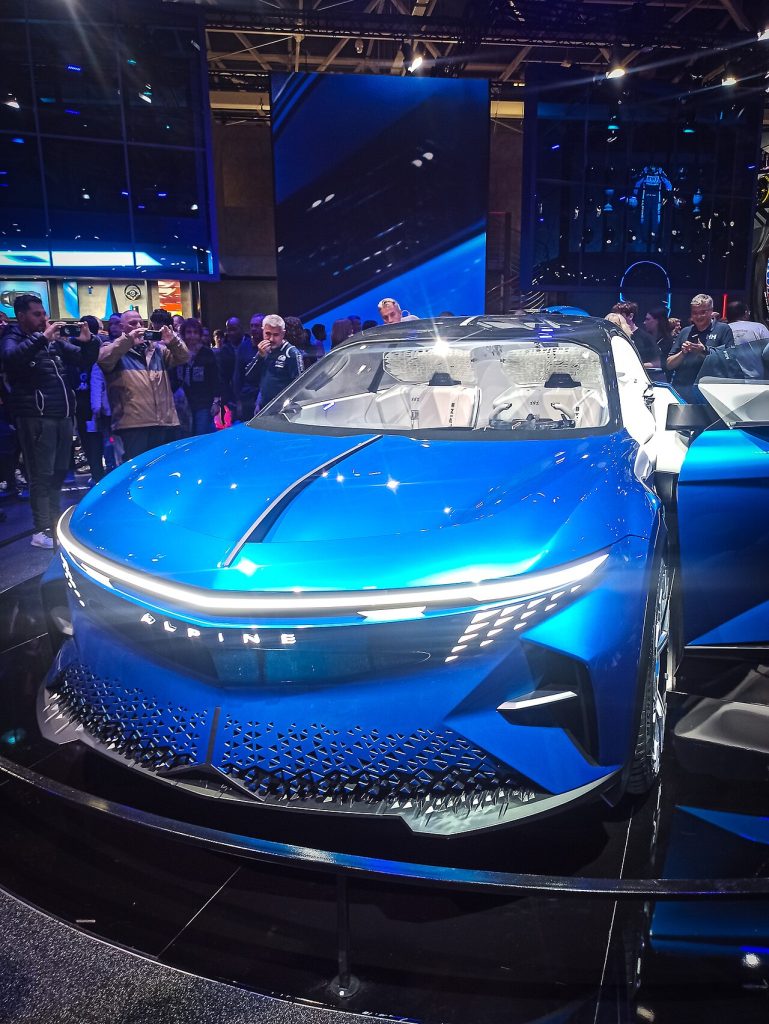
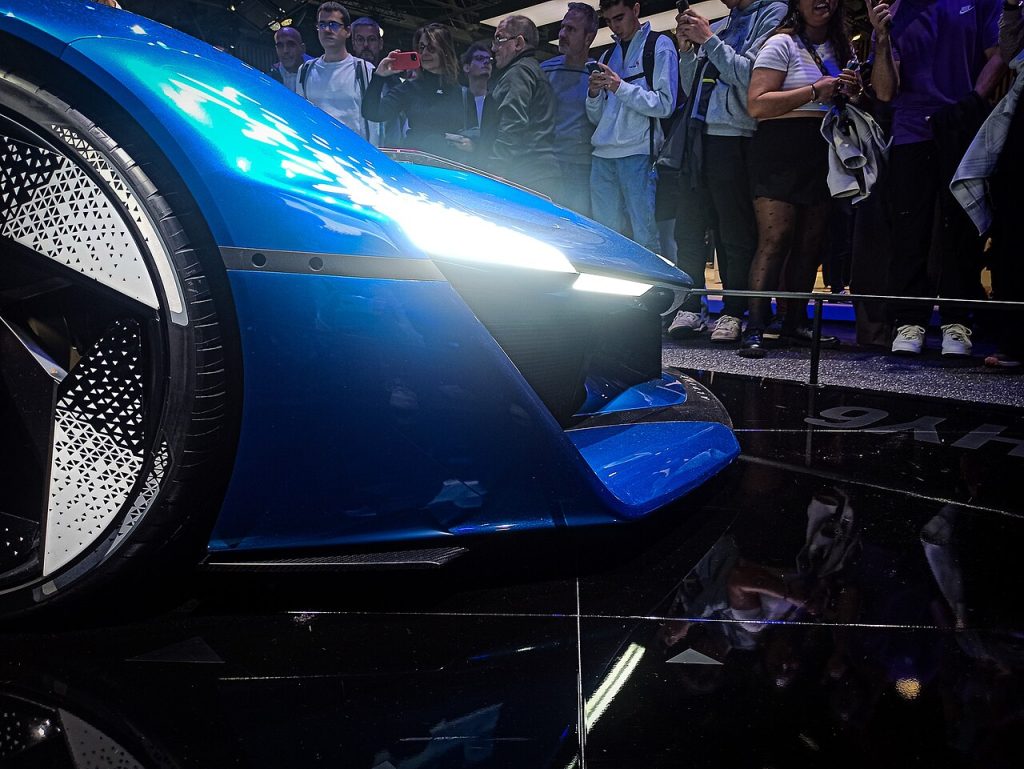
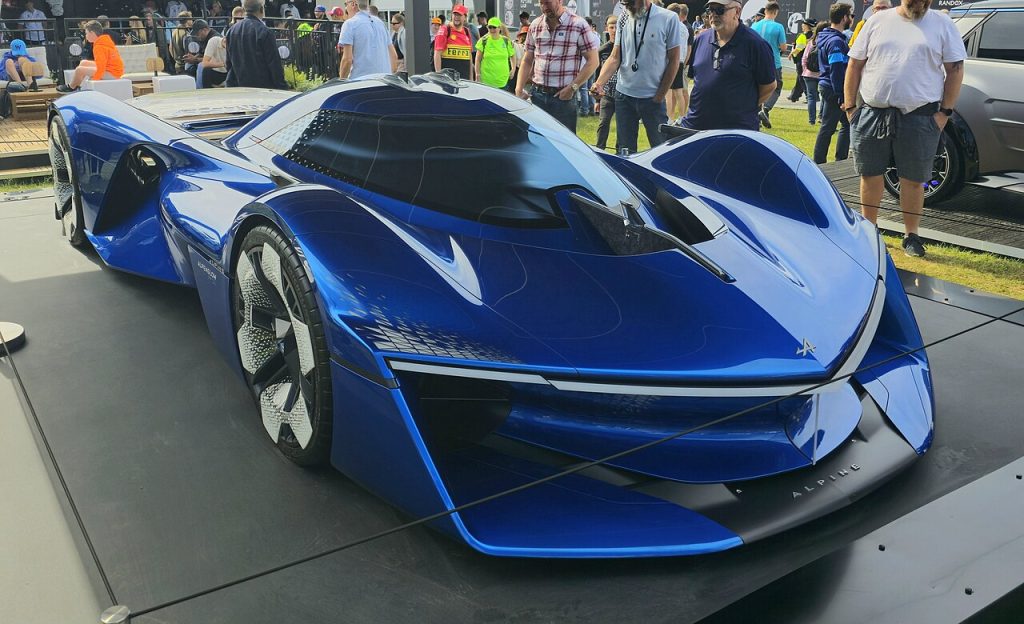
A public photograph can document proportions, lighting treatment, glazing and the relationship between the body and aerodynamic elements. Those observations are useful for comparing design stages, but do not certify concealed construction or functional performance. In an exhibition, use dated views to show which ideas recur and which details changed. Avoid treating a visually dramatic component as proof of a measured aerodynamic result. The original concept’s collecting interest includes the way an idea was presented, even where its complete engineering schedule is not publicly available.
Object identification across appearances
For a physical Alpenglow exhibit, assemble fabrication records, manufacturer identification, custody documents and dated event material. Establish how the object is recognized between appearances, especially where body or display equipment changed. A shared name and similar colour scheme cannot resolve continuity of the underlying structure. If a later exhibition used a modified object, record the changes and their purpose. A careful archive can describe an evolving concept honestly without either assuming it remained untouched or declaring every altered component a separately manufactured car.
Conservation of an experimental presentation
Record the body finish, lighting, transparent material, cockpit and supporting structure before work. Concept materials and fabrication methods may differ from those intended for normal customer service. Choose a conservation objective that can be explained: retaining the reveal presentation, a later documented exhibition state or evidence of continued development. Keep photographs and relevant removed material where practical. A freshly refinished display can be visually impressive, but the conservation record should preserve the information that explains which design evidence remains and what was renewed.
Operation claims need dated engineering evidence
If a physical object is proposed for running demonstration, identify its installed systems and seek the appropriate project documentation and technical support. A later working Alpenglow does not establish the same capability in the original display concept. Likewise, an exhibit’s current non-running condition need not erase its significance as a design object. State the intended role and current configuration clearly. This lets technical readiness, original presentation and development history be evaluated through the evidence relevant to each, rather than relying on a broad label such as functional prototype.
A useful comparison with E-ternité and Vision
Vision previewed a revived customer A110, E-ternité explored electric propulsion within the established A110 format, and Alpenglow articulated a wider future design and technology direction. Together they show different kinds of concept work. Their significance should not be reduced to a speculative ranking of which would be fastest or which was the rarest. Explain the distinct questions each project addressed and connect the dated evidence. The comparison gives readers a clear Alpine development narrative while respecting differences in purpose, construction and verified running status.
The original Paris photograph
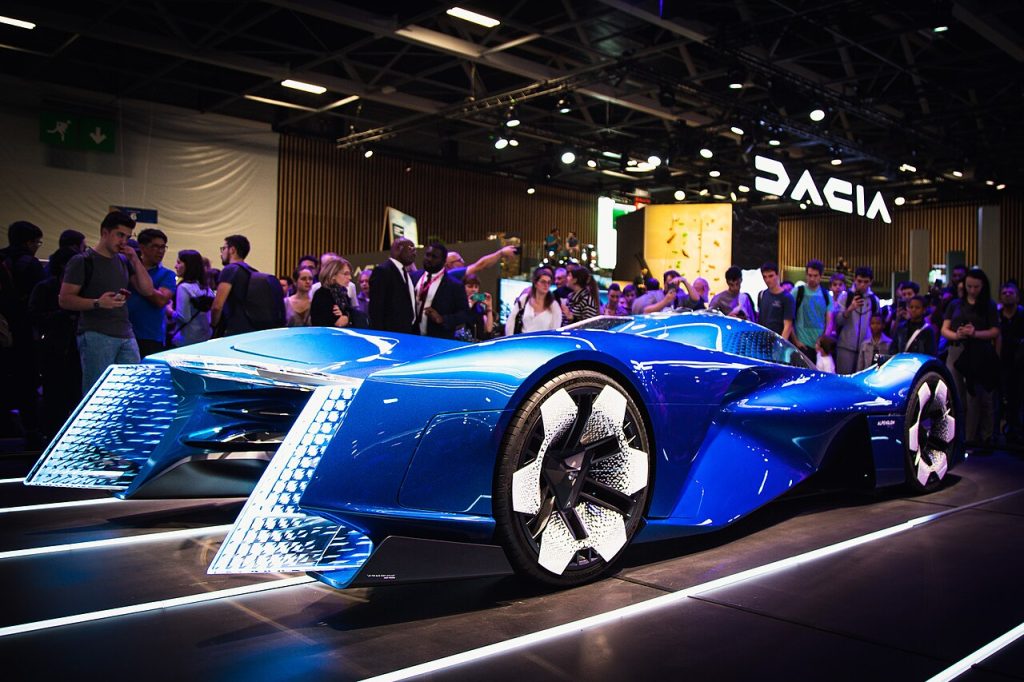
The bundled licensed image records the original Alpenglow concept at the 2022 Paris Motor Show. Its rear three-quarter perspective illustrates that early presentation, with the event date retained in the caption. It is not the later Hy6 photograph that initially appeared in an image search under the broader Alpenglow name. Photographer, source and licence are linked visibly. For an individual object history, add identification and fabrication evidence to connect the photographed exhibit with subsequent custody or conservation work.
Frequently asked questions
When was the original Alpenglow revealed?
Its digital reveal was on 13 October 2022, followed by the announced Paris Motor Show public premiere on 17 October.
Can Hy6 engine figures describe the 2022 concept?
No. The later running Hy6 is a separate documented development stage; its specifications are not transferred to the original exhibit.
Was the original proposal a fuel-cell electric car?
The project’s stated development direction concerns hydrogen combustion. That should not be replaced by an unsupported fuel-cell specification.
Is a complete physical-object count established?
No. The original inventory’s one-object label is not entered as an independently reconciled lifetime manufacturing census.
Explore related Alpine profiles
Sources
- Alpine: original Alpenglow concept reveal, October 2022
- Alpine: Alpenglow digital reveal and Paris premiere dates
- Alpine: first dynamic Alpenglow version planned for Spa 2024
- Alpine: separate Alpenglow Hy6 announcement, October 2024
Historical statements follow the linked manufacturer and competition-programme records. Inspection and collecting guidance is editorial analysis. Individual catalogue claims remain attributed to the relevant car and source.
Photography and credit
Original Alpine Alpenglow concept at the 2022 Paris Motor Show; distinct from the later running Hy4 and Hy6 prototypes. Photo: WikiGenesis / Wikimedia Commons · CC BY-SA 4.0. Wikimedia thumbnail resized from the original; no cropping or colour changes.
Why this machine matters
The original Alpine Alpenglow is the 2022 concept manifesto that explored a future design direction and hydrogen-combustion ideas. It precedes the running Hy4 and Hy6 demonstrators and should be catalogued without importing their later technical specifications.
Built in limited numbers
The supplied inventory labels the original concept as a single object, but the reviewed presentation records do not supply a reconciled census of design models, exhibition bodies and later development structures. The generic completed-production field is therefore unset. This does not merge the original concept with every later Alpenglow prototype; it marks the boundary of the evidence for this particular stage. A complete count would define the objects included and establish whether successive presentations used the same structure, modified structures or separately fabricated exhibits.
Gallery
Specifications
Factory specifications may vary by model year, market and configuration.
Identity & production
- Official model
- Alpine Alpenglow Concept
- Base model
- Alpenglow