Alpine A110 R 70 Bleu Caddy
The Alpine A110 R 70 Bleu Caddy is the blue tricolour subset of the 2025 anniversary series. Alpine announced seventy in this configuration, included in the parent offering of 770. Authentication depends on the factory definition, not simply a blue exterior.
The Alpine A110 R 70 Bleu Caddy is the blue tricolour subset of the 2025 anniversary series. Alpine announced seventy in this configuration, included in the parent offering of 770. Authentication depends on the factory definition, not simply a blue exterior.
Alpine A110 R 70 Bleu Caddy at a glance
| Manufacturer | Alpine |
|---|---|
| Model family | A110 II |
| Profile scope | Numbered road edition |
| Inventory reference | ALP-104 |
| Announced edition limit | 70 worldwide; completed total unconfirmed |
| Parent-series announced limit | 770 A110 R 70 cars; subset included |
The blue tricolour configuration
Alpine’s February 2025 announcement identifies Bleu Caddy as one of three coordinated tricolour groups within the R 70 anniversary programme. The theme recalls the early presentation of the marque through differently coloured A106s. This is a factory commemorative configuration, rather than a claim that a modern customer car has founder ownership or period competition provenance. Its place in the archive is therefore specific: a subset of a named anniversary series. Keep the parent identity prominent so readers can understand the relationship before considering an individual car’s documentation and condition.
Rarity: seventy inside the parent series
The announced blue-subset limit is seventy within the parent 770, not seventy additional cars. An allocation establishes the scope of the offering, while a reconciled completed-build register would answer a different question. This guide preserves the announced limit and leaves completed production unset. A later sale, delivery or survival claim should identify its own basis. For comparisons, label parent and subset figures separately rather than place them side by side as unrelated edition totals. That simple distinction prevents the same car from being counted twice and keeps rarity claims understandable.
Blue is a starting clue, not complete proof
A blue A110 can belong to several different models, editions and paint specifications. The exact factory colour name should be supported by the order, paint reference and delivery file. A photograph alone can be misleading because exposure, lighting and surface treatment affect how the finish appears. Establish the edition definition before interpreting the hue. If a seller uses a broad blue description, seek the original specification rather than assuming it names this subset. A genuine factory colour history is more informative than visual resemblance to a launch photograph.
Coordinated presentation across the vehicle
The tricolour programme includes a roof treatment and harmonised cabin and wheel details. For a specific Bleu Caddy example, document the actual delivery definition rather than infer every element from the parent brochure. Photograph the roof, upholstery, wheels and identification marks in context. Retain early images and the original order together. A coordinated presentation can make missing or replaced items important to the condition story, but should not become a shortcut to authentication. The documents and physical inspection need to explain both the factory configuration and the changes that followed.
Constructing the factory identity file
Correlate VIN, invoice, build information, numbered identification and delivery correspondence. Where the legal registration does not list the detailed subset, use it alongside the factory specification rather than regard that omission as decisive. Resolve inconsistencies through original records where possible. Keep private personal information separate from the public catalogue. A useful file should allow a future custodian to establish why the car belongs to Bleu Caddy and how its identity differs from a blue R 70 selected from the broader range. Do not let an edition title stand in for that evidence.
Paint history and photographic comparison
Create a condition baseline in consistent lighting, with overlapping views and original image files. Compare it with repair documentation and early ownership photographs. A specialist should interpret differences across panels, protective films and refinished surfaces. Cosmetic work and structural repair deserve separate descriptions. If the body was repainted, record the scope and whether the original factory colour was retained. This gives collecting interest a concrete condition account. It also helps later owners avoid treating normal photographic variation as a paint discrepancy or a visually matching finish as proof of untouched material.
Carbon wheels and material condition
A suitable specialist should assess the fitted wheels and relevant carbon components, including the history of repairs or replacements. The original presentation may be central to the edition’s appeal, while the current components determine practical condition and preparation. Preserve invoices and information about removed material where practical. A genuine subset car does not become a different factory identity after ordinary maintenance, but its originality and condition narrative may change. Explain those facts individually. This is more useful than a general statement that everything is carbon or that every visible part is original.
Maintenance before an ownership decision
Review service records, structure, cooling, transmission, suspension, tyres and brakes alongside the intended use. Mileage should be read with the maintenance and operating history, not treated as the entire assessment. Ask for documented track preparation and subsequent changes where relevant. A small allocation does not tell a buyer whether the actual machine was used gently or maintained well. A useful guide connects the collecting specification to an inspection of the vehicle that survives. The stronger ownership account explains present configuration and evidence, rather than allowing an anniversary badge to answer mechanical questions.
Comparing Bleu Caddy with other blue editions
Compare factory ordering scope, delivered equipment, identification and the quality of the individual files. La Bleue, a broader blue R 70 and this tricolour subset represent different definitions even when photographs share a blue theme. Do not rank them through colour alone or blend incompatible count scopes. A car’s condition, provenance and intended use can matter as much as the edition allocation. Related guides provide context, while the individual documents establish what is actually being offered. This makes a comparison informative without turning a paint preference into an unsupported claim about value or importance.
The reference image and publication hold
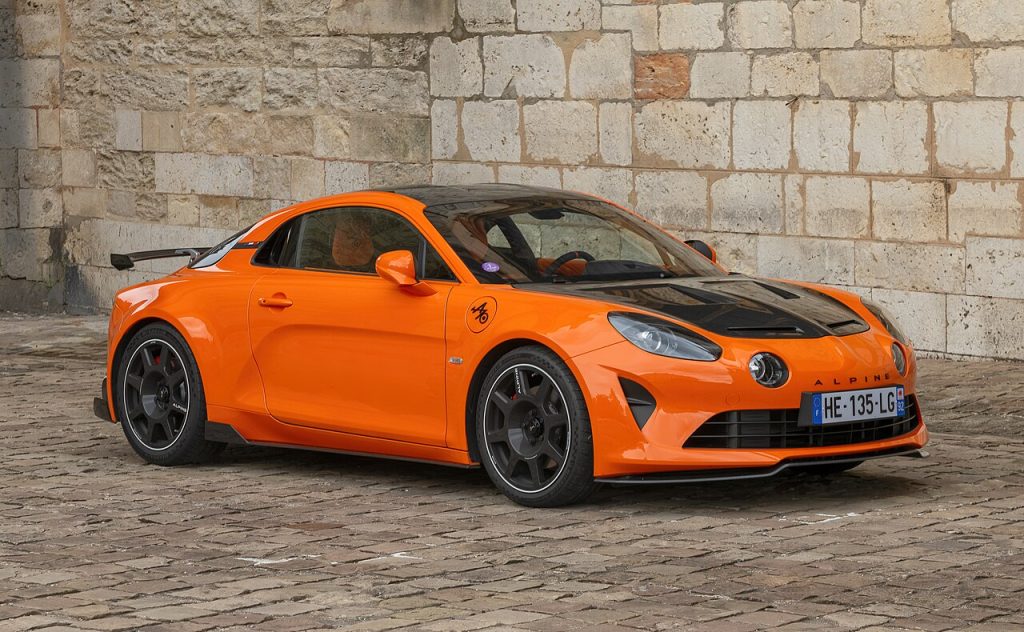
The bundled licensed photograph shows an orange R 70 as parent-series context. It is not a Bleu Caddy subset image, and its caption explicitly preserves that limitation. The source’s erroneous Ultime label is corrected using the visible anniversary badge and factory comparison. Do not recolour the photograph to create a simulated blue car. A licensed authenticated subset image remains required before publication. Keep the photographer, source, licence and change note linked with the reference so that even a temporary image has a clear rights record and an honest identification.
One chassis record with two classifications
An individual Bleu Caddy car should have one vehicle record carrying both the parent R 70 and subset designations. Link it to both model guides instead of creating duplicate chassis entries. Store the parent cap, subset allocation and any later completion evidence in separate scoped fields. This permits useful search and comparison while preserving the counting structure. A future factory register can refine production information without changing the basic relationship. Accurate classification is especially helpful when a small collection contains several anniversary configurations and readers need to understand what is shared and what is distinct.
Preserving evidence for the next custodian
Keep factory documents, photographs, service, repair descriptions and component records as a dated file. Preserve originals alongside annotated copies and retain the source of significant claims. Explain missing evidence plainly. The aim is a history that someone else can check, rather than a polished description that depends on the current owner’s memory. For a coordinated factory subset, the delivery file and subsequent condition story belong together. That combination supports collecting research and practical preservation without converting an announced allocation into a survival census or a promise about future financial performance.
Frequently asked questions
How many Bleu Caddy subset cars were announced?
Seventy, included within the R 70 parent offering of 770.
Is every blue R 70 a Bleu Caddy subset car?
No. Original factory records must establish the exact tricolour configuration.
Is the completed-production total confirmed?
The announced allocation is recorded separately; no reconciled completed-build census is entered.
Does the supplied photo show Bleu Caddy?
No. It is a clearly labelled orange parent-series reference, pending an authenticated licensed subset photo.
Explore related Alpine profiles
Sources
- Alpine: R 70 and its three tricolour subsets, February 2025
- Alpine: final 1,750 production allocation, October 2025
Historical statements follow the linked manufacturer and competition-programme records. Inspection and collecting guidance is editorial analysis. Individual catalogue claims remain attributed to the relevant car and source.
Photography and credit
Orange A110 R 70 parent-series reference only, identified from its 70 badge and carbon wheels; not the Bleu Caddy subset. Source wrongly labels this car Ultime. Exact blue-subset photograph remains a publication hold. Photo: Rolf Kranz / Wikimedia Commons · CC BY-SA 4.0. Wikimedia thumbnail resized from the original; no cropping or colour changes.
Why this machine matters
The Alpine A110 R 70 Bleu Caddy is the blue tricolour subset of the 2025 anniversary series. Alpine announced seventy in this configuration, included in the parent offering of 770. Authentication depends on the factory definition, not simply a blue exterior.
Built in limited numbers
The announced blue-subset limit is seventy within the parent 770, not seventy additional cars. An allocation establishes the scope of the offering, while a reconciled completed-build register would answer a different question. This guide preserves the announced limit and leaves completed production unset. A later sale, delivery or survival claim should identify its own basis. For comparisons, label parent and subset figures separately rather than place them side by side as unrelated edition totals. That simple distinction prevents the same car from being counted twice and keeps rarity claims understandable.
Gallery
Specifications
Factory specifications may vary by model year, market and configuration.
Identity & production
- Official model
- Alpine A110 R 70 Bleu Caddy
- Base model
- A110 II
- Country of manufacture
- France