Alpine A110 R 70 Rouge Sismique
The Alpine A110 R 70 Rouge Sismique is the red tricolour subset of the 2025 anniversary offering. Its announced seventy-car allocation belongs inside the parent limit of 770. A collecting description should establish the complete factory configuration and the condition of the actual vehicle.
The Alpine A110 R 70 Rouge Sismique is the red tricolour subset of the 2025 anniversary offering. Its announced seventy-car allocation belongs inside the parent limit of 770. A collecting description should establish the complete factory configuration and the condition of the actual vehicle.
Alpine A110 R 70 Rouge Sismique at a glance
| Manufacturer | Alpine |
|---|---|
| Model family | A110 II |
| Profile scope | Numbered road edition |
| Inventory reference | ALP-105 |
| Announced edition limit | 70 worldwide; completed total unconfirmed |
| Parent-series announced limit | 770 A110 R 70 cars; subset included |
The red element of a factory tricolour
The R 70 announcement places Rouge Sismique alongside the blue and white commemorative subsets. It gives the red configuration a defined relationship to the parent anniversary programme, rather than simply describe an available paint. Keep that distinction in the catalogue title and specification. The historical theme can connect a collection across generations, while an individual car’s identity still comes from its original factory file. A modern tribute does not acquire the ownership or competition history of a period vehicle through colour or shared marque association.
Rarity: a nested allocation of seventy
The red-subset offering is seventy within the 770-car parent series. Its cap should be stored with that scope, not added to the parent total or presented as a separately reconciled manufacturing census. Orders, completed vehicles and survivors are distinct populations. If later evidence establishes one of them, label it accordingly. A small allocation makes the subset a useful collecting topic, but does not authenticate any car advertised under its name. The model-level number and the individual build record need to be kept as complementary evidence rather than substitute for each other.
What to confirm before inspecting appearance
Request the original order, invoice, delivery definition, VIN information and any factory correspondence about the subset. Establish the intended paint and coordinated equipment before assessing the present surfaces. A red body can be visually persuasive while belonging to a different specification or a later repaint. Registration paperwork may not record all edition details, so read it alongside the factory documents. The strongest starting point is a coherent account of what was built and delivered. Only then can the current presentation be compared meaningfully with the original configuration.
The roof and harmonised presentation
The tricolour programme describes a coordinated treatment extending beyond exterior colour. For a specific red car, preserve the delivery record and contextual detail photographs of roof, cabin, wheels and markings. If items were repaired or replaced, record the work rather than rely on a vague statement about originality. A subset can retain genuine identity while its surviving material changes. The catalogue should make that distinction easy to understand. This is especially useful for a visually integrated presentation, where an apparently small replacement can affect how the original factory definition is interpreted.
Red paint, exposure and condition evidence
Assess the finish in consistent light and keep unfiltered original photographs. Red surfaces can look different across cameras and display settings, so colour judgement should be tied to a documented factory reference and specialist inspection. Compare the physical findings with repair invoices and early images. Record the extent of refinishing and any relevant protective film. Do not let an attractive listing photograph answer questions about condition or factory origin. A dated baseline gives later custodians a practical tool for understanding changes and deciding how conservation work should preserve the car’s documented presentation.
Restoration that keeps its history visible
If cosmetic work is necessary, retain photographs, methods, invoices and any specialist explanation of colour or material matching. Describe what was restored and what remains from delivery. Keeping that account clear is better than hiding maintenance behind an untouched claim. Removed components may help explain the original configuration and should be retained where practical. A future owner can then distinguish the factory identity from later condition work. The collecting record remains useful because it follows the object’s actual life instead of trying to make every surviving example conform to an idealised launch photograph.
The numbered identity in context
Photograph the identifying plaque or marks alongside the broader factory file, and compare dates and details for consistency. A plausible number is one piece of evidence, not independent proof of the red subset or the complete production history. If identification material was replaced, keep the official explanation. An archive should never infer a completed allocation simply because a high plaque number exists. The useful question is how the physical car connects to the original order and build. That approach supports authentication without assigning more meaning to numbering than the evidence allows.
A mechanical assessment separate from the theme
Use an appropriate specialist to review maintenance, fitted components, structure, transmission, cooling, suspension, wheels, tyres and brakes. The anniversary configuration does not reveal how the car was driven or prepared. Document track use and changes where evidence exists, and consider mileage together with the service chronology. The practical collecting decision concerns both the factory specification and the individual machine’s current state. A detailed inspection lets those questions be answered separately. It also avoids assuming that an uncommon colour or small allocation implies superior condition, lower wear or special mechanical provenance.
Comparison across the three subsets
Use the common parent relationship as the starting point, then compare the individual factory configurations and documentary files. Colour preference is personal; differences in completion, survival or provenance need evidence rather than aesthetic assumptions. Place each announced subset allocation in a labelled column and keep the parent cap separate. Condition and intended use should remain visible in a collecting comparison. The archive becomes more useful when it explains why three coordinated configurations belong to one programme, while still allowing each genuine vehicle’s build and subsequent history to determine its individual account.
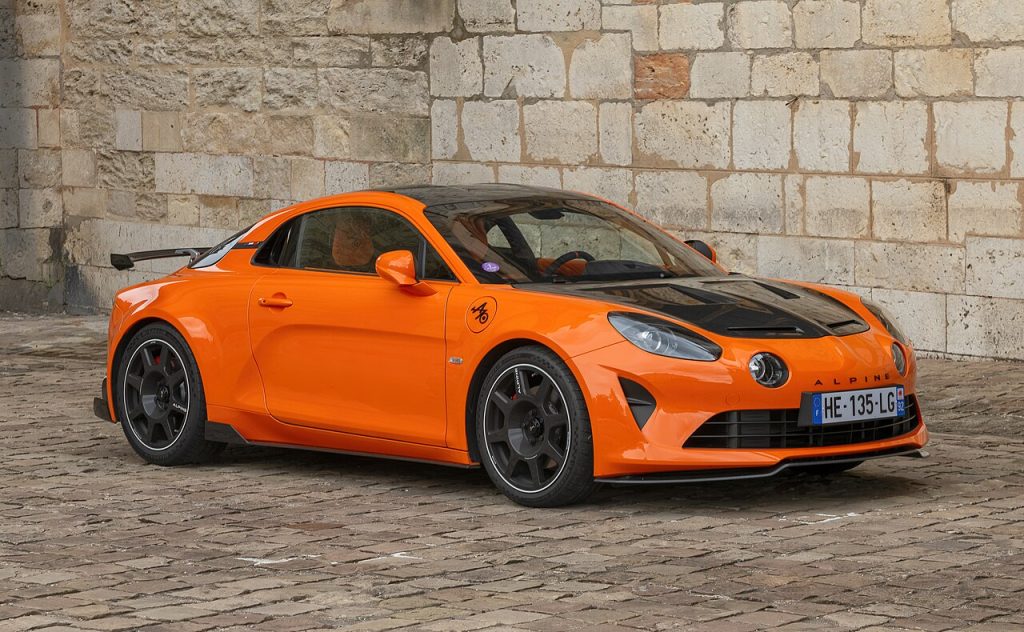
The orange parent reference is not a red car
The licensed photograph supplied here illustrates an orange R 70 from the parent series. It does not show Rouge Sismique, and a specification-specific authenticated licensed photograph remains a publication hold. Its caption also corrects the source’s misleading Ultime label using visible details and the factory comparison. The image must not be recoloured to simulate the missing subset. Visible author, source, licence and resizing information remain attached. This allows the review draft to have honest visual context while keeping the missing evidence unmistakable to an editor.
A catalogue entry without duplicate chassis
Store the parent and red-subset identities on one individual vehicle record. Link to the relevant guides for background rather than create two counted machines. Keep allocation and completion fields scoped to their actual populations, leaving unsupported figures unset. This makes future updates easier and prevents a car from appearing several times in a production register merely because it has more than one valid description. Precise classification also helps readers navigate the anniversary programme: they can explore the common R 70 basis and then understand what the individual subset adds.
The records that make the car understandable
Maintain a dated archive of factory specification, identification, condition, maintenance, repairs and changes of custody. Retain original photographs and documents as well as working summaries. State any gaps directly and keep the source of significant claims. A future custodian should be able to reconstruct both the delivery configuration and the reason for later work. That practical continuity is central to preserving a coordinated factory subset. The guide supplies the broader story, while the individual file connects it to the actual car without promising a particular market value or pretending to know every surviving example.
Frequently asked questions
How many red-subset cars were announced?
Seventy Rouge Sismique cars within the parent R 70 limit of 770.
Is red paint alone sufficient proof?
No. Correlate the exact factory definition with original ordering and delivery records.
Does seventy mean a verified surviving population?
No. It is the announced subset allocation, not a completed-build or survival census.
Is the reference photograph Rouge Sismique?
No. The supplied orange parent-series image is explicitly qualified; an exact red-subset image remains needed.
Explore related Alpine profiles
Sources
- Alpine: R 70 and its three tricolour subsets, February 2025
- Alpine: final 1,750 production allocation, October 2025
Historical statements follow the linked manufacturer and competition-programme records. Inspection and collecting guidance is editorial analysis. Individual catalogue claims remain attributed to the relevant car and source.
Photography and credit
Orange A110 R 70 parent-series reference only; not the Rouge Sismique subset. Source wrongly labels this car Ultime. Exact red-subset photograph remains a publication hold. Photo: Rolf Kranz / Wikimedia Commons · CC BY-SA 4.0. Wikimedia thumbnail resized from the original; no cropping or colour changes.
Why this machine matters
The Alpine A110 R 70 Rouge Sismique is the red tricolour subset of the 2025 anniversary offering. Its announced seventy-car allocation belongs inside the parent limit of 770. A collecting description should establish the complete factory configuration and the condition of the actual vehicle.
Built in limited numbers
The red-subset offering is seventy within the 770-car parent series. Its cap should be stored with that scope, not added to the parent total or presented as a separately reconciled manufacturing census. Orders, completed vehicles and survivors are distinct populations. If later evidence establishes one of them, label it accordingly. A small allocation makes the subset a useful collecting topic, but does not authenticate any car advertised under its name. The model-level number and the individual build record need to be kept as complementary evidence rather than substitute for each other.
Gallery
Specifications
Factory specifications may vary by model year, market and configuration.
Identity & production
- Official model
- Alpine A110 R 70 Rouge Sismique
- Base model
- A110 II
- Country of manufacture
- France