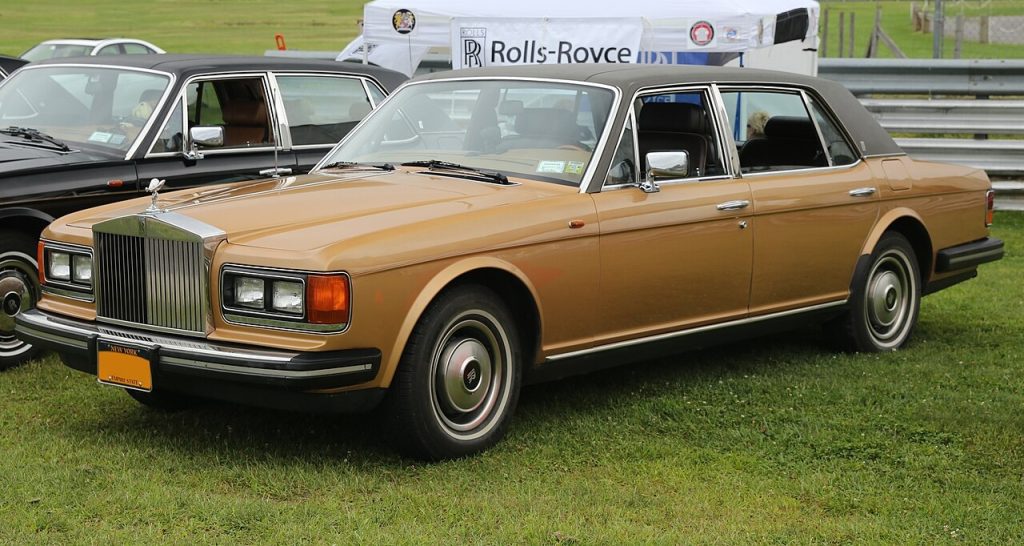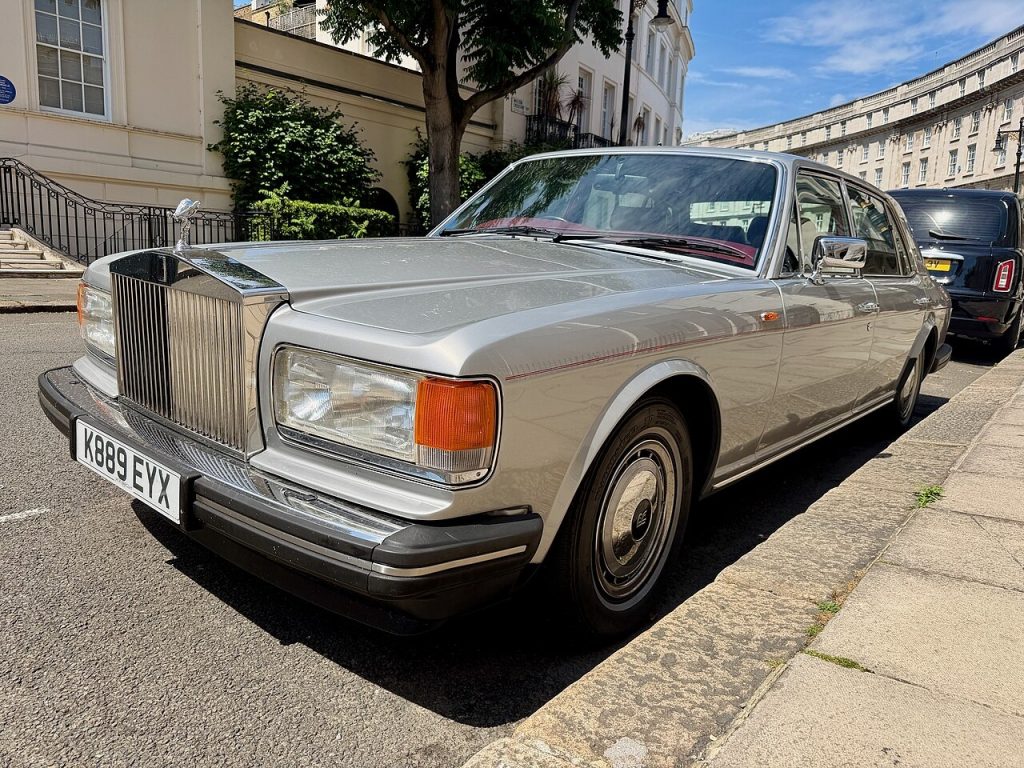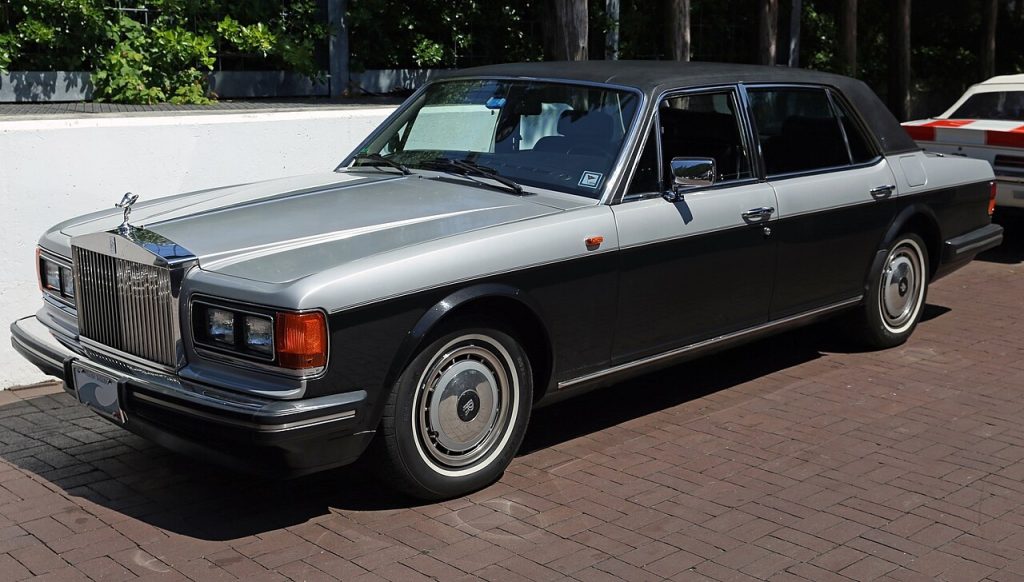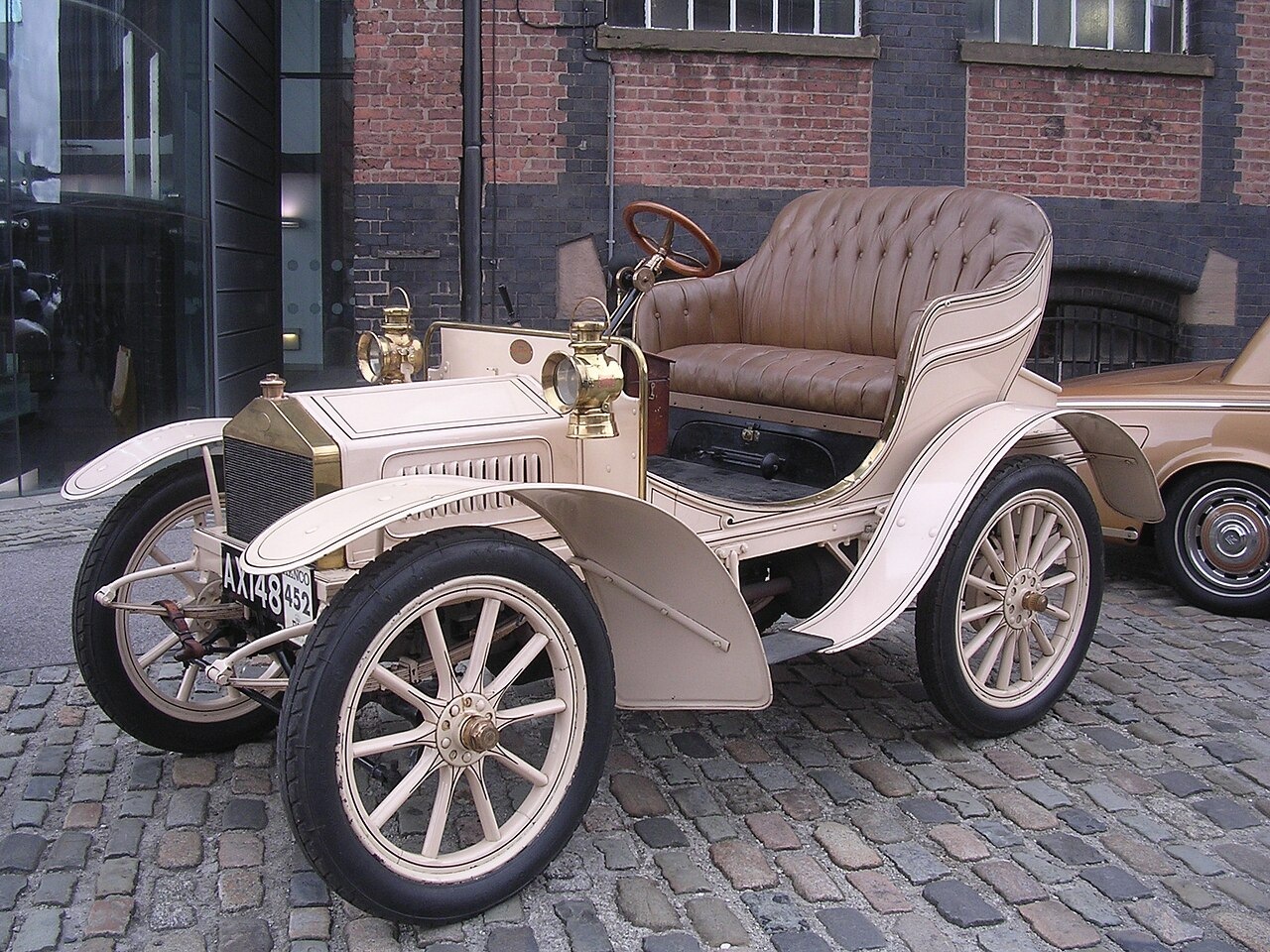
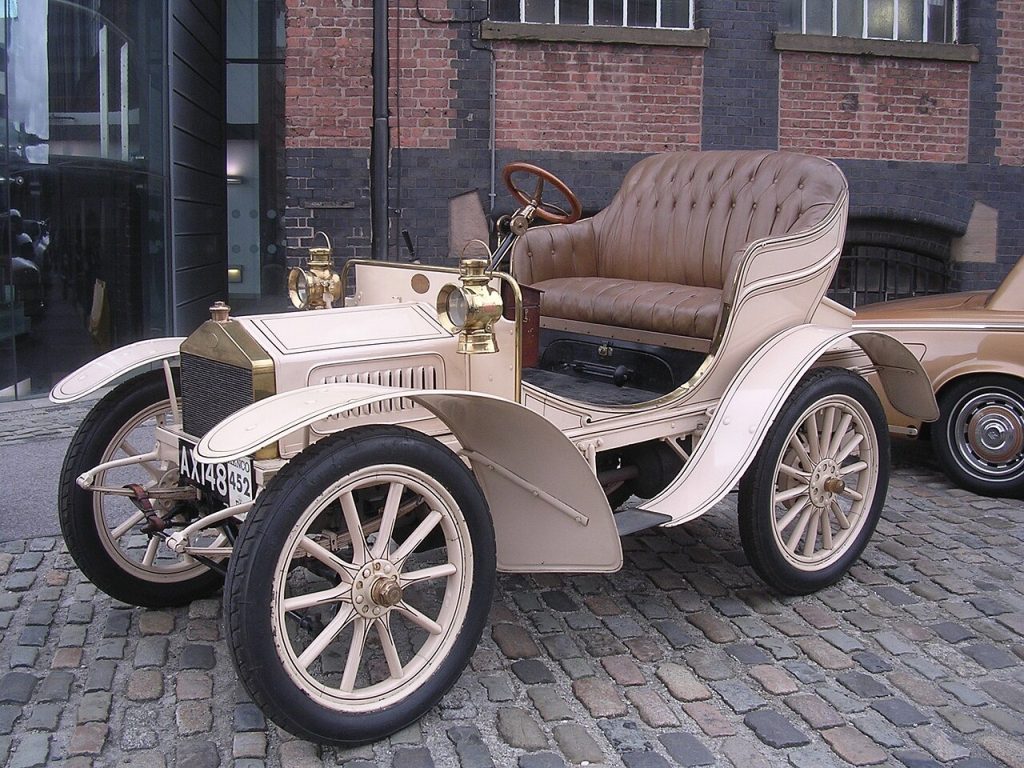
Rolls-Royce 1904
1904 Rolls-Royce 10 H.P.
The Rolls-Royce 10 H.P. is the small twin-cylinder car at the beginning of a very large story. Its importance comes from the engineering partnership it established in 1904, when Henry Royce’s practical…

A MORE CONSIDERED COLLECTION
These are existing vehicle profiles grouped by their recorded classification. Read each profile for its own source notes, image context and production scope. A shared collection does not establish that different editions or chassis are the same identity.
THE COLLECTION
50 profiles
Rolls-Royce 1904
The Rolls-Royce 10 H.P. is the small twin-cylinder car at the beginning of a very large story. Its importance comes from the engineering partnership it established in 1904, when Henry Royce’s practical…
Rolls-Royce 1907
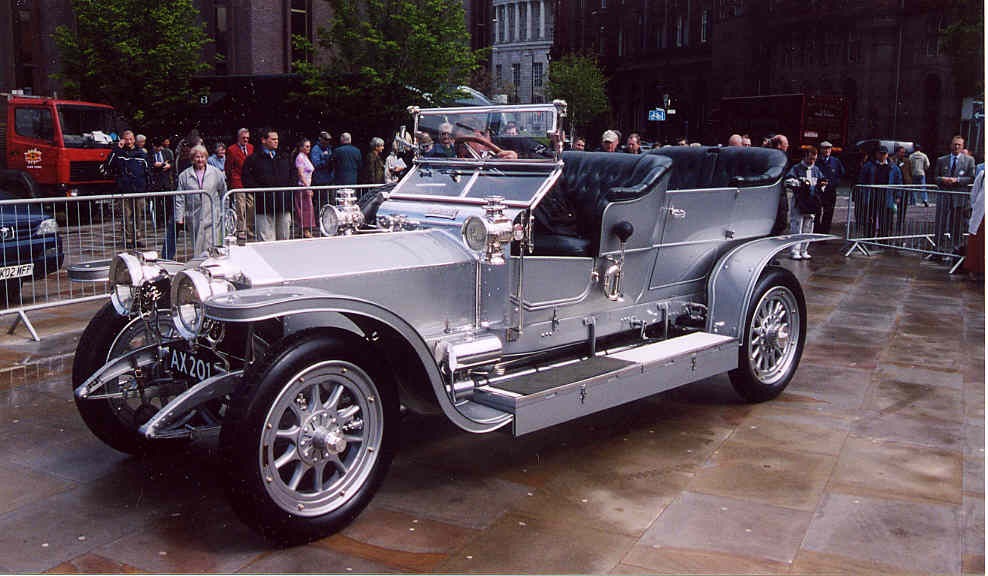
The original Silver Ghost is a particular 1907 Rolls-Royce: chassis 60551, registered AX201. Its name eventually became shorthand for a whole model family, but the named demonstrator deserves a separate identity because…
Rolls-Royce 1925
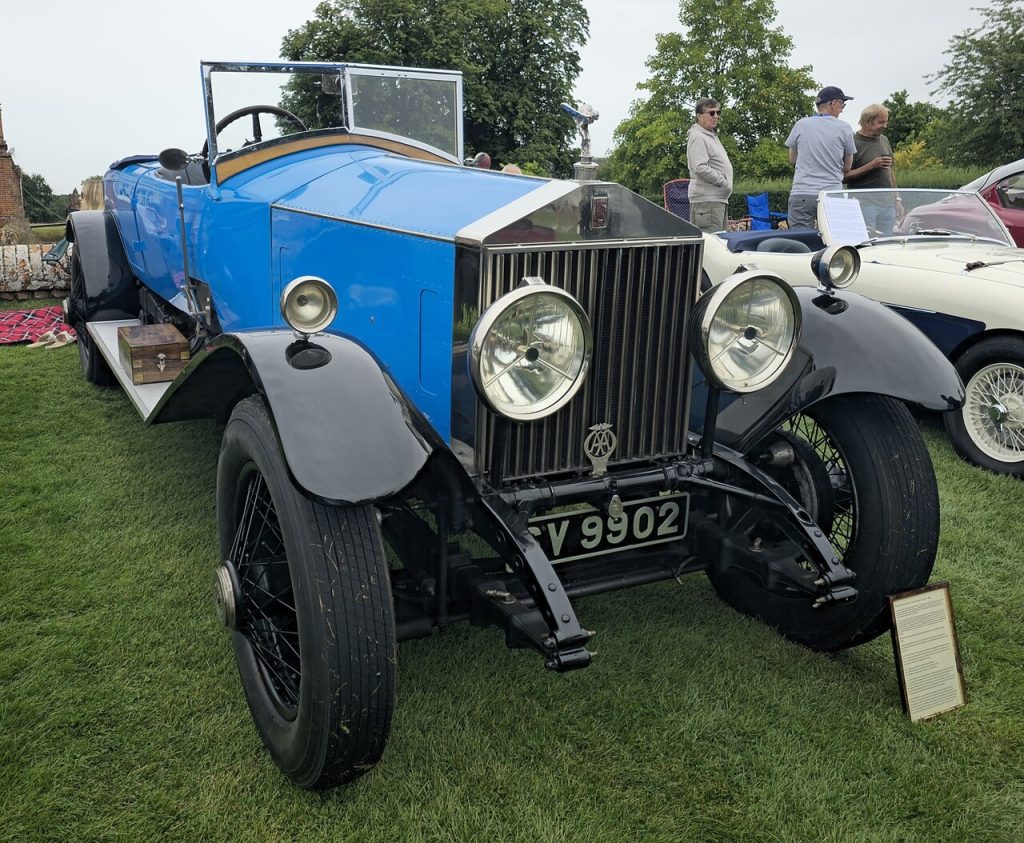
The British-built Rolls-Royce New Phantom replaced the Silver Ghost in 1925 and began the Phantom dynasty. Now generally called Phantom I, it combined a revised engine with a separate chassis that could…
Rolls-Royce 1926
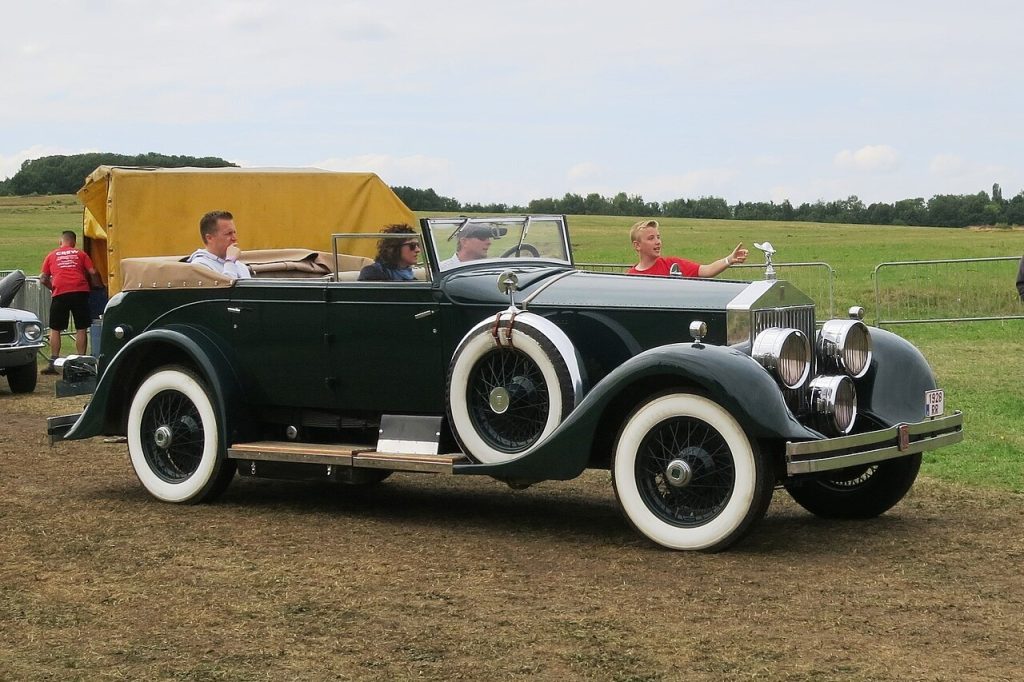
The Springfield Phantom I is the American-built branch of the New Phantom story. Introduced after the British model, it brought Rolls-Royce engineering to a separate manufacturing operation in Massachusetts, with its own…
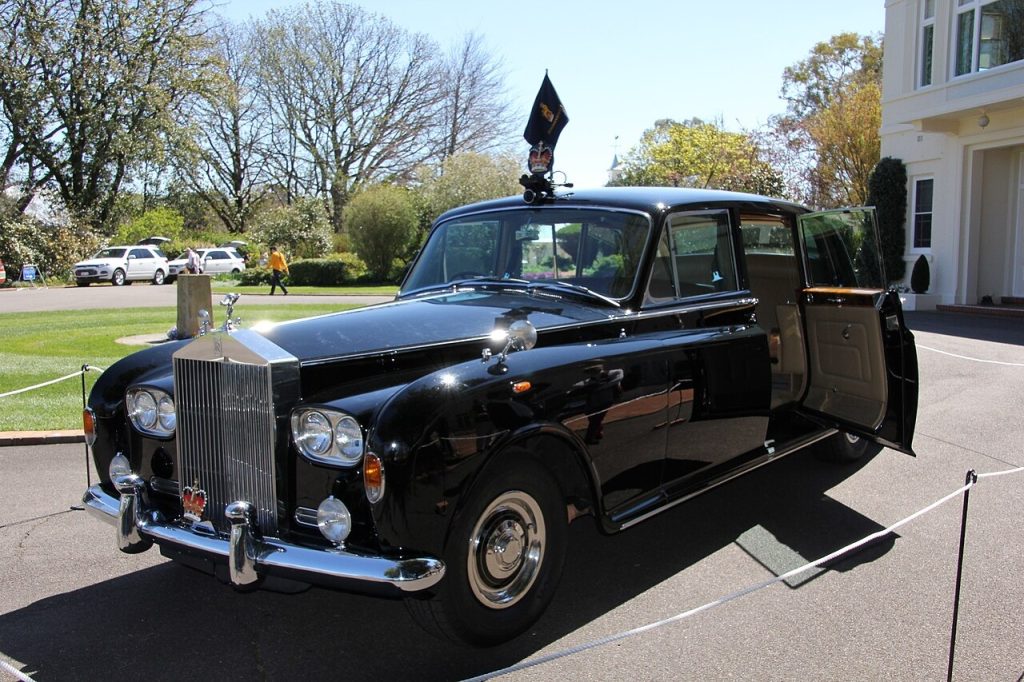
Rolls-Royce 1950
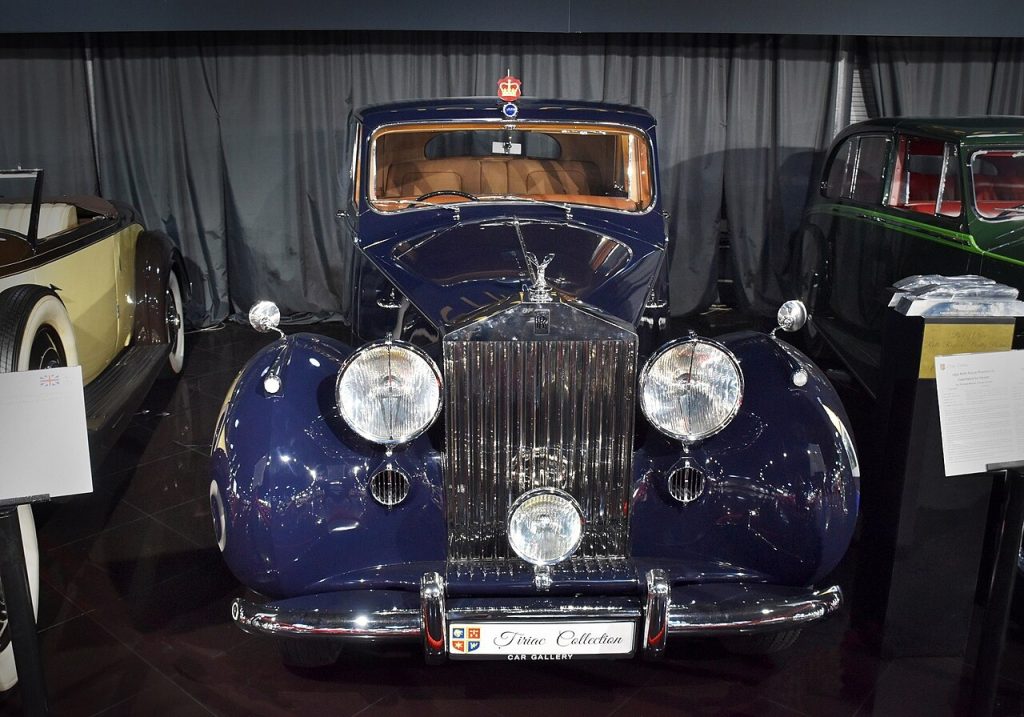
The Rolls-Royce Phantom IV is a remarkably small royal and state-car family: the manufacturer records 18 examples. Its straight-eight engine and individually commissioned coachwork mark a deliberate exception to the post-war drive…
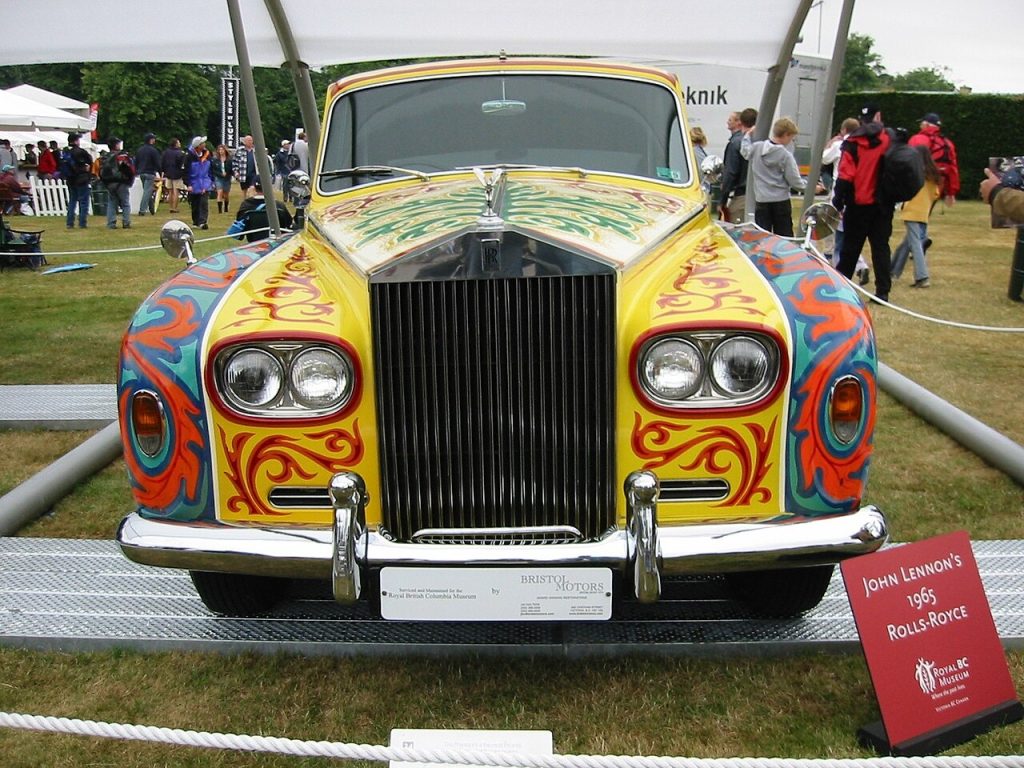
Rolls-Royce 1965
John Lennon’s Rolls-Royce Phantom V brings together formal British coachbuilding and the visual freedom of the psychedelic era. The museum identifies it as a 1965 car; its celebrated decorative finish came later,…
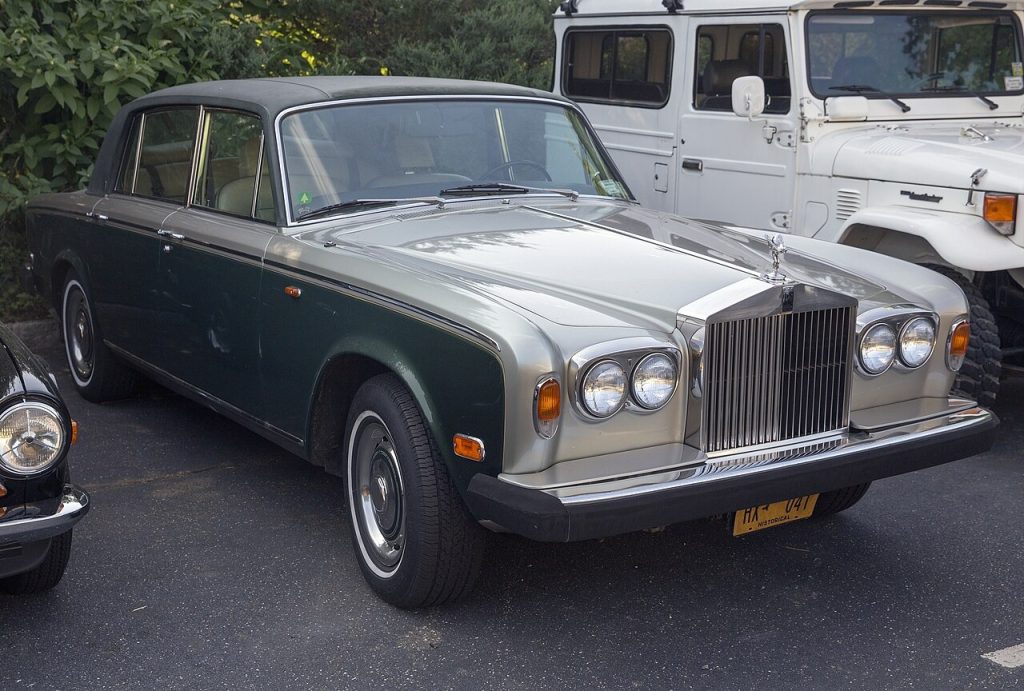
Rolls-Royce 1968
The Rolls-Royce Phantom VI kept traditional body-on-chassis coachbuilding alive into an era otherwise dominated by unitary construction. Its long life, formal passenger compartment and exceptionally small output make it a different proposition…
Rolls-Royce 1969
The Silver Shadow Long Wheelbase added rear-cabin space to Rolls-Royce’s first unitary-construction generation. Its significance is a genuine dimensional and body derivative, not merely a trim package: the extension changes the rear…
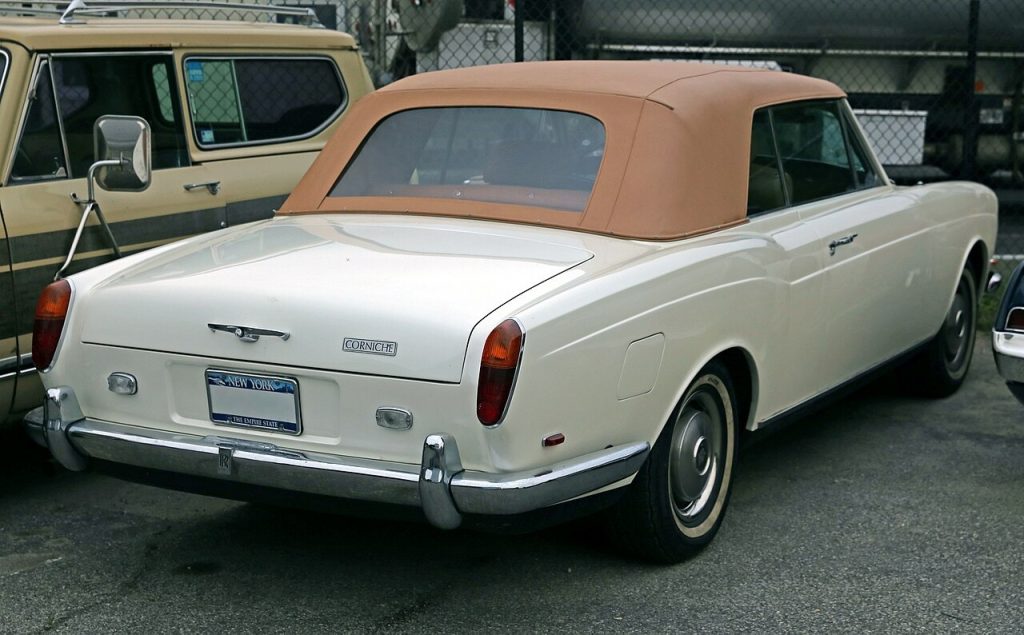
Rolls-Royce 1971
The 1971 Rolls-Royce Corniche Convertible gave a distinct name to the marque’s elegant open two-door car. Its appeal lies in the complete arrangement of body, cabin and folding roof, a coachbuilt interpretation…
Rolls-Royce 1980
The original Rolls-Royce Silver Spur brought the long-wheelbase formal saloon into the SZ era. It shared the Silver Spirit’s basic design language but gave rear passengers more space, making the structural relationship…
Rolls-Royce 1990
The Silver Spirit II refined Rolls-Royce’s standard-wheelbase SZ saloon through changes to ride control, engine management and the cabin. Its identity is the second series, documented by the chassis register for model…
Rolls-Royce 1990
The Silver Spur II combined the longer SZ passenger compartment with the second series’ ride and cabin developments. It is a distinct factory long-wheelbase saloon, separate from both the shorter Silver Spirit…
THE RARITY RIDES STANDARD
A limited offer is not automatically a completed-production total. A surviving vehicle is not a complete factory census. We keep those distinctions visible and link each collection back to the individual profile’s evidence.
Our editorial approach