1925 Rolls-Royce Phantom I UK
Explore the Rolls-Royce Phantom I UK: history, verified identity, specification references, rarity evidence and real credited photos.
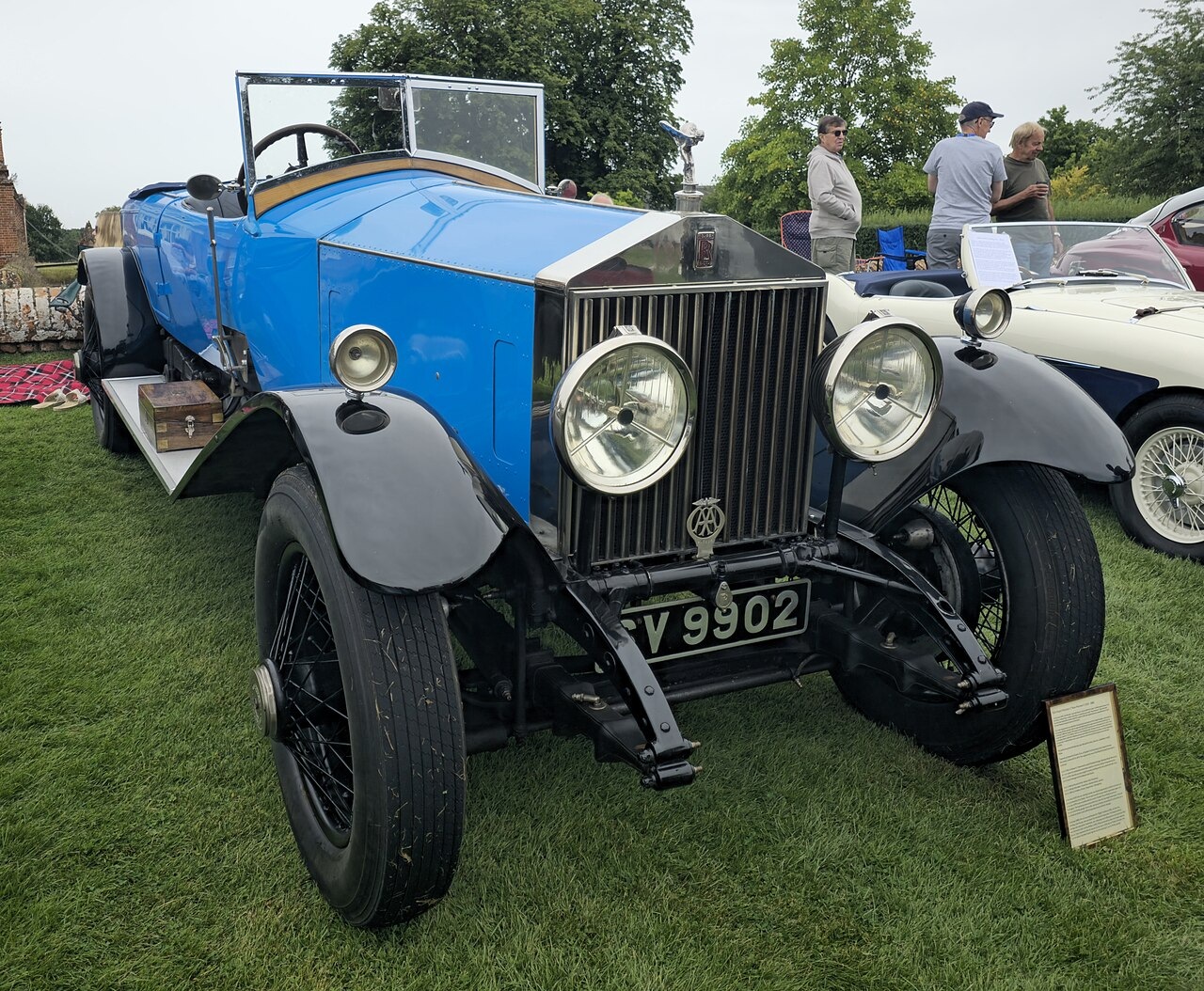
The British-built Rolls-Royce New Phantom replaced the Silver Ghost in 1925 and began the Phantom dynasty. Now generally called Phantom I, it combined a revised engine with a separate chassis that could carry radically different bodies, from formal town cars to open touring coachwork.
The New Phantom of 1925
Rolls-Royce introduced the New Phantom in May 1925. The later numeral helps distinguish it from its successors, but the contemporary name is worth preserving because it explains the intended break with the outgoing 40/50 H.P. A collector reading period advertisements will encounter the new and old chassis discussed side by side. The model’s significance is therefore both mechanical and linguistic: it established the name that would come to identify the marque’s pinnacle motor car.
Rolls-Royce: Phantom, 100 years of perfection
A chassis before it was a finished motor car
The factory supplied a rolling chassis, while an independent coachbuilder created the body to the patron’s requirements. This is fundamental to interpreting a Phantom I photograph. A Jarvis torpedo body and a formal limousine can share a chassis family while having different dimensions, construction and seating. Consequently, there is no single universal Phantom I body specification. A complete identity joins the chassis maker’s record to the coachbuilder’s design, number and delivery documentation.
The engine was part of the transition
The New Phantom introduced overhead valves to the large six-cylinder engine. That change belongs to a wider effort to maintain smooth, quiet performance as bodies and customer expectations evolved. For a modern reader, displacement and valve arrangement are more useful than treating the 40/50 label as a measured output. Historical sales nomenclature, estimated power and an individual engine’s present condition are distinct things, especially after a century of rebuilding and component exchange.
Rolls-Royce: Phantom, 100 years of perfection
Derby and Springfield should not be blurred
The UK and American-built Phantoms belong to the same broad generation, but the Springfield programme had its own manufacturing circumstances and details. This profile is restricted to the British-built chassis, with the American cars receiving a separate regional-factory record. Frank Dale’s specialist model guide reports 2,269 English chassis. The number does not describe a particular open body, all surviving cars, or a combined British and American total.
Frank Dale specialist model guide: Phantom I
Body provenance is part of the vehicle
An inspection file should identify the chassis, the engine currently fitted, the coachbuilder and the date of the present body. Rebodying was possible in period and remains a central issue for open touring examples. A beautiful body may be historically significant without being the chassis’s first body. Compare early photographs, coachbuilder ledgers and delivery details before using terms such as original torpedo or original limousine; style alone cannot settle that question.
Specifications and identity reference
| Introduction | 1925 New Phantom, retrospectively Phantom I |
|---|---|
| Factory scope | British-built chassis, Derby |
| Engine family | Large overhead-valve inline-six |
| Construction | Separate chassis; customer-specified coachwork |
| Published reference | 2,269 English chassis in Frank Dale model guide |
Rarity and production scope
The 2,269 figure is an attributed specialist historical chassis-production reference for the British-built New Phantom, not a factory-audited count independently reconstructed for this package. It excludes Springfield production and is not a cap for Jarvis torpedo bodies. Coachwork variants and later rebodies are included only within their own documented histories; they do not create additional chassis in the family total.
What the photograph represents
A 1925 Phantom I with Jarvis torpedo coachwork, illustrating the British-built New Phantom family. The chassis model had many coachbuilt bodies; this is not its universal factory body.
Related Rolls-Royce heritage profiles
Frequently asked questions
Why does this profile say UK?
It separates British-built New Phantom chassis from the materially distinct Springfield manufacturing programme listed separately in the inventory.
Were all Phantom Is the same shape?
No. Specialist coachbuilders supplied many bodies; the chassis and coachwork need separate identification.
What is the production-count boundary for this profile?
The 2,269 figure is an attributed specialist historical chassis-production reference for the British-built New Phantom, not a factory-audited count independently reconstructed for this package. It excludes Springfield production and is not a cap for Jarvis torpedo bodies. Coachwork variants and later rebodies are included only within their own documented histories; they do not create additional chassis in the family total.
Sources and further reading
Research checked 18 October 2026. Linked factory announcements, museum records and attributed specialist research support the specifically identified claims. Photographic descriptions identify the illustrated subject. Design analysis and suggested authentication steps are editorial interpretation.
Built in limited numbers
The 2,269 figure is an attributed specialist historical chassis-production reference for the British-built New Phantom, not a factory-audited count independently reconstructed for this package. It excludes Springfield production and is not a cap for Jarvis torpedo bodies. Coachwork variants and later rebodies are included only within their own documented histories; they do not create additional chassis in the family total.
Gallery
Specifications
Factory specifications may vary by model year, market and configuration.
Identity & production
- Official model
- Rolls-Royce Phantom I UK
Sources and verification
Source citations are being prepared for this profile.