Audi RS e-tron GT ice race edition
A 99-car European Audi exclusive edition of the electric RS e-tron GT, introduced for Audi Sport’s 40th anniversary with winter-inspired graphics, coordinated cabin details and digital edition numbering.
A 99-car European Audi exclusive edition of the electric RS e-tron GT, introduced for Audi Sport’s 40th anniversary with winter-inspired graphics, coordinated cabin details and digital edition numbering.
Audi RS e-tron GT ice race edition at a glance
| Manufacturer | Audi |
|---|---|
| Model / programme | e-tron GT |
| Profile scope | Limited European road edition |
| Historical reference year | 2023 |
| Inventory reference | AUDI-087 |
| Engine reference | Dual-motor battery-electric RS drivetrain |
| Published edition limit | 99 — Ice race customer edition; Europe |
| Manufacturer power reference | 440 kW |
The ice race edition and Audi Sport’s anniversary
Introduced in September 2023, the ice race edition connects Audi Sport’s 40th anniversary with a distinctive use of Audi exclusive customization. Its subject is the production RS e-tron GT, not the earlier ice race concept show car. That separation is central to a useful history: a design idea can pass from a single presentation vehicle into a named customer edition without making the two populations identical. The resulting car is interesting as a coordinated visual programme on an electric performance platform. A reader comparing examples should investigate the complete factory configuration, rather than treating a striking exterior wrap as sufficient evidence of membership.
How many ice race editions were announced?
Audi specified 99 examples for Europe. This figure is recorded as the factory edition limit, separately from a completed VIN census or survivor register. It does not mean every RS e-tron GT with snow-inspired graphics belongs to the edition, and the earlier concept is not silently included in the customer allocation. The market scope also matters when reading listings from other countries: an imported European car can appear elsewhere without changing the original allocation. Verify the named programme through factory documentation tied to the vehicle. A precise limited-edition claim should explain which population is being counted and why the particular car belongs within it.
The graphics combine paint and partial transparency
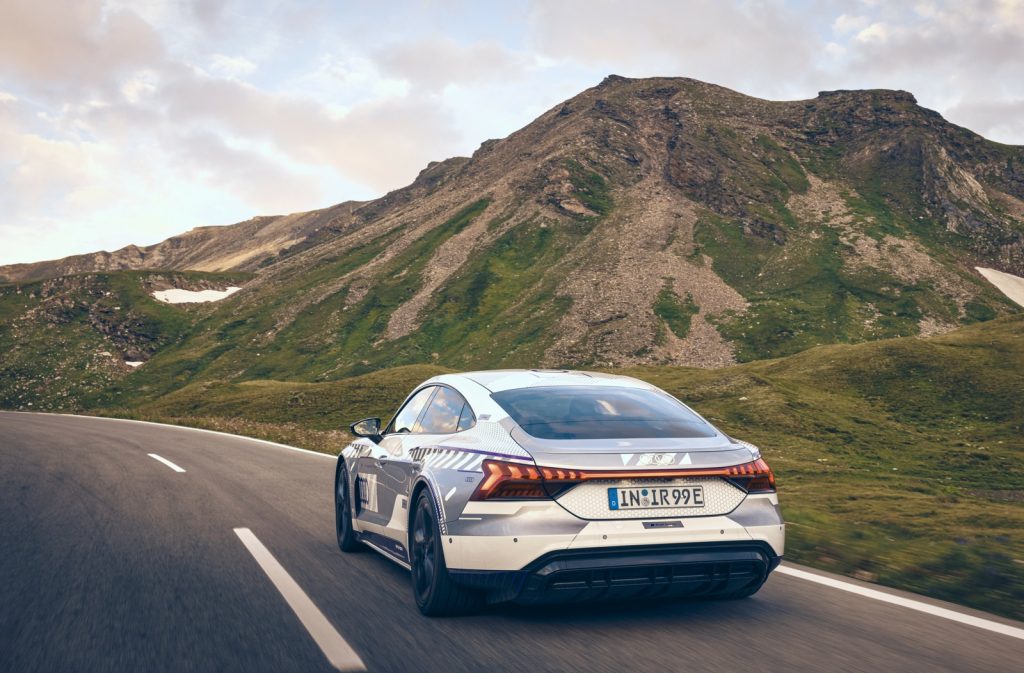
The design begins with Florett Silver metallic and adds a film treatment using white, silver and purple. Audi describes selective transparency as part of the effect, allowing the painted base to remain involved in the finished appearance. That makes the graphics more than a simple solid-color replacement. When inspecting a car or studying detailed photographs, look at the edges of the film, the relationship between transparent and opaque areas and consistency across neighboring panels. Changes made after damage or wear should be documented. A fresh-looking wrap may improve presentation while still requiring an explanation of how it compares with the original factory treatment.
A winter theme without a race-history claim
Audi links the design to the GP Ice Race world around Zell am See, translating snow, ice and mountain associations into the edition’s visual language. The official photograph places the car in a mountain-road setting, reinforcing that theme. Those connections explain the appearance; they do not confer competition history on an individual customer vehicle. Avoid reading the name as evidence that the car competed in an ice race or was certified for any particular winter event. The relevant archive story is how a place and an atmosphere became a factory design programme. It is a different kind of heritage from a chassis with recorded race entries.
The coordinated cabin and digital number
Audi’s account describes diamond-silver and black leather areas, purple contrast stitching and an edition-specific MMI presentation. The unique edition number appears within the digital interface. This gives the cabin an important authentication role, while also introducing a practical documentation question: what happens when an infotainment unit is repaired or replaced? Preserve factory records, clear photographs of the numbered screen and invoices explaining later work. A screen image is useful supporting evidence, but should be checked against the VIN-linked specification. The digital detail is historically interesting because it moves limited-edition identity into a system that can be serviced and updated over the car’s life.
The production platform beneath the special appearance
The period manufacturer release identifies the basis as the unchanged 440 kW RS e-tron GT. The edition’s interest therefore should not be explained through an invented power increase or a different competition drivetrain. A clear specification comparison distinguishes the original production platform from edition-specific trim and graphics. For a particular car, confirm its factory equipment, subsequent software changes and any hardware modifications independently. That makes comparisons with later e-tron GT derivatives easier: a newer output figure must not migrate into the 2023 edition record. The car’s documented individuality lies in the complete customization programme and its limited allocation.
Charging figures need their original context
The release cites maximum DC charging power of 270 kW under suitable conditions. Peak power is a specification reference, not a promise that a used example will maintain that rate throughout a charging session. For ownership research, request service history, battery-related repair records and an explanation of the test conditions behind any reported charging results. Keep a current diagnostic assessment separate from the historical launch specification. The same distinction applies to range descriptions. Readers can appreciate the electric platform without being asked to infer present battery condition from age, mileage or a photograph of the dashboard. Individual condition needs individual evidence.
What originality means for this edition
The graphics, cabin coordination and digital identity make completeness a broader issue than paint alone. A useful file records the original specification, delivery images, film replacement, trim repairs and infotainment work. It should explain whether a change restored the delivery configuration or introduced a personal preference. Neither maintenance nor replacement automatically invalidates an authentic edition, but undocumented changes can make an example harder to assess. Compare the car with the dated manufacturer description and exact-edition images, then reconcile differences through records. This approach allows a maintained vehicle to have a transparent history without forcing every component to be described as untouched.
Comparisons with Audi’s other scarce editions
The Green Hell R8 and TT RS iconic edition offer useful comparisons because each turns a factory anniversary or sporting reference into a distinct road-car specification. Their engines, markets and allocations differ, so the relationship is thematic rather than mechanical. The R8 also helps a reader see how limited-edition identity can be carried through physical graphics and interior details, while the ice race edition gives a prominent role to digital numbering. Compare the programmes by what changed, how Audi defined membership and which records support an individual example. A smaller number alone cannot explain every difference in historical significance or ownership appeal.
The ice race edition’s place in an electric Audi archive
This edition provides a focused record of how Audi exclusive expressed individuality on an early electric RS model. Its coordinated appearance, European allocation and digital number distinguish it from an ordinary specification or an owner-applied wrap. Preserve those facts alongside the vehicle’s continuing service and configuration history. A strong profile should help readers identify the programme and ask better questions about a particular example, without claiming future values or treating scarcity as a substitute for condition. The result is an archive entry that remains useful as the broader e-tron GT range develops and individual edition cars change owners.
Frequently asked questions
How many ice race editions were announced?
Audi specified a 99-car allocation for Europe. It is kept separate from completed-production and surviving-car counts.
Is this the ice race concept show car?
No. The profile covers the named customer edition inspired by the earlier concept, with the two populations kept distinct.
Where is its edition number displayed?
Audi describes the unique edition number within the special MMI interface. Factory records should corroborate the screen display.
Did the edition receive a power increase?
The period release describes an unchanged 440 kW RS e-tron GT basis. Later model outputs should not be substituted into this record.
Explore related vehicle profiles
Sources
- Audi France — ice race edition, September 2023
- Audi — ice race edition, original German announcement
- Audi — Audi Sport 40th anniversary insights, October 2023
History and published specifications follow the linked manufacturer records. Visual comparisons, documentation questions and inspection priorities are editorial analysis. Photographs retain their original subject descriptions and separate rights records.
Photography and credit
Audi RS e-tron GT ice race edition; official launch photograph A234735, September 13, 2023. Photo: AUDI AG / Audi Media Center · Audi Media Center: editorial use free of charge. Resized proportionally without additional cropping or color alteration.
Why this machine matters
A 99-car European Audi exclusive edition of the electric RS e-tron GT, introduced for Audi Sport’s 40th anniversary with winter-inspired graphics, coordinated cabin details and digital edition numbering.
Built in limited numbers
99 is the European factory edition limit, not a certified completed or surviving census. Production edition distinguished from earlier ice race concept; original 440 kW platform reference retained.
Gallery
Specifications
Factory specifications may vary by model year, market and configuration.
Identity & production
- Official model
- Audi RS e-tron GT ice race edition
- Base model
- e-tron GT
Powertrain & performance
- Engine
- Dual-motor battery-electric RS drivetrain