Audi activesphere concept
A physical electric crossover concept combining a Sportback silhouette with a transforming rear cargo area, presented in 2023 as the fourth member of Audi’s sphere family.
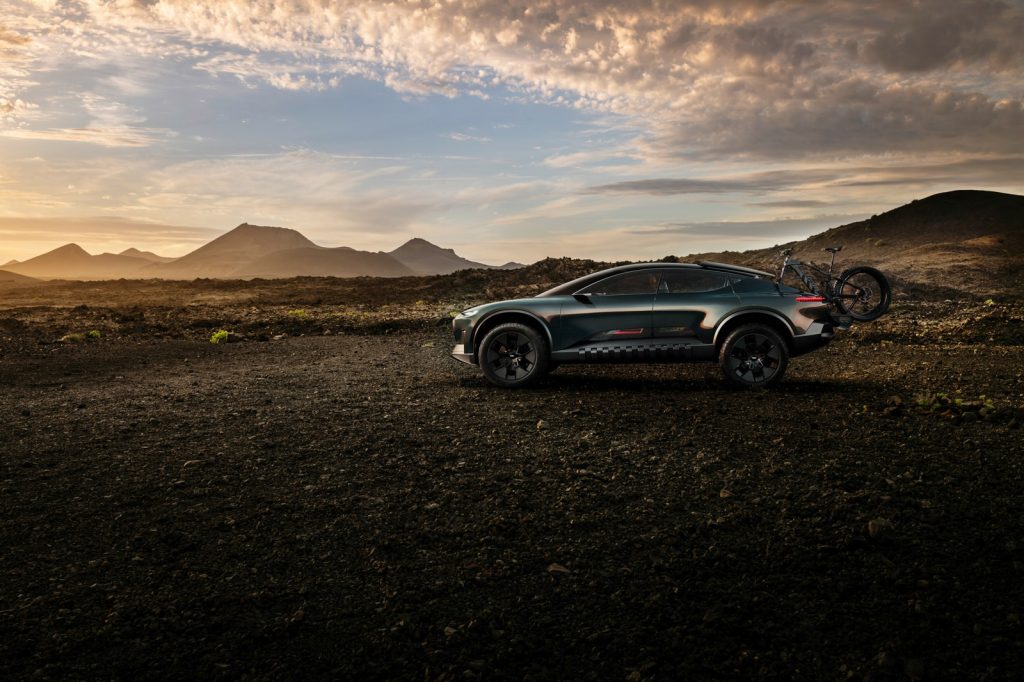
A physical electric crossover concept combining a Sportback silhouette with a transforming rear cargo area, presented in 2023 as the fourth member of Audi’s sphere family.
Audi activesphere concept at a glance
| Manufacturer | Audi |
|---|---|
| Model / programme | sphere concepts |
| Profile scope | Physical concept archive |
| Historical reference year | 2023 |
| Inventory reference | AUDI-084 |
| Engine reference | Published dual-motor electric concept architecture |
| Exact original object count | Unresolved; no numeric production badge populated |
| Manufacturer power reference | 325 kW |
| Manufacturer torque reference | 720 Nm; concept rating where applicable |
| Object scope | Physical concept presentation; full development-object census unresolved |
What is the Audi activesphere concept?
Audi introduced activesphere on January 26, 2023, completing a four-part discussion about how people might use future vehicles. Its central proposition joins a sleek passenger compartment to the versatility associated with outdoor equipment and changing terrain. Unlike a conventional model announcement, the concept invites the reader to consider several modes of use within one form. A useful profile therefore begins with the question the vehicle asks: can an elegant closed body also accommodate the cargo needs of an active trip? The study’s historical interest comes from that design problem, together with its place beside skysphere, grandsphere and urbansphere.
From Sportback to active back
The rear can change from a closed Sportback shape to an open cargo bed, which Audi calls the active back. The presentation proposes carrying recreational equipment, including bicycles. That transformation is the defining feature to examine in photographs and demonstrations. Compare the closed rear glass, the opened loading area and the relationship between the passenger space and the cargo zone. A familiar pickup bed is useful as a functional comparison, but the activesphere study begins with a very different silhouette. The tension between these two uses explains the concept more clearly than assigning it a single conventional body-style label.
Arctic Teal and the exterior proportions
Audi’s launch image identifies the finish as Arctic Teal. The exterior combines a low-looking roofline with visibly substantial wheels and clearance, creating a purposeful contrast between passenger-car elegance and outdoor mobility. Look at how the wheel openings, sill area and cabin glazing divide the side view. Then compare those elements with an ordinary tall utility vehicle: the design is trying to make capability legible without relying solely on height. The supplied official image documents the study as presented; it should be read as design evidence. It does not provide an independent measurement of off-road performance, cargo durability or structural strength.
Electric architecture and published specifications
The manufacturer brief describes electric motors on both axles with combined output of 325 kW and system torque of 720 Nm, together with an 800-volt charging architecture. These are period concept references. They help explain how Audi framed the package, but they do not establish the current installed specification of every display object or a certified customer-car range. For a curator, the technical brief belongs alongside the physical exhibit record. For a reader, the useful distinction is between an announced design target, demonstrated hardware and a production specification. Keeping those categories visible allows the concept’s ambition to be discussed accurately.
Augmented reality as an interface idea
The study’s Audi dimensions interface proposes headsets that combine the visible surroundings with digital information and interactive controls. That moves part of the interface away from a conventional fixed dashboard screen. Consider the design implications: a surface can appear visually quiet while information is supplied in another layer. The interesting questions are how users discover a control, how different occupants receive information and how a driver’s attention is managed. These are questions raised by the proposal, not findings from an independent usability test. The interface makes activesphere a useful archive reference for discussions about the relationship between physical controls and projected information.
Automated driving within the concept brief
Audi’s account includes an automated-driving scenario, allowing the cabin to be imagined differently when the driver is not actively steering. This should be described as part of the concept vision. A reveal video or display demonstration does not establish approval for unrestricted automated operation on public roads. Readers comparing later models should examine exactly which functions reached customers and under what operating conditions, rather than carrying the concept’s language forward unchanged. The historical point is that Audi used the study to explore a different allocation of passenger time and interior space. Its value as a design document does not depend on claiming that every scenario was validated.
Activesphere beside the other sphere concepts
The related sphere profiles offer distinct answers to a common occupant-focused theme. Skysphere explores a roadster that changes its wheelbase; grandsphere focuses on a low luxury passenger vehicle; urbansphere gives more space to the passenger environment. Activesphere brings equipment transport and outdoor use into the conversation. A side-by-side reading works best when organized by the problem each study addresses, rather than by an assumed hierarchy of future models. None should inherit another study’s mechanism, output or presentation date merely because their names are related. The family connection is useful precisely because the differences remain easy to identify.
Rarity without an invented one-of-one claim
The workbook labels the subject Verified and assigns it a single-object reference, but the linked public material does not establish a complete census of development vehicles, display bodies and running demonstrators. This profile therefore leaves numeric production fields empty. It includes activesphere as a physical concept archive subject, consistent with the earlier sphere entries. Repeated exhibition appearances should not automatically be counted as separate cars, while a familiar appearance cannot prove that every photograph shows the same build. Factory project identifiers and custody records would be needed to take the object history further. The named concept is verified; the complete physical population remains unresolved.
What an archive file should preserve
For a specific activesphere exhibit, preserve its project identity, presentation history, transport records and the responsible custodian’s description of working systems. A useful image sequence would record the vehicle closed, the active back open and the cabin configured for a demonstration. Date the sequence and identify any changes made between displays. Ask which mechanisms operate, which functions are represented through presentation equipment and whether installed electrical hardware matches the published brief. These questions create a meaningful object record without turning an event photograph into a certificate of current roadworthiness. They also make later repairs and demonstration changes easier to explain.
Why activesphere matters in Audi’s concept history
The study belongs in the archive because it joins several design questions within an unusually clear physical proposition: passenger comfort, outdoor cargo, electric packaging and an interface extending beyond the dashboard. Its transforming rear gives those questions a visible organizing feature. A thoughtful comparison with older Audi concepts can show how the purpose of a study changes over time, from a focused sports-car preview to a broader scenario for using a vehicle. The profile should preserve what Audi presented in 2023 without treating the study as a guaranteed future production model. That approach keeps the historical account useful as later vehicles and interfaces develop.
Frequently asked questions
When did Audi reveal activesphere?
The world presentation was January 26, 2023. Audi Japan published its translated manufacturer account the following day.
Does activesphere turn into a pickup?
The rear changes from a closed Sportback configuration to an open active-back cargo area in the concept presentation. It was not a customer production pickup.
What power did Audi publish?
Audi’s period concept brief gives combined motor output of 325 kW and system torque of 720 Nm. These are manufacturer concept references.
Was exactly one activesphere built?
A complete factory development-object census is not established in the cited material. This profile leaves numeric production fields empty.
Explore related vehicle profiles
Sources
- Audi Japan — activesphere launch, January 2023
- Audi Canada — activesphere design and concept status
- Audi Taiwan — sphere family and activesphere, February 2023
History and published specifications follow the linked manufacturer records. Visual comparisons, documentation questions and inspection priorities are editorial analysis. Photographs retain their original subject descriptions and separate rights records.
Photography and credit
Audi activesphere concept in Arctic Teal with its active-back cargo configuration; official static photograph A230565 from January 26, 2023. Photo: AUDI AG / Audi Media Center · Audi Media Center: editorial use free of charge. Resized proportionally without additional cropping or color alteration.
Why this machine matters
A physical electric crossover concept combining a Sportback silhouette with a transforming rear cargo area, presented in 2023 as the fourth member of Audi’s sphere family.
Built in limited numbers
The workbook labels the subject Verified and assigns it a single-object reference, but the linked public material does not establish a complete census of development vehicles, display bodies and running demonstrators. This profile therefore leaves numeric production fields empty. It includes activesphere as a physical concept archive subject, consistent with the earlier sphere entries. Repeated exhibition appearances should not automatically be counted as separate cars, while a familiar appearance cannot prove that every photograph shows the same build. Factory project identifiers and custody records would be needed to take the object history further. The named concept is verified; the complete physical population remains unresolved.
Gallery
Specifications
Factory specifications may vary by model year, market and configuration.
Identity & production
- Official model
- Audi activesphere concept
- Base model
- sphere concepts
Powertrain & performance
- Engine
- Published dual-motor electric concept architecture