Audi RS 4 Avant edition 25 years
A numbered 250-car European anniversary edition of the B9 RS 4 Avant, combining a 470 PS biturbo V6, focused chassis equipment and design references to the earlier RS4 Sport.
A numbered 250-car European anniversary edition of the B9 RS 4 Avant, combining a 470 PS biturbo V6, focused chassis equipment and design references to the earlier RS4 Sport.
Audi RS 4 Avant edition 25 years at a glance
| Manufacturer | Audi |
|---|---|
| Model / programme | RS 4 |
| Profile scope | Limited European road edition |
| Historical reference year | 2024 |
| Inventory reference | AUDI-093 |
| Engine reference | 2.9-liter biturbo V6 petrol |
| Published edition limit | 250 — RS 4 Avant edition 25 years; Europe |
| Manufacturer power reference | 346 kW |
| Manufacturer power reference | 470 PS; concept rating where applicable |
| Manufacturer torque reference | 600 Nm; concept rating where applicable |
A quarter century expressed through a specific RS 4
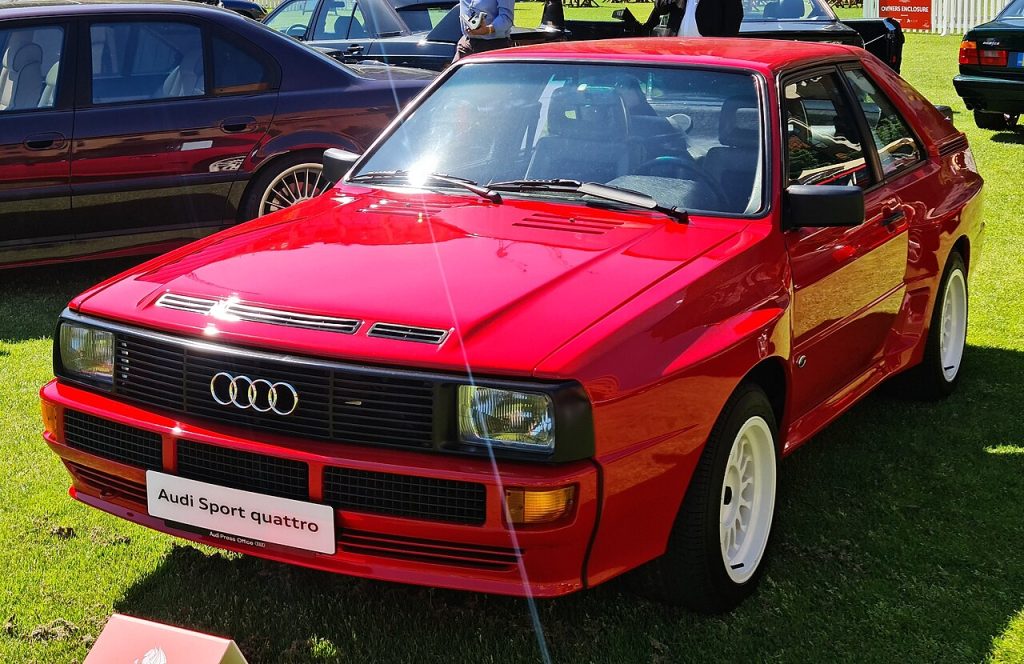
Audi announced the RS 4 Avant edition 25 years in May 2024 as a focused anniversary derivative. It connects the current B9 Avant with the earlier RS4 Sport, giving the commemorative theme both a visual and a technical expression. This profile covers that named edition rather than every late RS 4, every competition package or every car finished in yellow. The exact designation matters when comparing advertisements because several closely related programmes can share equipment. A useful history identifies what Audi offered, where it was allocated and how the specification can be checked on an individual vehicle. The anniversary name is the starting point for that investigation.
The 250-car allocation is European
The manufacturer’s Swiss and French records specify 250 examples for Europe. France’s ten-car allocation is a subset, not a second population to add to the European figure. The workbook’s Global region is corrected for this profile, while its original value remains visible in the reconciliation file. This distinction is more useful than a bare rarity badge because it explains how national-market numbers fit together. A vehicle later exported elsewhere retains its place in the original edition population. The factory cap is stored separately from completed-production and surviving-car totals; no new VIN census is claimed merely from the announcement.
The biturbo V6 and its published performance
Audi’s dated technical sheet gives a 2,894.4 cc V6, 346 kW or 470 PS and 600 Nm, paired with an eight-speed tiptronic transmission and quattro drive. These are the edition’s original manufacturer references. They provide a clear basis for comparison with a regular RS 4 or another special derivative, without importing a later model’s figures. The French announcement states 3.7 seconds to 100 km/h and a 300 km/h maximum. Those are published claims, not an independent test of the photographed car. When assessing a used example, modifications and current condition need to be documented beside the factory specification.
Chassis changes give the anniversary a functional identity
The launch records identify RS sport suspension pro with manual adjustment, a quattro sport differential and more focused front-axle geometry. Ceramic brakes and performance-oriented tire equipment are also part of the programme described by Audi. That makes the edition more than a color-and-badge exercise. For inspection, ask which factory configuration was delivered and whether any suspension settings or components have since changed. Preserve alignment sheets and work invoices so the present setup can be understood. The distinction between original equipment and current adjustment is especially helpful here: an authentic car can be configured differently over time without becoming a different factory edition.
Imola Yellow, black details and the side profile
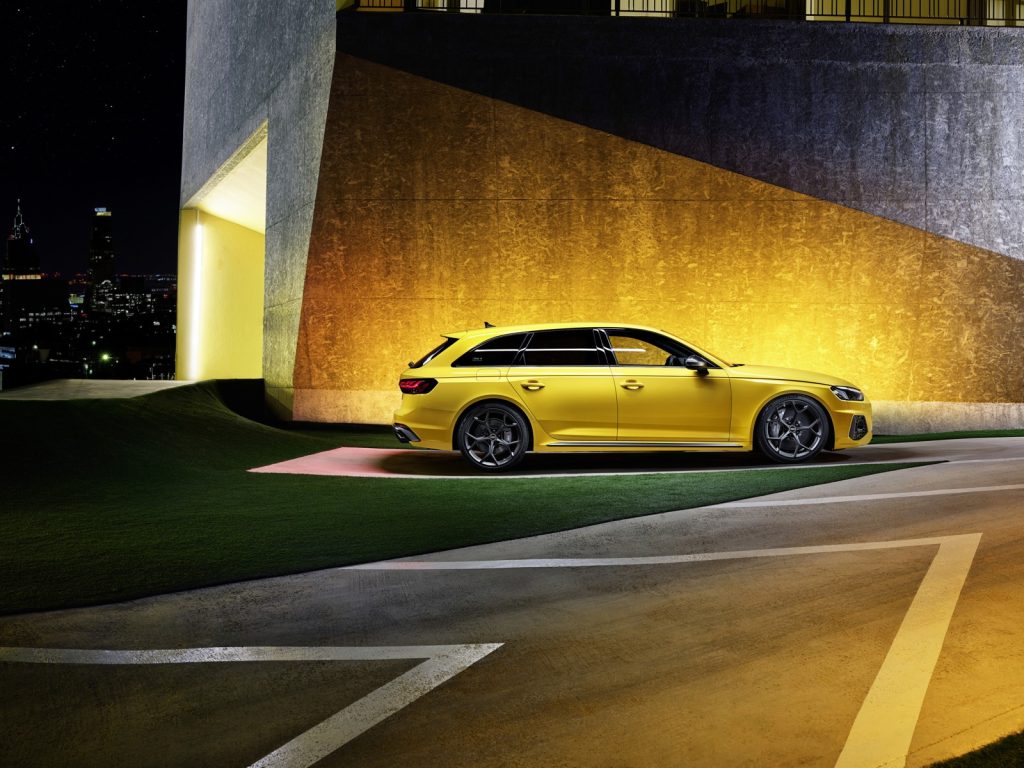
Imola Yellow is the most immediate visual reference to the earlier RS4 Sport, while the programme also includes other finishes. The official photograph shows the yellow anniversary Avant in a full side view, allowing the roofline, wheels and trim treatment to be examined together. Audi describes edition-specific black details and the absence of roof rails. These features help shape the appearance, but each must be checked against factory documentation for a particular vehicle. A color alone cannot establish authenticity. The strongest comparison combines the full exterior, cabin, numbered detail and VIN-linked specification so removable trim is not asked to carry the entire identification claim.
Numbering and the yellow-accented cabin
Audi describes sequential numbering in the center console, together with yellow details and bucket-seat treatment in the interior. Photograph the number clearly, but also record the surrounding parts and compare them with the original specification. A replaceable interior component can support an identity claim without independently proving the chassis behind it. Delivery paperwork, factory equipment data and dated photographs make the relationship stronger. If a numbered part has been replaced, retain the explanation and invoice rather than allowing a gap in the record. The cabin’s interest is both aesthetic and documentary: it turns the anniversary theme into details the owner can preserve.
Accessories, tires and a complete delivery file
The manufacturer account discusses a second wheel-and-tire set, sensor-based track equipment and anniversary-related accessories. For a specific car, establish what its market order and delivery actually included. Record those items individually, with photographs and relevant documents, instead of assuming every used example retains a complete launch package. Also distinguish vehicle equipment from a separately offered commemorative product. Missing accessories may be relevant to completeness, but they should be described precisely rather than turned into a blanket authenticity judgment. This is an area where a detailed delivery inventory can answer questions that mileage and a seller’s phrase such as fully loaded cannot resolve.
How it differs from the RS 6 Avant GT
The RS 6 Avant GT offers a useful contemporary comparison because it also combines limited allocation, factory numbering and a heritage reference. The RS 4 anniversary draws on the earlier RS4 Sport, while the RS 6 GT follows a different design route through the RS 6 GTO concept and IMSA imagery. They have distinct engines, chassis programmes and production scopes. Compare what each edition changes about its base vehicle rather than ranking them only by output or population size. The RS 4’s significance can be explained within its own lineage, giving the reader a clear reason to consult both profiles without blurring their identities.
Condition and modifications to investigate
A specialist assessment should connect the car’s service history with its present specification. Request records for suspension work, alignment, wheel or tire changes, brake replacement, software changes and accident repair. Examine the edition-specific trim and interior alongside the ordinary mechanical checks. These are inspection priorities, not a claim that every anniversary car has a particular defect. The aim is to understand how the vehicle has been used and maintained, and whether the seller’s description matches the evidence. A low-mileage statement cannot answer all of those questions. A transparent file can also explain responsible maintenance without suggesting that any replacement makes an authentic car unacceptable.
The edition’s place in the RS Avant story
The RS 4 Avant edition 25 years provides a concise reference for Audi’s practice of using a scarce road edition to revisit an earlier performance identity. Its numbered European allocation, technical changes and anniversary presentation give the archive a well-defined subject. Read it beside the RS2 and RS 6 profiles to explore how the performance-wagon idea has been expressed at different times, while retaining each car’s own count and market. The profile does not need a predicted future value to explain why the programme matters. Its useful contribution is a clear account of the edition and the evidence needed to identify and document a particular example.
Frequently asked questions
How many RS 4 Avant edition 25 years cars were announced?
Audi specified 250 for Europe. National allocations, such as ten for France, are subsets of that figure.
What engine does the anniversary edition use?
The dated manufacturer technical sheet specifies a 2,894.4 cc biturbo V6 with 346 kW, 470 PS and 600 Nm.
Is every yellow RS 4 an anniversary edition?
No. The edition must be established through a VIN-linked factory specification, with its numbered and edition-specific details as supporting evidence.
Does the 250 total include the RS 5 performance edition?
No. The manufacturer describes separate 250-car allocations for the two named models. This profile counts only the RS 4 anniversary programme.
Explore related vehicle profiles
Sources
- Audi Switzerland — RS 4 Avant edition 25 years, May 2024
- Audi France — 250-car European allocation and specification
- Audi — RS 4 anniversary technical data, German programme, May 2024
History and published specifications follow the linked manufacturer records. Visual comparisons, documentation questions and inspection priorities are editorial analysis. Photographs retain their original subject descriptions and separate rights records.
Photography and credit
Audi RS 4 Avant edition 25 years in Imola Yellow; official static photograph A242130, May 28, 2024. Photo: AUDI AG / Audi Media Center · Audi Media Center: editorial use free of charge. Resized proportionally without additional cropping or color alteration.
Why this machine matters
A numbered 250-car European anniversary edition of the B9 RS 4 Avant, combining a 470 PS biturbo V6, focused chassis equipment and design references to the earlier RS4 Sport.
Built in limited numbers
250 is the factory European edition cap; original workbook Global scope corrected. France 10 is a subset. Separate from RS 5 performance 250 and all ordinary RS4 production. Completed and survivor censuses not certified.
Gallery
Specifications
Factory specifications may vary by model year, market and configuration.
Identity & production
- Official model
- Audi RS 4 Avant edition 25 years
- Base model
- RS 4
Powertrain & performance
- Engine
- 2.9-liter biturbo V6 petrol