Audi R8 LMS GT3 — First Generation
The first-generation Audi R8 LMS GT3 established Audi’s customer racing programme, entering customer competition in 2009 after its 2008 presentation. Audi’s 2018 retrospective reports 137 cars built across the generation’s seven-year cycle. This profile covers that historical family, including its later evolution, rather than every R8 LMS generation or the road-going R8.

The first-generation Audi R8 LMS GT3 established Audi’s customer racing programme, entering customer competition in 2009 after its 2008 presentation. Audi’s 2018 retrospective reports 137 cars built across the generation’s seven-year cycle. This profile covers that historical family, including its later evolution, rather than every R8 LMS generation or the road-going R8.
Audi R8 LMS GT3 — First Generation at a glance
| Manufacturer | Audi |
|---|---|
| Model / programme | R8 LMS |
| Profile scope | Customer competition model |
| Historical reference year | 2009 |
| Inventory reference | AUDI-035 |
| Engine reference | V10 racing installation; output depends on period specification and regulations |
| Reported model production | 137 — First-generation family over its seven-year cycle, reported by Audi in May 2018 |
The R8 LMS that started a customer-racing era
Audi’s anniversary record places the first-generation car’s presentation in 2008 and its customer racing debut in the following season. The distinction explains why an inventory can reasonably use 2009 as its historical reference without claiming that the design first appeared that year. The same record attributes Nürburgring 24-hour wins in 2012 and 2014, and Spa 24-hour wins in 2011, 2012 and 2014, to the first generation. Those results belong to a programme involving different teams and cars. They should not migrate automatically into the history of every chassis carrying an R8 LMS badge.
Rarity: 137 built and 136 delivered are different records
The later factory account reports 137 first-generation cars built during a seven-year model cycle. Audi’s July 2016 milestone instead recorded 136 first-generation cars delivered, alongside 64 second-generation cars. These are dated statements with different wording. This profile uses the later built figure for its model-production field and preserves the earlier delivery figure in the research notes. It does not invent a reason for the difference or identify an extra chassis. The number is far below the archive’s 7,500-car threshold, but says nothing by itself about surviving, active or original-condition cars.
Define the generation before comparing cars
The profile’s scope includes the first-generation family and its development, rather than a narrow count of the earliest specification alone. A later update can alter the appearance and installed equipment of an earlier racing chassis. For an individual car, ask for its build identity, original delivery specification and dated upgrade history. A seller’s use of an evolution name may describe its present configuration rather than its manufacture date. Side-by-side photographs are useful, but a front bumper or wing can be replaced. The body shape should introduce a documentation enquiry, not end it.
Road R8, GT3 R8 and prototype R8
The R8 name connects several distinct kinds of vehicle. A road-car service book does not substitute for a GT3 chassis record, and a road edition’s production limit does not measure the racing population. Likewise, the sports prototypes associated with Le Mans need their own histories. For a collection display, identify the competition category before listing results or specifications. This makes the customer car’s purpose easier to understand: its meaning comes from a racing programme and its operating record. Shared branding is a useful historical connection, but it is insufficient evidence of shared chassis identity.
What race provenance should prove
Build a chassis timeline from delivery documents, team records, dated photographs, entry lists and technical inspection records. Match the car through changes of team, race number and livery. A sponsor scheme is among the easiest parts of a racing car to recreate, so a familiar paint layout cannot prove that it appeared in a particular winning race. When a result is documented only at team level, say so. Distinguish a race entered from a race started or finished. A short, supported competition history is more useful to a collector than a long list copied from the model’s overall achievements.
Originality in a working competition car
For a racer, originality needs a more precise description than a single yes-or-no label. The chassis, body panels, powertrain, safety equipment and electronics can each have different histories. A replacement engine need not erase the chassis’s documented race record, but it changes what can be claimed about the installed mechanical package. Keep rebuild invoices and component identifiers alongside the chassis documents. Suggested inspection priorities include evidence of structural repair, the quality of later installations and consistency between the supplied spares and the car. These are review questions, not findings about the photographed example.
Why service records matter as much as trophies
An appealing race history explains where a car has been; a maintenance history helps establish what is now being offered. Record running time where available, rebuild dates, storage conditions and the provenance of major spare assemblies. A historic competition car may be displayed, demonstrated or raced under different requirements, and the intended use should be decided before judging readiness. Do not turn a past race result into a guarantee of present reliability. An experienced competition specialist should assess the actual chassis and equipment against the event in which an owner intends to use it.
Reading the bundled 2009 Spa photograph
The source identifies the bundled image as an R8 LMS at Spa in 2009. That period setting makes it particularly helpful for this early-generation profile. The photograph can explain the competition body’s proportions, wing and livery at the time of exposure. It cannot authenticate a complete mechanical inventory, establish all previous owners or confer the programme’s later endurance wins on this car. Preserve the original photographer credit and description when reusing the image. If a future owner supplies a new photograph, label the date and configuration so readers can compare development without mistaking ordinary changes for new chassis.
Building a useful first-generation R8 LMS collection file
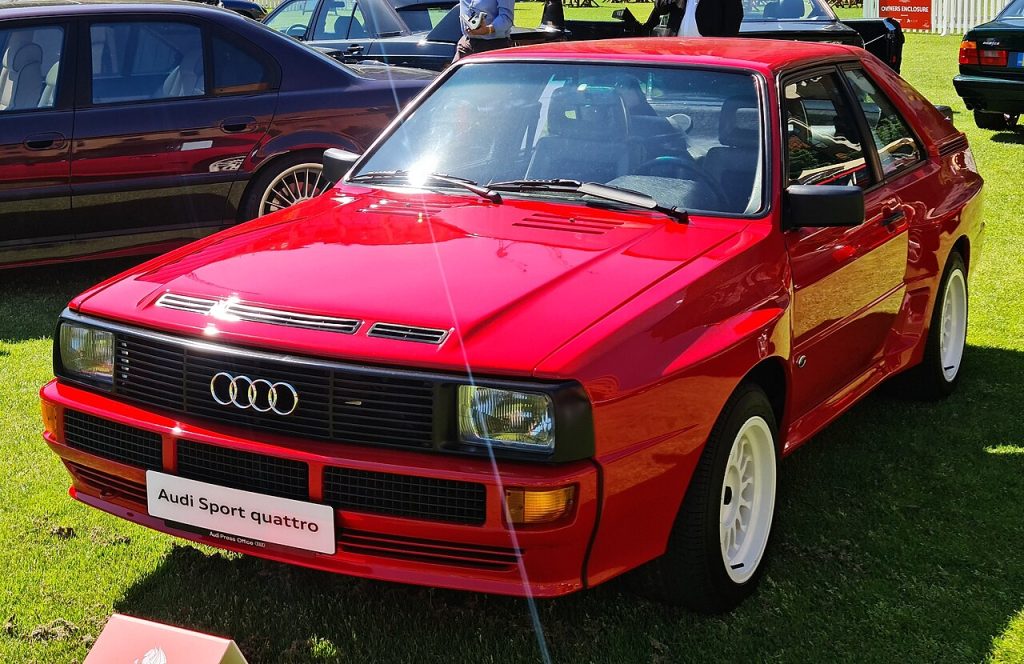
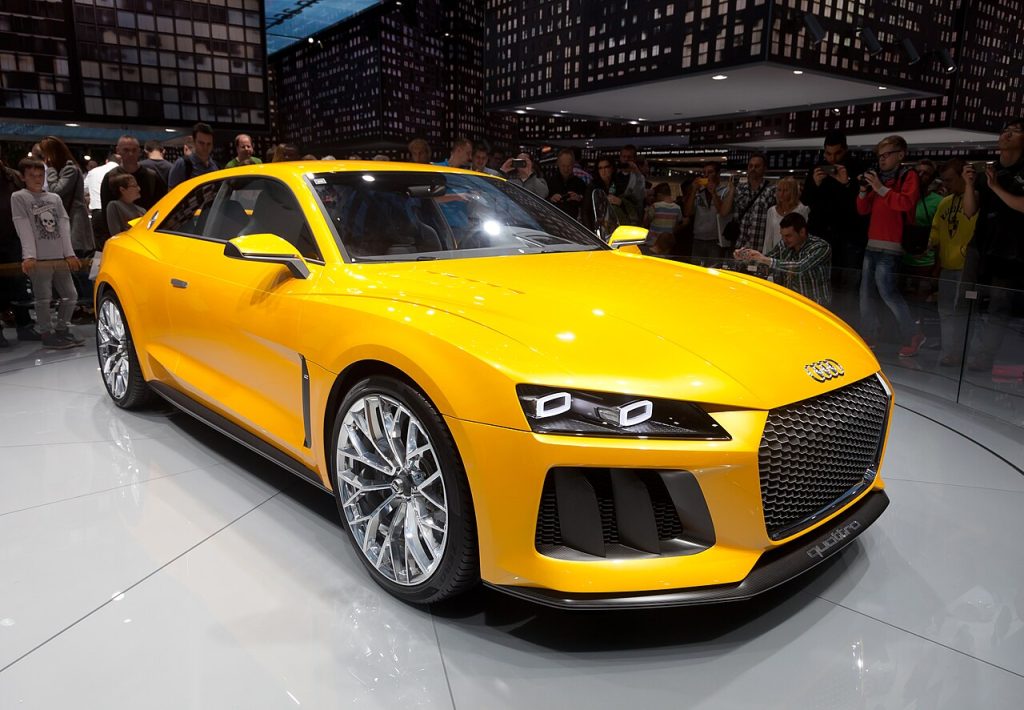
A strong file begins with a clearly identified chassis and then separates its original specification, recorded competition life and present configuration. Include a dated condition report, component history, restoration account, photographs before repairs and a list of spares. Describe any claimed factory involvement with supporting correspondence rather than relying on a livery. For display, the early R8 GT road edition gives visitors a complementary view of performance-car development, while the Le Mans quattro study supplies an earlier design connection. Each subject has a different reason for being rare; retaining those differences makes the history more coherent.
Collector significance beyond the headline count
The first-generation R8 LMS is interesting because it provides a concrete route into Audi’s customer-racing history. A collector can study the relationship between factory development, independent teams and repeated competition use. That interest does not require an unsupported claim that every surviving car is a winner. The best examples to document are those whose records allow their development to be followed honestly. An unexceptional race result with a complete chassis file can be more informative than an impressive story without supporting evidence. The model total gives context; the individual record gives a particular car its historical character.
Frequently asked questions
How many first-generation Audi R8 LMS cars were built?
Audi’s May 2018 retrospective reports 137 built during the first generation’s seven-year cycle. Its earlier July 2016 report stated 136 delivered.
Why is this profile dated 2009?
The first-generation car was presented in 2008 and entered customer competition in 2009. The profile uses the competition-debut year.
Does the count include later R8 LMS generations?
No. The 137 figure is scoped to the first generation; the second-generation GT3, GT4 and GT2 programmes have separate identities.
Does a winning livery prove race history?
No. Authenticate a particular chassis with contemporary records. Paintwork and race numbers can change or be recreated.
Explore related vehicle profiles
Sources
- Audi — Ten years of Audi Sport customer racing, 11 May 2018
- Audi — 200th R8 LMS milestone, July 2016
History and published specifications follow the linked manufacturer records. Visual comparisons, documentation questions and inspection priorities are editorial analysis. Photographs retain their original subject descriptions and separate rights records.
Photography and credit
First-generation Audi R8 LMS photographed at Spa in 2009, as identified by the source. The programme history does not certify this chassis’s individual results. Photo: DoomWarrior / Wikimedia Commons · CC BY-SA 3.0. Wikimedia thumbnail resized from original; no cropping or color changes.
Why this machine matters
The first-generation Audi R8 LMS GT3 established Audi’s customer racing programme, entering customer competition in 2009 after its 2008 presentation. Audi’s 2018 retrospective reports 137 cars built across the generation’s seven-year cycle. This profile covers that historical family, including its later evolution, rather than every R8 LMS generation or the road-going R8.
Built in limited numbers
The later factory account reports 137 first-generation cars built during a seven-year model cycle. Audi’s July 2016 milestone instead recorded 136 first-generation cars delivered, alongside 64 second-generation cars. These are dated statements with different wording. This profile uses the later built figure for its model-production field and preserves the earlier delivery figure in the research notes. It does not invent a reason for the difference or identify an extra chassis. The number is far below the archive’s 7,500-car threshold, but says nothing by itself about surviving, active or original-condition cars.
Gallery
Specifications
Factory specifications may vary by model year, market and configuration.
Identity & production
- Official model
- Audi R8 LMS GT3 — First Generation
- Base model
- R8 LMS
- Worldwide production
- 137
Powertrain & performance
- Engine
- V10 racing installation; output depends on period specification and regulations