2010 Peugeot EX1 — Electric Performance Demonstrator
Explore the EX1 — Electric Performance Demonstrator: history, verified identity, specification references, rarity evidence and real credited photos.
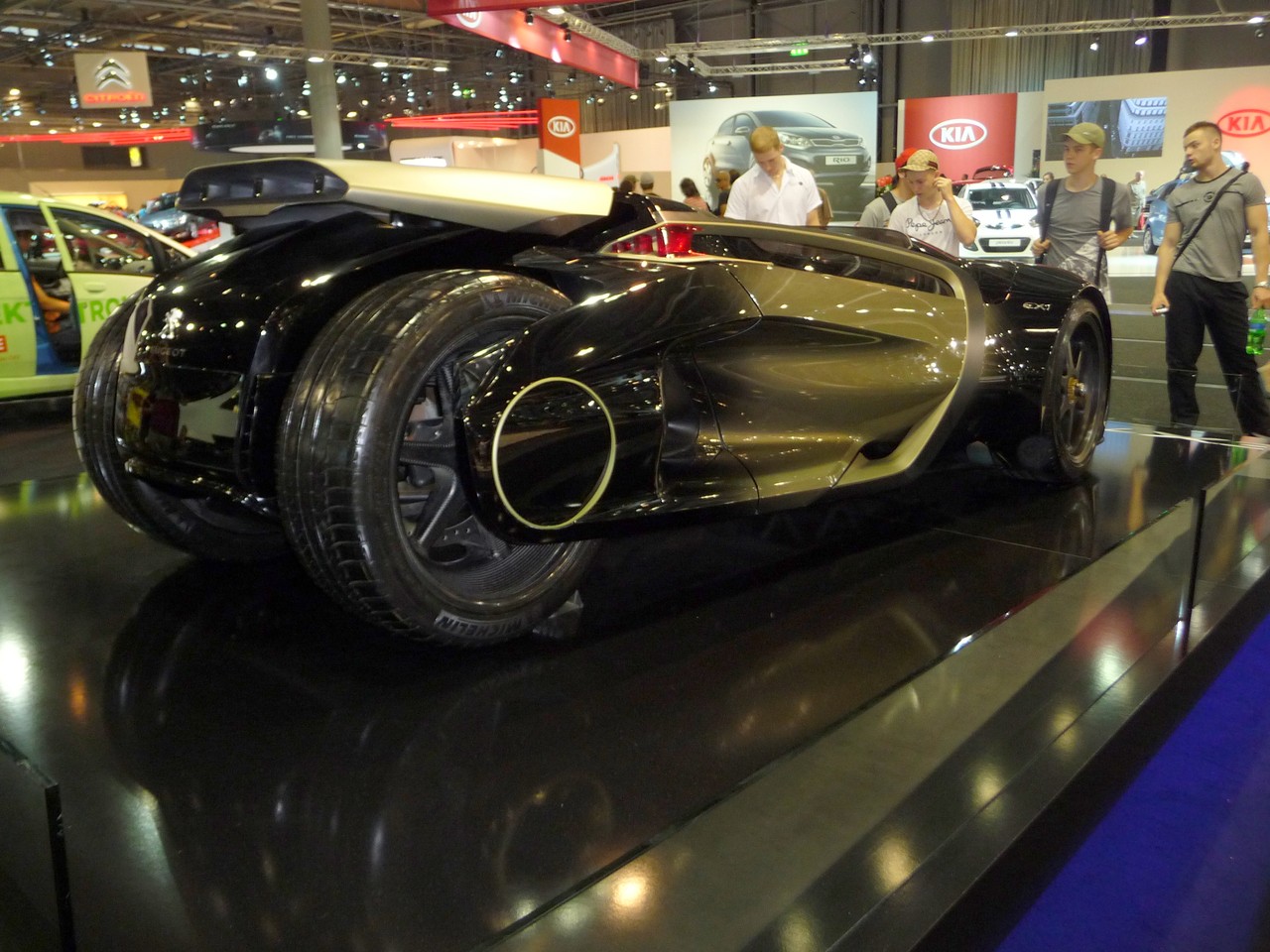
The EX1 celebrated Peugeot's bicentenary through an electric performance demonstrator rather than a conventional commemorative road edition. Its 2010 proposition combined two electric motors, four-wheel drive and a very low, tapering body. Peugeot linked its compact-cabin architecture with the earlier Asphalte and 20Cup experiments. This profile follows the physical demonstrator, keeping manufacturer technical references, acceleration-record claims and the identity of a specific surviving object in their proper scopes.
A bicentenary project with a technical purpose
Peugeot used EX1 to connect its long manufacturing history with an electric performance proposition. The project was not simply an anniversary paint package or a new retail sports-car grade. Its physical construction allowed the manufacturer to explore and demonstrate electric drive in a specialised lightweight form. That makes it an archive subject, whose development and test history should be recorded separately from normal customer-production totals.
Peugeot: original EX1 architecture, motors and performance programme
Two motors and four-wheel drive
The original manufacturer description gives one electric motor at each axle, each with a peak reference of 125 kW. The combined figure is 250 kW, expressed as 340 ch, with a 480 Nm torque reference divided between the front and rear systems. These are attributed technical descriptions of the demonstrator. They do not establish a present dynamometer result, the condition of its battery or the exact configuration retained after later exhibitions and workshop changes.
A wide front and a tapering rear
EX1's body narrows dramatically behind the cockpit, drawing on packaging ideas Peugeot associates with the Asphalte and 20Cup. The connection concerns architecture and concentration of mass, not an identical wheel arrangement or inherited chassis. The 20Cup is a three-wheeler, while EX1 retains a four-wheel layout. Accurate descriptions matter because an unusual rear track can otherwise lead a photograph caption to repeat the wrong construction detail across several different concepts.
Peugeot: original EX1 architecture, motors and performance programme
Performance demonstrations and record language
Peugeot's launch material discusses acceleration achievements within the project's testing and publicity. Such claims should retain their specific event, distance, category and measurement context. This article does not replace that dossier with a generic fastest-electric-car superlative or an invented top speed. An acceleration record and a road-approval certificate are different things, and neither automatically establishes the current operating condition of a demonstrator photographed years later in a collection.
Peugeot: detailed contemporary EX1 description
An exhibit with a continuing archive history
Later photographs can document EX1's appearance, while custody and workshop records establish the identity and equipment of the actual object. Scale models, electronic recreations and repeated displays are not additional physical demonstrators. The manufacturer material supports a real programme and a detailed technical proposition, but no independently reconciled all-development construction count is assigned here. Its historical significance remains the combination of a physical electric-drive experiment and a deliberate connection with Peugeot's earlier architectural studies.
Specifications and identity reference
| Introduction | 2010 bicentenary programme |
|---|---|
| Status | Physical electric performance demonstrator |
| Drive | Four-wheel drive; one motor at each axle |
| Peak motor references | 125 kW front / 125 kW rear |
| Combined manufacturer output | 250 kW / 340 ch |
| Combined torque reference | 480 Nm; 240 Nm at each axle |
| Wheel distinction | Four wheels; not the 20Cup’s three-wheel layout |
| Completed physical-build census | Not assigned |
Rarity and production scope
Verified physical EX1 demonstrator. Technical and record references remain manufacturer-attributed and context-specific. No fastest-car superlative, retail allocation or independently audited exclusive build total is inferred.
This is an Archive record. Concepts, restored heritage vehicles, works cars and competition programmes are not added to customer road-production totals. A programme profile does not establish how many physical chassis were made, and repeated exhibition appearances do not create additional vehicles.
What the photograph represents
Physical Peugeot EX1 at the Brno motor show in 2011. Later exhibition reference for the 2010 demonstrator; the photo does not certify a particular record-run configuration.
Related Peugeot heritage profiles
Frequently asked questions
Is EX1 a three-wheeler like 20Cup?
No. Its narrowing rear track still uses a four-wheel layout.
Do historical acceleration claims establish current performance?
No. They belong to the dated test programme and its specific conditions.
What is the production-count boundary for this profile?
Verified physical EX1 demonstrator. Technical and record references remain manufacturer-attributed and context-specific. No fastest-car superlative, retail allocation or independently audited exclusive build total is inferred.
Sources and further reading
- Peugeot: original EX1 architecture, motors and performance programme
- Peugeot: detailed contemporary EX1 description
Research checked 16 October 2026. Linked factory, heritage and specialist-register records support the specifically attributed claims. Photographic descriptions identify the illustrated subject. Design analysis and suggested authentication steps are editorial interpretation.
Built in limited numbers
Verified physical EX1 demonstrator. Technical and record references remain manufacturer-attributed and context-specific. No fastest-car superlative, retail allocation or independently audited exclusive build total is inferred.
Gallery
Specifications
Factory specifications may vary by model year, market and configuration.
Identity & production
- Official model
- Peugeot EX1 — Electric Performance Demonstrator
Sources and verification
Source citations are being prepared for this profile.