2005 Peugeot 20Cup — Physical Concept Pair
Explore the 20Cup — Physical Concept Pair: history, verified identity, specification references, rarity evidence and real credited photos.
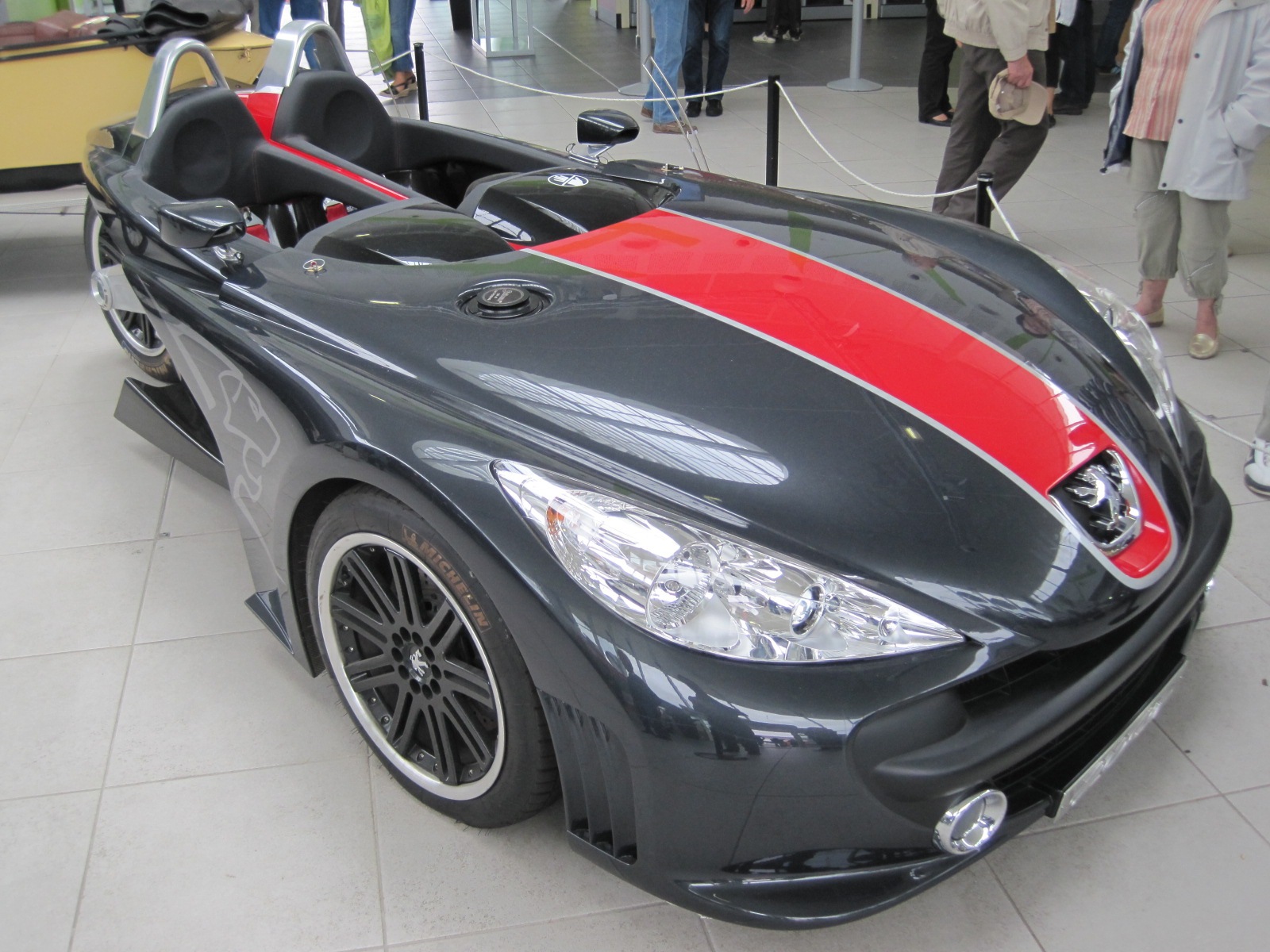
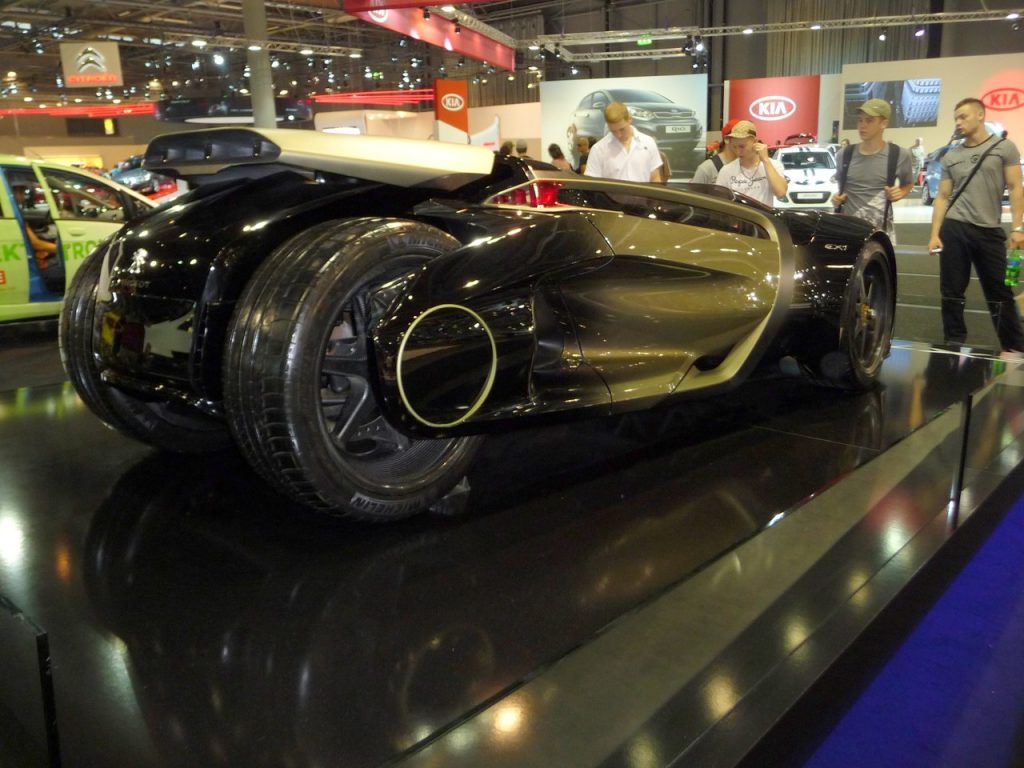
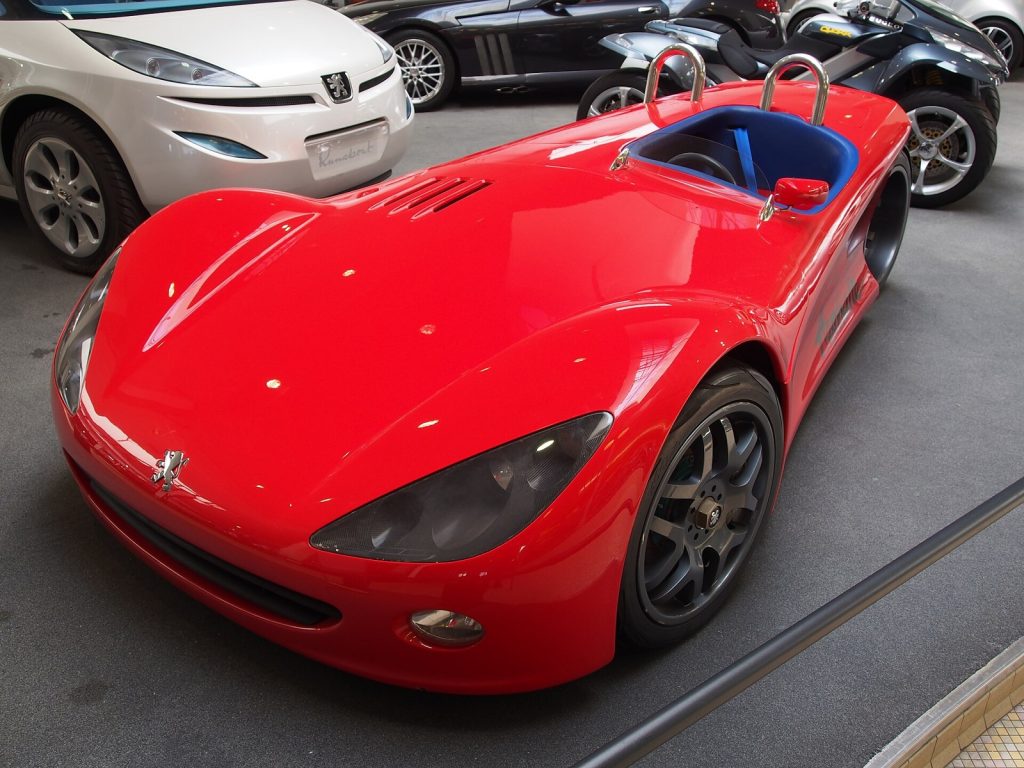
The 20Cup distilled Peugeot's sporting concept work into an open two-seat machine with two wheels at the front and one at the rear. It belongs to 2005, but the inventory's single-car shorthand needs qualification: Peugeot's later EX1 announcement explicitly refers to two 20Cup concepts. This profile treats those physical examples as one programme, recording the distinctive architecture without creating separate rare editions for their contrasting colour treatments.
A clear three-wheel identity
The 20Cup is a true three-wheeler, making it different from the Asphalte's closely paired rear wheels. The single rear wheel and tapering body are structural parts of the concept's proposition rather than a visual trick. Photographs of the actual show vehicle allow that distinction to be seen directly. A correct wheel count is a small but important safeguard against repeating a family resemblance as though it were an identical mechanical layout.
Peugeot: primary retrospective identifying two 2005 20Cup concepts
Why the front and rear tell different stories
The front presents a broad automotive face and a two-seat cockpit, while the rear narrows towards a motorcycle-like wheel arrangement. That contrast is the design's main attraction. It allows an interpretation of how Peugeot explored a small sports vehicle without assuming that the resulting handling or safety characteristics were equivalent to a conventional four-wheeled roadster. Visible architecture can explain the idea; detailed dynamic conclusions would require the original development tests.
Two physical examples within one programme
Peugeot's EX1 material retrospectively refers to the two 20Cup vehicles of 2005. That primary wording corrects an inventory entry that lists only one, but it does not establish an independently audited all-time census of every development object. The black and white presentations should not be converted into unrelated customer editions. A programme-level record keeps their relationship clear and avoids doubling the same design history simply because photographs show different colour schemes.
Peugeot: primary retrospective identifying two 2005 20Cup concepts
The connection with the later 207 Spider
Peugeot's 2006 Paris announcement identifies the 207 Spider as derived from the 20Cup idea while adopting a more conventional four-wheel layout and a different engine position. That is a useful example of a concept influencing a subsequent vehicle without being copied unchanged. It also supplies an important identity boundary: a 207 Spider is not another 20Cup, and its customer competition records should not become a production count for the earlier experimental pair.
Peugeot: distinct 207 Spider development from 20Cup
The place in Peugeot’s architectural experiments
The manufacturer later linked the Asphalte and 20Cup with the compact-cabin approach of EX1. These connections make a coherent design history across different powertrains and wheel arrangements. They do not prove that all the projects share the same chassis or technical specification. For a physical 20Cup, exhibition photographs, custody and workshop records should identify the particular object and any later changes. No road-car allocation or unqualified exclusive-build total is assigned here.
Specifications and identity reference
| Programme year | 2005 |
|---|---|
| Body proposition | Open two-seat concept |
| Wheel layout | Two front wheels; one rear wheel |
| Manufacturer physical reference | Two 20Cup examples in later EX1 account |
| Inventory correction | Single-car shorthand not retained as an exclusive total |
| Related development | 207 Spider; distinct four-wheel layout |
| Customer-production scope | Not assigned |
| Completed all-development census | Not independently reconciled |
Rarity and production scope
Verified physical 20Cup programme. Peugeot's later primary account identifies two 2005 examples, correcting the inventory's one-car shorthand. The pair is one programme here, not separate colour editions or an audited all-development census.
This is an Archive record. Concepts, restored heritage vehicles, works cars and competition programmes are not added to customer road-production totals. A programme profile does not establish how many physical chassis were made, and repeated exhibition appearances do not create additional vehicles.
What the photograph represents
Physical Peugeot 20Cup concept at a display. It illustrates one presentation of the programme; the two primary-referenced 2005 examples remain one profile here.
Related Peugeot heritage profiles
Frequently asked questions
Does 20Cup have the same rear-wheel layout as Asphalte?
No. 20Cup uses one rear wheel; Asphalte has a closely spaced pair.
Why is this not labelled one of one?
Peugeot’s later primary account explicitly refers to two 20Cup examples.
What is the production-count boundary for this profile?
Verified physical 20Cup programme. Peugeot's later primary account identifies two 2005 examples, correcting the inventory's one-car shorthand. The pair is one programme here, not separate colour editions or an audited all-development census.
Sources and further reading
- Peugeot: primary retrospective identifying two 2005 20Cup concepts
- Peugeot: distinct 207 Spider development from 20Cup
Research checked 16 October 2026. Linked factory, heritage and specialist-register records support the specifically attributed claims. Photographic descriptions identify the illustrated subject. Design analysis and suggested authentication steps are editorial interpretation.
Built in limited numbers
Verified physical 20Cup programme. Peugeot's later primary account identifies two 2005 examples, correcting the inventory's one-car shorthand. The pair is one programme here, not separate colour editions or an audited all-development census.
Gallery
Specifications
Factory specifications may vary by model year, market and configuration.
Identity & production
- Official model
- Peugeot 20Cup — Physical Concept Pair
Sources and verification
Source citations are being prepared for this profile.