2006 Peugeot 908 RC Concept
Explore the 908 RC Concept: history, verified identity, specification references, rarity evidence and real credited photos.
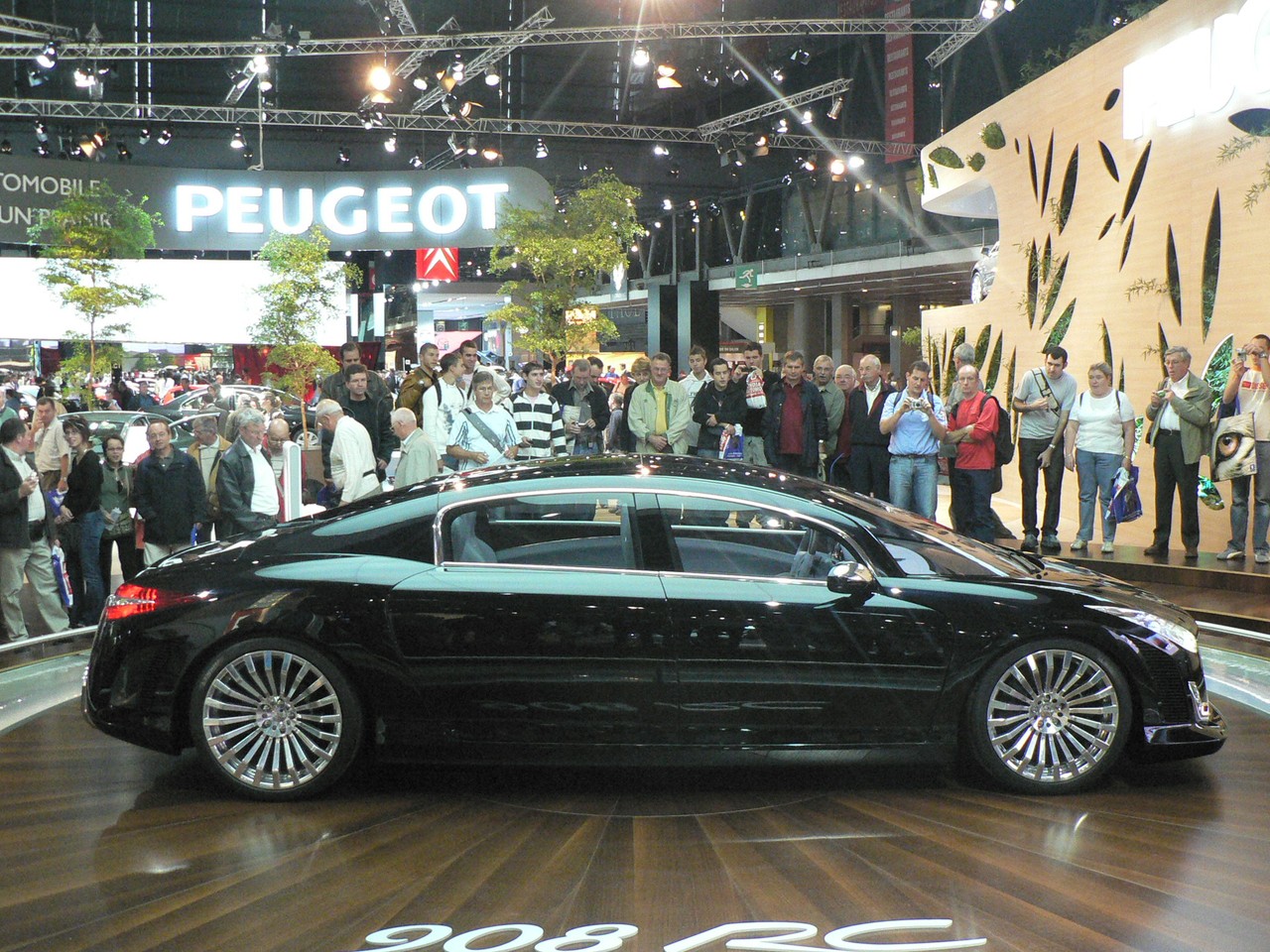
The 908 RC placed a spectacular diesel powertrain proposition inside a four-seat, four-door grand-touring concept. Peugeot introduced it in 2006 while preparing the 908 endurance-racing programme, but the two vehicles have different purposes and physical identities. The concept's unusual engine placement, long body and luxury cabin are central to its story. This profile records the manufacturer-described architecture and keeps it separate from race results, retail production and independently measured performance.
A four-seat interpretation of a racing-engine idea
Peugeot's original announcement explains that the 908 RC name refers to the V12 HDi FAP powertrain intended for the approaching endurance programme. The concept used that association to imagine an exceptional passenger vehicle rather than another Le Mans race entry. This distinction matters: a concept limousine can share an engineering proposition with a competition programme without inheriting its race history, chassis construction or completed-build count.
Peugeot: original 908 RC architecture, engine and design announcement
The V12 diesel reference
The original manufacturer material describes a 5.5-litre V12 with a wide cylinder-bank angle and particulate filtration. It quotes more than 515 kW and a torque reference beyond 1,200 Nm. Those figures belong to the concept announcement, not an independent test of the surviving exhibit. They should not be silently replaced by a particular season's racing-engine output or treated as a certificate that every illustrated physical installation operated at the advertised maximum.
A transverse rear-mid-engine arrangement
Peugeot describes the powertrain mounted transversely behind the cabin, with the gearbox beneath the engine. That unusual arrangement was intended to make room for four occupants and a usable luggage space. It is the architectural heart of the project and helps explain its distinctive proportions. The packaging claim can be reported as the factory's design intention without assuming that the concept completed the durability and servicing validation expected of a series-production luxury car.
Peugeot: original 908 RC architecture, engine and design announcement
A long body and an expansive cabin
The concept's low profile, large wheels and forward-set cabin gave an unfamiliar appearance to the four-door grand-touring brief. Peugeot's announcement also emphasises interior materials, comfort and a sculptural interpretation of the lion identity. These details connect the technical proposition with a passenger experience. Visible form and cabin presentation are legitimate subjects for design analysis, while unseen structural performance, safety approval and current operating condition remain separate matters requiring their own evidence.
Peugeot: original 908 RC architecture, engine and design announcement
908 RC is not the 908 HDi FAP race programme
The racing 908 and the RC concept must retain separate archive records. The former is defined by competition entries, technical regulations and event results; the latter by a physical show-car programme and its proposed road-going experience. A similar engine designation is not enough to merge them. Peugeot describes the RC as a one-off concept, but this profile does not equate that wording with an independently reconciled census of every mock-up, demonstrator and later retained physical object.
Specifications and identity reference
| Introduction | 2006 Paris-show programme |
|---|---|
| Vehicle proposition | Four-door, four-seat grand tourer |
| Engine reference | 5.5-litre V12 HDi FAP diesel |
| Published concept output | More than 515 kW |
| Published concept torque | Beyond 1,200 Nm |
| Powertrain position | Transverse rear-mid-engine; gearbox beneath |
| Distinct programme | 908 HDi FAP endurance race car |
| Physical-build census | Not independently reconciled |
Rarity and production scope
Verified physical 908 RC concept. Its technical figures and packaging are manufacturer concept descriptions. Race-car results and counts remain separate; one-off wording is not promoted to an independent physical-build audit.
This is an Archive record. Concepts, restored heritage vehicles, works cars and competition programmes are not added to customer road-production totals. A programme profile does not establish how many physical chassis were made, and repeated exhibition appearances do not create additional vehicles.
What the photograph represents
Physical Peugeot 908 RC photographed at a display. This four-door concept is distinct from the 908 HDi FAP endurance-racing programme.
Related Peugeot heritage profiles
Frequently asked questions
Did the four-door 908 RC win Le Mans?
No. The endurance results belong to the distinct 908 HDi FAP race programme.
Are its quoted figures independent test results?
They are manufacturer concept references from the original announcement.
What is the production-count boundary for this profile?
Verified physical 908 RC concept. Its technical figures and packaging are manufacturer concept descriptions. Race-car results and counts remain separate; one-off wording is not promoted to an independent physical-build audit.
Sources and further reading
Research checked 16 October 2026. Linked factory, heritage and specialist-register records support the specifically attributed claims. Photographic descriptions identify the illustrated subject. Design analysis and suggested authentication steps are editorial interpretation.
Built in limited numbers
Verified physical 908 RC concept. Its technical figures and packaging are manufacturer concept descriptions. Race-car results and counts remain separate; one-off wording is not promoted to an independent physical-build audit.
Gallery
Specifications
Factory specifications may vary by model year, market and configuration.
Identity & production
- Official model
- Peugeot 908 RC Concept
Sources and verification
Source citations are being prepared for this profile.