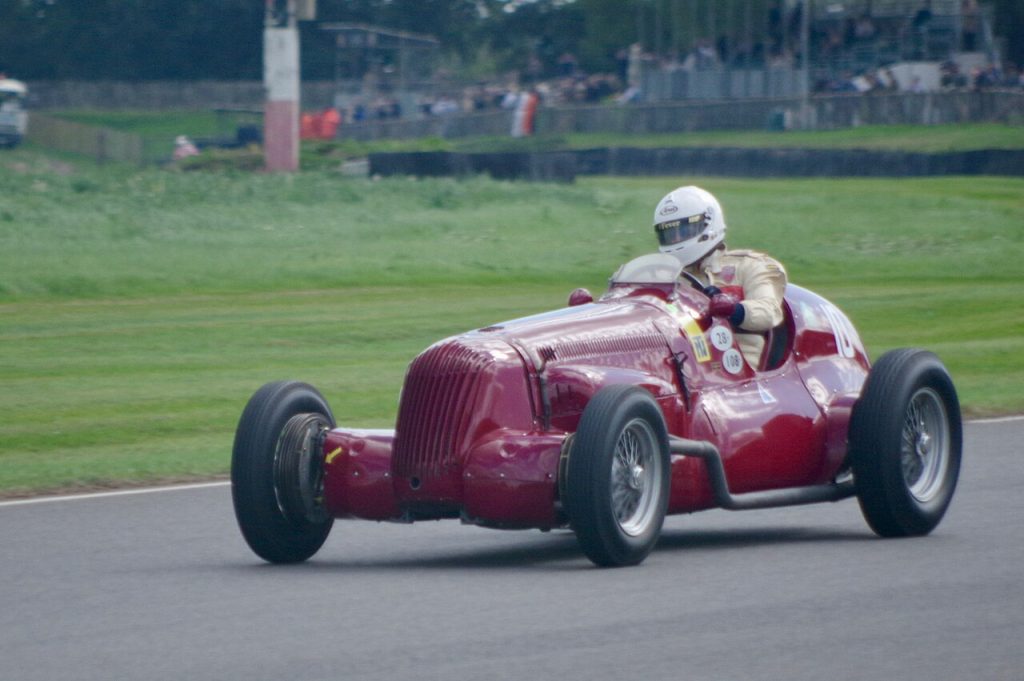
Maserati 1935
1935 Maserati V8RI
The Maserati V8RI brought a supercharged V8 and independent-suspension thinking to the marque’s pre-war Grand Prix programme. Its small reported run remains distinct from later single-seater Types.
RARITY RIDES / BROWSE BY PRODUCTION
Explore vehicle programmes with approved, documented figures up to 7,500. Completed totals, manufacturer-reported figures and announced programme limits remain separately labelled. Regional deliveries, colour subsets and surviving examples are not substituted for a whole-programme figure.
Explore the collection
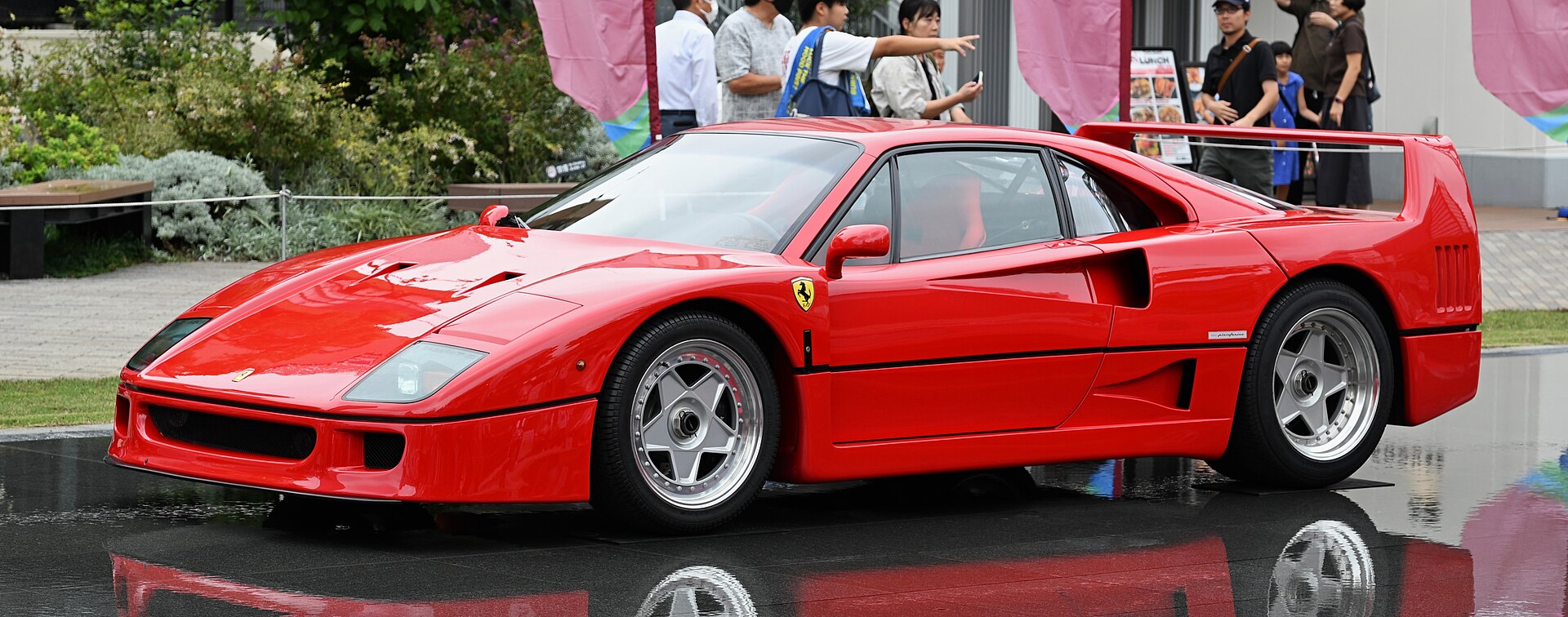
IN THE ARCHIVEFerrari F40↗A MORE CONSIDERED COLLECTION
Profiles without an approved figure stay in the collection without a numerical band. Competition and concept archives have their own view and do not enter the numerical production bands. No number is inferred from the words “rare” or “one-off”.
A band can contain documented totals, manufacturer-reported figures and announced programme limits. Use the figure-basis filter to separate them. A blank count is never treated as zero.
THE COLLECTION
1,855 profiles
Maserati 1935
The Maserati V8RI brought a supercharged V8 and independent-suspension thinking to the marque’s pre-war Grand Prix programme. Its small reported run remains distinct from later single-seater Types.
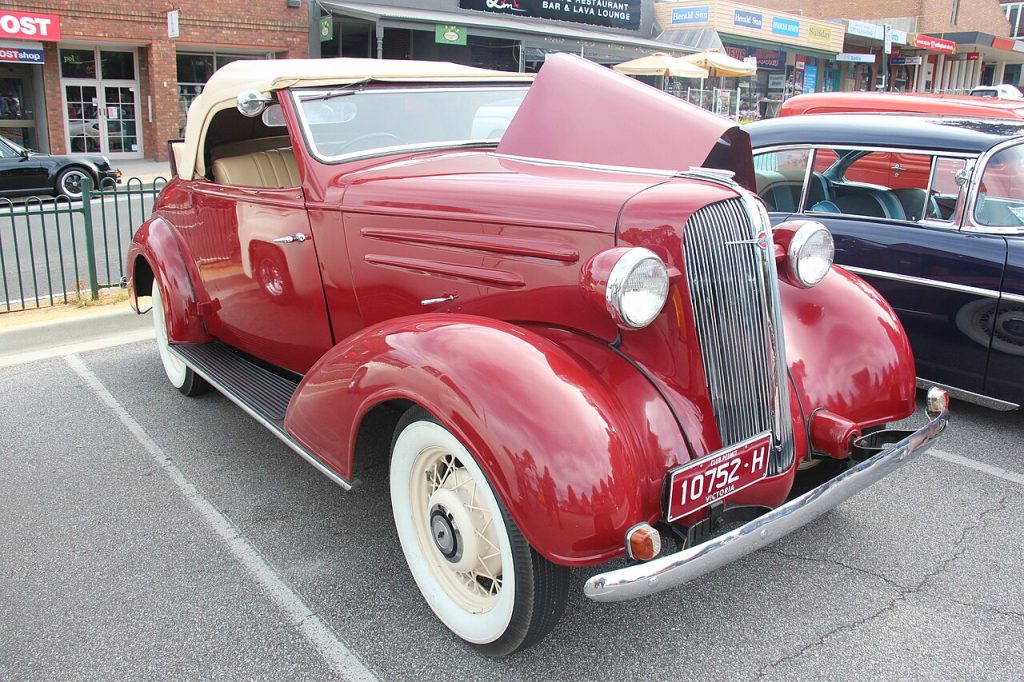
Chevrolet 1936
The 1936 Chevrolet Standard Cabriolet combines a restrained prewar chassis identity with the appeal of an open body. The important words are Standard and Cabriolet: together they define the model scope, rather…
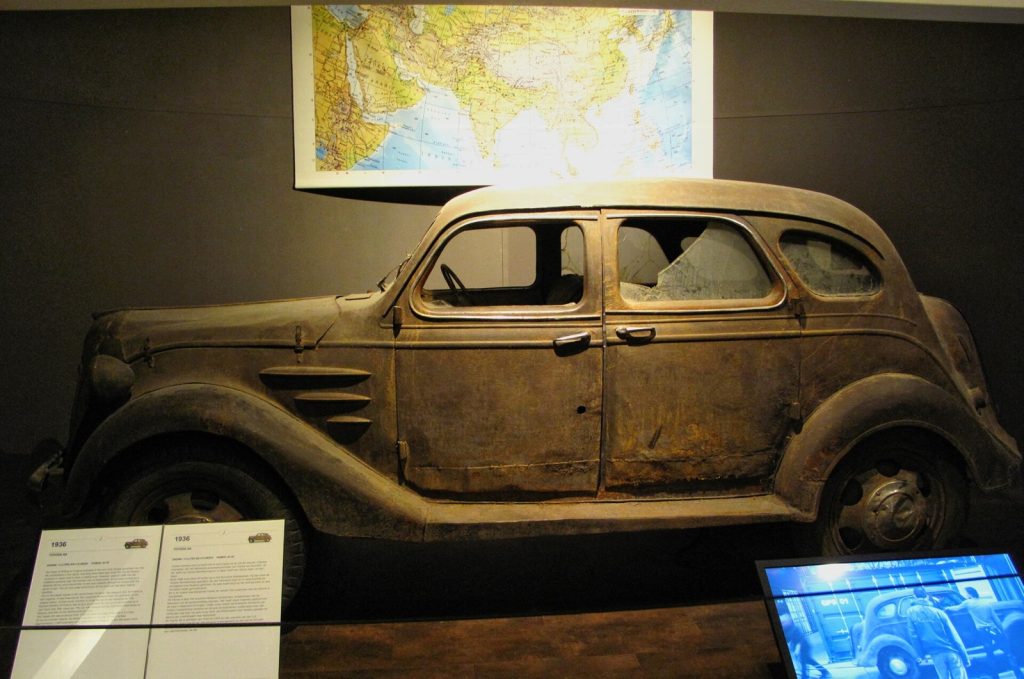
Toyota 1936
The Model AA marks Toyota’s transition from an industrial ambition into a passenger-car manufacturer. Introduced in 1936 under the Toyoda name, its streamlined sedan body and six-cylinder engine belong to a programme…
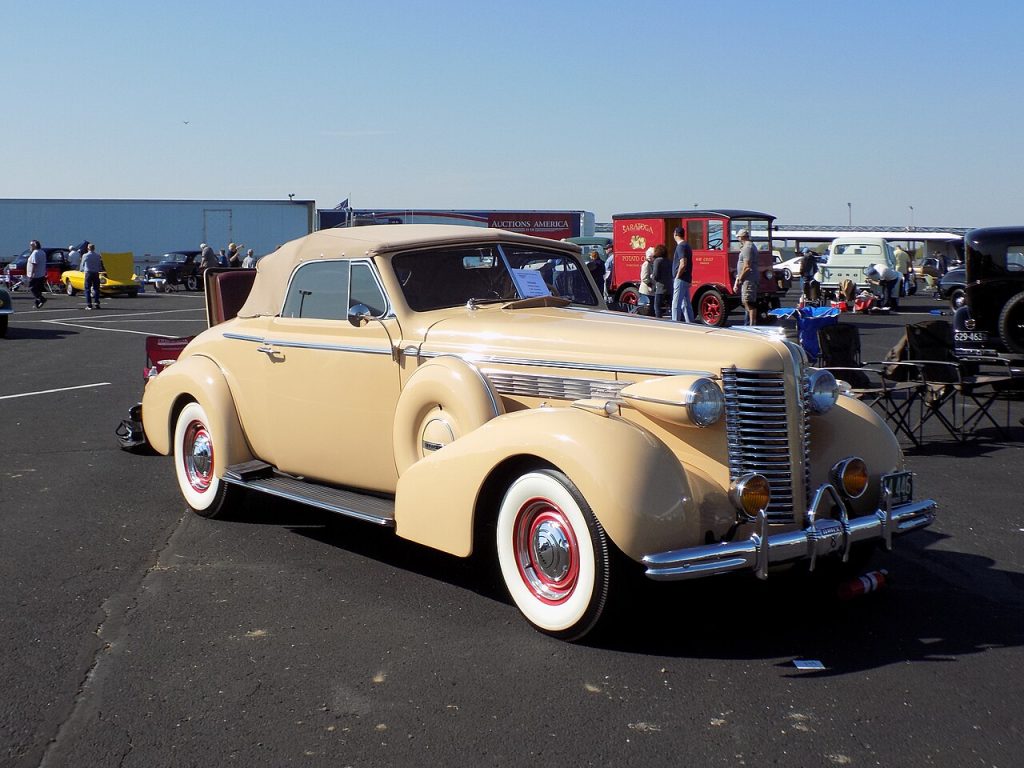
Buick 1938
1938 Buick Century Convertible Coupe 66-C brings a scarce, body-specific open-car story to Buick’s catalogue. This profile explains its history, specification, production scope and collector significance with named sources and credited photographs.
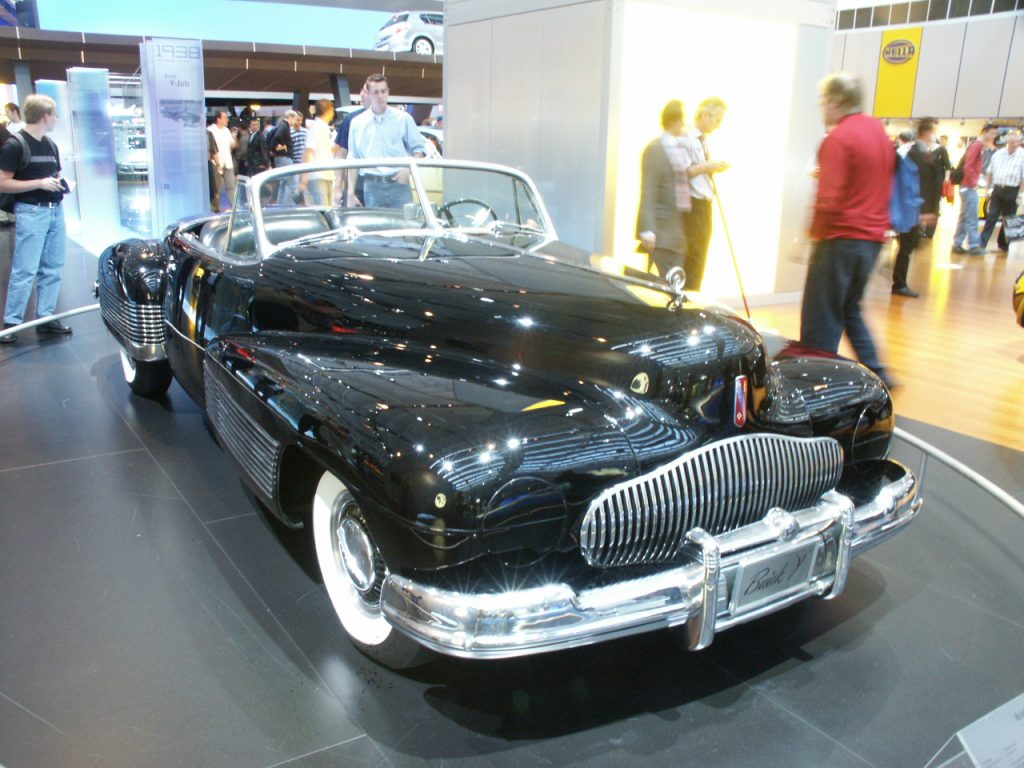
Buick 1938
1938 Buick Y-Job brings a documented physical design experiment into Buick’s history. This profile explains its history, specification, production scope and collector significance with named sources and credited photographs.
Lincoln 1938
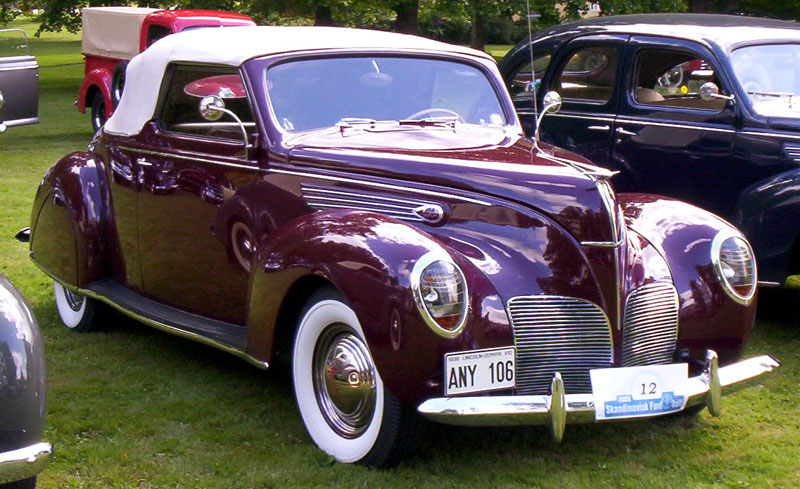
The 1938 Lincoln-Zephyr Convertible Coupe combines the Zephyr’s flowing shape with an open passenger compartment. It is the specific two-door body, rather than every Zephyr built that year, that gives this profile…
Maserati 1938
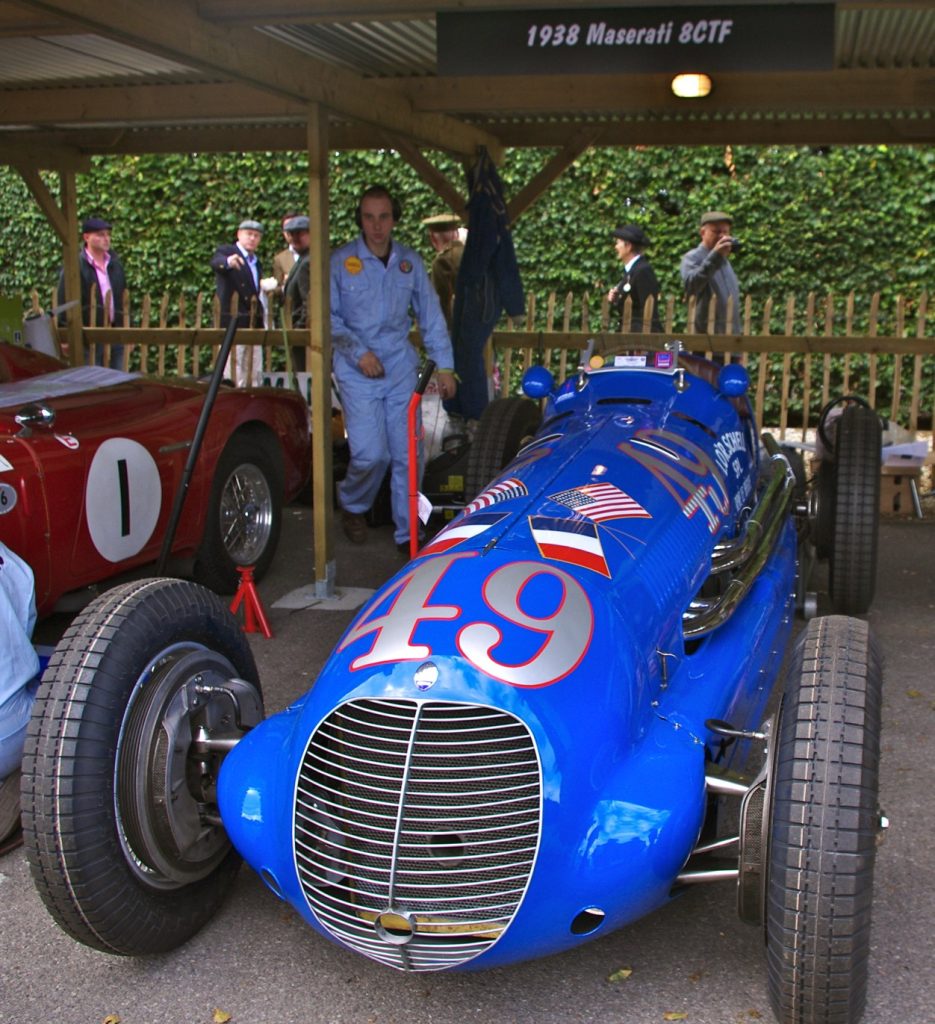
The Maserati 8CTF connects pre-war Grand Prix engineering with the marque’s celebrated Indianapolis victories. Its three-car programme should remain distinct from the identity of the famous Boyle Special.
Mercedes-Benz 1938
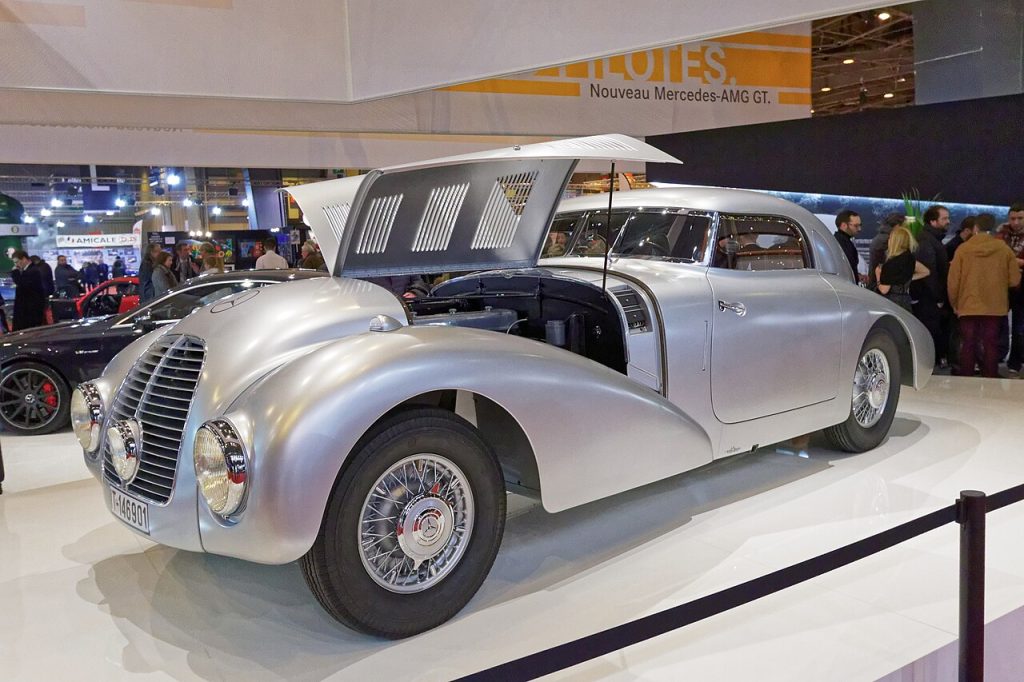
The 1938 Mercedes-Benz 540 K Streamliner explores a different kind of pre-war performance from an open supercharged roadster. Its long enclosed form was an aerodynamic tool, not simply an ornamental body. Mercedes-Benz…
Buick 1939
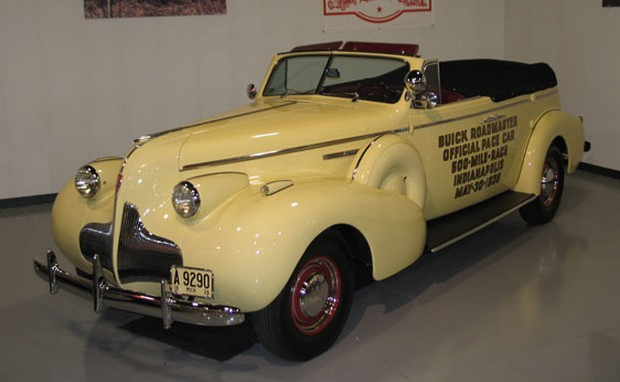
1939 Buick Roadmaster Series 80 Sport Phaeton brings a scarce, body-specific open-car story to Buick’s catalogue. This profile explains its history, specification, production scope and collector significance with named sources and credited…
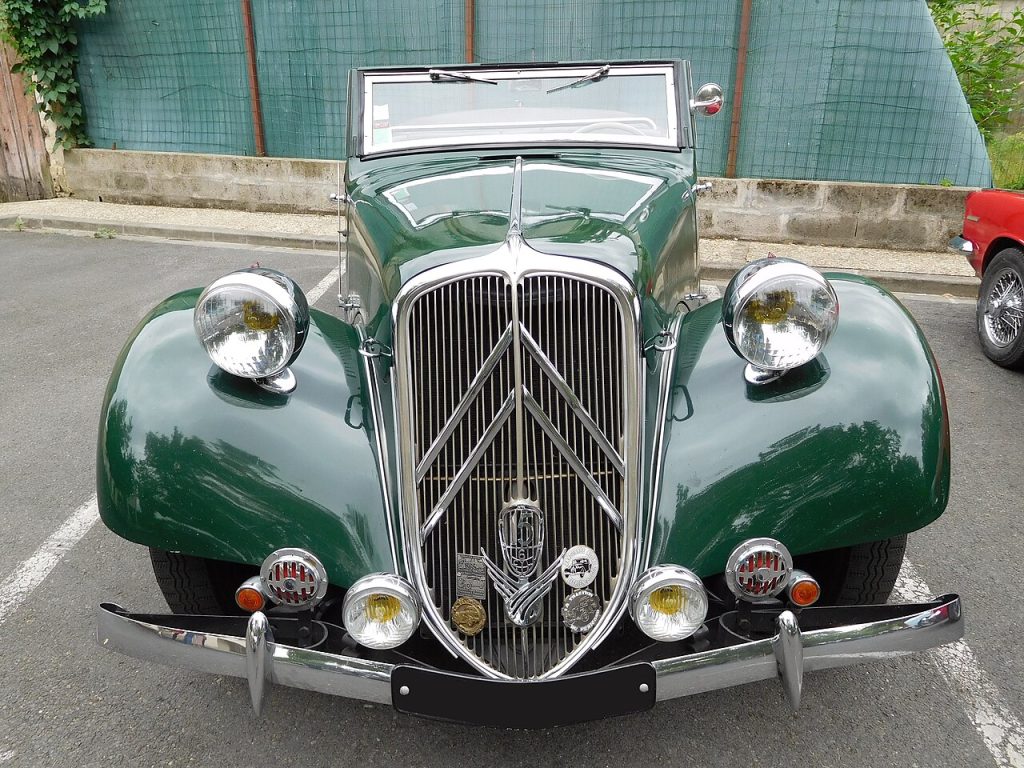
Citroën 1939
The Citroën Traction Avant 15-Six Cabriolet Prototype turns a familiar pre-war outline into a much rarer open-car proposition. Its significance comes from the authentic prototype project, whose history must be kept separate…
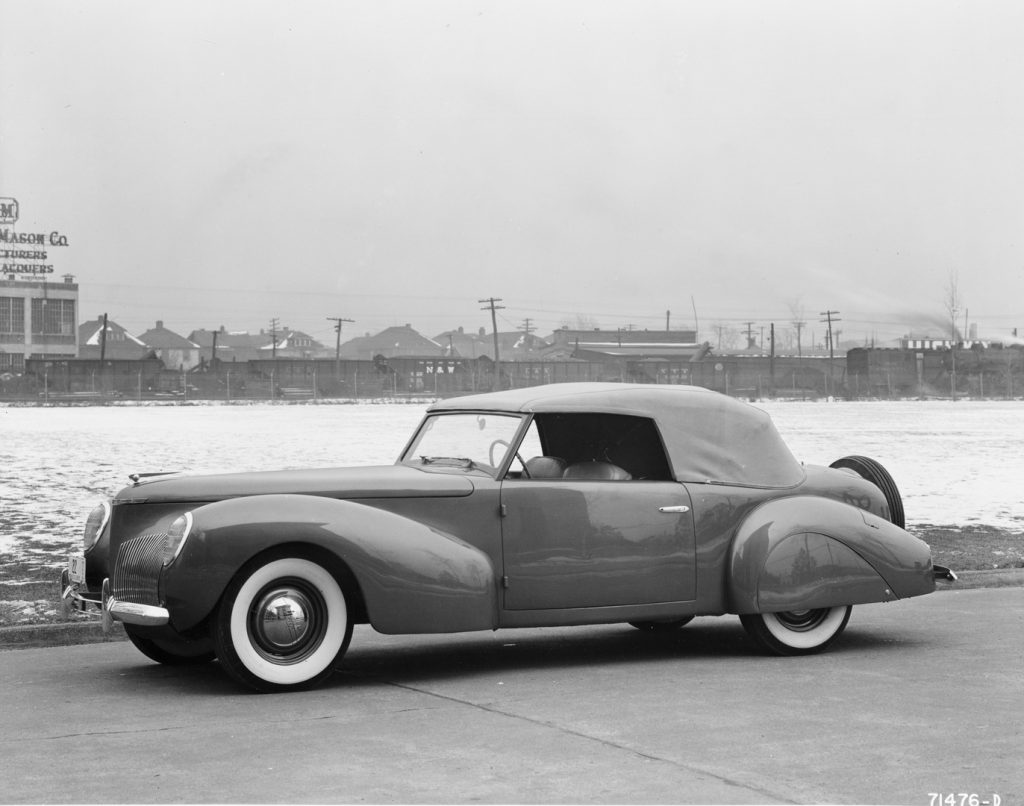
Lincoln 1939
Before Continental became a production name, Edsel Ford’s personal prototype established its distinctive proportions. This archive follows that original 1939 car through a period photograph, rather than presenting a later production cabriolet…
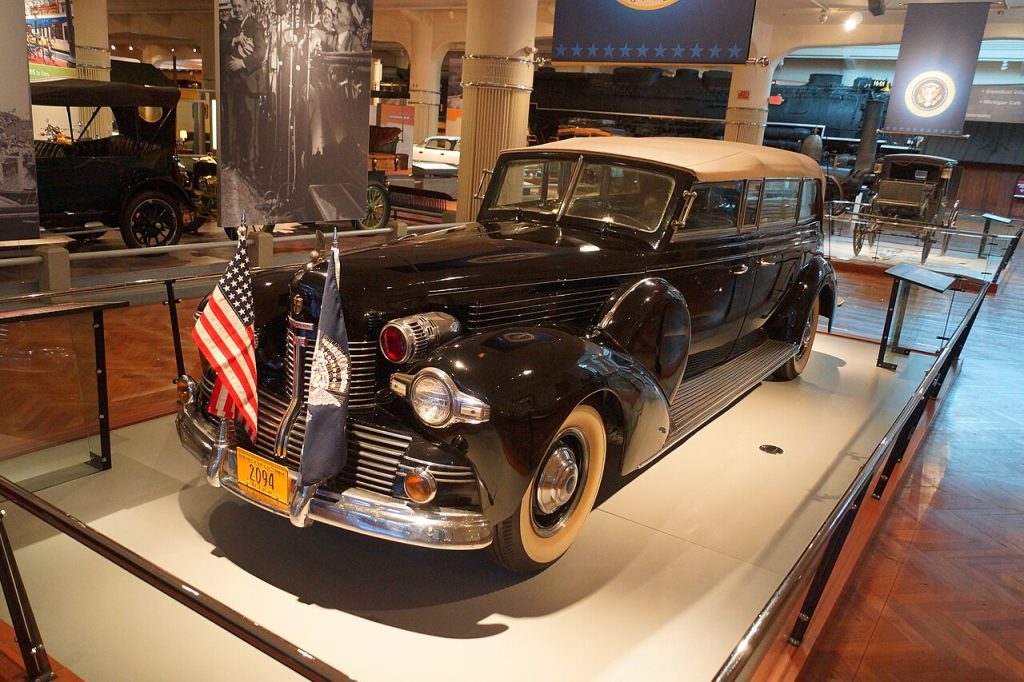
Lincoln 1939
The Sunshine Special is an individual presidential Lincoln with a service history, rather than a limited trim package. Its coachwork, later security modifications and museum identity are all part of the same…
THE RARITY RIDES STANDARD
A limited offer is not automatically a completed-production total. A surviving vehicle is not a complete factory census. We keep those distinctions visible and link each collection back to the individual profile’s evidence.
Our editorial approach