2013 Peugeot 208 T16 Pikes Peak
Explore the 208 T16 Pikes Peak: history, verified identity, specification references, rarity evidence and real credited photos.
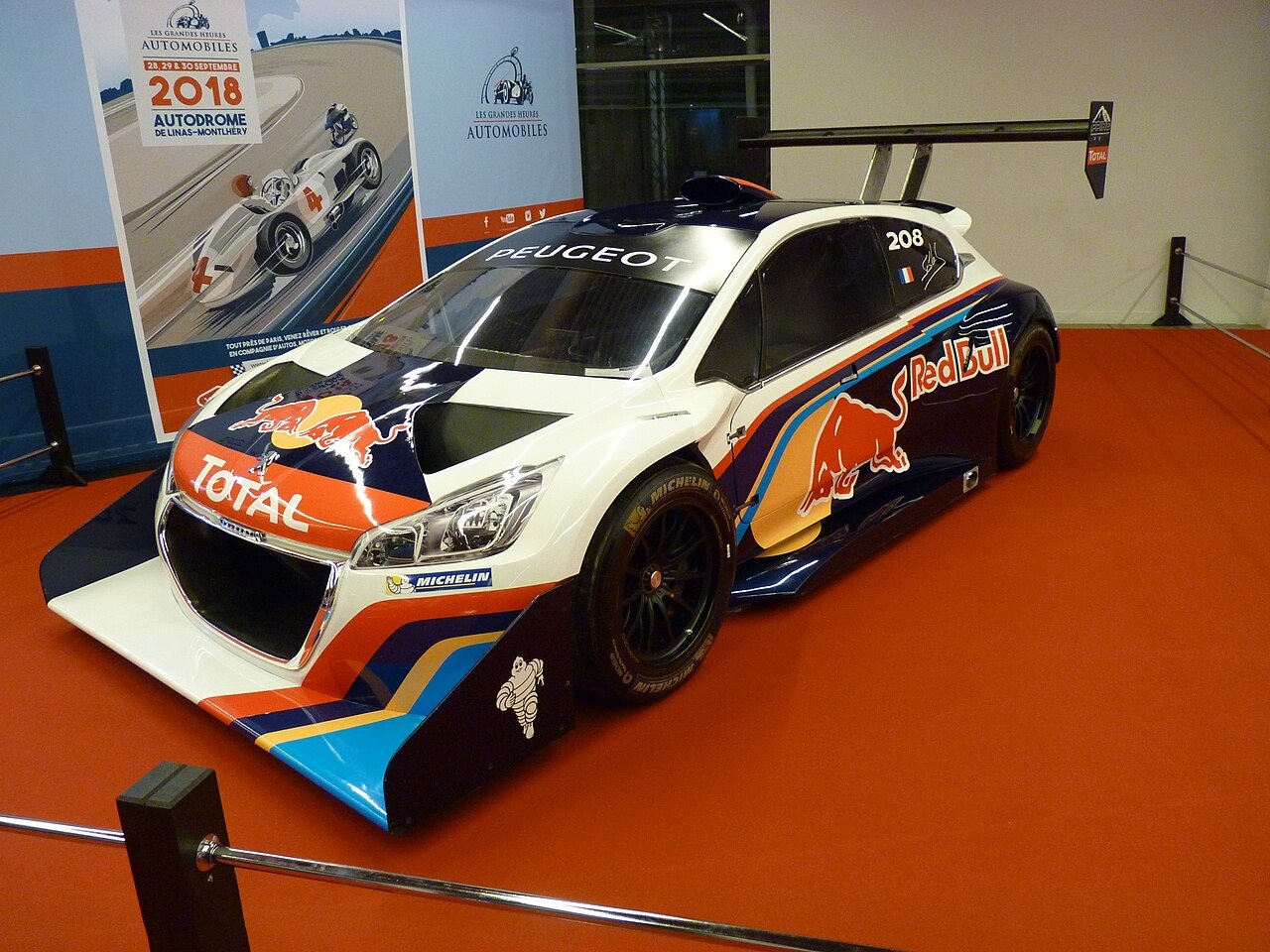
Sébastien Loeb’s 2013 Pikes Peak run gave the Peugeot 208 T16 Pikes Peak an immediate place in motorsport history. The purpose-built machine combined a 3.2-litre twin-turbo V6 with a manufacturer-reported 875 hp and 875 kg reference weight. Its 8 min 13.878 sec ascent was an outright record at the time. The familiar 208 name should not obscure its identity as a dedicated hill-climb special, separate from road GTIs and rally versions.
A specific car for a specific challenge
Peugeot’s factory accounts connect the project with its return to the American hill climb and the earlier 405 T16 successes. The 208 badge provided a family connection, while the competition task defined the machine. This distinction matters when comparing specifications: a shared model number is not evidence of a shared road chassis or an ordinary engine upgrade. The Pikes Peak car should be catalogued by its complete designation and event purpose.
Peugeot: July 2013 record result
The 2013 record in its proper time
Peugeot’s contemporary result release records Loeb’s record-breaking victory, and later factory references give the exact time as 8 min 13.878 sec. The achievement belongs to 2013. Calling it the current all-time record would require a separate review of later events and is not the claim made here. Retaining the date also allows readers to appreciate the original performance without confusing historical significance with an indefinitely unchanged record table.
Power, mass and the technical reference
A later Geneva factory account specifies the 3.2-litre twin-turbo V6, 875 hp and 875 kg. The striking numerical power-to-weight relationship explains why these figures recur in descriptions of the car. They remain a stated programme reference rather than a new measurement of an exhibited vehicle. Equipment, ballast, fluids and demonstration preparation can affect a particular configuration, so a present-day technical inventory should identify the relevant date and build state.
Peugeot: July 2013 record result
A programme with several later appearances
Factory heritage presentations and enthusiast photographs document the Pikes Peak machine beyond the original American event. Those appearances help preserve its public history, but a display or demonstration is not another 2013 ascent. Keeping event roles explicit improves the archive: the record run, later circuit appearance and static museum exhibit can all be described accurately without treating them as interchangeable evidence. The photo selected here illustrates a later appearance rather than the original record attempt.
Peugeot: Geneva 2014 technical and exact-time reference
Separating provenance from replica appearance
The full name is essential because 208 T16 can also appear in other competition contexts. A livery, broad wheel arches or a dramatic wing cannot authenticate the Pikes Peak special on their own. For an individual object, seek team documentation, chassis identity and a dated account of custody and restoration. A model replica or tribute car may reproduce the shape convincingly while having no connection to the works machine’s original competition record.
Specifications and identity reference
| Reference event | 2013 Pikes Peak International Hill Climb |
|---|---|
| Driver | Sébastien Loeb |
| Recorded time | 8 min 13.878 sec; outright record at the time |
| Engine | 3.2-litre twin-turbo V6 |
| Period output | Manufacturer reference: 875 hp |
| Period mass | Manufacturer reference: 875 kg |
| Identity boundary | Pikes Peak special; not road GTI or rally 208 T16 |
| Completed build census | Not assigned |
Rarity and production scope
Verified 2013 works Pikes Peak special and dated record achievement. The principal competition-car identity is not an independently reconciled census of every chassis, display body or spare assembly. Archive record; no road-production total.
This is an Archive record. Concepts, restored heritage vehicles, works cars and competition programmes are not added to customer road-production totals. A programme profile does not establish how many physical chassis were made, and repeated exhibition appearances do not create additional vehicles.
What the photograph represents
Peugeot 208 T16 Pikes Peak at the Les Grandes Heures Automobiles display at Rétromobile 2018. Later programme appearance, not the original 2013 record run or independent authentication of every component.
Related Peugeot heritage profiles
Frequently asked questions
Is this an ordinary 208 GTI with a body kit?
No. This profile concerns the dedicated works Pikes Peak competition special.
Does the article claim Loeb still holds the outright record?
No. It describes his achievement as the outright record at the time of the 2013 run.
What is the production-count boundary for this profile?
Verified 2013 works Pikes Peak special and dated record achievement. The principal competition-car identity is not an independently reconciled census of every chassis, display body or spare assembly. Archive record; no road-production total.
Sources and further reading
Research checked 16 October 2026. Linked factory, heritage and specialist-register records support the specifically attributed claims. Photographic descriptions identify the illustrated subject. Design analysis and suggested authentication steps are editorial interpretation.
Built in limited numbers
Verified 2013 works Pikes Peak special and dated record achievement. The principal competition-car identity is not an independently reconciled census of every chassis, display body or spare assembly. Archive record; no road-production total.
Gallery
Specifications
Factory specifications may vary by model year, market and configuration.
Identity & production
- Official model
- Peugeot 208 T16 Pikes Peak
Sources and verification
Source citations are being prepared for this profile.