Audi R8 GT Spyder — Type 42
The first-generation Audi R8 GT Spyder is the open companion to the original lightweight GT Coupe, announced in 2011 with its own 333-car limit. Audi quoted a 1,640 kg weight and an 85 kg reduction against the stated R8 V10 Spyder comparison. Its identity combines a factory GT package with an electrically operated fabric roof.

The first-generation Audi R8 GT Spyder is the open companion to the original lightweight GT Coupe, announced in 2011 with its own 333-car limit. Audi quoted a 1,640 kg weight and an 85 kg reduction against the stated R8 V10 Spyder comparison. Its identity combines a factory GT package with an electrically operated fabric roof.
Audi R8 GT Spyder — Type 42 at a glance
| Manufacturer | Audi |
|---|---|
| Model / programme | R8 |
| Profile scope | Limited road edition |
| Historical reference year | 2011 |
| Inventory reference | AUDI-039 |
| Engine reference | Naturally aspirated V10 FSI |
| Published edition limit | 333 — This named edition; exact completed-production census not certified here |
An open GT with its own factory identity
Audi’s June 2011 release describes the GT Spyder as a distinct limited edition rather than a Coupe with its roof removed. The published package includes quattro, a six-speed R tronic gearbox and an 85 kg reduction against the R8 Spyder 5.2 FSI quattro comparison. Audi gives a 3.8-second zero-to-100 km/h reference and a 317 km/h maximum. These are period manufacturer figures, not current measurements. The edition belongs beside the original GT Coupe in a collection, but its open body creates a separate ownership and conservation story that deserves its own profile.
Rarity: a separate 333-car allocation
The GT Spyder launch assigns the open edition a 333-car limit, matching the size of the earlier Coupe allocation while remaining a separate series. The profile therefore never presents 333 as a combined Coupe-and-Spyder total. It also avoids converting a published production limit into an independently verified list of completed cars. Surviving numbers, market allocations and colour subsets need their own evidence. For an individual example, the factory build record should establish membership of the edition. A badge, exterior package or attractive auction description can support the enquiry but cannot replace the car’s documented identity.
Lightweight construction and an open roof
The period account gives a 1,640 kg total weight and describes lightweight body and cabin components. Its electrohydraulic soft top could be operated in 19 seconds at speeds up to 50 km/h under the stated conditions. Those values are useful historical references; an older car’s actual roof operation should be inspected directly. In collection use, the fabric, seals, storage compartment and mechanism matter alongside the familiar GT details. An open car is exposed to different wear and storage questions, so the completeness of a roof inspection is more useful than assuming a low mileage figure proves everything remains in order.
The roof deserves a dedicated condition record
Ask for evidence of roof servicing, replacement fabric, mechanism adjustment and any work around the rear compartment. Record whether the car has been stored with the roof raised or lowered and whether water ingress has been investigated. A specialist should inspect its complete operating cycle under appropriate conditions, including the interaction of windows and latches. These are sensible review priorities, not claims that a particular problem is universal. For a photographic archive, include both roof positions when possible. That helps explain the car’s form while documenting features a single open-air glamour image might leave invisible.
Keep the first-generation transmission story clear
The factory release specifies R tronic for the GT Spyder. Do not substitute the later S tronic label simply because the car is described as automatic. Identify the installed transmission and retain its service history with the engine documentation. If the gearbox or controls have been changed, document the work and describe the current arrangement accurately. The collector question is not whether a modification makes a car more enjoyable; it is whether the offered object corresponds to the stated factory identity. A good file lets a future reader follow the configuration through ownership changes without guessing from cabin photographs.
GT details should agree with the build record
The inspection should compare the visible trim, body pieces and cabin specification with factory documentation. Replacement carbon components and refinished panels may be necessary after ordinary use, but their history matters when originality is claimed. Ask for invoices and photographs showing the work rather than assuming all visible material is from first assembly. Record the edition identification as one part of a larger evidence set. A strong inspection also distinguishes the original build from optional equipment and later additions. The result is a precise description of the car being offered rather than a checklist built around its most recognisable badge.
A Spyder is not a GT3 customer racer
The open road car and R8 LMS share a performance-oriented historical setting, but they have different purposes, equipment and evidence requirements. Race results associated with the customer programme should not appear as the competition record of a road GT Spyder. Similarly, a road-car edition plaque does not describe a racing chassis population. In an archive display, the two vehicles can be compared through their body form and documented development context. Their relationship is interesting enough without turning it into a claim of identical construction or treating every motorsport-inspired edition as an actual competition car.
The bundled MYLE photograph
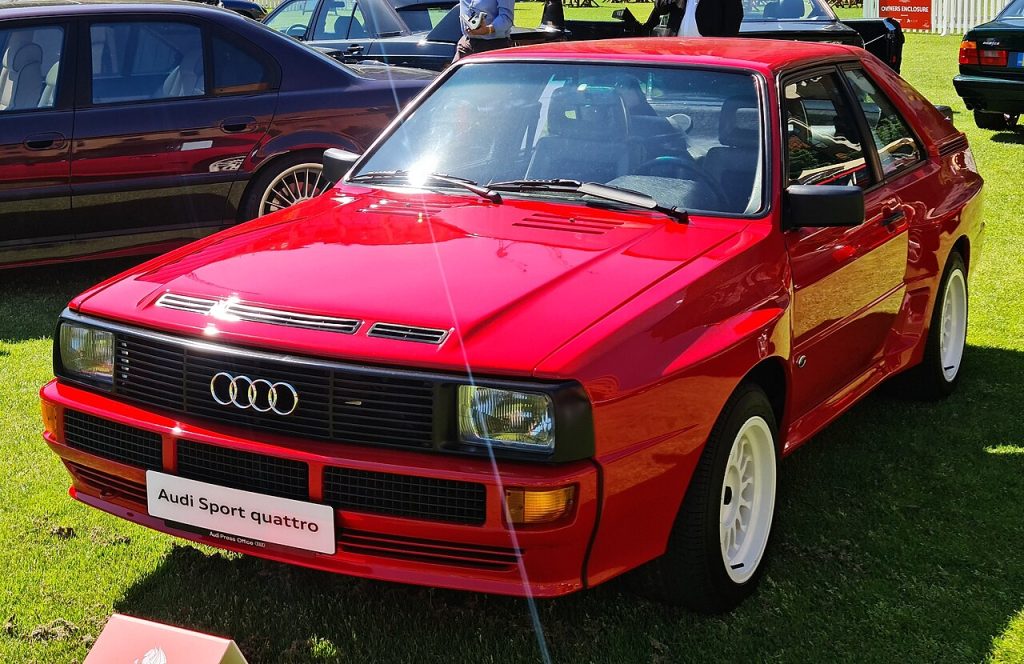
The source identifies the image as a GT Spyder at MYLE Festival in 2025. An existing cropped version of Alexander Migl’s photograph is used, and that change is disclosed in the credit. The picture explains the open Type 42 body and visible presentation at the event. It does not authenticate the individual chassis number or establish that every component is original. A future replacement should identify the photographer, date, place and permission clearly. The full source record remains linked so an editor can inspect the original description and licensing without relying on the filename alone.
Choosing between GT body styles
A useful comparison starts with the intended collection role. A fixed-roof display, regular touring, open-air use and occasional demonstration can place different emphasis on condition and equipment. Compare complete service records, repair quality, original documentation and the usability of the particular example before drawing a conclusion from the body style. The Coupe and Spyder have separate published performance references, so do not carry a number across merely because both names contain GT. Nor should a numerical allocation become a prediction of price. The edition history helps explain rarity; it does not decide the merits of every individual car.
Why the original GT Spyder belongs in the archive
The GT Spyder shows how a limited performance package could be adapted into a different body form while preserving a recognisable edition identity. Its significance is clearest beside the original GT Coupe and the later LMX, where the conversation shifts towards another kind of technical distinction. The R8 LMS supplies the competition perspective. Together, these profiles allow readers to explore different interpretations of the R8 rather than treating every rare version as interchangeable. The open GT’s best collector story combines that factory context with a carefully documented roof, body and mechanical history.
Frequently asked questions
How many Type 42 R8 GT Spyders were allocated?
Audi announced 333 GT Spyders. This is a separate allocation from the original GT Coupe’s 333-car limit.
What weight did Audi quote?
The 2011 release gives 1,640 kg and an 85 kg reduction against its stated V10 Spyder comparison. Actual car condition and specification must be assessed separately.
Which gearbox did the original GT Spyder use?
Audi specified a six-speed R tronic transmission, distinct from the later dual-clutch S tronic.
What should an inspection add for the open body?
Include roof fabric, mechanism, seals, storage compartment and documented repair history alongside the GT identity and mechanical checks.
Explore related vehicle profiles
Sources
History and published specifications follow the linked manufacturer records. Visual comparisons, documentation questions and inspection priorities are editorial analysis. Photographs retain their original subject descriptions and separate rights records.
Photography and credit
Source-identified Type 42 Audi R8 GT Spyder at MYLE Festival 2025. Cropped version credited to Alexander Migl; individual edition number not certified. Photo: Alexander Migl / Wikimedia Commons · CC BY-SA 4.0. Source photograph supplied as an existing cropped version; Wikimedia thumbnail resized; no further crop or color change.
Why this machine matters
The first-generation Audi R8 GT Spyder is the open companion to the original lightweight GT Coupe, announced in 2011 with its own 333-car limit. Audi quoted a 1,640 kg weight and an 85 kg reduction against the stated R8 V10 Spyder comparison. Its identity combines a factory GT package with an electrically operated fabric roof.
Built in limited numbers
The GT Spyder launch assigns the open edition a 333-car limit, matching the size of the earlier Coupe allocation while remaining a separate series. The profile therefore never presents 333 as a combined Coupe-and-Spyder total. It also avoids converting a published production limit into an independently verified list of completed cars. Surviving numbers, market allocations and colour subsets need their own evidence. For an individual example, the factory build record should establish membership of the edition. A badge, exterior package or attractive auction description can support the enquiry but cannot replace the car’s documented identity.
Gallery
Specifications
Factory specifications may vary by model year, market and configuration.
Identity & production
- Official model
- Audi R8 GT Spyder — Type 42
- Base model
- R8
Powertrain & performance
- Engine
- Naturally aspirated V10 FSI