Audi Rosemeyer
The Audi Rosemeyer is a physical design study from 2000, named for the Auto Union racing driver and presented through Audi’s Autostadt archive. Its interest is the reinterpretation of historical racing imagery as a modern supercar proposal. This profile covers the design object, with no unsupported running-engine, measured-performance or original-chassis count claim.
The Audi Rosemeyer is a physical design study from 2000, named for the Auto Union racing driver and presented through Audi’s Autostadt archive. Its interest is the reinterpretation of historical racing imagery as a modern supercar proposal. This profile covers the design object, with no unsupported running-engine, measured-performance or original-chassis count claim.
Audi Rosemeyer at a glance
| Manufacturer | Audi |
|---|---|
| Model / programme | Rosemeyer |
| Profile scope | Physical concept archive |
| Historical reference year | 2000 |
| Inventory reference | AUDI-023 |
| Engine reference | Working installation not established in reviewed factory object record |
| Exact original object count | Unresolved; no numeric production badge populated |
| Object scope | 2000 design-study subject; no retail series |
What the factory record establishes
Audi’s archive identifies Projekt Rosemeyer as a 2000 design study for Autostadt Wolfsburg. That gives the object a documented identity, year and presentation context. The record is stronger than a generic photograph caption calling it an Audi supercar. It is also narrower than a full engineering report. This guide therefore treats the car as a physical design study and avoids populating performance fields from widely repeated specifications that the reviewed object record does not confirm. The appearance is real; claims about a running powertrain require separate evidence.
Reading its historical reference
The Rosemeyer name directs attention toward Auto Union’s prewar racing history. The connection is commemorative, not an assertion that the concept is an original Silver Arrow. To interpret it, compare the visual relationship between cabin, body and mechanical themes with the older cars. A new design can borrow a mood or proportion without copying an entire construction. This profile links to the Type C so readers can examine that historical source separately. Its racing history stays with the competition programme instead of being transferred to the 2000 study.
A different answer from the Avus
The Avus and Rosemeyer offer two ways of using historical reference in a modern sports-car proposal. A comparison can begin with the photographs: the balance of smooth surface and opening, the shape of the cabin, and the treatment of the car’s ends. These are editorial visual observations. They do not establish a common chassis, engine or engineering programme. The value of putting the concepts side by side is that readers can see how a company revisits an idea rather than assuming every silver-colored study is a single development sequence.
Why a design study need not be a road prototype
A design object can test proportions, visual identity and display impact without being a customer-ready vehicle. Published aspirations for an engine or speed do not prove that the physical object achieved them. The exact status of mechanical components should be recorded by the custodian. Until such evidence is available, this profile leaves the installed engine and measured performance unconfirmed. That does not reduce the study’s design value. It makes the type of evidence clear and keeps the guide from presenting a styling proposal as a tested supercar.
Rarity without a fabricated numbered series
The inventory lists one example, but the reviewed primary photo archive does not provide a complete count of cars, styling models or construction stages. No certified numeric production total is populated. The entry belongs to the physical-concept archive rather than the numbered-edition section. When researching a future object-specific record, define what is being counted before adding a number. A full-size non-running exhibit and a small design model are different things. Repeated appearances in different venues do not demonstrate that several physical cars exist.
Understanding the bundled image
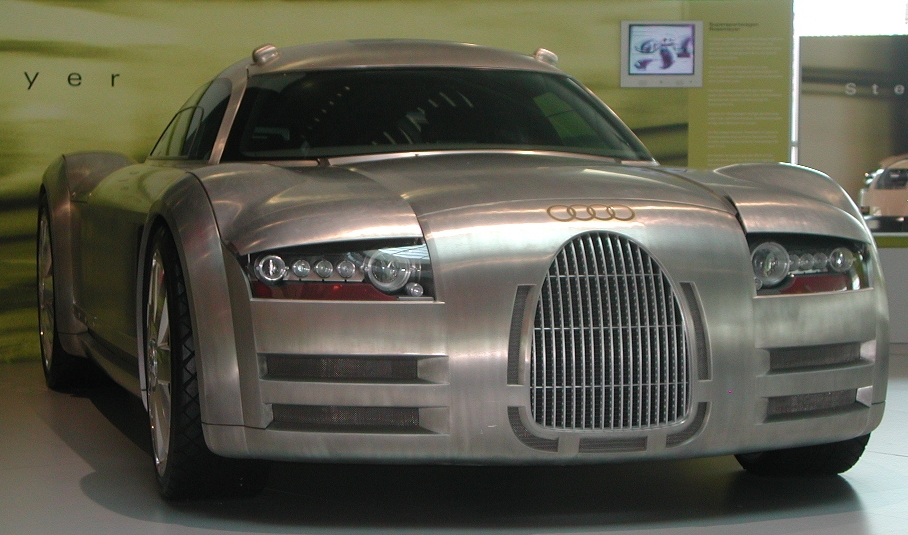
The photograph source identifies the subject as Audi Rosemeyer. The image is smaller than several others in the batch and is supplied at its existing resolution. It should not be stretched into a giant hero and presented as a high-detail technical record. A modest display can still communicate the body’s character clearly. The linked source and license remain visible. The photo is evidence of appearance, while the factory archive supports identity and date; neither alone certifies component originality or the object’s present condition.
A conservation-minded research approach
A useful museum file would retain early presentation images, construction descriptions and a record of any later restoration. For unusual display surfaces, record the conservation method and the reason for intervention. This is suggested documentation practice, not a claim that the pictured study has undergone particular work. Photographs under different lighting may make the finish look different without proving a repaint. Compare like-for-like views before drawing conclusions. A condition description should distinguish verified material changes from differences caused by camera settings or exhibition surroundings.
What to ask before repeating an engine specification
Request an object-specific technical sheet and identify its date. Does it describe a proposed engine, an installed working engine or an appearance model? Does the record include an operational demonstration or a later mechanical modification? Those questions are more useful than choosing the most impressive number from a secondary summary. If reliable evidence becomes available, add it with its scope. A proposed specification can still be included as a proposal, but the wording should not drift into a claim that the exhibit was independently tested at that output.
Where the Rosemeyer belongs in this collection
The concept is best connected to the Avus and the Auto Union Type C, with Le Mans quattro providing a later production-facing comparison. These relationships help readers navigate by ideas: historical reference, sports-car packaging and the transition from proposal to road product. A guide can explain those relationships without claiming direct mechanical ancestry. For a visitor interested in rare vehicles, the Rosemeyer demonstrates a different kind of significance from a limited customer edition: a physical design statement whose value to the archive comes from its context and preservation.
Frequently asked questions
What year is the Audi Rosemeyer?
Audi’s factory archive identifies Projekt Rosemeyer with 2000.
Was it a customer production model?
The reviewed factory record calls it a design study. No retail production series is claimed here.
Does this profile certify a working W16?
No. The reviewed object record does not establish a working installation or independently measured output.
Why is the production count blank?
The inventory says one, but a complete primary census of physical development objects was not established.
Explore related vehicle profiles
Sources
- Audi archive — Projekt Rosemeyer, 2000
- Audi Tradition — The age of the Silver Arrows
- Audi Tradition — Forty years of quattro, historical show-car section
History and published specifications follow the linked manufacturer records. Visual comparisons, documentation questions and inspection priorities are editorial analysis. Photographs retain their original subject descriptions and separate rights records.
Photography and credit
Audi Rosemeyer design study, as identified by the photograph source. Modern exhibition photograph; no running-engine claim. Photo: Lord van Tasm / Wikimedia Commons · CC BY-SA 3.0. Original image supplied without visual changes.
Why this machine matters
The Audi Rosemeyer is a physical design study from 2000, named for the Auto Union racing driver and presented through Audi’s Autostadt archive. Its interest is the reinterpretation of historical racing imagery as a modern supercar proposal. This profile covers the design object, with no unsupported running-engine, measured-performance or original-chassis count claim.
Built in limited numbers
The inventory lists one example, but the reviewed primary photo archive does not provide a complete count of cars, styling models or construction stages. No certified numeric production total is populated. The entry belongs to the physical-concept archive rather than the numbered-edition section. When researching a future object-specific record, define what is being counted before adding a number. A full-size non-running exhibit and a small design model are different things. Repeated appearances in different venues do not demonstrate that several physical cars exist.
Gallery
Specifications
Factory specifications may vary by model year, market and configuration.
Identity & production
- Official model
- Audi Rosemeyer
- Base model
- Rosemeyer
Powertrain & performance
- Engine
- Working installation not established in reviewed factory object record