BMW M3 Pickup E30 — The 1986 Workshop One-Off
Discover BMW M3 Pickup E30 history, specifications and rarity, with sourced details, FAQs and authentic photographs with visible credits.
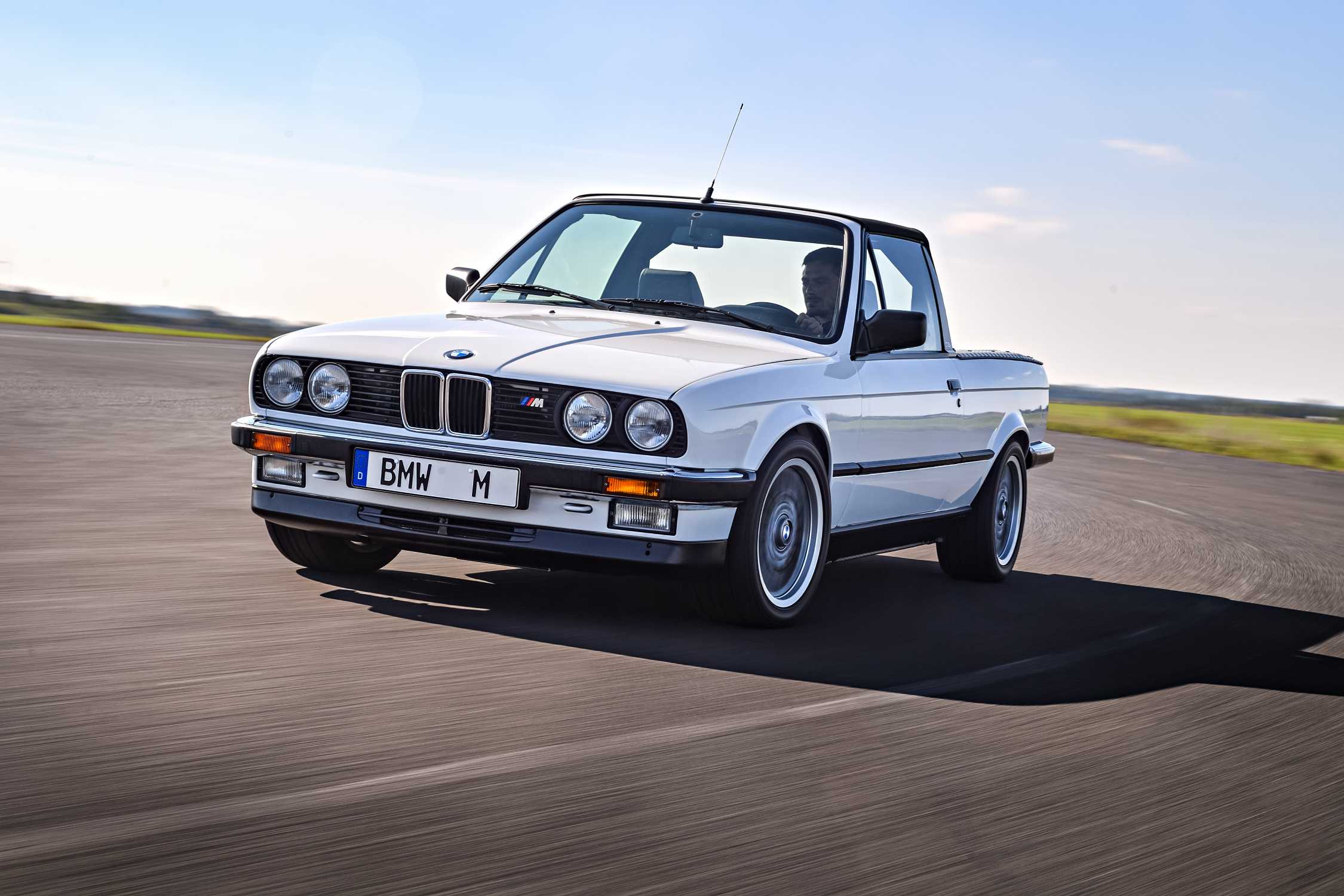
The E30 BMW M3 Pickup is the 1986 workshop vehicle created by engineers at BMW M to carry racing parts around the factory compound. It combines a performance-car identity with a practical load-carrying task. The result is an unusual one-off whose interest comes from actual use rather than a customer special-edition launch.
Record: BMW-022 · BMW M workshop one-off · Germany · 1986.
Specifications and rarity
| Item | Documented reference and scope |
|---|---|
| Project year | 1986 |
| Identity | First-generation BMW M3 Pickup; internal workshop transport |
| Body arrangement | E30-based open load bed and removable roof |
| Purpose | Carrying racing parts around BMW M’s factory compound |
| Later factory power reference | 143 kW; source labels equivalent 195 hp |
| Count scope | One E30 workshop vehicle; the separate 2011 E9x pickup is another project |
| Publication scope | Prototype heritage record, not a retail pickup edition |
BMW M built a pickup because the workshop needed one
This profile covers the first-generation E30 project. BMW later explored another M3 pickup in 2011, but that is a separate vehicle based on a later generation. Keeping the generation in the title prevents the two projects from being merged merely because they share a memorable body idea.
An open bed and removable roof change the familiar E30
The factory account describes an E30-based pickup with a removable roof. In the supplied photographs, the open load area changes the car’s rear profile while the front still retains a compact BMW identity. The visual surprise comes from seeing familiar parts serve a different purpose.
The body arrangement also makes the workshop story tangible. A load bed provides space for bulky parts that would not fit conveniently into a closed passenger compartment. The conversion can therefore be understood through a task, rather than through an invented market category.
A heritage photograph is particularly useful for this subject because the car can otherwise be confused with a privately converted E30. The source must identify BMW’s own workshop project, not simply show any BMW with a cut-down rear body. The bundled images come from the factory’s identified 1986 pickup collection.
Power references belong to the vehicle’s development context
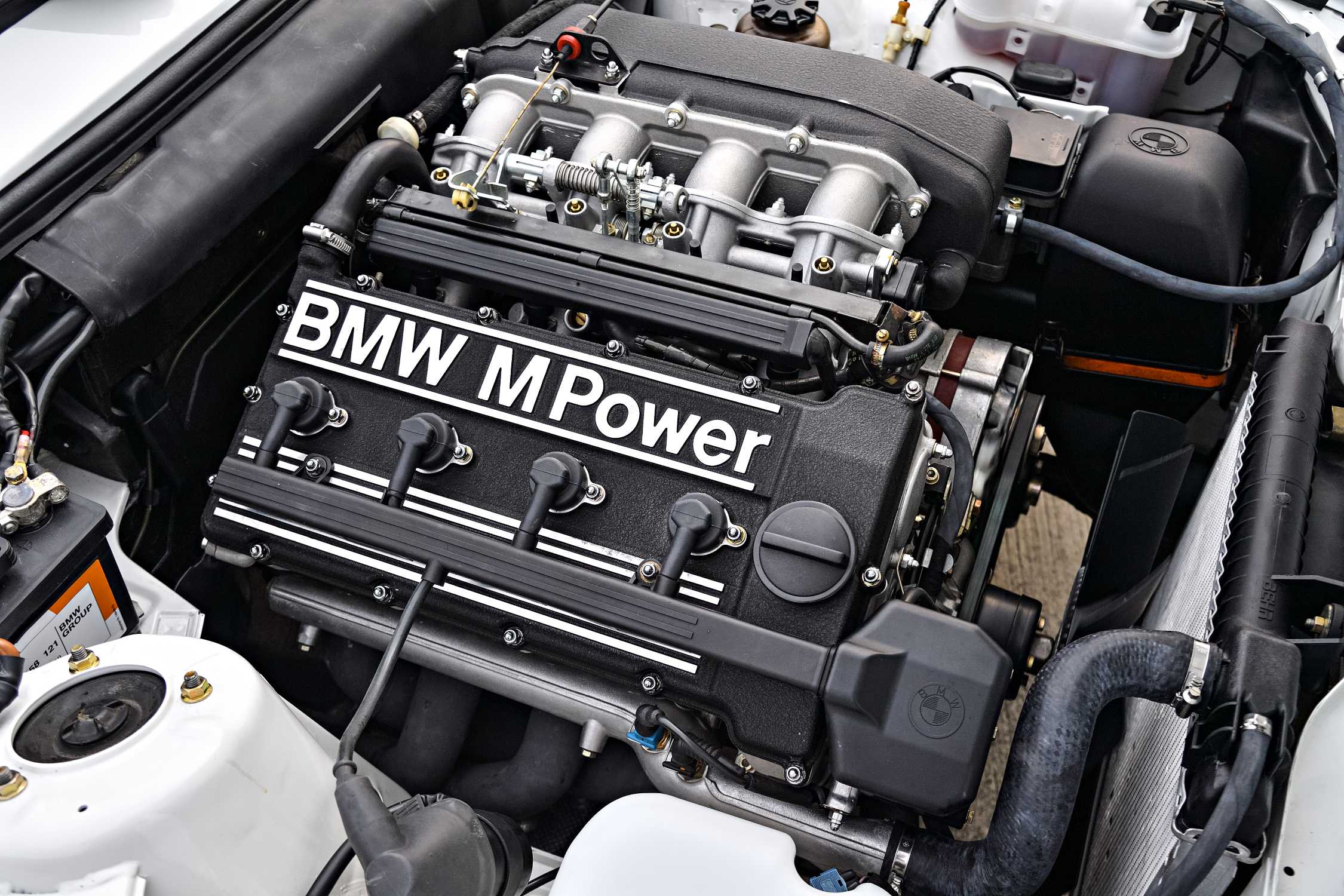
BMW M’s later retrospective gives 143 kW and an equivalent labeled 195 hp. The profile uses that as a dated factory reference, not as a guarantee that every stage of the workshop car’s life had an identical engine specification. Long-serving internal vehicles can change over time.
The practical use of the car matters more than turning one historical power number into a competitive claim. Its role was to transport parts, not to establish a new production-pickup speed record. The table therefore keeps purpose and configuration beside the technical reference.
The distinction also prevents contamination from the 2011 pickup’s data. A later V8 project should not supply the engine figures for the E30 merely because search results put both cars on the same page. Generation and project year are the useful controls.
A one-off can be significant without being offered for sale
BMW M describes the E30 pickup as a one-off and notes a later restoration. Its history belongs to the company’s internal engineering and workshop culture. It was not a customer allocation, a homologation batch or a limited run of individually numbered retail vehicles.
That gives the rarity claim a clear scope: one documented workshop object. The number does not count private conversions, the separate later M3 pickup, or every prototype constructed by BMW M. The individuality comes from the project and its use.
For an encyclopedia reader, such a car broadens the meaning of a rare-vehicle collection. Not every important vehicle was built to win a race or headline a motor show. An internal tool can reveal how engineers used their own products and solved immediate practical problems.
Comparing the workshop pickup with the M3 Art Cars
The Nelson and Done M3s share a generation-level relationship with this pickup, but their identities are different. The Art Cars are individual artistic transformations of racing vehicles. The pickup is an internal utility conversion. Those distinctions are more useful than grouping all three as rare E30s without explanation.
The photographs show the pickup itself and retain BMW’s original composition. Visible credits identify the factory source, while captions avoid implying a customer production run. No artist credit is added because this vehicle’s identity does not come from an Art Car commission.
The profile’s related links let readers explore the same broad model family through different purposes: competition, art and workshop transport. Each entry keeps its own count and historical scope, which is what makes the comparison informative.
Frequently asked questions
Was the 1986 BMW M3 Pickup sold as a production model?
No. BMW describes a workshop one-off for transporting racing parts.
What generation is it based on?
The E30, distinguishing it from the later 2011 pickup project.
Why did BMW M build it?
To carry parts around its factory compound.
Does it have a removable roof?
BMW’s retrospective describes the pickup as a targa with a removable roof.
Is the 2011 M3 pickup the same car?
No. It is a separate later project.
What power reference is used here?
143 kW from BMW M’s later retrospective, with its historical scope preserved.
Explore related verified BMW profiles
- BMW M3 Art Car — Michael Jagamara Nelson, 1989
- BMW M3 Art Car — Ken Done, 1989
- BMW 333i E30 — South Africa’s Six-Cylinder Special
Sources and photo credits
Photo: BMW AG / BMW Group PressClub · Press/editorial use only. BMW-supplied press photograph under BMW PressClub terms. Original supplied photograph retained without local cropping or content alteration.
Photo: BMW AG / BMW Group PressClub · Press/editorial use only. BMW-supplied press photograph under BMW PressClub terms. Original supplied photograph retained without local cropping or content alteration.
Why this machine matters
The profile’s related links let readers explore the same broad model family through different purposes: competition, art and workshop transport. Each entry keeps its own count and historical scope, which is what makes the comparison informative.
Built in limited numbers
One E30 workshop vehicle; the separate 2011 E9x pickup is another project
Gallery
Specifications
Factory specifications may vary by model year, market and configuration.
Identity & production
- Official model
- BMW M3 Pickup E30 — The 1986 Workshop One-Off
- Base model
- M3 E30
- Worldwide production
- 1