BMW M3 GTS E92 (2010)
Discover BMW M3 GTS E92 (2010) history, specifications and rarity, with sourced details, FAQs and authentic photographs with visible credits.
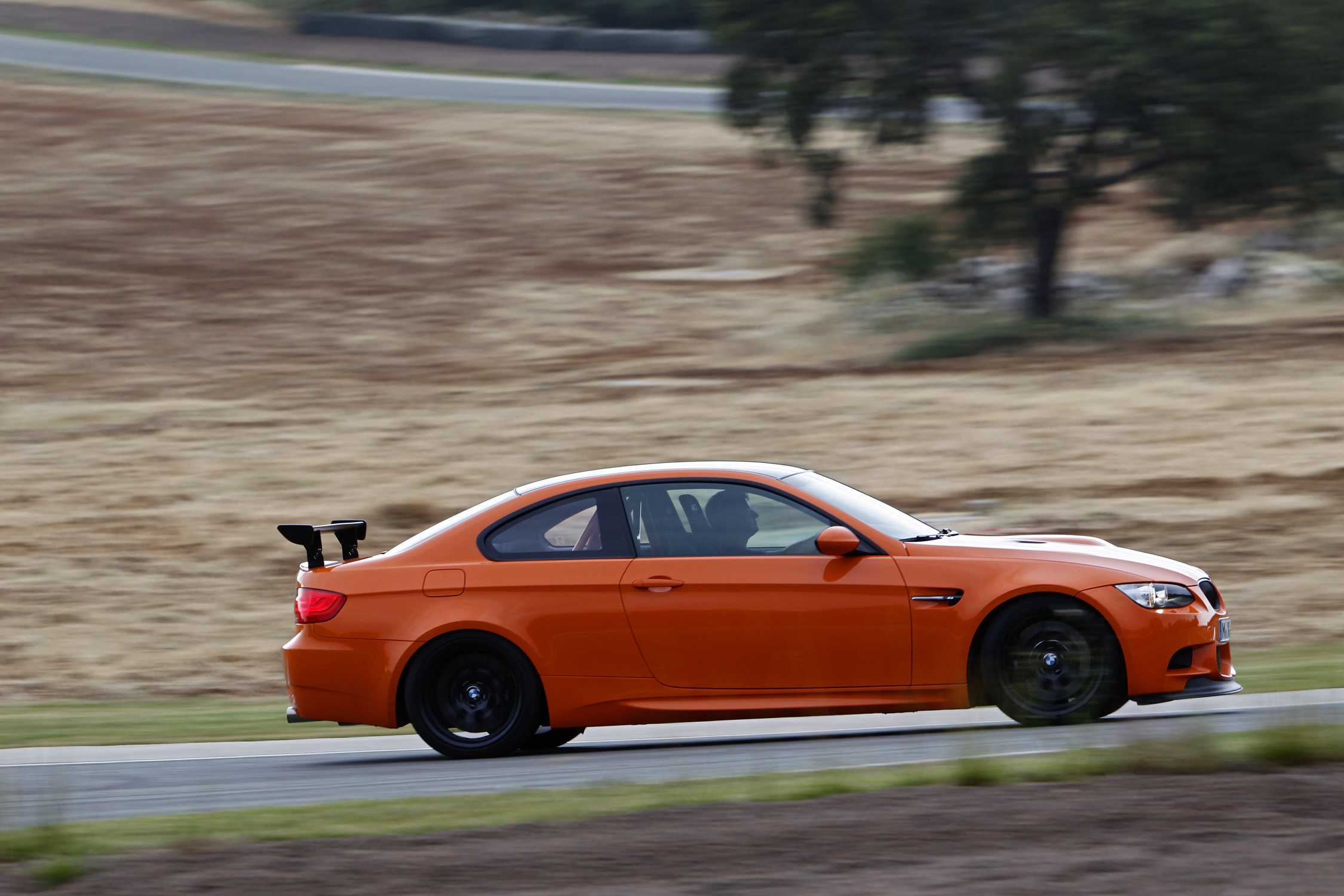
The BMW M3 GTS E92 is a small-series performance derivative that develops the fourth-generation M3 around a stronger engine, reduced weight and adjustable chassis equipment. Its Fire Orange body and prominent rear wing make the purpose visible, but the engineering changes explain why it is more than an appearance package.
Record: BMW-069 · Limited production track special · Germany · 2010.
Specifications and rarity
| Item | Documented reference and scope |
|---|---|
| Count scope | Factory sources report 135 and 150; exact reconciliation held |
| Rarity eligibility | Both published factory totals are below 7,500 |
| Engine | 4.4-litre naturally aspirated V8 |
| Output | 331 kW / 450 hp; 440 Nm |
| Transmission | Seven-speed M dual-clutch transmission with Drivelogic |
| Factory performance | 0–100 km/h in 4.4 seconds; maximum 305 km/h |
| Weight reference | 1,530 kg in BMW M’s published configuration |
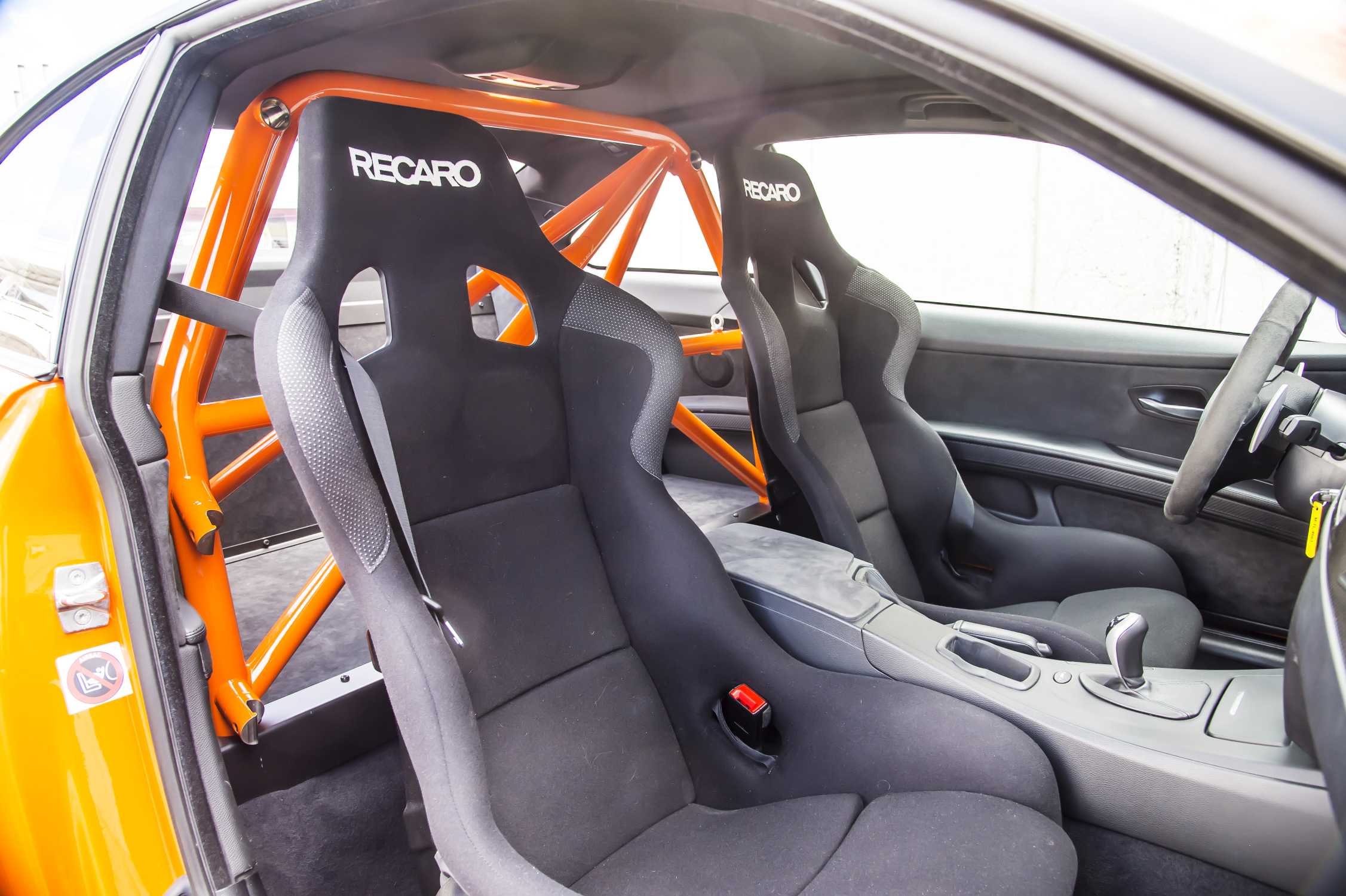
| Defining equipment | Adjustable suspension and aerodynamics; bucket seats; reduced rear cabin |
The orange M3 developed around circuit use
Introduced as a 2010 project, the GTS belongs to the naturally aspirated V8 chapter of M3 history. It takes the coupé as its starting point and concentrates the specification around circuit capability while retaining a road-car identity. That places it in a different category from a competition-only racing M3.
The factory sources reviewed here give two totals, 135 and 150. Both establish rarity comfortably within this collection’s limit, but they do not establish how the difference should be explained. The profile keeps the discrepancy visible instead of inventing a customer-car or prototype breakdown.
A larger V8 rather than a paint-led edition
BMW enlarged the M3 engine from 4.0 to 4.4 litres for the GTS and publishes 331 kW or 450 hp. This mechanical distinction separates it from other E92 special editions that retain the normal engine specification while adding a particular finish or equipment combination.
Displacement describes the swept volume within the cylinders. Increasing it changes the engine itself; it is not the same intervention as an exhaust replacement or a different control setting. In the GTS, the larger engine belongs to a coordinated development programme that also addresses chassis and mass.
Its naturally aspirated character is another useful comparison point. The contemporary 1 Series M uses a turbocharged six-cylinder engine, while the GTS develops the high-revving V8 approach. They are distinct answers to a performance brief, rather than different bodies around one interchangeable powertrain.
The transmission and chassis form part of the package
The seven-speed M dual-clutch transmission with Drivelogic is part of the GTS specification. Its architecture differs from both an ordinary manual and the earlier SMG automated manual used by the E46 CSL. Accurate transmission naming helps place the car in the correct generation.
BMW describes adjustable suspension and variable aerodynamic equipment. Adjustment allows the setup to respond to its intended use, but a list of adjustment points does not establish one universally ideal setting. Surface, tires and operating conditions remain part of the complete vehicle system.
The brake and chassis development support the larger engine rather than merely decorating it. The GTS identity therefore rests on the complete original package. A normal M3 wearing a similar wing or orange paint remains a different vehicle unless its factory history establishes the actual derivative.
Weight reduction changes the cabin and materials
The factory account describes a reduced cabin, bucket seats and lighter materials, including changes to glazing and interior parts. Removing rear seating changes the car’s everyday role as well as its mass. It makes the track-focused priorities visible when the door is opened.
BMW M’s published weight reference is 1,530 kg. A weight figure belongs to a stated configuration and measurement convention, rather than every surviving car regardless of equipment or subsequent alterations. It is most useful when read alongside the source’s description of what was included.
This makes the GTS a helpful counterpart to the CRT sedan. The latter shares a high-output V8 brief but retains individual rear seating and a broader comfort specification. Comparing the two shows that lightweight development can pursue more than one balance between use and performance.
Two factory totals require an explicit boundary
BMW USA’s 2011 CRT introduction states that 135 M3 GTS examples were produced. The later BMW M heritage page states 150. The difference is small in absolute terms but material to an encyclopedia record that aims to distinguish exact counts from repeated estimates.
BMW’s 2013 production history supplies another useful scope: 135 GTS examples were delivered to customers. That supports a customer-delivery reference, while the later 150-car heritage statement remains a production claim. It does not identify the remaining cars, so this profile avoids an exact reconciled production-total field.
The source references remain available to the reader. The original workbook’s approximate 135 is replaced by the two documented factory statements and an unresolved reconciliation note. Rarity eligibility is established by both; the precise census remains a separate open question.
Recognizing the original GTS in photographs and history
The supplied BMW photographs identify the GTS itself. The exterior establishes the orange coupé, its body treatment and stance, while the complementary view adds another perspective on the same derivative. Photo publication dates are recorded separately from the car’s introduction year.
The visual evidence works best alongside the specifications. Orange paint alone is shared with other BMW projects, including the Lime Rock Park Edition. The GTS engine, chassis and reduced cabin explain the distinction more reliably than color alone.
Its significance lies in taking the V8 M3 toward a concentrated circuit brief in a very small series. Keeping it separate from the CRT, ordinary M3 and later M4 GTS preserves the engineering sequence and gives each related model a clear identity of its own.
Frequently asked questions
How many M3 GTS cars were built?
The reviewed factory sources state 135 and 150. This profile records both and holds exact reconciliation.
Does the count conflict prevent rarity eligibility?
No. Both factory totals are below the 7,500-car limit, although the exact total remains unresolved.
What engine does it use?
A 4.4-litre naturally aspirated V8, with BMW publishing 331 kW or 450 hp.
Which gearbox was fitted?
A seven-speed M dual-clutch transmission with Drivelogic.
Is Fire Orange paint enough to identify a GTS?
No. The original engine, chassis, cabin and factory identity distinguish the derivative.
How does it differ from the CRT?
The GTS is a track-focused coupé; the CRT combines related high-output development with a four-door sedan and rear seating.
Explore related verified BMW profiles
Sources and photo credits
- BMW M: M3 GTS history; later 150-car statement
- BMW USA: M3 CRT introduction; 67 CRT and period 135 GTS reference
- BMW: M3 production history; 54 DTM Champion Edition cars
Photo: BMW AG / BMW Group PressClub · Press/editorial use only. BMW-supplied press photograph under BMW PressClub terms. Original supplied photograph retained without local cropping or content alteration.
Photo: BMW AG / BMW Group PressClub · Press/editorial use only. BMW-supplied press photograph under BMW PressClub terms. Original supplied photograph retained without local cropping or content alteration.
Why this machine matters
Its significance lies in taking the V8 M3 toward a concentrated circuit brief in a very small series. Keeping it separate from the CRT, ordinary M3 and later M4 GTS preserves the engineering sequence and gives each related model a clear identity of its own.
Built in limited numbers
Factory sources report 135 and 150; exact reconciliation held
Gallery
Specifications
Factory specifications may vary by model year, market and configuration.
Identity & production
- Official model
- BMW M3 GTS E92 (2010)
- Base model
- M3 E9x
Powertrain & performance
- Engine
- 4.4-litre naturally aspirated V8
- Transmission
- Seven-speed M dual-clutch transmission with Drivelogic