BMW M3 CRT E90 (2011)
Discover BMW M3 CRT E90 (2011) history, specifications and rarity, with sourced details, FAQs and authentic photographs with visible credits.
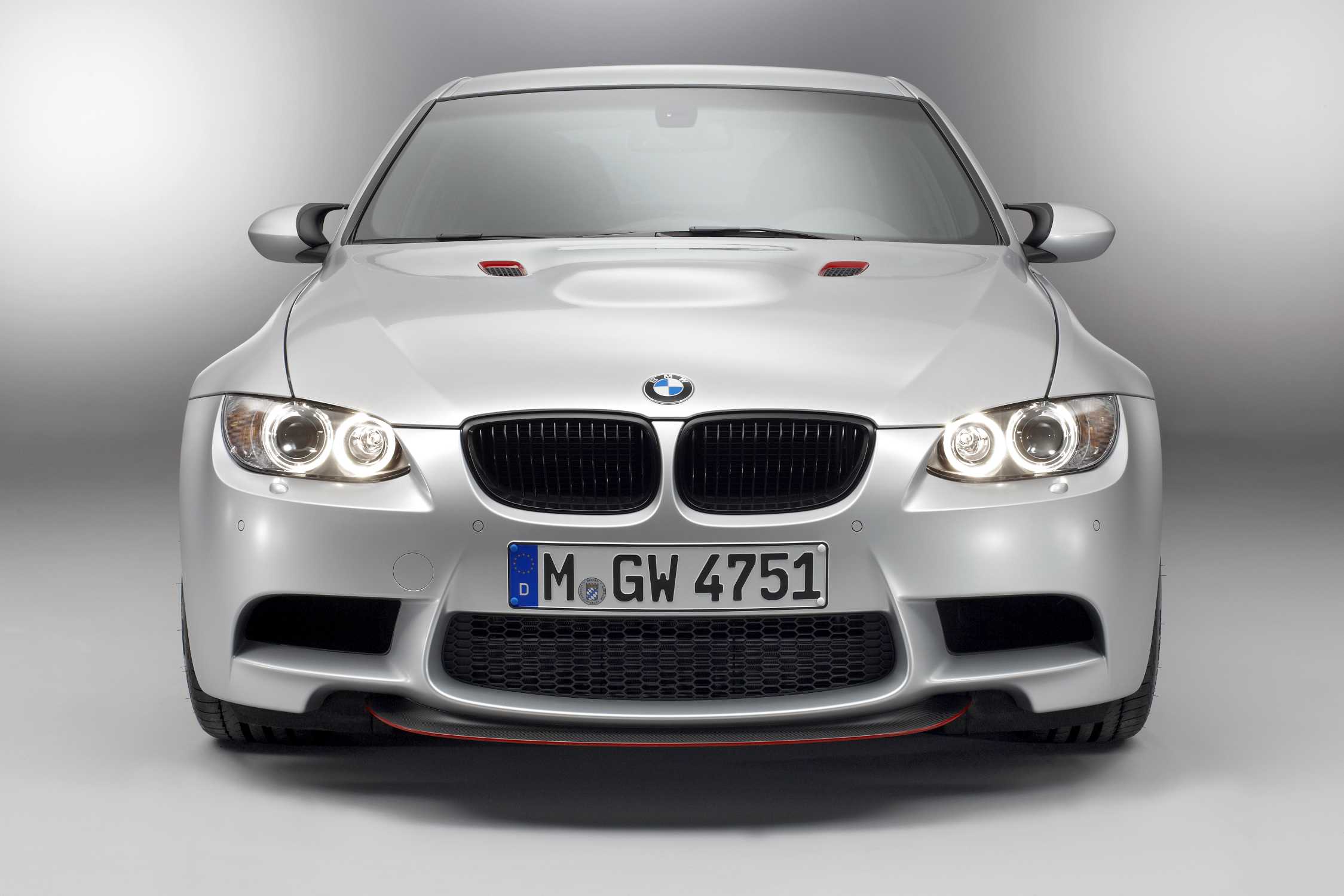
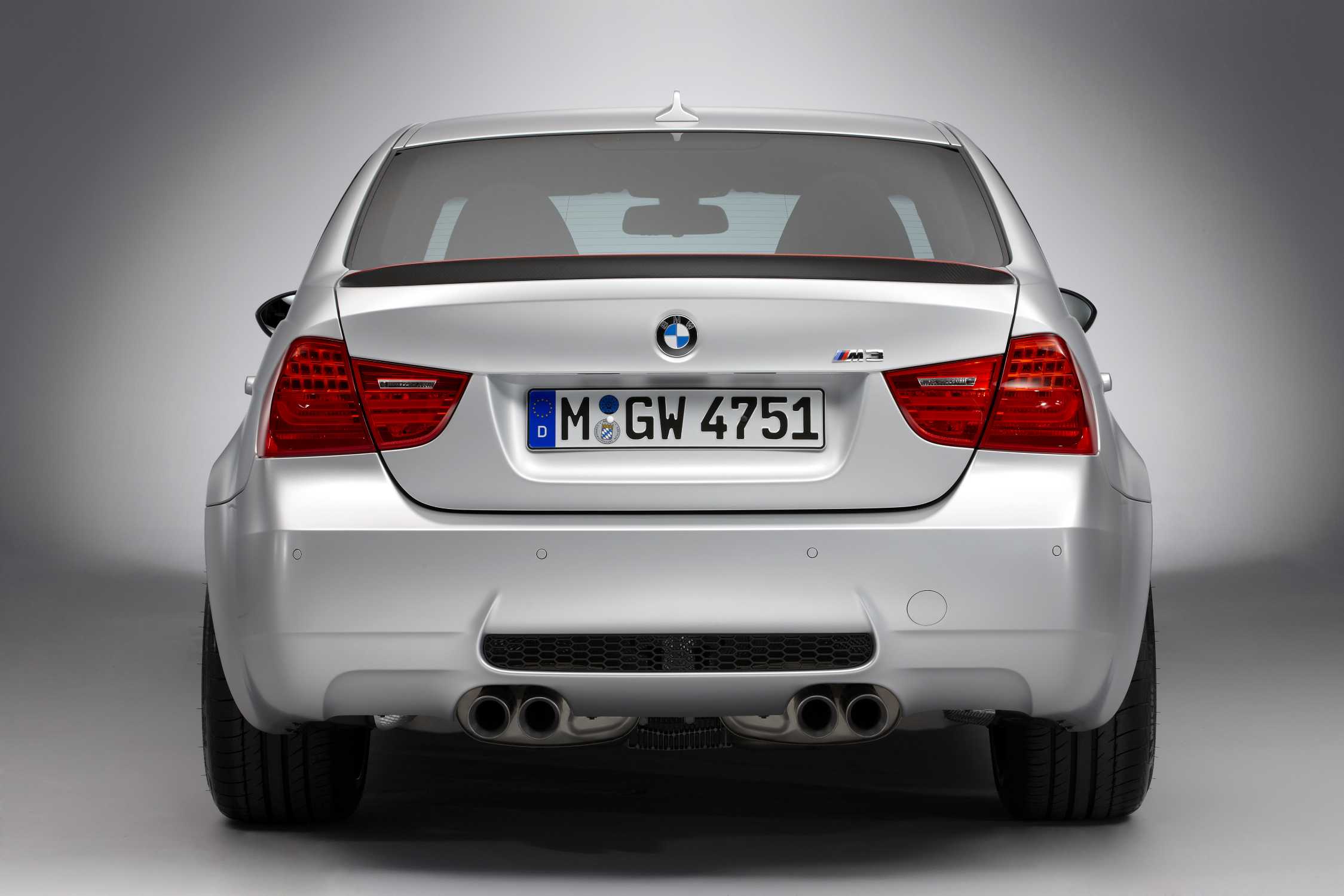
The 2011 BMW M3 CRT E90 combines a high-output V8 with a focused carbon-material development programme in the M3 sedan body. Its 67-car worldwide series makes it much rarer than the regular E90 M3, while the four-door layout separates it from the related GTS coupé.
Record: BMW-073 · Limited production lightweight edition · Germany · 2011.
Specifications and rarity
| Item | Documented reference and scope |
|---|---|
| Count scope | 67 original M3 CRT cars worldwide |
| Name | CRT: Carbon Racing Technology |
| Engine | 4,360 cc naturally aspirated V8 |
| Output | 331 kW / 450 hp |
| Transmission | Seven-speed M dual-clutch transmission with Drivelogic |
| Factory weight | 1,580 kg DIN unladen; around 45 kg below standard sedan comparison |
| Performance | 0–100 km/h in 4.4 seconds |
| Configuration | Four-door sedan with two individual rear seats |
Carbon Racing Technology in a four-door M3
CRT stands for Carbon Racing Technology. The initials identify a particular factory project rather than a general label for any M3 fitted with a carbon component. Construction method, drivetrain and complete specification all belong to its identity.
BMW presented the car ahead of the Nürburgring 24-hour race in June 2011. That motorsport setting explains the emphasis on performance development, but the CRT remains a road-car derivative. It is not the race car competing in the event, and photographs should preserve that distinction.
A material programme with significance beyond appearance
The CRT’s carbon construction is central to its story. BMW describes a process using reprocessed carbon-fiber material in sandwich structures for selected components. The objective is structural efficiency and mass reduction, rather than a purely decorative weave pattern.
Sandwich construction separates layers around a lightweight core. In general engineering terms, that arrangement can provide stiffness efficiently because the layers and core play different roles. The CRT therefore illustrates how a material system matters as much as the name of the material.
This keeps the profile from treating every visible carbon part as equivalent. A decorative trim surface, a structural panel and a molded seat shell can all contain carbon fiber while serving different purposes. The factory account identifies the components developed for this specific edition.
The larger V8 connects it with the GTS programme
BMW identifies a 4,360 cc V8 with 331 kW or 450 hp. The larger displacement distinguishes the CRT from the ordinary 4.0-litre M3 sedan and places it alongside the GTS in the development sequence.
The seven-speed M dual-clutch transmission with Drivelogic belongs to the complete specification. It is not the manual-only arrangement of the 1 Series M Coupé, even though both cars appeared in the same broad period.
The published 4.4-second 0–100 km/h reference indicates the performance brief, but peak acceleration alone does not explain the edition. The combination of engine, material construction and four-door use gives the CRT its particular place among rare M3 derivatives.
Lightweight development without abandoning rear passengers
The CRT retains two individual rear seats and a substantial comfort specification. BMW’s account includes navigation, audio equipment and parking assistance, showing that the project was not simply a stripped sedan with all convenience features removed.
Its DIN unladen reference is 1,580 kg, around 45 kg below the standard sedan comparison cited by BMW. The measurement convention and equipment context belong with the number. Removing them would make comparison with another published weight less reliable.
That balance is the useful distinction from the GTS. A four-door lightweight model can preserve passenger accommodation while using selective construction changes to reduce mass. The two cars demonstrate different priorities within a related high-performance development programme.
Sixty-seven cars, not a US allocation
The factory release gives 67 worldwide and states that the CRT would not be homologated for US sale because of the very small volume. The number is therefore not a United States allocation and should not be added to an imagined overseas series.
Market availability and global count answer different questions. A small allocation reported by a regional BMW office can be part of the worldwide group rather than additional production. This record uses the original worldwide scope to avoid double counting.
The original identity also remains separate from later privately modified E90 M3s. Matching paint, wheels or carbon components may reproduce parts of the appearance without documenting an original CRT. Factory provenance and the complete configuration provide the stronger boundary.
A rare sedan that explains another kind of performance development
The supplied factory images show the CRT’s recognizable sedan body and edition details. They give the engineering story a physical reference, with source links and individual credits that remain visible after import.
Compared with the Frozen Gray US Edition, the CRT’s distinction reaches into engine and construction development. Compared with the GTS, it retains a more passenger-oriented body configuration. Both comparisons clarify what the CRT contributes without ranking the cars through unsupported superlatives.
Its collector significance follows from the unusually small series and the material programme embodied in a usable four-door format. The CRT deserves its own profile because those characteristics form a defined factory derivative, not merely another color choice for the standard M3.
Frequently asked questions
What does CRT stand for?
Carbon Racing Technology.
How many M3 CRT cars were made?
The factory release specifies a worldwide series of 67.
Which body does it use?
The E90 four-door M3 sedan, with two individual rear seats.
Is its engine the standard M3 4.0-litre unit?
It uses the enlarged 4,360 cc V8 configuration, with 331 kW or 450 hp.
Was it homologated for US sale?
BMW’s release states that it would not be, given the very small worldwide volume.
What weight does BMW publish?
1,580 kg DIN unladen, around 45 kg below its standard sedan comparison.
Explore related verified BMW profiles
Sources and photo credits
Photo: BMW AG / BMW Group PressClub · Press/editorial use only. BMW-supplied press photograph under BMW PressClub terms. Original supplied photograph retained without local cropping or content alteration.
Photo: BMW AG / BMW Group PressClub · Press/editorial use only. BMW-supplied press photograph under BMW PressClub terms. Original supplied photograph retained without local cropping or content alteration.
Why this machine matters
Its collector significance follows from the unusually small series and the material programme embodied in a usable four-door format. The CRT deserves its own profile because those characteristics form a defined factory derivative, not merely another color choice for the standard M3.
Built in limited numbers
67 original M3 CRT cars worldwide
Gallery
Specifications
Factory specifications may vary by model year, market and configuration.
Identity & production
- Official model
- BMW M3 CRT E90 (2011)
- Base model
- M3 E9x
- Worldwide production
- 67
Powertrain & performance
- Engine
- 4,360 cc naturally aspirated V8
- Transmission
- Seven-speed M dual-clutch transmission with Drivelogic