BMW 530 MLE E12 — South African Homologation Pioneer
Discover BMW 530 MLE E12 history, specifications and rarity, with sourced details, FAQs and authentic photographs with visible credits.
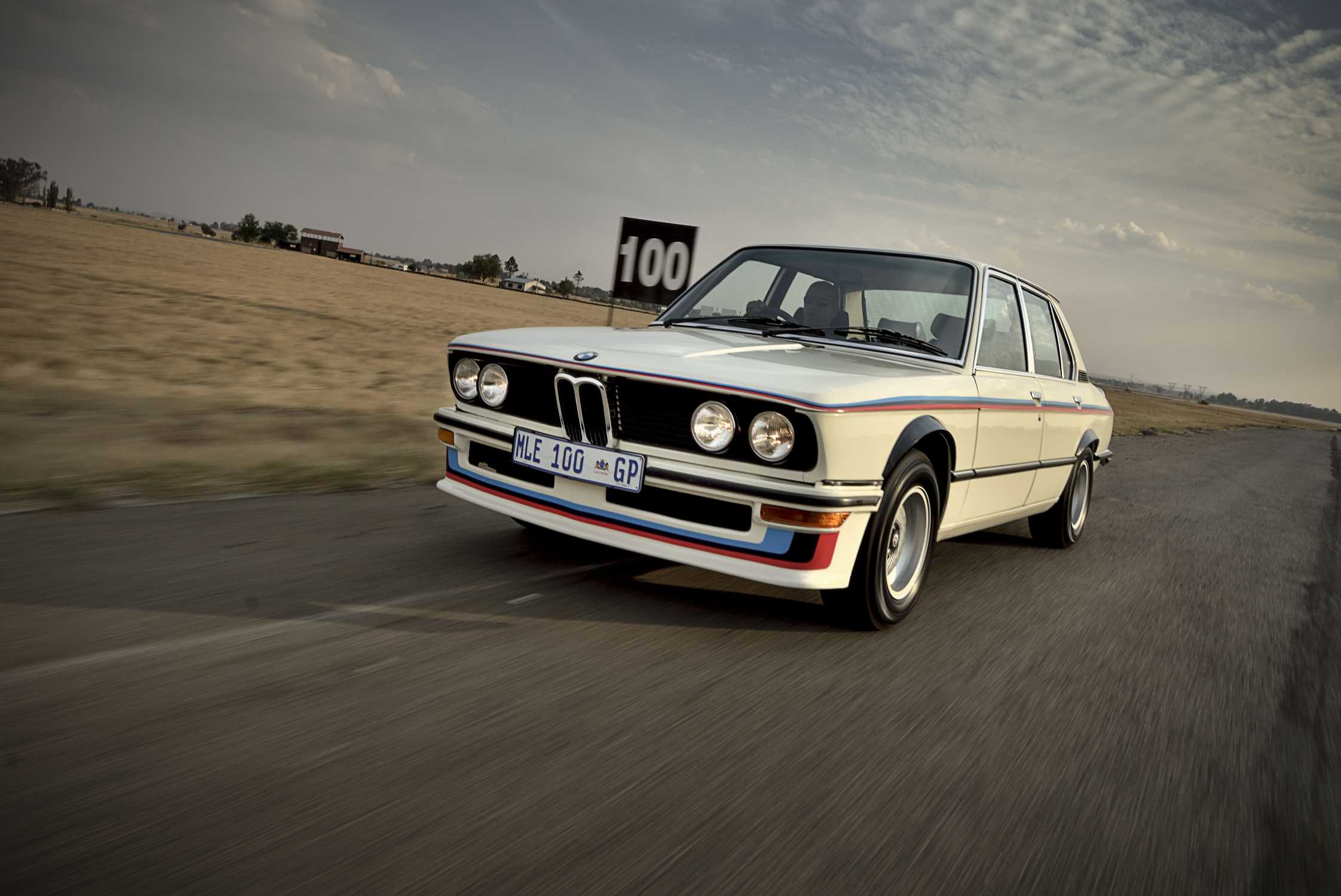
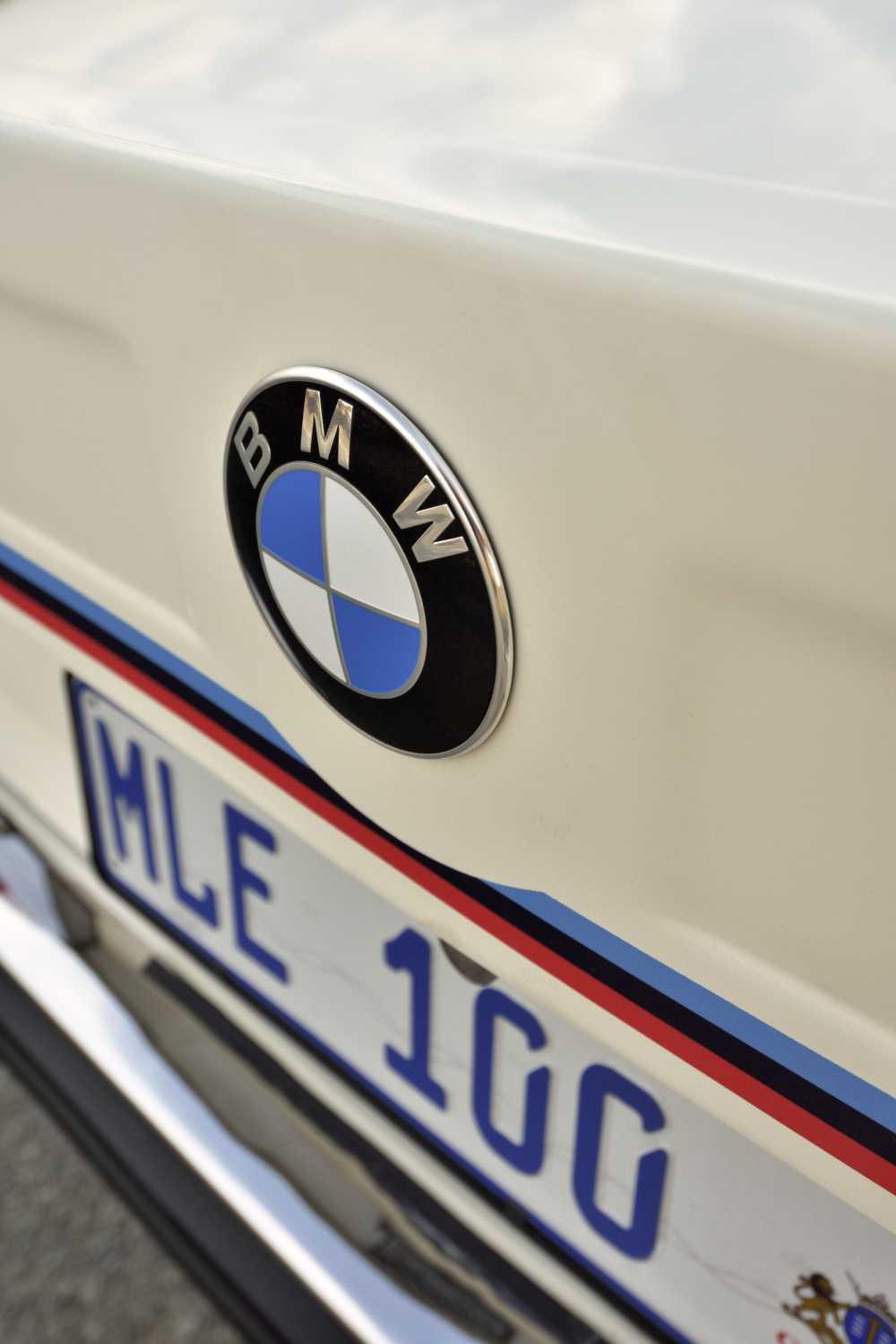
The BMW 530 Motorsport Limited Edition is the E12-based homologation special developed for South Africa in the 1970s. It links a road-going 5 Series production programme with BMW’s Modified Production racing effort. The full MLE name helps distinguish it from an ordinary 530 model or a later trim package.
Record: BMW-024 · South African homologation model · South Africa · 1976.
Specifications and rarity
| Item | Documented reference and scope |
|---|---|
| Full name | BMW 530 Motorsport Limited Edition |
| Introduction / production | 1976 Type 1; 1977 Type 2 |
| Assembly / market | BMW Plant Rosslyn; South Africa |
| Road-car counts | 110 Type 1 plus 117 Type 2 = 227 combined |
| Engine reference | Three-litre inline-six, factory-developed for the programme |
| Factory output / torque | 147 kW; 277 Nm |
| Factory performance reference | 0–100 km/h: 9.3 seconds; maximum speed: 208 km/h |
| Purpose | Road-going homologation model supporting Modified Production racing |
| Photographed example | Restored factory heritage car, number 100, in the 2019 project context |
The BMW 530 MLE connected Rosslyn production with South African racing
The workbook’s 1987 year is corrected to the documented 1976–1977 production sequence. BMW records 110 Type 1 cars in 1976 and 117 Type 2 cars in 1977. Their sum is 227 road-going examples across those two phases, with the racing vehicles treated as a separate scope.
Why the road cars were built
BMW’s restoration account explains that the company needed to sell at least 100 road-going versions to qualify for the racing programme. The homologation model was therefore connected with a specific competition requirement rather than simply a marketing decision to create a rare badge.
This gives the road car a dual role. It remains a customer vehicle, but its existence supports a competition programme. The race car’s victories explain part of the historical context without making the road specification identical to every racing configuration.
For readers comparing rare vehicles, that distinction is useful. A road-going homologation run, a works race chassis and a restored museum example answer different questions. The profile records the 227 combined road total and does not add racing chassis into it without evidence.
Type 1 and Type 2: count the phases before stating the total
The factory source supplies separate numbers for the 1976 and 1977 phases. Adding 110 and 117 produces 227, an explicit calculation rather than a copied unexplained total. The two phases remain visible so a reader can understand what is included.
An individual car’s registration date is a separate matter from the programme’s production period. Likewise, a photograph of a restored Type 1 example cannot establish that every detail is shared by the later phase. The model-level profile avoids assigning a specific chassis to the entire production run.
The count is especially helpful beside the 333i’s rounded factory reference. Here, the source supplies enough detail to populate an exact combined road total. That contrast shows why numerical fields are cleared record by record instead of applying a blanket confidence level to the spreadsheet.
Powertrain and the road-model performance reference
BMW describes a factory-developed six-cylinder derived from the three-litre engine and gives 147 kW, 277 Nm, a 208 km/h maximum and 9.3 seconds from rest to 100 km/h. These are factory road-programme references associated with the homologation model, not a dyno certificate for every surviving car.
The racing programme has its own story. BMW records an exceptionally successful beginning with fifteen wins from fifteen starts and three consecutive championship titles. Those results describe competition use; they should not be presented as achievements of all 227 road cars.
This separation keeps the article useful for both audiences. A reader interested in the model can find the road specification, while a reader exploring motorsport heritage can understand why the model was created. Neither has to infer which version a number describes.
The restoration of car number 100
BMW’s 2019 project brought the restored heritage example back to Plant Rosslyn. Its account identifies car number 100 and describes a restoration involving specialist work and people connected with the original production. The supplied photographs document that restored car in the factory heritage context.
The restoration is part of the model’s later history, not evidence that production continued into 2019. Captions therefore identify the restored example and the image context. A finished heritage photograph should not be mistaken for a period factory photograph from the 1970s.
For a vehicle profile, this later project provides a tangible way to explain the programme. Readers can connect the production counts and competition requirement with an actual preserved example. The featured and gallery images retain their BMW source credits and editorial-use terms directly beside the photographs.
How the 530 MLE fits among verified regional specials
The 530 MLE’s rarity comes from a defined road-car programme with a documented homologation purpose. That is different from the one-object rarity of an Art Car or the internal workshop identity of the M3 pickup. All are rare vehicles, but the reason for their rarity differs.
Related links connect this E12 with the later South African 333i and the original E9 CSL homologation story. The comparison is about how road cars supported distinctive engineering or competition goals, not a claim that the models share the same production rules or components.
The corrected year and counted phases make the record ready for useful future expansion. A separate profile for a particular racing chassis could add its own biography without changing the model-level road total or merging it with the restored number 100 example.
Frequently asked questions
What does MLE stand for?
Motorsport Limited Edition.
When was the BMW 530 MLE produced?
BMW identifies Type 1 production in 1976 and Type 2 production in 1977.
How many road cars were made?
The factory source gives 110 Type 1 and 117 Type 2, totaling 227 across the two phases.
Why was it created?
To provide road-going homologation for BMW’s South African Modified Production racing programme.
Does 227 include every racing chassis?
No. The total here is explicitly the combined road-car production phases.
What do the modern photographs show?
BMW’s restored heritage example in the 2019 project context, rather than new 1970s production.
Is 1987 the model’s introduction year?
No. The spreadsheet date is corrected to the documented 1976 introduction and 1976–1977 production sequence.
Explore related verified BMW profiles
- BMW 333i E30 — South Africa’s Six-Cylinder Special
- BMW 3.0 CSL E9 — Lightweight Homologation Legend
- BMW 535i Art Car — Matazo Kayama, 1990
Sources and photo credits
Photo: BMW AG / BMW Group PressClub · Press/editorial use only. BMW-supplied press photograph under BMW PressClub terms. Original supplied photograph retained without local cropping or content alteration.
Photo: BMW AG / BMW Group PressClub · Press/editorial use only. BMW-supplied press photograph under BMW PressClub terms. Original supplied photograph retained without local cropping or content alteration.
Why this machine matters
The corrected year and counted phases make the record ready for useful future expansion. A separate profile for a particular racing chassis could add its own biography without changing the model-level road total or merging it with the restored number 100 example.
Built in limited numbers
110 Type 1 plus 117 Type 2 = 227 combined
Gallery
Specifications
Factory specifications may vary by model year, market and configuration.
Identity & production
- Official model
- BMW 530 MLE E12 — South African Homologation Pioneer
- Base model
- 5 Series E12
- Worldwide production
- 227
Powertrain & performance
- Engine
- Three-litre inline-six, factory-developed for the programme