BMW 3.0 CSL E9 — Lightweight Homologation Legend
Explore the original BMW 3.0 CSL E9, its lightweight homologation history, engine phases and Batmobile count scope, with credited heritage photos.
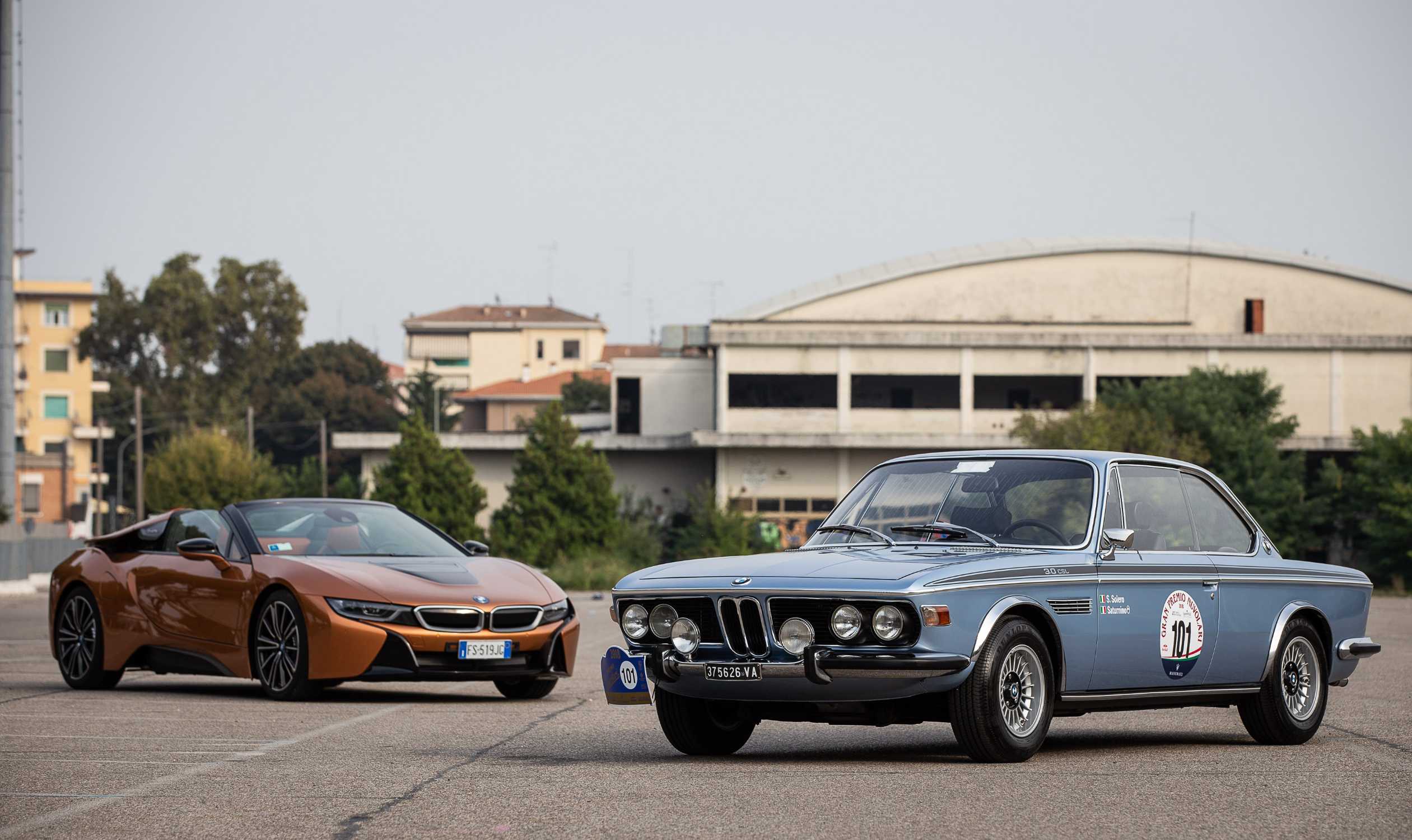
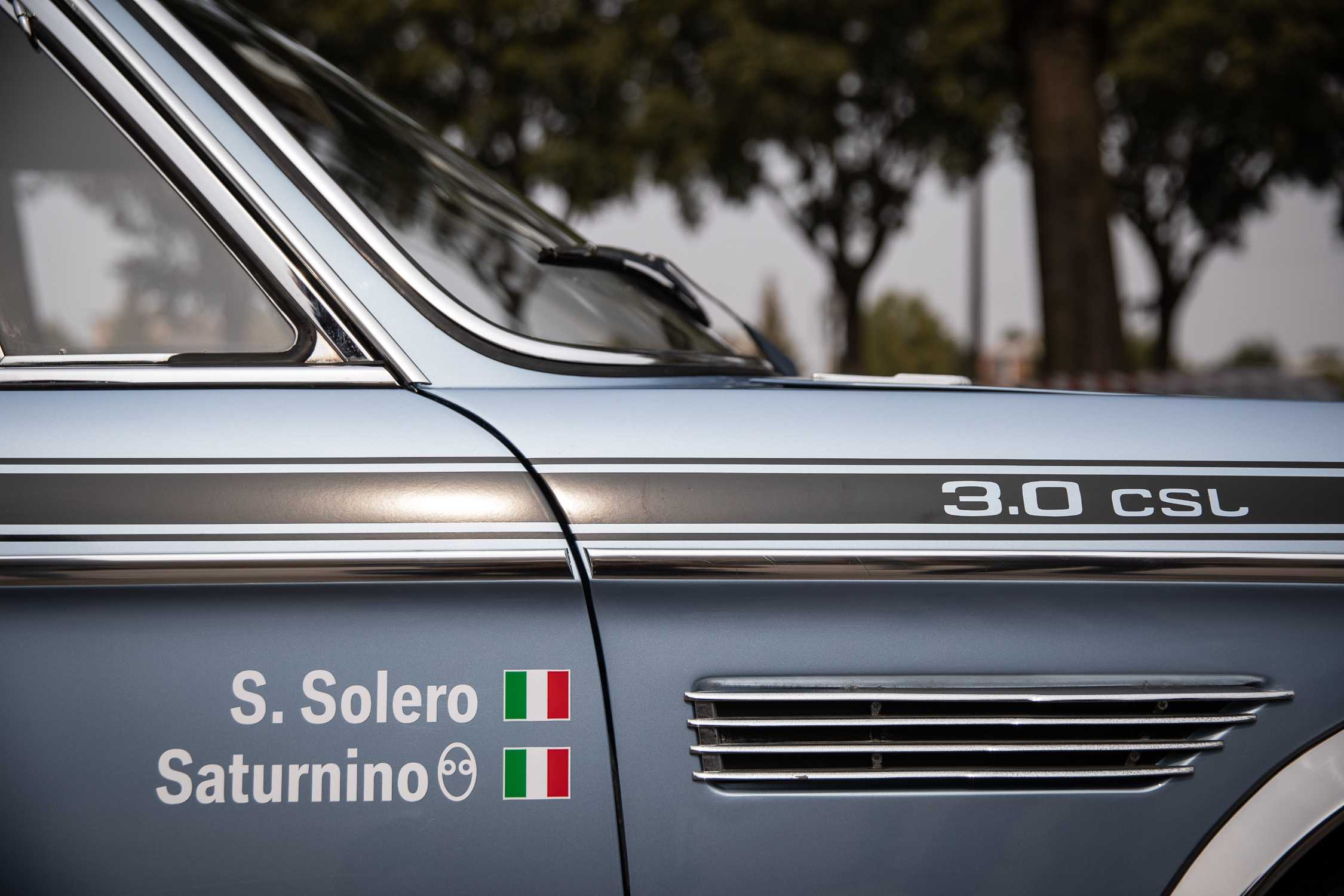
The E9-generation BMW 3.0 CSL turned an elegant six-cylinder coupé into a homologation platform with a deliberately more competitive focus. It is important to identify the generation because BMW later reused the 3.0 CSL name. This record covers the original E9 programme, with 1973 highlighting the especially recognizable aero version.
Record: BMW-008 · Lightweight homologation model · Germany · 1973.
BMW 3.0 CSL E9 specifications and rarity
| Item | Documented reference and scope |
|---|---|
| Programme period | 1971–1975; inventory year 1973 highlights the final aero version |
| Architecture | Front-engined E9 coupé; petrol inline-six |
| Early version | 2,985 cc carbureted engine; factory article gives 180 hp |
| Injected phase | 3,003 cc; factory article gives 200 hp |
| Final road version | 3,153 cc; 151 kW, factory article equivalent 206 hp |
| Final-version performance | 220 km/h maximum; four-speed manual |
| Count distinction | BMW M gives 167 for the final aero version; workbook’s 1,265 overall total is not independently cleared here |
The original BMW 3.0 CSL and the meaning of lightweight
The car’s story has several phases. Early carbureted lightweight models, the injected development and the final larger-capacity road specification should not be collapsed into one universal engine or power figure. A good profile makes those changes visible so that a reader can understand why two authentic CSLs need not share every detail.
From the E9 grand tourer to a competition platform
BMW’s account describes the earlier 2800 CS as a sporty grand tourer and credits Alpina’s initial racing development before the lightweight production CSL took shape. It also connects the later programme with Jochen Neerpasch and the formation of BMW Motorsport GmbH in 1972. The model sits at the meeting point of road-car development and organized motorsport ambition.
Homologation gives the road car a particular historical role. A manufacturer needs a qualifying production platform while the competition car develops under racing regulations. That does not make the showroom specification identical to the racing version. The distinction becomes especially important when reading the much higher power figures of the Calder and Stella Art Cars.
Three engine phases, not one specification
The factory retrospective traces displacement from 2,985 cc through 3,003 cc to 3,153 cc. It describes early carbureted output of 180 hp, an injected development at 200 hp and the final road version at 151 kW, labeled 206 hp in the article. These figures belong to different configurations within the programme.
For a specific vehicle, the correct technical question is which phase it represents. An exterior aero package cannot by itself establish the engine currently fitted, and a restored car may need documentary evidence to support its configuration. This model-level profile supplies the phase map without assigning a chassis or pretending every example matches the final specification.
The Batmobile nickname and aero package
The final version’s conspicuous aerodynamic equipment led to the Batmobile nickname. BMW’s article treats the rear spoiler as equipment designed for track use and notes the road-legal complication in its historical account. The wings and fins are therefore functional parts of the homologation story, not merely decorative flourishes.
The supplied photographs show BMW’s 1972 road-going CSL in a later heritage setting. They illustrate an earlier configuration and should not be read as photographs of the final Batmobile specification. The nickname is useful shorthand for a recognizable form, but it is less precise than a description tied to the actual build phase.
How rare is the E9 CSL?
The workbook supplies 1,265 as the overall total. The primary source checked for this batch gives 167 for the final aero version; it does not establish the workbook’s complete programme total in that passage. The profile therefore carries the broader count as an unresolved inventory figure and leaves an exact overall production field empty.
That is a count-scope issue, not a reason to confuse the documented model with an unverified identity. A road-model programme, its final subset and individual racing chassis are three different things. Preserving the distinction makes the record useful for future research and prevents a narrow variant total from being presented as the whole E9 CSL population.
BMW 3.0 CSL E9 frequently asked questions
Does this profile cover the modern BMW 3.0 CSL?
No. It covers the original E9 lightweight homologation programme of the 1970s.
Were all E9 CSLs Batmobiles?
The final aero version is the one associated with that nickname. Earlier CSL phases had different configurations.
Why are several engine capacities listed?
BMW’s factory history describes early carbureted, injected and final larger-capacity stages.
Were the road CSL and Art Car race CSL equally powerful?
No. The individual Art Cars were racing configurations with separate factory technical references.
Does 167 mean the entire CSL production run?
In the checked BMW M article it describes the final aero version. It should not replace the wider programme total.
Is the workbook total of 1,265 confirmed in this batch?
It is preserved as an inventory claim, but no exact overall total is populated until that scope is independently corroborated.
Explore related verified BMW profiles
- BMW 3.0 CSL Art Car — Alexander Calder, 1975
- BMW 3.0 CSL Art Car — Frank Stella, 1976
- BMW 2002 turbo — The Original Turbocharged 02
Factory sources and photo credits
Technical references and historical claims are tied to the source scope shown above. The inventory’s Verified label establishes eligibility for this batch; unresolved counts remain labelled.
Images: © BMW AG / BMW Group PressClub. Supplied for press and editorial use under BMW PressClub terms.
Why this machine matters
That is a count-scope issue, not a reason to confuse the documented model with an unverified identity. A road-model programme, its final subset and individual racing chassis are three different things. Preserving the distinction makes the record useful for future research and prevents a narrow variant total from being presented as the whole E9 CSL population.
Built in limited numbers
BMW M gives 167 for the final aero version; workbook’s 1,265 overall total is not independently cleared here
Gallery
Specifications
Factory specifications may vary by model year, market and configuration.
Identity & production
- Official model
- BMW 3.0 CSL E9 — Lightweight Homologation Legend
- Base model
- E9 Coupé