BMW 1 Series M Coupé E82 (2011)
Discover BMW 1 Series M Coupé E82 (2011) history, specifications and rarity, with sourced details, FAQs and authentic photographs with visible credits.
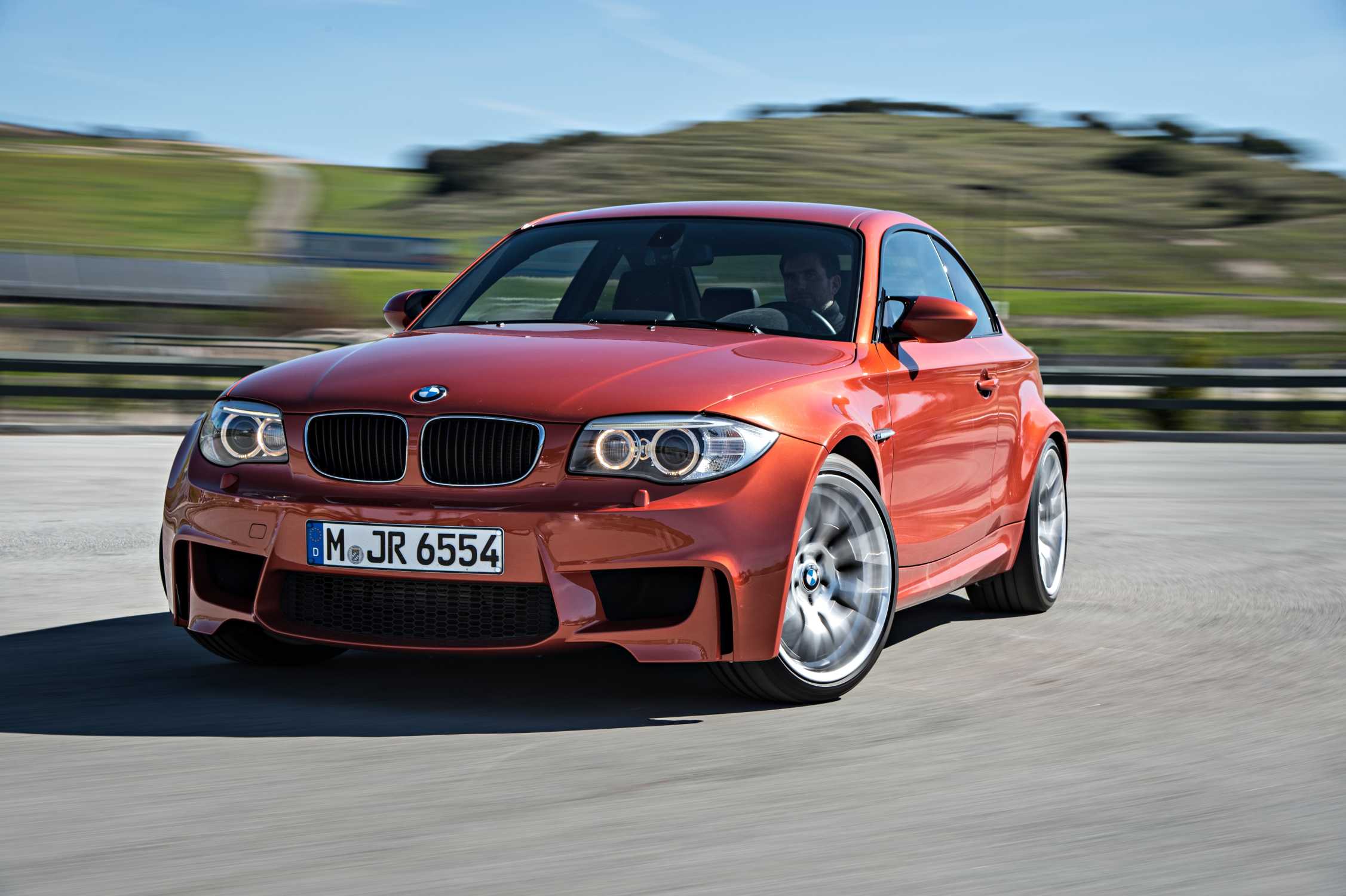
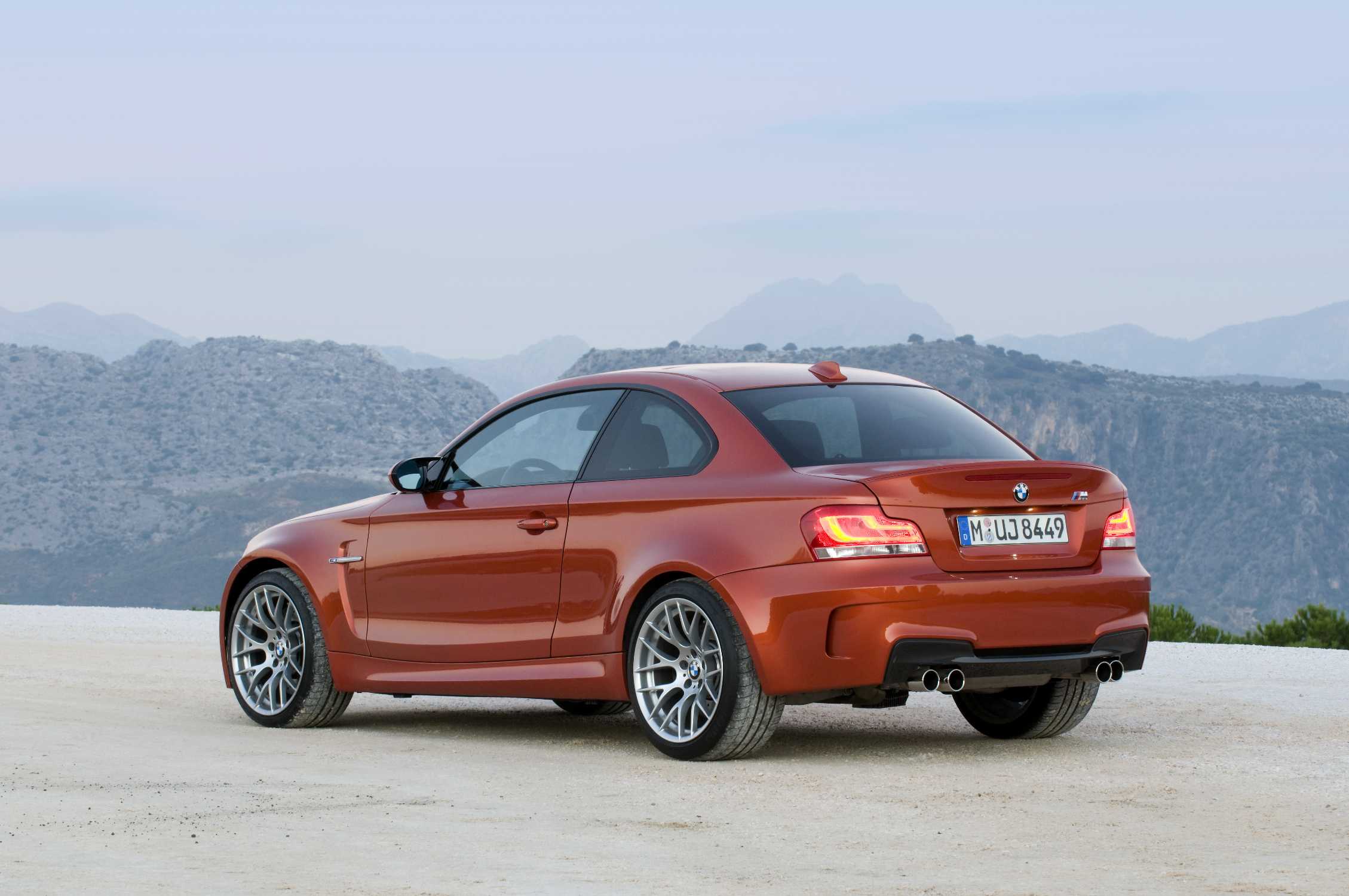
The 2011 BMW 1 Series M Coupé E82 places full M-model development in a shorter-bodied coupé. Its turbocharged six-cylinder engine, manual transmission and wide stance give it an identity distinct from ordinary 1 Series derivatives and M Performance-badged models.
Record: BMW-072 · Finite production M model · Germany · 2011.
Specifications and rarity
| Item | Documented reference and scope |
|---|---|
| Count scope | 6,331 units delivered according to BMW M; delivery scope, not an independently compiled chassis census |
| Engine | 3.0-litre turbocharged inline-six |
| European output | 250 kW / 340 hp |
| Torque | 450 Nm; temporary overboost adds 50 Nm |
| Transmission | Six-speed manual; rear-wheel drive |
| Factory performance | 0–100 km/h in 4.9 seconds |
| Identity | E82 1 Series M Coupé; commonly called 1M |
| Production character | Short-lived full M model; not originally a numbered edition |
A full M model in the compact coupé format
BMW M reports 6,331 units delivered, correcting the workbook’s 6,309. The wording matters: this is the factory page’s delivery total. The profile does not silently relabel it as a separately audited production or survival census.
The car is included as a finite-production M model rather than a numbered commemorative edition. Its rarity follows from the short programme and documented total, while its significance comes from the compact package and deliberate drivetrain choices. A special name alone is not the entire basis for the entry.
Turbocharging and torque give the engine its own character
The 3.0-litre inline-six uses turbocharging, and the European factory reference is 250 kW or 340 hp. This is a different power-delivery approach from the naturally aspirated V8 in the contemporary M3. Comparing only peak horsepower misses an important mechanical distinction.
BMW publishes 450 Nm with a temporary overboost increase of 50 Nm. The extra torque is described as a short-term function, so 500 Nm should not be presented as an unrestricted continuous rating without that qualification.
Turbochargers use exhaust energy to help increase the air supplied to the engine. The system changes the operating characteristics without changing the car into a different engine layout: it remains an inline-six. This provides useful context for readers comparing the 1M with earlier naturally aspirated compact BMW performance cars.
A manual gearbox anchors the compact-car brief
The factory configuration uses a six-speed manual transmission and rear-wheel drive. Those choices are central to the car’s identity, rather than optional details to be replaced in a generic M-model specification table.
A manual transmission makes the driver’s gear selection and clutch operation part of the driving process. That describes the control arrangement without claiming that one transmission type is universally faster or more desirable in every setting.
The comparison with the M3 GTS is particularly useful. The GTS uses a dual-clutch transmission within a concentrated track brief; the 1 Series M takes another route through a compact body and manual control. Both belong to BMW M history, but their original purposes and configurations remain distinct.
Wide-body proportions supported by chassis development
The broad wheel arches visibly differentiate the 1 Series M from the narrower standard coupé. They are part of a complete body and chassis package rather than evidence that any wide-body conversion has become a factory 1M.
BMW describes technology transfer from the M3 adapted to the smaller car. Adaptation is the important point: using related components does not make two vehicles identical in dimensions, mass distribution or behavior. The surrounding body and setup remain part of the result.
The factory acceleration reference is 4.9 seconds for 0–100 km/h. It belongs to that specific interval and configuration. It should not be mixed with a miles-per-hour test or an independently measured result without preserving the difference in method.
6,331 deliveries and a non-numbered production identity
The count correction is small enough to be overlooked in casual summaries, but it matters in a verified inventory. BMW M explicitly gives 6,331 deliveries, while the workbook uses 6,309. The profile follows the current factory statement and identifies its scope.
A delivered total is not a current survival figure. Cars can change ownership, condition and specification after delivery, and establishing their present distribution would require a separate vehicle-by-vehicle investigation. No such census is claimed here.
The model also differs from an edition identified by a numbered plaque. The complete 1 Series M programme is the subject of this record. Its name, body, engine and original factory configuration define membership, rather than a special trim inscription within a larger regular model range.
Why the 1M stands apart from the earlier M1
The short informal name 1M can create confusion with BMW’s original M1 sports car. The official name 1 Series M Coupé helps keep the two identities apart: an E82 compact front-engined coupé is not the earlier mid-engined M1.
The supplied factory photographs show the documented E82 model from complementary positions. Their captions identify archive dates and sources, with credits visible outside the image. That makes the photographs useful identification evidence without filling them with an embedded archive panel.
The car’s place in the collection comes from compact packaging, a defined full-M identity and a finite programme below the rarity ceiling. Related profiles allow comparison with the M3 Compact prototype and contemporary M3 derivatives while preserving each vehicle’s separate history.
Frequently asked questions
What does BMW call the 1M officially?
BMW 1 Series M Coupé.
What count does the reviewed factory page give?
6,331 units delivered, replacing the workbook’s 6,309 reference.
Was it originally a numbered edition?
No. This record covers the short-lived full M model programme.
Which transmission was fitted?
A six-speed manual, driving the rear wheels.
What does overboost mean in its torque specification?
BMW describes an additional 50 Nm available temporarily above the 450 Nm reference.
Is it the same car as the original BMW M1?
No. The E82 1 Series M Coupé is a separate front-engined compact model.
Explore related verified BMW profiles
Sources and photo credits
Photo: BMW AG / BMW Group PressClub · Press/editorial use only. BMW-supplied press photograph under BMW PressClub terms. Original supplied photograph retained without local cropping or content alteration.
Photo: BMW AG / BMW Group PressClub · Press/editorial use only. BMW-supplied press photograph under BMW PressClub terms. Original supplied photograph retained without local cropping or content alteration.
Why this machine matters
The car’s place in the collection comes from compact packaging, a defined full-M identity and a finite programme below the rarity ceiling. Related profiles allow comparison with the M3 Compact prototype and contemporary M3 derivatives while preserving each vehicle’s separate history.
Built in limited numbers
6,331 units delivered according to BMW M; delivery scope, not an independently compiled chassis census
Gallery
Specifications
Factory specifications may vary by model year, market and configuration.
Identity & production
- Official model
- BMW 1 Series M Coupé E82 (2011)
- Base model
- 1 Series M
- Worldwide production
- 6331
Powertrain & performance
- Engine
- 3.0-litre turbocharged inline-six
- Transmission
- Six-speed manual; rear-wheel drive