Audi A1 quattro
The Audi A1 quattro is the 333-car compact performance edition announced in December 2011 for 2012 availability. Audi specified a 188 kW two-litre turbo engine, a six-speed manual gearbox and all-wheel drive, with a distinctive white-and-black presentation. It is separate from the more extreme A1 clubsport concept and from later S1 models.
The Audi A1 quattro is the 333-car compact performance edition announced in December 2011 for 2012 availability. Audi specified a 188 kW two-litre turbo engine, a six-speed manual gearbox and all-wheel drive, with a distinctive white-and-black presentation. It is separate from the more extreme A1 clubsport concept and from later S1 models.
Audi A1 quattro at a glance
| Manufacturer | Audi |
|---|---|
| Model / programme | A1 |
| Profile scope | Limited road edition |
| Historical reference year | 2012 |
| Inventory reference | AUDI-040 |
| Engine reference | 2.0-litre turbocharged petrol engine |
| Published edition limit | 333 — This named edition; exact completed-production census not certified here |
| Manufacturer power reference | 188 kW |
| Manufacturer power reference | 256 PS; concept rating where applicable |
| Manufacturer torque reference | 350 Nm; concept rating where applicable |
A limited A1 with a complete performance identity
The factory announcement describes a two-litre turbocharged engine rated at 188 kW or 256 PS and 350 Nm, with a six-speed manual gearbox and quattro. It gives a 333-car allocation and second-half 2012 availability. Those points explain the 2012 profile date despite the December 2011 announcement. The model’s interest comes from concentrating a special performance brief within a compact body. A collector should look for that complete factory identity rather than treating any A1 with white paint and sporty trim as a member of the edition. The small-car form is part of the story, not an obstacle to it.
Rarity and the meaning of the 333 limit
The 333 figure is the manufacturer’s edition allocation. It is stored as a published limit, without claiming a complete independently checked chassis census or a current survival count. Market registrations and dealer advertisements cannot establish the worldwide original population. For a specific car, begin with factory build data and delivery records, then preserve its ownership and service chronology. A claim that a colour, steering position or country makes the car even rarer requires another source. The model’s published cap already qualifies below the site’s 7,500-car ceiling; there is no need to add an unsupported smaller subset to make it interesting.
The factory appearance and later cosmetic changes
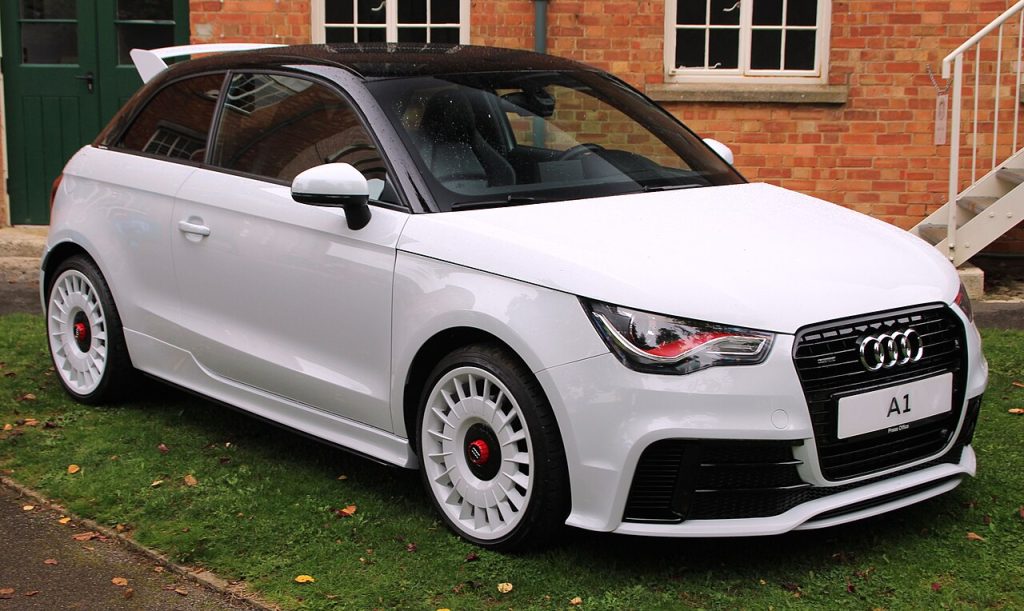
Audi’s release specifies Glacier White metallic with a gloss-black roof, distinctive bumpers and rear spoiler, red headlamp accents and a darkened rear-light presentation. The description helps an editor understand the source-identified photograph. It should not become a substitute for factory records: visible trim can be repaired, replaced or copied. For an individual car, record paint work and retain photographs before refinishing. A colour mismatch may prompt an enquiry, but it is not a complete diagnosis. Conversely, a carefully recreated exterior does not establish that the underlying chassis was originally built as an A1 quattro.
Manual controls and a compact driver environment
The manual gearbox is a visible part of the edition’s character. It gives the interior a mechanical focal point and invites a different interpretation from a display dominated by paddles or touch controls. That observation is about layout, not a fabricated driving impression. A prospective owner should assess the actual clutch and gear selection with a specialist, while matching service records to the car. The compact body also makes seating, visibility and the intended use worth considering directly. A rare model can be historically appealing without being the ideal fit for every collector’s practical requirements.
A1 quattro, A1 clubsport and S1 are separate subjects
The similar names can cause a search result or seller description to blur distinct cars. The 333-car road edition covered here is not the more extreme clubsport concept. A later S1 also needs its own identity and production evidence. The quickest way to avoid confusion is to retain the full model name, relevant year and factory specification in captions and headings. Do not borrow a concept’s power figure for the road edition or assign the A1 quattro’s limited allocation to every related model. Family resemblance is a useful comparison, while factory identity remains the foundation of a collector profile.
What factory documentation should establish
Ask for the VIN-linked build specification, original invoice or delivery evidence and the model designation used by the manufacturer. Compare that record with the present engine, drivetrain, cabin and exterior. Preserve invoices for mechanical changes and replacement trim, particularly where scarce edition pieces are involved. A coherent file should let a future owner distinguish the original car from its subsequent maintenance and alterations. These are documentation priorities rather than claims of widespread replica activity. A well-supported identity is valuable because it turns the car’s rarity from an attractive label into something a reader can actually follow.
Inspecting a used compact performance edition
Evaluate the specific car’s structural condition, repair history, service records and quality of any modifications. Ask a specialist to inspect the installed powertrain and all-wheel-drive equipment rather than assuming an edition name guarantees mechanical health. Wheel damage, unusual tyre wear and inconsistent invoices can each prompt a further enquiry, but should not be presented as model-wide defects without evidence. Keep condition separate from historical significance. A car can be correctly identified and still need substantial work; another can be beautifully presented but poorly documented. A careful report should explain both dimensions rather than using one as a proxy for the other.
Preserve the parts and paperwork that explain the edition
Where a car has been modified for an owner’s preferences, retain original components where feasible and document exactly what changed. Replacement wheels, exhaust parts or cabin fittings can affect how the factory package is understood later. Keeping the removed items does not prove everything is original, but it makes the configuration easier to reconstruct and assess. Record storage conditions and any refinishing. For an archive, photographs of the cabin and model-specific details complement the exterior image. Avoid publishing personal records unnecessarily; the aim is to preserve evidence of the car’s identity, not expose the owner’s private information.
The credited Bicester Scramble image
The bundled image is identified by its photographer as an A1 quattro at Bicester Scramble in October 2024. That modern exposure documents the visible car at the event and provides a useful exterior reference. It does not prove the VIN, original paint condition or individual edition documentation. The credit links to MrWalkr’s source record and the applicable Creative Commons licence. If an owner supplies another photograph, use a similarly precise caption and retain permission. A gallery becomes more informative when its photographs have dates and viewpoints, rather than repeatedly presenting the same body shape without context.
Why the A1 quattro has a distinct collector story
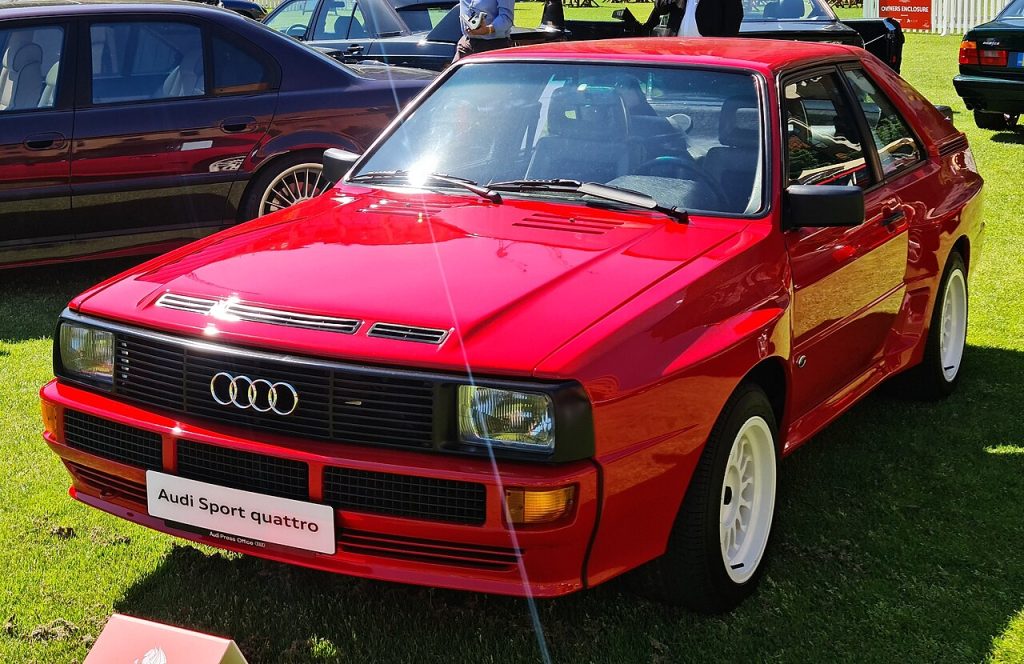
The edition offers a compact counterpart to Audi’s larger performance subjects. It can be compared with the historic Sport quattro for the broader idea of a concentrated performance package, while the 2010 quattro concept provides a separate design interpretation. The first R8 GT supplies a very different limited road-car format. Those connections are editorial comparisons, not evidence of identical engineering or a direct chassis lineage. The A1 quattro’s strongest story combines its documented factory allocation with the integrity of a particular car. Size and power rankings are less useful than explaining why its complete specification gives it an individual place in the archive.
Frequently asked questions
How many Audi A1 quattro cars were allocated?
The factory announced a 333-car limited edition. This profile stores that as the published cap rather than a current survival count.
Why is the profile dated 2012?
Audi announced the edition in December 2011 and specified availability in the second half of 2012.
What engine and gearbox did Audi specify?
A two-litre turbocharged engine rated at 188 kW or 256 PS and 350 Nm, with a six-speed manual gearbox.
Is the A1 quattro the A1 clubsport concept?
No. The limited road edition, clubsport concept and later S1 models are separate subjects and must retain their own specifications.
Explore related vehicle profiles
Sources
History and published specifications follow the linked manufacturer records. Visual comparisons, documentation questions and inspection priorities are editorial analysis. Photographs retain their original subject descriptions and separate rights records.
Photography and credit
Source-identified Audi A1 quattro at Bicester Scramble in October 2024. Factory configuration and individual provenance require build records. Photo: MrWalkr / Wikimedia Commons · CC BY-SA 4.0. Wikimedia thumbnail resized from original; no cropping or color changes.
Why this machine matters
The Audi A1 quattro is the 333-car compact performance edition announced in December 2011 for 2012 availability. Audi specified a 188 kW two-litre turbo engine, a six-speed manual gearbox and all-wheel drive, with a distinctive white-and-black presentation. It is separate from the more extreme A1 clubsport concept and from later S1 models.
Built in limited numbers
The 333 figure is the manufacturer’s edition allocation. It is stored as a published limit, without claiming a complete independently checked chassis census or a current survival count. Market registrations and dealer advertisements cannot establish the worldwide original population. For a specific car, begin with factory build data and delivery records, then preserve its ownership and service chronology. A claim that a colour, steering position or country makes the car even rarer requires another source. The model’s published cap already qualifies below the site’s 7,500-car ceiling; there is no need to add an unsupported smaller subset to make it interesting.
Gallery
Specifications
Factory specifications may vary by model year, market and configuration.
Identity & production
- Official model
- Audi A1 quattro
- Base model
- A1
Powertrain & performance
- Engine
- 2.0-litre turbocharged petrol engine