Aston Martin Short Chassis Volante
The Short Chassis Volante was the first Aston Martin to use the Volante name, with 37 original cars. Introduced in 1965 on the remaining DB5 chassis architecture, it combined an earlier platform with DB6-era styling details. Its transitional identity deserves its own record rather than being folded into either regular convertible programme.
The Short Chassis Volante was the first Aston Martin to use the Volante name, with 37 original cars. Introduced in 1965 on the remaining DB5 chassis architecture, it combined an earlier platform with DB6-era styling details. Its transitional identity deserves its own record rather than being folded into either regular convertible programme.
Aston Martin Short Chassis Volante at a glance
| Manufacturer | Aston Martin |
|---|---|
| Model / family | DB5 / DB6 transition |
| Profile scope | Historic road-model archive |
| Historical reference year | 1965 |
| Inventory reference | AST-051 |
| Original series total | 37 — Original Short Chassis Volante transition programme only |
| Historical engine reference | Six-cylinder transition programme; original option and fitted specification by chassis |
The first Volante, with a specific identity
Aston Martin’s 2025 anniversary announcement confirms that the Volante name first appeared in 1965 on the model now known as the Short Chassis Volante. The specialist chronology spans 1965–1966, accommodating cars completed across that transition. This guide therefore uses 1965 as the introduction reference and does not make it the build year of every example. The inventory’s DB6 wording is retained in the audit, while the profile explains the DB5-based architecture. A transitional car can share features with its successor without becoming an ordinary example of the longer-chassis model.
Rarity: 37 original transition cars
The manufacturer identifies 37 originals. This is the particular transition-model population, not the 123 regular DB5 Convertibles or an allocation of later DB6 Volantes. Keep those groups separate when comparing rarity. Factory engine options create subsets within the 37 rather than extra vehicles. A particular open Aston Martin should be authenticated through chassis and delivery records before being assigned this count. The model’s scarcity is meaningful because the scope is clear: a short-lived original programme, rather than any car now described informally as a DB5 or DB6 convertible.
DB5 architecture and DB6-era details
Cottingham describes the use of the last DB5 chassis with details associated with DB6, including split bumpers and revised rear lighting. Those features help explain the transition but are not a complete authentication method. A later restoration can change visible trim, and components can be shared or reproduced. Compare the actual chassis record with dated photographs and body history. This makes the design story more useful than relying on one grille, lamp or badge. The underlying identity and the chosen presentation period should both be stated in a collecting description.
The roof does not settle the model name
Regular DB4 and DB5 open cars precede the Volante naming milestone; the longer-chassis DB6 Volante followed this transition. Public captions sometimes use the names loosely. When researching a specific car, separate the factory body description, chassis format and build date from later shorthand. A folding roof alone cannot answer those questions. The inventory title is a starting point for research, not a reason to transfer every longer-DB6 specification into this entry. A clear profile can acknowledge familiar alternative descriptions while still giving the supported transition identity priority.
Original engine option and current installation
The specialist account records both standard and Vantage engine options for the short-chassis cars. Establish an individual car’s original order before describing the equipment fitted today. An upgraded engine, altered induction or replacement assembly may belong to a later preparation programme. Those changes should have their own dates and invoices. A Vantage badge or visible carburettor arrangement is evidence of presentation, not a factory-option certificate. The useful technical comparison is between delivered specification and documented current installation, avoiding an invented uniform power figure for all 37 cars.
Body and structure need a specialist assessment
For an individual collecting review, examine the supporting structure, body mounting, panel repairs and open-body alignment with a marque specialist. Review restoration photographs and identify which material was retained or replaced. A glossy finish and neatly closing doors are observations rather than a complete condition assessment. Hand-built details should be recorded before further work. Ask how the present body relates to its earlier appearance and whether the restoration intentionally represents a particular period. This connects the transition model’s historical identity with the actual object’s material history.
Hood equipment and a touring plan
Inspect hood framework, latches, trim, weather seals and drainage alongside the intended use. A car prepared mainly for static display may need different attention before regular touring. Record what equipment accompanies the vehicle and any later replacements. Condition of the actual cooling, lubrication, braking, steering and electrical systems also belongs in the preparation file. A previous public appearance does not settle current readiness. These are practical assessment questions for a particular car, rather than assumptions drawn from the rarity total or the attractive appearance of an event photograph.
A single chassis file prevents duplicate identities
Keep the Short Chassis Volante under one supported chassis record even if older paperwork or captions use DB5, DB6 or transitional naming. Attach the alternative descriptions with their dates and sources instead of creating multiple physical-car entries. This is especially helpful when tracing restoration and custody changes. Factory documentation, early photographs and transfer records should explain the transitions. A convincing history is supported at the points where names or specifications change, not merely by a continuous-looking modern narrative. The archive should make those findings easy for another researcher to follow.
Comparing the three open-body programmes
The regular DB5 Convertible, this short-chassis transition and the later DB6 Volante occupy related but distinct positions. Compare platform, chronology and original body identity before comparing a production number. The earlier DB4 Convertible provides another useful open-touring reference. An original Vantage option belongs within whichever body programme the car actually came from. These connected profiles let readers explore the development without adding overlapping subsets into a false total. Collecting significance also depends on the individual car’s condition and documentation, not simply which of the three groups has the smallest number.
The photograph and continuing research
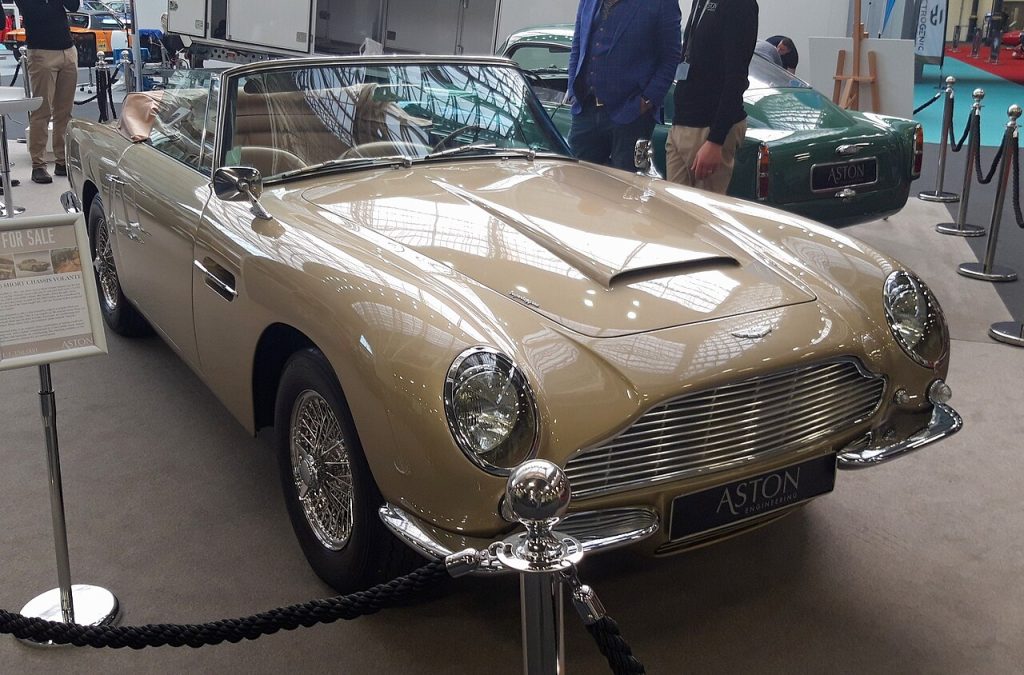
The supplied image shows a source-identified Short Chassis Volante at the London Classic Car Show in 2020. Its photographer, Commons source, reuse licence and resizing disclosure remain linked visibly. No chassis serial or original engine option is assigned from that view. Preserve the caption when sharing it. A durable individual archive should retain original build evidence, dated specifications, repair documentation and custody transitions together. New records can then refine a specific finding without blurring this rare transition into an earlier or later model. That clarity is central to understanding why the 37-car programme matters.
Frequently asked questions
How many Short Chassis Volantes were built?
Aston Martin confirms 37 originals.
When was the name introduced?
1965; the specialist programme chronology spans 1965–1966.
Is it simply the regular DB6 Volante?
No. It is the earlier transition using the DB5-based short chassis.
Does the photo establish a Vantage option?
No. Original engine option requires the individual build record.
Explore related Aston Martin profiles
Sources
- Aston Martin: 2025 Volante anniversary confirms first 1965 model and 37 originals
- Tim Cottingham: Short Chassis Volante transition, 1965–1966
Historical claims follow the linked manufacturer, archive, specialist and catalogue records, with disputed findings retained. Inspection and collecting guidance is editorial analysis. Catalogue condition and custody statements remain dated to their sources.
Photography and credit
Short Chassis Volante at the London Classic Car Show in 2020. Model image; no chassis serial or original engine option assigned. Photo: MrWalkr / Wikimedia Commons · CC BY-SA 4.0. Wikimedia thumbnail resized from original; no cropping or colour changes.
Why this machine matters
The Short Chassis Volante was the first Aston Martin to use the Volante name, with 37 original cars. Introduced in 1965 on the remaining DB5 chassis architecture, it combined an earlier platform with DB6-era styling details. Its transitional identity deserves its own record rather than being folded into either regular convertible programme.
Built in limited numbers
The manufacturer identifies 37 originals. This is the particular transition-model population, not the 123 regular DB5 Convertibles or an allocation of later DB6 Volantes. Keep those groups separate when comparing rarity. Factory engine options create subsets within the 37 rather than extra vehicles. A particular open Aston Martin should be authenticated through chassis and delivery records before being assigned this count. The model’s scarcity is meaningful because the scope is clear: a short-lived original programme, rather than any car now described informally as a DB5 or DB6 convertible.
Gallery
Specifications
Factory specifications may vary by model year, market and configuration.
Identity & production
- Official model
- Aston Martin Short Chassis Volante
- Base model
- DB5 / DB6 transition
- Worldwide production
- 37
Powertrain & performance
- Engine
- Six-cylinder transition programme; original option and fitted specification by chassis