Aston Martin DB5 Convertible
The Aston Martin DB5 Convertible is the original open-body derivative of the 1960s DB5, with 123 examples in the factory account. Its rarity is a body subset within the wider model family. The later Volante name, factory Vantage option and modern engine changes need careful separation when interpreting an individual car.
The Aston Martin DB5 Convertible is the original open-body derivative of the 1960s DB5, with 123 examples in the factory account. Its rarity is a body subset within the wider model family. The later Volante name, factory Vantage option and modern engine changes need careful separation when interpreting an individual car.
Aston Martin DB5 Convertible at a glance
| Manufacturer | Aston Martin |
|---|---|
| Model / family | DB5 |
| Profile scope | Historic road-model archive |
| Historical reference year | 1963 |
| Inventory reference | AST-045 |
| Original series total | 123 — Original DB5 Convertible body subset, including original Vantage-engined convertibles; later body conversions excluded |
| Historical engine reference | DB5 four-litre six-cylinder programme; installed capacity requires individual records |
The open DB5 belongs to a defined period
Aston Martin’s 2023 anniversary account dates DB5’s public debut to Frankfurt in September 1963 and distinguishes its saloon and convertible production. This guide uses 1963 as the family introduction reference. An individual convertible’s completion date must still come from its build record. Open-body cars should not be folded into the later short-chassis Volante simply because both have folding roofs and a related appearance. Model identity, original body type and production date provide the foundation for a useful archive. Later descriptive naming should not replace the documentation of what the actual car was built as.
Rarity: 123 convertibles, including their options
The factory count of 123 covers the original DB5 Convertible body population. The Vantage-engined cars are within that group, rather than an additional production run to be added on top. Left- and right-hand-drive allocations likewise need their own evidence and should not become new editions merely because they are smaller subsets. This guide uses the clearly supported body total and leaves unrelated family-wide totals outside its rarity badge. For a particular car, establish original body identity before applying the number. A later saloon conversion is not authenticated as one of the original 123 by its present appearance.
Convertible and Volante require careful terminology
The manufacturer archive page headed DB5 Volante and located at a short-chassis-Volante URL mixes a later naming milestone with DB5 Convertible material. Its gallery labels are not a reliable way to assign every pictured open car to the original DB5 subset. This guide keeps the inventory’s DB5 Convertible subject and uses explicitly identified model photography. When researching an individual example, compare the factory description, chassis identifier and dates. Familiar public names can remain useful in an explanatory note, but they should not blur separate body programmes or import specifications from the later transitional Volante.
Original engine and present displacement
The general DB5 programme is associated with a four-litre six-cylinder engine, but the actual unit fitted to a surviving convertible may have changed. RM Sotheby’s 2021 catalogue for DB5C/2115/L provides a concrete example: it describes the retained engine as enlarged to 4.2 litres. Original engine identity and original displacement are therefore different findings. For another car, seek its own records instead of transferring that example’s specification. A useful technical account can show historical programme data alongside a documented present installation, including the date and purpose of any enlargement or replacement.
The Vantage option belongs within the convertible population
A factory Vantage claim needs individual build documentation, rather than a carburettor count or badge alone. The related Vantage Convertible guide discusses the published seven-versus-eight production disagreement. Neither number changes the broader 123-car open-body count. A standard car later uprated to similar specification should be described through that conversion history. Such work can be relevant to use and maintenance without conferring original factory-option identity. For a collecting description, state the car’s delivered specification, subsequent changes and fitted equipment separately. This is more informative than presenting all modified open DB5s as the same rare original subset.
Hood, hardtop and weather equipment
The manufacturer records an optional steel hardtop for the convertible. Assess any accompanying top for condition, fit and documentary connection with the car. Review hood framework, seals, drainage, trim and latches as practical equipment rather than merely visual features. A top seen in an old photograph may no longer accompany the vehicle, while a newly fitted one may be appropriate but later. Record what is actually supplied and what has been restored. An open touring car’s use plan should take weather protection seriously, without assuming that a concours presentation confirms watertightness or original delivery equipment.
Inspecting body and structure
A marque specialist should assess the supporting structure, panel condition and previous repairs, especially where a restoration has altered or renewed substantial material. Door alignment, hood fit and exterior finish provide observations, not a complete structural report. Ask for photographs from before and during work and clarify which areas were repaired or replaced. Hand-built details deserve a record before further intervention. This guidance applies to evaluating an individual car; it is not a condition claim about the supplied image. A useful restoration file explains how the present body was achieved and how it relates to the documented original identity.
Mechanical preparation for the intended role
Verify the fitted gearbox, cooling, lubrication, brakes, steering, tyres and electrical systems before planning regular road use. A historic specification is a starting point for identification, not a guarantee of present performance or reliability. Recent invoices should be read alongside an inspection and a discussion of the owner’s intended use. A display vehicle and a car for frequent touring may need different preparation. Keep decisions about upgrades and retained parts documented so future custodians can understand them. This practical record complements the original body and engine history rather than replacing it with a general restoration label.
Comparing the DB5 with other open Aston Martins
The DB4 Convertible offers an earlier open-body family comparison; the Vantage Convertible explores a rarer factory-engine subset within DB5. The short-chassis Volante belongs to a later transition and should keep its own entry when reached in the inventory. Compare original body identity, introduction date and actual engine specification before comparing totals. An open shape does not make these cars interchangeable. The linked profiles allow a reader to navigate the relationship while keeping the 123-car population intact and avoiding duplicated physical vehicles in separate body or option totals.
Photo credit and a useful individual archive
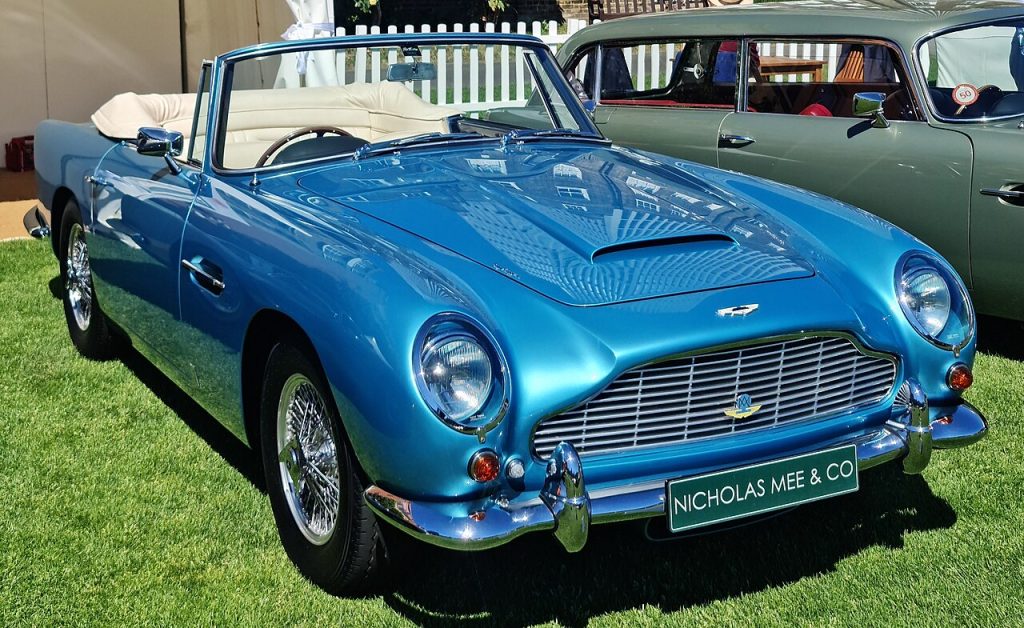
The bundled London Concours image shows a DB5 Convertible in 2021. The visible linked credit records the photographer, source, licence and resizing note; it does not assign original Vantage specification or a chassis serial. Preserve that caption when sharing the photograph. An individual collecting file should bring together build documentation, engine changes, hood and hardtop equipment, structural work and custody transitions. A dated photo sequence helps explain the car’s changing presentation. This makes the profile useful for both design appreciation and research without presenting an unidentified attractive convertible as a fully authenticated rare engine-option car.
Frequently asked questions
How many original DB5 Convertibles are counted?
123 in Aston Martin’s factory account.
Are Vantage convertibles additional to 123?
No. They are an engine-option subset within the convertible population.
Does an original engine guarantee original displacement?
No. The linked catalogue gives an example of a retained unit enlarged to 4.2 litres.
Is every car called Volante an original DB5 Convertible?
No. Verify its actual programme, chassis record and date.
Explore related Aston Martin profiles
Sources
- Aston Martin: 2023 DB5 anniversary, 887 saloons and 123 convertibles
- Aston Martin: DB5 Convertible material on a misleadingly titled Volante archive page
- RM Sotheby’s: DB5C/2115/L retained engine enlarged to 4.2 litres, Monterey 2021
Historical claims follow the linked manufacturer, archive, specialist and catalogue records, with disputed findings retained. Inspection and collecting guidance is editorial analysis. Catalogue condition and custody statements remain dated to their sources.
Photography and credit
DB5 Convertible at London Concours in 2021; model image, with no independently verified chassis serial or original Vantage assignment. Photo: MrWalkr / Wikimedia Commons · CC BY-SA 4.0. Wikimedia thumbnail resized from original; no cropping or colour changes.
Why this machine matters
The Aston Martin DB5 Convertible is the original open-body derivative of the 1960s DB5, with 123 examples in the factory account. Its rarity is a body subset within the wider model family. The later Volante name, factory Vantage option and modern engine changes need careful separation when interpreting an individual car.
Built in limited numbers
The factory count of 123 covers the original DB5 Convertible body population. The Vantage-engined cars are within that group, rather than an additional production run to be added on top. Left- and right-hand-drive allocations likewise need their own evidence and should not become new editions merely because they are smaller subsets. This guide uses the clearly supported body total and leaves unrelated family-wide totals outside its rarity badge. For a particular car, establish original body identity before applying the number. A later saloon conversion is not authenticated as one of the original 123 by its present appearance.
Gallery
Specifications
Factory specifications may vary by model year, market and configuration.
Identity & production
- Official model
- Aston Martin DB5 Convertible
- Base model
- DB5
- Worldwide production
- 123
Powertrain & performance
- Engine
- DB5 four-litre six-cylinder programme; installed capacity requires individual records