Aston Martin DBR1
The Aston Martin DBR1 is the purpose-built sports racer behind the marque’s 1959 Le Mans victory and World Sports Car Championship. Five original cars form the historical series. This guide separates that programme from individual chassis results, later reconstructions and modern DBR1-inspired road cars.
The Aston Martin DBR1 is the purpose-built sports racer behind the marque’s 1959 Le Mans victory and World Sports Car Championship. Five original cars form the historical series. This guide separates that programme from individual chassis results, later reconstructions and modern DBR1-inspired road cars.
Aston Martin DBR1 at a glance
| Manufacturer | Aston Martin |
|---|---|
| Model / family | DBR1 |
| Profile scope | Sports-racing series archive |
| Historical reference year | 1956 |
| Inventory reference | AST-030 |
| Original series total | 5 — Original DBR1 series: four works cars plus one private car; later recreations and tribute specifications excluded |
| Historical engine reference | Six-cylinder racing programme; 2.5-litre original and later 3-litre configurations |
A purpose-built racer with a clear starting point
Aston Martin dates the project to the 1956 racing rules, with Ted Cutting responsible for the design. Its first Le Mans appearance ended in retirement; success followed rather than arriving fully formed. That development sequence makes DBR1 a useful study in focused competition engineering. Read the model as a purpose-built prototype programme, then identify the specific chassis whenever a race, restoration or ownership claim is made. An early debut year and a later car’s construction date answer different questions. The manufacturer page’s 1957 heading does not erase the documented 1956 beginning.
Rarity: five originals, with a defined population
The manufacturer identifies five original DBR1s: four works cars and a fifth for private use. This is an original-series count, not a census of every car that now resembles the design. Re-creations, tribute cars and modern V12 Speedsters with a DBR1-inspired specification belong to separate records. A collecting description should make that boundary visible before using the number five. For an individual car, establish the continuity of its chassis and material through its own file. An authentic programme count helps explain scarcity but does not authenticate a particular vehicle offered under the name.
The engineering was developed over time
Aston Martin describes a multi-tube chassis, torsion-bar suspension and an aluminium six-cylinder racing engine, initially 2.5 litres and later 3 litres. These are programme references with a chronology. They should not become a claim that every surviving car retains one universal displacement, output or configuration. Review dated engine records, body drawings and workshop evidence together. A restoration may deliberately return a chassis to a selected period. State which period that is and which assemblies were conserved or replaced. This gives the engineering story practical meaning without inventing a present mechanical certificate.
The 1959 Le Mans achievement needs chassis attribution
The DBR1 family’s 1959 Le Mans victory is central to its significance. The Simeone Museum distinguishes winner DBR1/2 from its own DBR1/3, an instructive reminder that a successful model contains different individual histories. The pictured car in this profile should not automatically receive the winner’s identity. In an event record, retain the year, race, drivers, chassis and overall or class position together. Programme success belongs in the model account; individual accolades belong in a chassis account. That distinction makes the celebrated victory more useful than a general label applied to every green sports racer.
What a museum’s conservation record can teach
Simeone’s firsthand account of DBR1/3 discusses restoration work that retained engine material while replacing items including the crankshaft and liners. This provides a concrete example of why original identity and untouched components are different findings. A responsible catalogue can describe both a significant historical chassis and substantial specialist intervention. For another DBR1, seek its own invoices and conservation photographs rather than transferring the museum car’s condition narrative. The most useful file explains why work was performed, what evidence guided it and which removed parts remain associated with the vehicle.
Recognizing a DBR1 without certifying it from appearance
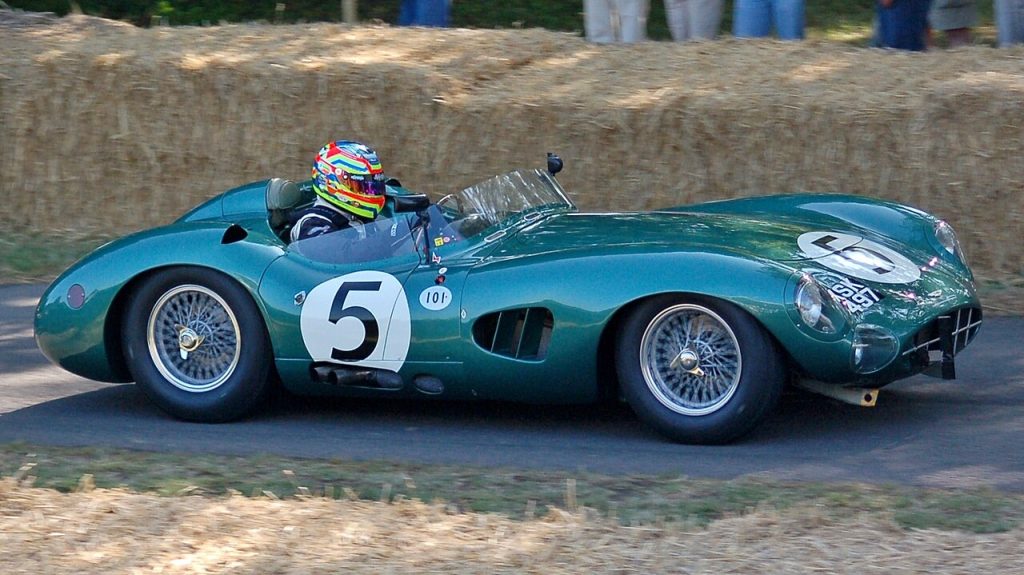
The low open body and competition stance give DBR1 an immediately distinctive presence. Those visual cues are useful for understanding the design, but resemblance alone cannot establish membership of the five-car series. Inspect the physical identifiers and correlate them with archival records and dated photographs. Race numbers are event markings, not permanent proof of chassis identity. A later green finish likewise should not supply an undocumented original colour. Public photographs can show presentation and equipment at a particular appearance; their evidential value improves when the date, photographer and identification basis remain attached.
A practical file for an original racing chassis
Organize records around one chassis, with separate sections for period competition, private ownership, restoration and later historic appearances. Compare registration references and engine numbers without expecting every component to remain unchanged after decades of racing. Where documents disagree, preserve the discrepancy and ask a marque specialist to explain it. A continuous story should be supported by transitions, not simply a list of famous owners. Body repairs, replacement assemblies and changes for event eligibility can all matter. Keeping them visible makes future research and conservation decisions considerably easier.
Condition and intended use are separate collecting questions
Any proposed demonstration or historic competition use needs an inspection of the actual structure, steering, brakes, wheels, tyres, fuel and lubrication systems. A past successful public run does not establish current readiness. Define whether preservation, static display or regular operation is the intended role before agreeing a preparation programme. A car’s event acceptance should be checked with the organiser using its documents and present configuration. This guide explains historical significance; it does not assign eligibility to an unidentified example or reproduce period operating assumptions for a modern owner.
DBR1 compared with DBR2 and DB4 GT
DBR2 belongs to a different sports-racing development path, while DB4 GT connects competition ambitions with the production GT family. They are useful comparisons because the purposes differ. A five-car prototype programme, a two-car racer pair and a customer GT series describe different populations. Compare architecture, chronology and actual use before comparing rarity numbers. The related profiles offer a path through those distinctions. A modern continuation or re-creation should remain separately named even where it is officially built or carefully engineered, since construction date and historical competition life still matter.
Photographs and research that remain useful
The bundled later DBR1 photograph has its photographer, source, reuse licence and resizing disclosure in the visible credit. It illustrates the model rather than proving that the pictured chassis won Le Mans or retains its original engine. Preserve that caption when the image is shared. A durable research record should also retain archived versions of key documents, dated configuration notes and photographs of identifying features. New evidence can then refine an individual claim without rewriting the whole programme. DBR1’s significance is strongest when its famous achievements and the histories of its few original cars remain connected but clearly distinguished.
Frequently asked questions
How many original DBR1s were built?
Aston Martin identifies five: four works cars and one for private use.
Did every DBR1 win Le Mans?
No. The model won in 1959, with the winning individual identified as DBR1/2.
Was DBR1 derived directly from a road car?
Aston Martin describes it as a purpose-built sports-racing prototype under the 1956 rules.
Does a DBR1-inspired Speedster count among the five?
No. A later tribute specification or reconstruction is a different vehicle population.
Explore related Aston Martin profiles
Sources
- Aston Martin: DBR1 development and original five-car series
- Aston Martin: four works DBR1s plus one private car
- Simeone Foundation Automotive Museum: firsthand DBR1/3 history and conservation
Historical claims follow the linked manufacturer, archive, specialist and catalogue records, with disputed findings retained. Inspection and collecting guidance is editorial analysis. Catalogue condition and custody statements remain dated to their sources.
Photography and credit
DBR1 at Goodwood in 2009. The source identifies DBR1/2; that serial is retained as an attribution, not an independent inspection finding. Photo: Bahnfrend / Wikimedia Commons · CC BY-SA 4.0. Wikimedia thumbnail resized from original; no cropping or colour changes.
Why this machine matters
The Aston Martin DBR1 is the purpose-built sports racer behind the marque’s 1959 Le Mans victory and World Sports Car Championship. Five original cars form the historical series. This guide separates that programme from individual chassis results, later reconstructions and modern DBR1-inspired road cars.
Built in limited numbers
The manufacturer identifies five original DBR1s: four works cars and a fifth for private use. This is an original-series count, not a census of every car that now resembles the design. Re-creations, tribute cars and modern V12 Speedsters with a DBR1-inspired specification belong to separate records. A collecting description should make that boundary visible before using the number five. For an individual car, establish the continuity of its chassis and material through its own file. An authentic programme count helps explain scarcity but does not authenticate a particular vehicle offered under the name.
Gallery
Specifications
Factory specifications may vary by model year, market and configuration.
Identity & production
- Official model
- Aston Martin DBR1
- Base model
- DBR1
- Worldwide production
- 5
Powertrain & performance
- Engine
- Six-cylinder racing programme; 2.5-litre original and later 3-litre configurations