Aston Martin DB3S
DB3S is Aston Martin’s postwar sports-racing series introduced in 1953. The reviewed sources distinguish eleven works cars from twenty customer cars, giving a scoped total of thirty-one. Its body and engine development, Le Mans results and varied individual chassis histories make it a collector subject that requires more than a generic racing pedigree.

DB3S is Aston Martin’s postwar sports-racing series introduced in 1953. The reviewed sources distinguish eleven works cars from twenty customer cars, giving a scoped total of thirty-one. Its body and engine development, Le Mans results and varied individual chassis histories make it a collector subject that requires more than a generic racing pedigree.
Aston Martin DB3S at a glance
| Manufacturer | Aston Martin |
|---|---|
| Model / family | DB3S |
| Profile scope | Sports-racing series archive |
| Historical reference year | 1953 |
| Inventory reference | AST-025 |
| Original series total | 31 — Original DB3S series: eleven works and twenty customer cars; excludes later replicas |
| Historical engine reference | Three-litre straight-six sports-racing programme; works/customer and later configurations separately scoped |
DB3S as a distinct sports-racing programme
Aston Martin’s heritage account describes DB3S as a lighter, more capable development than DB3, with Frank Feeley’s alloy body and Willie Watson’s revised chassis. The important distinction is a separate named sports-racing programme, not a trim upgrade on an ordinary road car. An individual collecting file still needs to establish which chassis survives and its configuration. The model guide provides the programme context. That separation lets readers appreciate the engineering transition without assuming every DB3S has the same body, engine, race use or ownership history simply because it shares the designation.
Rarity: eleven works plus twenty customer cars
The manufacturer records eleven team cars, while the customer catalogue and the Concours of Elegance account establish twenty customer examples. The organizer explicitly gives the combined eleven-plus-twenty scope. This guide records thirty-one original works and customer cars as that historical series total. It is below the collection’s 7,500 ceiling. The number does not include later replicas as original production, and it does not certify an unbroken material history for every surviving chassis. Population definition and object authenticity remain different questions, even where a series-level count can be supported clearly.
Works and customer identities
The source records distinguish works and customer chassis populations. The latter have their own numbering and individual competition lives. A customer car is not automatically a factory team chassis because it later receives competition equipment or a famous driver association. Establish original delivery and documented changes from the car’s file. The model guide should make those relationships visible without creating an artificial ranking of every surviving example. Works provenance, customer racing, body history and conservation can each matter differently. The collecting comparison is strongest when it identifies the actual basis of an individual car’s significance.
The three-litre six-cylinder technical context
The manufacturer describes a revised three-litre straight-six as part of the DB3S development. Customer and works specification differences need their own dated evidence rather than one universal performance entry. The customer catalogue illustrates how an individual car could later receive different competition hardware. For a surviving object, establish engine identity, head, induction and installation history separately. Missing measured output or current capacity should not be inferred from a generalized programme description. The useful technical account explains the model’s architecture while keeping present installed specification and component provenance attached to the actual chassis.
Body development and the coupe experiment
The manufacturer’s history describes open cars, works coupes and later body variations. That development is important because body style can change during a racing car’s life. A surviving open car may have a different earlier configuration that needs its own records. Do not create a new chassis count for every rebody or assume a modern photograph shows the first delivered form. Preserve comparative images and workshop documents. An archive can then explain the design decisions and the present material without flattening several meaningful historical stages into one attractive but oversimplified body-style label.
Le Mans second places are not outright wins
Aston Martin’s account records second-overall DB3S finishes at Le Mans in 1955, 1956 and 1958. Those are significant programme results, but they should not become a claim that DB3S won the race outright. Each individual result needs the correct chassis and driver evidence before it is attached to a particular collector car. A generic model photo should not carry another chassis’s trophy history. Keeping programme achievement and physical-car attribution separate gives the guide a credible racing narrative and leaves the more specific provenance work where it belongs: in the individual object file.
An individual works example illustrates the distinction
The manufacturer’s 2019 account identifies DB3S/2 as a specific works chassis associated with Peter Collins and major events. That example shows why a model-level history and a chassis-level history should be linked but not merged. Another DB3S cannot inherit those appearances merely through the same type designation. A strong collecting description should state which object a source concerns before using its achievements. The series has shared engineering context, while each car has its own material, competition and custody evidence. Preserving that distinction makes comparisons more useful and prevents borrowed provenance.
Race histories must follow the physical car
Build the chronology from chassis records, contemporary entry or timing evidence, photographs and workshop material. Bodywork, engines and identifying labels can move or be replaced, so describe what a source actually establishes. An overall result, class result, test appearance and later historic demonstration belong in separate entries. Keep uncertain assignments visible. A supported race file gives the collector more information than a list of famous events without evidence of the car’s participation. It also helps explain how the current object connects to its past after repairs, changes and conservation.
Material originality and restoration choices
A competition car may have undergone significant intervention during active use and later preservation. Document the structure, body, engine and assemblies individually, with the reference period chosen for any restoration. Correct replacement material and original surviving fabric should not be hidden behind one blanket originality statement. Retain removed parts and specialist findings where practical. This lets future custodians understand both continuity and change. The car’s historical significance can survive necessary repair when that work is honestly recorded; the collecting file becomes stronger because it explains what the object now contains and why.
The supplied licensed DB3S photograph
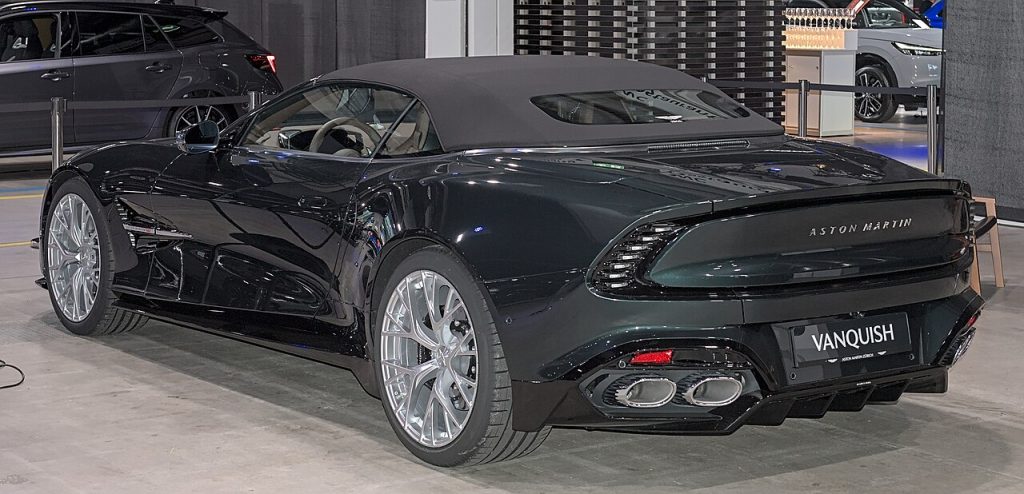
The bundled image shows a DB3S in a later presentation and is used as model context. It does not independently prove a chassis serial, a particular Le Mans result or the age of each fitted part. Photographer Calreyn88, the Commons source, CC BY-SA 4.0 licence and resizing note are visibly linked. An individual chassis feature should add authenticated identification and condition views with their own rights records. The image gives readers a real view of the sports-racing design while retaining the documentary standard needed for a more specific provenance or competition claim.
Condition and operating support
A suitable specialist should assess frame integrity, suspension, brakes, steering, wheels, tyres, lubrication, cooling, fuel systems, transmission and the actual engine configuration. A rare series total or a successful period programme does not certify current readiness. Define whether the car will be conserved, displayed, toured or raced and document the preparation needed. Modern event eligibility requires its own organizer review. Available spares, expertise and records matter to preservation as well as use. The practical collecting account should explain those resources and the individual condition rather than relying on the prestige of the DB3S name alone.
Comparing DB3S with earlier Aston Martins
The LM works cars provide an earlier competition context, while DB1 links the postwar road programme to its engineering foundation. Compare purpose, source scope and individual history before comparing raw production numbers. Thirty-one series cars and one named works chassis describe different populations. Related guides help readers explore those distinctions without creating overlapping editions or duplicate physical-car records. A useful archive shows how the marque’s engineering and competition ambitions developed, then leaves each vehicle’s authentication, condition and specific collecting significance supported by the appropriate documents and photographs.
Frequently asked questions
How many original DB3S cars are counted here?
Thirty-one: eleven works cars plus twenty customer examples, with those populations explicitly scoped.
Did DB3S win Le Mans outright?
The reviewed manufacturer history records second-overall finishes; it does not support an outright-win claim.
Does every DB3S share one body history?
No. The programme included body development and individual configuration changes.
Does the photograph prove a specific race result?
No. It supplies licensed model imagery without independently authenticate a chassis-specific competition history.
Explore related Aston Martin profiles
Sources
- Aston Martin: DB3S development, eleven team cars and Le Mans results
- RM Sotheby’s: DB3S/118 and twenty customer cars
- Concours of Elegance: eleven team plus twenty customer cars, August 2026
- Aston Martin: DB3S/2 is an individual works chassis, July 2019
Historical claims follow the linked manufacturer, archive, specialist and catalogue records, with disputed findings retained. Inspection and collecting guidance is editorial analysis. Catalogue condition and custody statements remain dated to their sources.
Photography and credit
DB3S in a later presentation, photographed in 2022; no individual chassis serial, Le Mans result or component originality is inferred. Photo: Calreyn88 / Wikimedia Commons · CC BY-SA 4.0. Wikimedia thumbnail resized from original; no cropping or colour changes.
Why this machine matters
DB3S is Aston Martin’s postwar sports-racing series introduced in 1953. The reviewed sources distinguish eleven works cars from twenty customer cars, giving a scoped total of thirty-one. Its body and engine development, Le Mans results and varied individual chassis histories make it a collector subject that requires more than a generic racing pedigree.
Built in limited numbers
The manufacturer records eleven team cars, while the customer catalogue and the Concours of Elegance account establish twenty customer examples. The organizer explicitly gives the combined eleven-plus-twenty scope. This guide records thirty-one original works and customer cars as that historical series total. It is below the collection’s 7,500 ceiling. The number does not include later replicas as original production, and it does not certify an unbroken material history for every surviving chassis. Population definition and object authenticity remain different questions, even where a series-level count can be supported clearly.
Gallery
Specifications
Factory specifications may vary by model year, market and configuration.
Identity & production
- Official model
- Aston Martin DB3S
- Base model
- DB3S
- Worldwide production
- 31
Powertrain & performance
- Engine
- Three-litre straight-six sports-racing programme; works/customer and later configurations separately scoped