Aston Martin DB7 Zagato
The DB7 Zagato brought distinctive closed coachwork to a ninety-nine-car customer programme at the end of the DB7 era. Its 2002 announcement and prototype preceded the 2003 customer model. The double-bubble roof, unusual rear treatment and V12 GT-based specification set it apart from both the standard DB7 and the roofless DB AR1.
The DB7 Zagato brought distinctive closed coachwork to a ninety-nine-car customer programme at the end of the DB7 era. Its 2002 announcement and prototype preceded the 2003 customer model. The double-bubble roof, unusual rear treatment and V12 GT-based specification set it apart from both the standard DB7 and the roofless DB AR1.
Aston Martin DB7 Zagato at a glance
| Manufacturer | Aston Martin |
|---|---|
| Model / family | DB7 / Zagato |
| Profile scope | Historic road-model archive |
| Historical reference year | 2003 |
| Inventory reference | AST-090 |
| Original series total | 99 — Original customer DB7 Zagato coupe programme only |
| Historical engine reference | V12 DB7 GT-based coupe programme; factory historical 440 bhp and six-speed manual reference |
| Displacement reference | 5935 cc; historical programme reference, not current installed measurement |
A project developed before the customer model year
The dedicated factory history places the project’s origin at Pebble Beach in 2001 and its announcement at Geneva in 2002. This profile uses 2003 for the customer model reference. Development discussions, unveiling and completion are different milestones, so they should remain separate in an individual car’s archive. The chronology is useful when an early prototype photograph appears beside a later production car. It explains why several dates can be valid without implying several nominal editions. Keep original build and registration records attached to the chassis before interpreting a source’s year as the complete history of the vehicle.
Georgia and the prototype’s donor identity
Aston Martin describes the prototype Georgia as a transformation of an early DB7 Vantage Volante, with its coachwork executed in Milan. That donor and conversion sequence belongs to the prototype’s particular record. It should not be transferred to every customer coupe or counted again simply because the completed object has a new design name. A prototype can be central to the programme while retaining a distinct physical identity. Archive the development photographs and documents together so a researcher can follow the transition. The same method prevents a restored or converted vehicle from accumulating multiple overlapping nominal histories.
Rarity: the ninety-nine customer programme
The manufacturer records a strictly limited ninety-nine-car customer programme and rapid take-up of that allocation. This profile uses that scope rather than every prototype or related factory object. A present survivor count would require another reconciled register. Do not combine the separate DB AR1’s population with the coupe as though both were one uniform body programme. An individual numbered car still needs supporting chassis and build evidence. The total explains the model’s limited availability, but it cannot authenticate an unidentified coupe or determine which equipment it carries now. Its usefulness depends on the explicit customer scope.
The double-bubble roof and distinctive rear
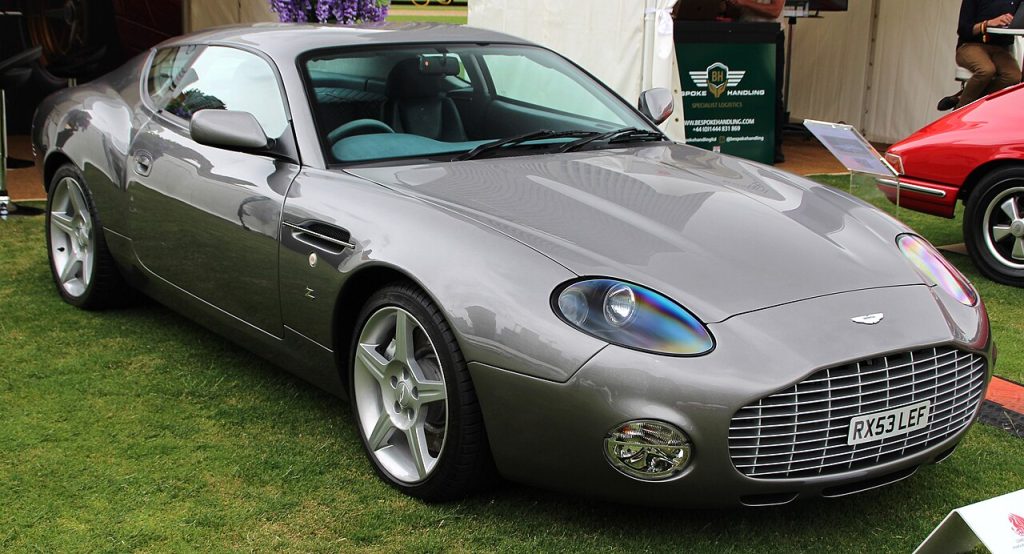
The manufacturer describes the large grille, double-bubble roof, sculpted rear window and unique rear arrangement. These are central to the coupe’s visual identity rather than detachable proof of membership. Examine original build information and dated photographs alongside the present body. A panel repair may preserve the original form while replacing material; that distinction deserves a restoration record. Bespoke glass and closures should be documented before work. The profile’s design discussion can explain what readers see while avoiding the assumption that a current photograph certifies structural originality or every component’s provenance.
A V12 GT-based technical reference
The factory identifies the coupe with a 440 bhp version of the DB7 GT engine and a six-speed manual transmission. Those are historical programme specifications rather than a present measured result for the photographed car. A surviving example may have received rebuilds or later changes. Record original order, engine identifiers and work dates before describing the current installation. The roadster’s summary transmission references should not be imported merely because it shares Zagato styling. Precise technical context begins with the specific closed-body programme and then lets the individual chassis file explain departures from the original delivered arrangement.
Market scope differs from the DB AR1 brief
Aston Martin describes the coupe as offered in the UK, Europe and South East Asia, while the DB AR1 addressed American demand with a different open platform. Original market and later location are separate findings. A car subsequently imported elsewhere does not rewrite the programme’s original sales brief. Keep delivery documents and later registration movements in sequence. This distinction is also important for photographs: an American event appearance cannot by itself establish an original US-market coupe. The vehicle record should explain the actual transfer history instead of inferring it from where a later image happened to be taken.
A specialist assessment of bespoke bodywork
Inspect the supporting structure, body repairs, panel alignment, glazing, closures and trim with someone familiar with the coachbuilt coupe. Archive workshop photographs before concealed material disappears beneath a new finish. An uncommon exterior component should receive its own inventory and condition description. Record whether work preserves existing material, replaces it to pattern or intentionally returns the car to an earlier appearance. A rare programme does not automatically make a restoration authentic. The material history is strongest when a future reader can understand which parts survived, what changed and what evidence guided each intervention.
Documents that connect number and physical object
Compare chassis identification, original order, build information, early photographs and edition documentation. A modern seller’s repeated model name is a lead rather than a complete history. Keep catalogue condition and custody statements dated to their offering, then attach evidence of later work or transfers separately. A supported identity should remain stable even when colour or equipment changes. Avoid using an image’s source title to assign an unseen serial. This method lets the customer programme’s historical rarity sit alongside a verifiable record of the particular object rather than substitute for its documentary continuity.
How the earlier Zagatos help explain it
The DB4 GT Zagato and the 1980s V8 Vantage Zagato Coupe offer useful comparisons with other phases of the collaboration. Compare original purpose, platform, engine and population scope before treating all Zagatos as equivalent. The DB7-based coupe belongs to its own engineering and customer context. An individual vehicle’s restoration evidence and supported specification also matter to collecting interest. Related profiles should explain the family’s development without implying that a repeated badge transfers competition history, engine output or body construction from one generation to another. The distinction makes each limited programme easier to understand on its own terms.
The London Concours photograph
The bundled image shows a source-identified DB7 Zagato at London Concours in 2022, with a 2004 model-year label in the filename. That is a dated subject image rather than an independent chassis inspection. Its caption links author, Commons source, licence and resizing disclosure. Retain those credits when sharing it. The photograph is a useful visual companion to the roof and rear-body discussion, while original documents establish the individual vehicle’s identity and specification. A durable archive keeps those different forms of evidence connected, allowing new research to refine a particular finding without changing the supported customer-programme scope.
Frequently asked questions
What production scope is used here?
Ninety-nine original customer DB7 Zagatos, as stated by Aston Martin.
Why do 2002 and 2003 both appear?
The project was announced in 2002;2003 is used for the customer model reference.
Is DB AR1 simply the same coupe without its roof?
No. Its open Volante-based platform and original market brief are distinct.
Does the picture establish the chassis serial?
No. It is a source-identified model image with a dated event caption.
Explore related Aston Martin profiles
Sources
- Aston Martin: 2002 announcement, Georgia prototype and DB7 Zagato customer programme
- Aston Martin: separate 99-car DB7 Zagato and DB AR1 programmes
Historical claims follow the linked manufacturer, archive, specialist and catalogue records, with disputed findings retained. Inspection and collecting guidance is editorial analysis. Catalogue condition and custody statements remain dated to their sources.
Photography and credit
DB7 Zagato at London Concours in 2022. Source model-year label retained; no individual chassis serial or installed-specification certificate implied. Photo: MrWalkr / Wikimedia Commons · CC BY-SA 4.0. Wikimedia thumbnail resized from original; no cropping or colour changes.
Why this machine matters
The DB7 Zagato brought distinctive closed coachwork to a ninety-nine-car customer programme at the end of the DB7 era. Its 2002 announcement and prototype preceded the 2003 customer model. The double-bubble roof, unusual rear treatment and V12 GT-based specification set it apart from both the standard DB7 and the roofless DB AR1.
Built in limited numbers
The manufacturer records a strictly limited ninety-nine-car customer programme and rapid take-up of that allocation. This profile uses that scope rather than every prototype or related factory object. A present survivor count would require another reconciled register. Do not combine the separate DB AR1’s population with the coupe as though both were one uniform body programme. An individual numbered car still needs supporting chassis and build evidence. The total explains the model’s limited availability, but it cannot authenticate an unidentified coupe or determine which equipment it carries now. Its usefulness depends on the explicit customer scope.
Gallery
Specifications
Factory specifications may vary by model year, market and configuration.
Identity & production
- Official model
- Aston Martin DB7 Zagato
- Base model
- DB7 / Zagato
- Worldwide production
- 99
Powertrain & performance
- Engine
- V12 DB7 GT-based coupe programme; factory historical 440 bhp and six-speed manual reference