Alpine A110 R Fernando Alonso
The Alpine A110 R Fernando Alonso is the numbered road-car edition announced in 2022 with a limit of 32. It combines the A110 R platform with Alonso-specific presentation, commemorative plaques and a dedicated track suspension setting.
The Alpine A110 R Fernando Alonso is the numbered road-car edition announced in 2022 with a limit of 32. It combines the A110 R platform with Alonso-specific presentation, commemorative plaques and a dedicated track suspension setting.
Alpine A110 R Fernando Alonso at a glance
| Manufacturer | Alpine |
|---|---|
| Model family | A110 II |
| Profile scope | Historic road-model variant |
| Inventory reference | ALP-077 |
| Announced edition limit | 32 worldwide; completed total unconfirmed |
| Engine reference | 1.8-litre turbocharged four-cylinder — original A110 R basis |
The driver edition at the start of the R story
The Fernando Alonso edition arrived as Alpine introduced the more focused A110 R. Renault’s regional manufacturer releases document the special edition on 6 October 2022, giving it an identity distinct from the ordinary R. It connects Alpine’s contemporary Formula One driver relationship with a road-car offering. That is an important collecting distinction: collaboration on an edition does not make each customer car a vehicle personally owned or raced by the driver. Describe the factory series first, then establish any individual ownership or use claim through separate records.
Why Alpine chose 32
The manufacturer ties the announced 32-car series to Alonso’s Formula One victories at the time. Console plaques commemorate individual circuits and years, numbered in the chronological order of those wins. This makes the plaque a thematic feature with its own story, rather than merely a generic serial ornament. A collector should identify the particular plaque and correlate it with factory documentation. The number assigned to a commemorated victory is not evidence that the road car participated in that Grand Prix or that the driver personally used that example.
Rarity: an official edition limit
The manufacturer announces 32 numbered cars, while later sales material reports that the edition found buyers quickly. Those records establish a defined offering and commercial demand; they do not independently reconcile the final completed-build census. This profile records the official edition limit separately from completed production. The cap is well below the site’s 7,500-car ceiling, but the description should retain its announced scope. A future completed-build statement could strengthen the record without changing what the original release actually established.
The A110 R mechanical reference
The December 2022 ordering release describes the A110 R with a 1.8-litre engine, 300 hp, a quoted mass of 1,082 kg and a manufacturer 0–100 km/h figure of 3.9 seconds. These provide the period reference for the edition’s base model. They are not an inspection or performance measurement of a surviving example. Identify the actual car’s specification before comparing it with a later R derivative. The model name alone should not cause updated power figures or unrelated equipment to enter an earlier edition’s catalogue.
A track setting developed with Alonso
The October edition release describes a patented suspension arrangement that can lower the car by 10 mm and increase spring stiffness by five percent for track use. Alpine associates its validation with Alonso at Barcelona. That is more substantive than applying a driver’s name to an ordinary colour option. Preserve the stated track-only context when describing the setting, and use the factory instructions for an individual car. A general historical article should explain the feature without pretending to replace its technical documentation or a specialist setup assessment.
Exterior and cabin identity
The edition announcement specifies matte Racing Blue with a darker rear presentation, partially painted carbon panels and orange brake callipers. The cabin carries orange accents and driver-related signature details. These features form a coordinated factory identity, but copied decoration cannot establish an authentic edition. Compare the installed presentation with original ordering and delivery records. If paint, trim or components were replaced, document that work. A genuine car can change condition during ownership, while a visually similar ordinary R does not become a factory Alonso edition through appearance alone.
The delivery file and associated objects
The manufacturer also announced a signed replica racing helmet for buyers. Record whether an example retains its associated delivery material and how those objects are linked to the car. A helmet should be catalogued accurately as a replica accessory, rather than a race-used artefact without supporting provenance. Keep the order, invoice, build information, delivery photographs and plaque details together. This file can explain both the original specification and what survives, avoiding an advertisement that treats every loosely associated piece of memorabilia as part of the car’s history.
Inspection of a road car with track capability
Examine the aluminium structure, documented body repairs, suspension, brakes, cooling and transmission with a specialist familiar with the R. Review the fitted wheels and carbon parts directly rather than using a polished exterior to infer their condition. Ask how the car was used and how maintenance followed that use. A track-focused edition can be maintained carefully, while low mileage does not by itself establish an untouched history. The inspection should report current condition and recorded work, leaving claims about factory identity to the appropriate documents.
Factory specification and later changes
Distinguish the original suspension equipment and edition trim from subsequent adjustments, replacement parts or aftermarket modifications. Record dates, invoices and the reasons for changes. Where practical, retain removed material that helps explain the delivery specification. An owner’s preferred setup may be appropriate for use without becoming an original edition feature. This is especially relevant when a car’s selling point is a driver-linked chassis setting. The history should show what remains installed and what was altered, allowing future custodians to assess both authenticity and suitability.
Comparison with R Le Mans and R Turini
The Alonso, Le Mans and Turini names identify different branches of the R family. Alonso is a small numbered driver edition; Le Mans is a centenary tribute with its own features; Turini is a named factory derivative with a different wheel provision. Their counts and specifications should stay attached to the relevant model. A collector can compare the themes, documentation and equipment without ranking them solely by headline power. The best example is one whose identity, current condition and intended use form a coherent record.
How to describe a driver association
Separate development involvement, a factory signature theme, personal ownership and competition use in a catalogue. Only the first two follow from the edition announcement. A claim that a particular car belonged to Alonso needs its own ownership evidence. Similarly, a plaque recalling a race is a tribute rather than proof of participation. Clear language protects the individual history from accumulating unsupported associations. It also lets readers appreciate the actual collaboration, which is interesting enough without an invented race career for a customer road car.
The reference photograph and image hold
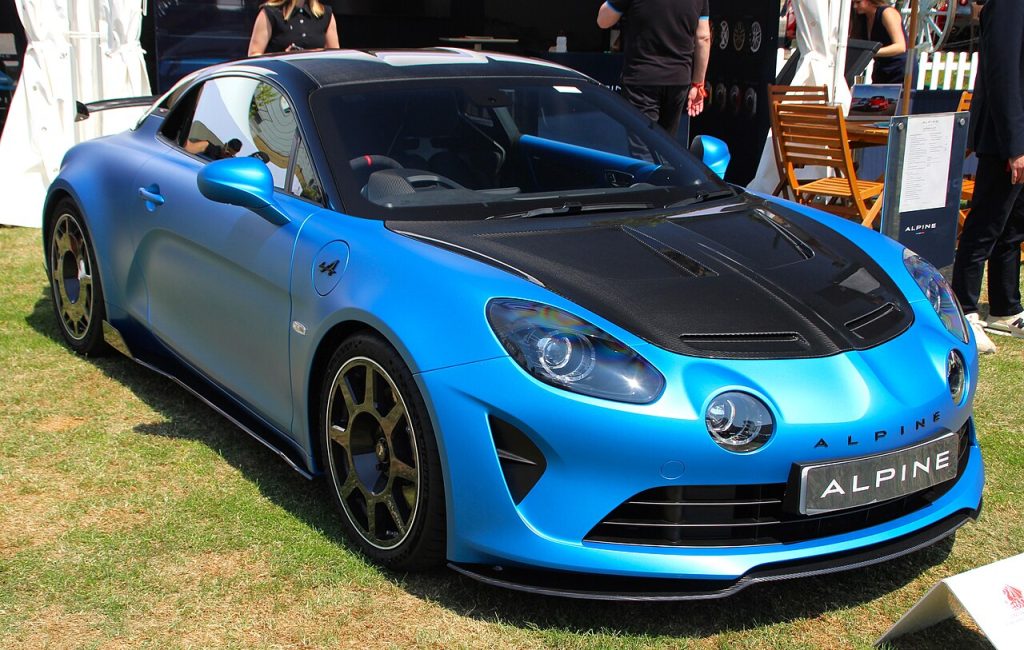
The bundled licensed photograph shows a standard A110 R at London Concours in 2023. It illustrates the base model and is explicitly labelled as a reference image, not authenticated as one of the 32 Alonso editions. Its visible credit links the photographer, source and licence. An edition-specific photograph with documented reuse rights remains an editorial image hold before publication. For an individual vehicle feature, add views of its plaque, trim and identification backed by the delivery file. The reference image must retain its qualification wherever reused.
Frequently asked questions
Why is the announced series limited to 32?
Alpine linked the number to Alonso’s Formula One victories at the announcement and gave the plaques circuit-and-year themes.
Were 32 completed cars independently confirmed here?
The official edition limit is confirmed. The reviewed sources do not separately reconcile the final completed-build total.
Does the supplied photo show an authenticated Alonso edition?
No. It is clearly captioned as a standard A110 R reference image. An edition-specific licensed image remains a publication review item.
Does the driver edition mean Alonso owned every car?
No. Factory collaboration and signature details do not establish personal ownership of a particular customer example.
Explore related Alpine profiles
Sources
- Renault Belgium: Fernando Alonso edition announcement, October 2022
- Renault Netherlands: edition identity, plaque and chassis details
- Alpine: A110 R and Fernando Alonso ordering announcement, December 2022
- Alpine: 2022 sales results and sold-out editions
Historical statements follow the linked manufacturer and competition-programme records. Inspection and collecting guidance is editorial analysis. Individual catalogue claims remain attributed to the relevant car and source.
Photography and credit
Representative standard Alpine A110 R, the basis of the Fernando Alonso edition; this photograph is not verified as one of the 32 Fernando Alonso cars. Photo: MrWalkr / Wikimedia Commons · CC BY-SA 4.0. Wikimedia thumbnail resized from the original; no cropping or colour changes.
Why this machine matters
The Alpine A110 R Fernando Alonso is the numbered road-car edition announced in 2022 with a limit of 32. It combines the A110 R platform with Alonso-specific presentation, commemorative plaques and a dedicated track suspension setting.
Built in limited numbers
The manufacturer announces 32 numbered cars, while later sales material reports that the edition found buyers quickly. Those records establish a defined offering and commercial demand; they do not independently reconcile the final completed-build census. This profile records the official edition limit separately from completed production. The cap is well below the site’s 7,500-car ceiling, but the description should retain its announced scope. A future completed-build statement could strengthen the record without changing what the original release actually established.
Gallery
Specifications
Factory specifications may vary by model year, market and configuration.
Identity & production
- Official model
- Alpine A110 R Fernando Alonso
- Base model
- A110 II
- Country of manufacture
- France
Powertrain & performance
- Engine
- 1.8-litre turbocharged four-cylinder — original A110 R basis