Supercharged rarities: five different ways to put boost to work
A supercharger is an engineering choice before it is a badge. It compresses the air supplied to an engine, but the resulting car also depends on where that engine sits, how the compressed charge is cooled and how the chassis uses the output.
Those decisions connect a small Toyota hatchback with two very different American sports cars and a pair of Lotus programmes. Their common feature becomes more interesting as their sizes, layouts and purposes diverge.
Follow the air through each project rather than starting with a horsepower ranking. The inlet, compressor, cooling system and engine are one chain. The gearbox, driven wheels and surrounding body are another. A successful installation has to bring those chains together inside the space and weight available to the car.
01 / A V8 behind the cabin — first-generation Ford GT
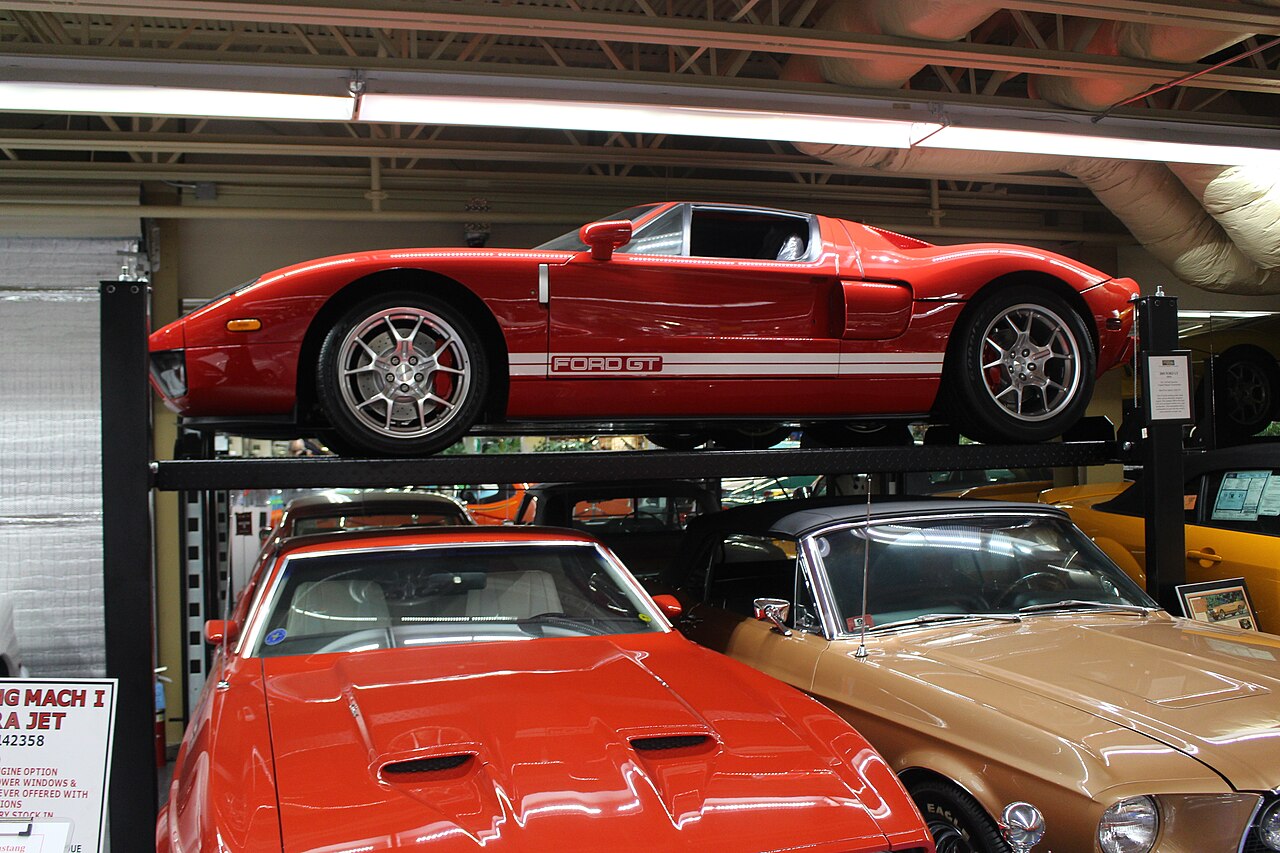
The 2005–2006 Ford GT used a supercharged 5.4-litre V8 installed behind the occupants and paired with a six-speed manual transaxle. Ford’s period product material rated the engine at 550 horsepower. This chapter concerns that original modern GT, with its V8 installation, rather than the later EcoBoost-powered generation. [1]
The layout gives the supercharger a particular context. The engine, induction hardware and driveline occupy the rear portion of the car, while the cabin and forward structure have their own packaging demands. Looking through the rear glass makes that relationship unusually legible.
Its connection to the GT40 is equally worth keeping precise. The modern car uses a historical design vocabulary, but its powertrain is part of a new road-car programme. That combination of a recognisable form and a contemporary supercharged installation is the starting point for understanding the first-generation GT on its own terms.
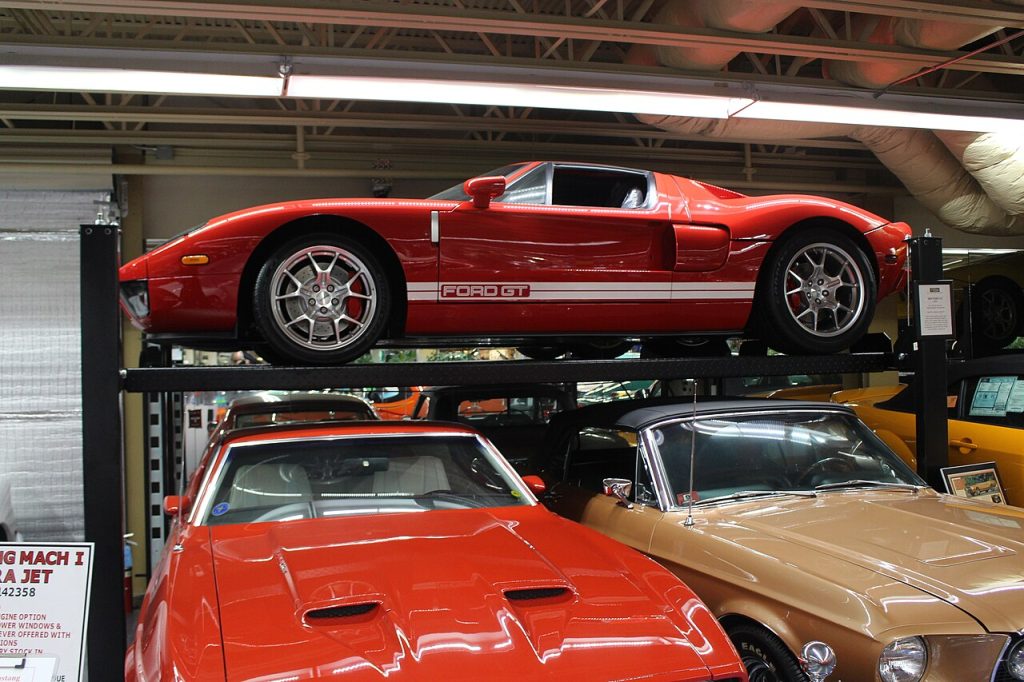
2005 Ford GT — First Generation
The first-generation Ford GT translated the visual identity of the GT40 into a substantially later road-going supercar.
Explore the full profile02 / Boost at the front — 2009 Chevrolet Corvette ZR1
Chevrolet introduced the 2009 ZR1 with the supercharged 6.2-litre LS9 V8. Its certified launch rating was 638 horsepower, and the manufacturer’s technical material describes the supercharger and charge-cooling system as central parts of the installation. The linked profile is the 2009 model-year entry in the C6 ZR1 story. [2] [6]
The Corvette gives this engine a different home from the Ford’s mid-mounted V8. With the engine ahead of the occupants, the body’s intake and heat-rejection paths have to serve a front-engine sports-car layout. The location of a compressor cannot be separated from the space around it.
It is also a reminder to retain model-year scope. The output and specification introduced for a particular year can help explain a wider generation, but a figure for that year’s cars is not automatically a lifetime total. The engineering story is clear enough without collapsing those separate records into a single claim.
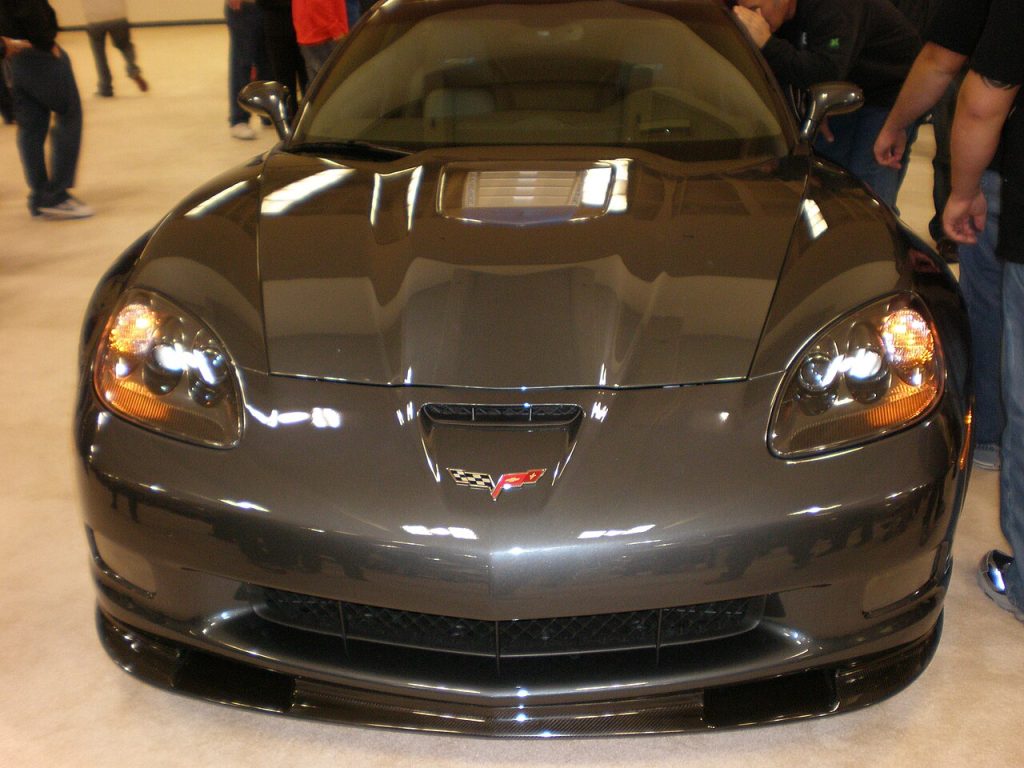
2009 Chevrolet Corvette ZR1
The 2009 Chevrolet Corvette ZR1 gives the C6 a highly specific flagship identity. Its supercharged LS9, distinctive bonnet window and widened performance presence make the first model year a strong collector reference.
Explore the full profile03 / Cooling the charge — Lotus Evora GT430
Lotus’s GT430 launch material describes a supercharged, charge-cooled 3.5-litre V6 producing 430 hp. The release announced 60 cars for selected markets and specified a dry weight of 1,258 kg. These are the manufacturer’s launch descriptions, with the weight basis retained rather than treated as a directly comparable kerb-weight figure. [3]
Charge cooling belongs in the name of the engineering discussion. Compressing air adds heat; managing the intake charge is therefore part of managing the engine’s operating conditions. The cooling arrangement sits alongside the compressor as part of the complete powertrain.
The GT430 also connects that powertrain with a body developed for increased aerodynamic load. The resulting package makes more sense as a set of interacting systems than as an engine upgrade by itself. Power, mass and airflow all contribute to the brief, and each introduces demands on the others.
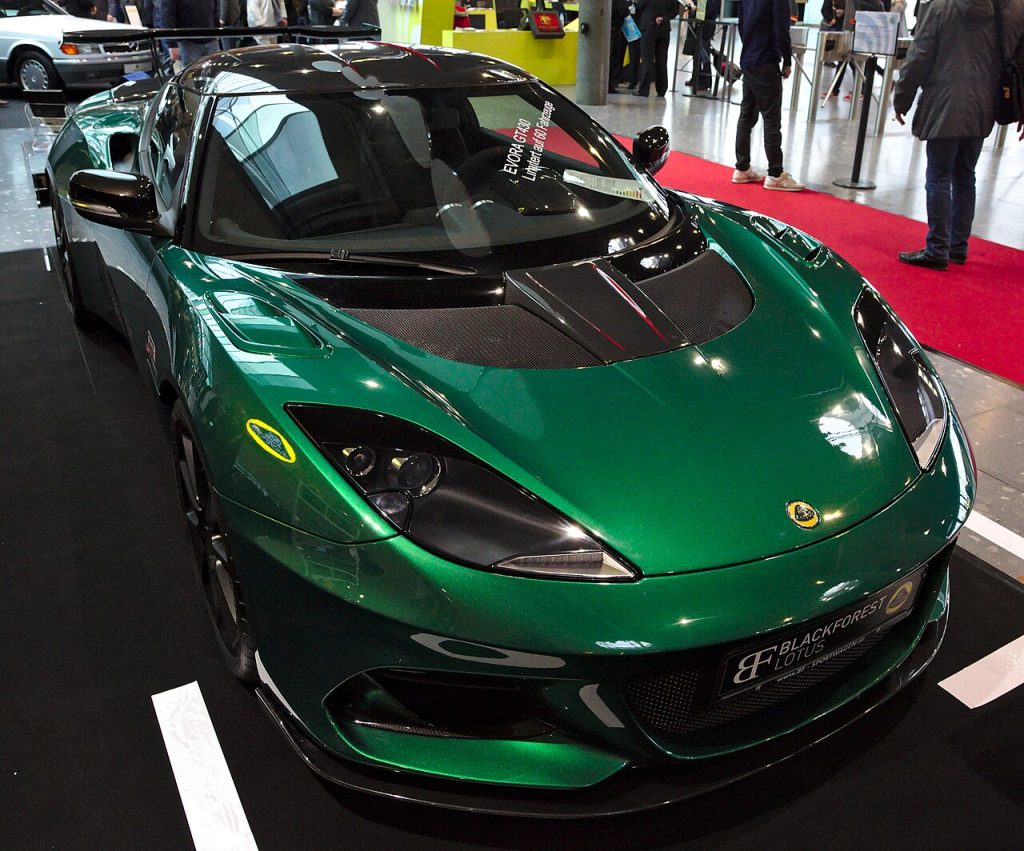
2017 Lotus Evora GT430
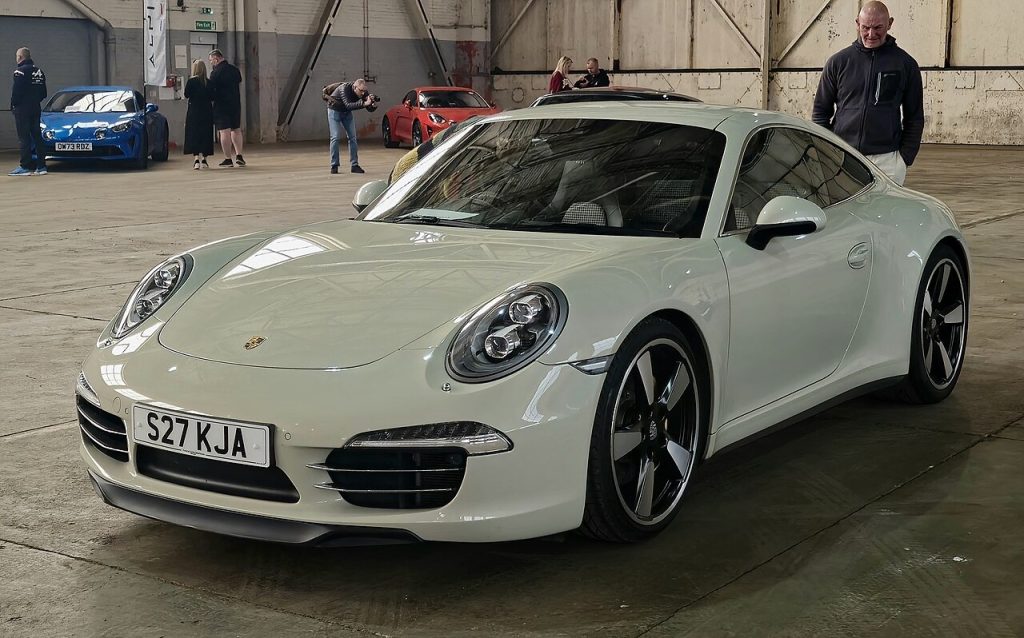
The Lotus Evora GT430 adds substantial aerodynamic and lightweight work to the V6 Evora. Its original sixty-car announcement needs to be read with its market scope.
Explore the full profile04 / Developing the breathing — Lotus Exige 360 Cup
The Exige 360 Cup announcement described a 50-car edition with numbered Lotus Motorsport build plates. It linked the power increase over the V6 Cup to freer-flowing induction and a sports exhaust system, alongside lightweight body panels and the Cup chassis specification. The period Lotus release is preserved by the Golden Gate Lotus Club. [4]
That detail shifts attention from the compressor alone to the route air takes through the engine. A supercharged car still has an intake and exhaust system to develop. Improvements to those systems can form part of a new specification without requiring an entirely different engine concept.
Beside the Evora, the Exige demonstrates how a related mechanical vocabulary can serve another package. The names identify separate programmes with their own bodywork, equipment and aims. Keeping those identities intact lets the reader study a family of ideas without turning two distinct cars into one generic supercharged Lotus.
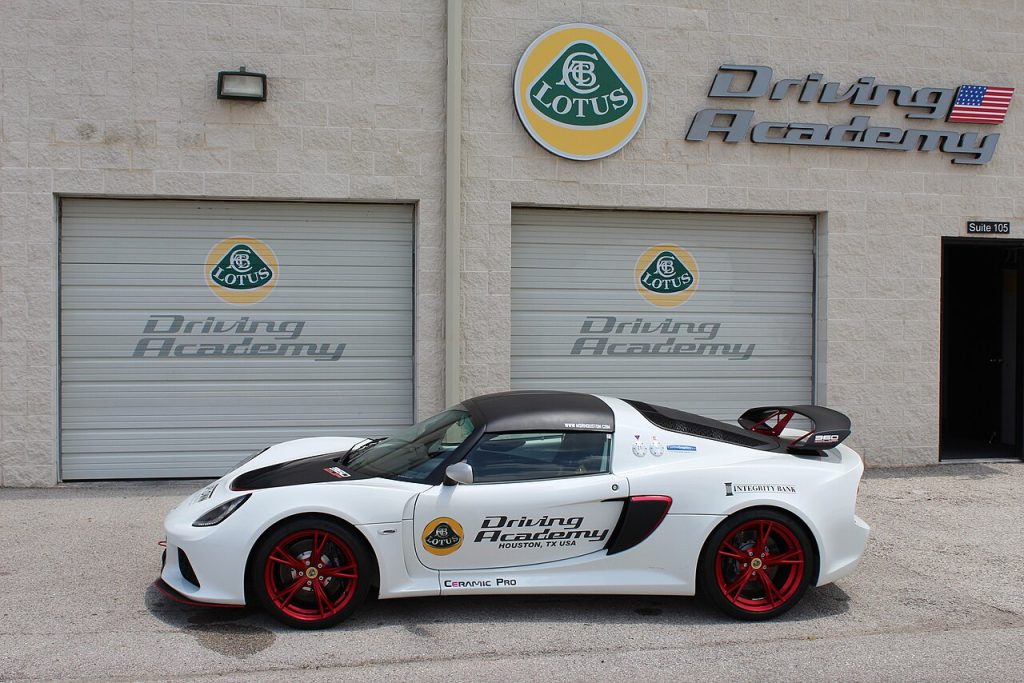
2015 Lotus Exige 360 Cup
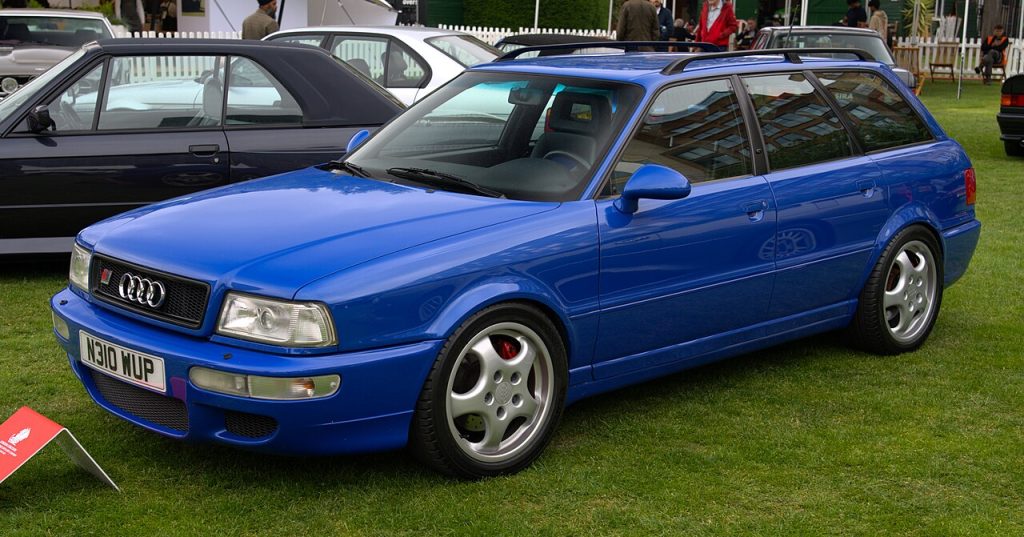
The Lotus Exige 360 Cup is a numbered V6 programme that combines a limited allocation with road-and-track engineering. It is separate from earlier four-cylinder Cup cars.
Explore the full profile05 / The compact installation — Toyota Vitz GRMN
Toyota announced the supercharged Vitz GRMN for a 150-car Japanese sales programme, with purchase applications opening in April 2018. Its release identifies a 1.8-litre inline-four, a three-door body, additional bracing, specially tuned dampers and a Torsen limited-slip differential. [5]
The small hatchback makes the packaging question immediate. The engine and driven front wheels share the forward part of a compact car, so the powertrain has to work with the steering, suspension and available cooling space. The rest of the vehicle needs to support the engine’s contribution.
The market designation matters here too. The Vitz GRMN programme described by Toyota is the Japanese 150-car series; it should remain distinct from European Yaris GRMN allocations and from the earlier turbocharged Vitz GRMN. The engine’s method of forced induction is part of identifying the right car.

2018 Toyota Vitz GRMN Supercharged
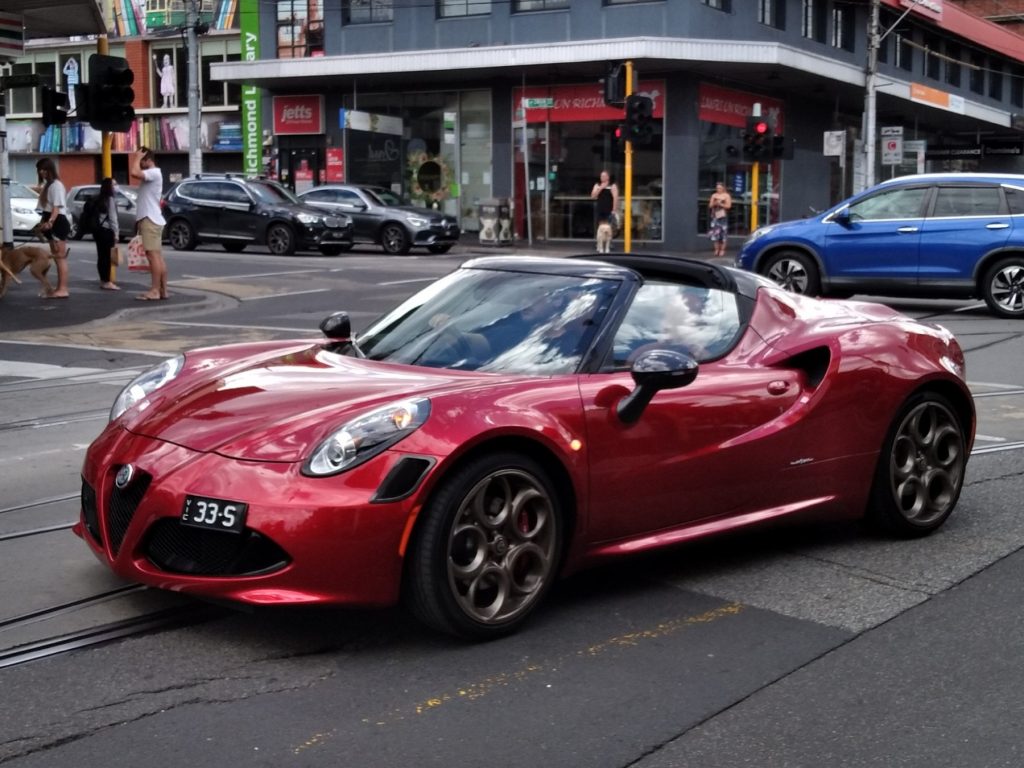
The supercharged Vitz GRMN brought a 1.8-litre engine, six-speed manual and dedicated chassis work to a 150-car Japanese programme. Toyota announced it in 2017, with purchase applications in spring 2018. That sales…
Explore the full profileRead the installation, then the number
The interesting question is what each manufacturer built around its supercharger. Begin with the engine’s position, follow the charge-cooling arrangement and identify the transmission and driven wheels. Then look at the body and chassis changes that support the installation.
This approach makes room for meaningful differences without pretending that five launch specifications are a controlled comparison. A dry-weight figure, an engine rating and a programme limit each describe something useful, but they do not measure the same thing.
Save the profiles that interest you and return to them as a small engineering collection: front-engined V8, mid-engined V8, compact inline-four and two interpretations of the supercharged V6. The shared principle becomes a way into the differences.
Sources & further reading
- Ford: 2005–2006 GT product material, archived — Period manufacturer product text, preserved in an external archive.
- Chevrolet: certified 2009 ZR1 power rating, archived — Manufacturer press release reproduced by Corvette Action Center.
- Lotus: Evora GT430 launch release, archived — Lotus launch text preserved by Golden Gate Lotus Club; planned series and dry-weight basis.
- Lotus: Exige 360 Cup launch release, archived — Lotus announcement reproduced by Golden Gate Lotus Club.
- Toyota: GR model announcements — Japanese manufacturer release covering the supercharged Vitz GRMN and 2018 applications.
- Chevrolet: 2009 Corvette ZR1 introduction, archived — Original manufacturer technical account of the supercharger and charge-cooling system, reproduced by Corvette Action Center.
Continue exploring
Explore another way to develop an engine’s delivery in Hybrid hypercars explained, or browse every edition of The Rarity Edit.