traumautoarchiv.de / Wikimedia Commons · CC BY-SA 2.0 · Photo details
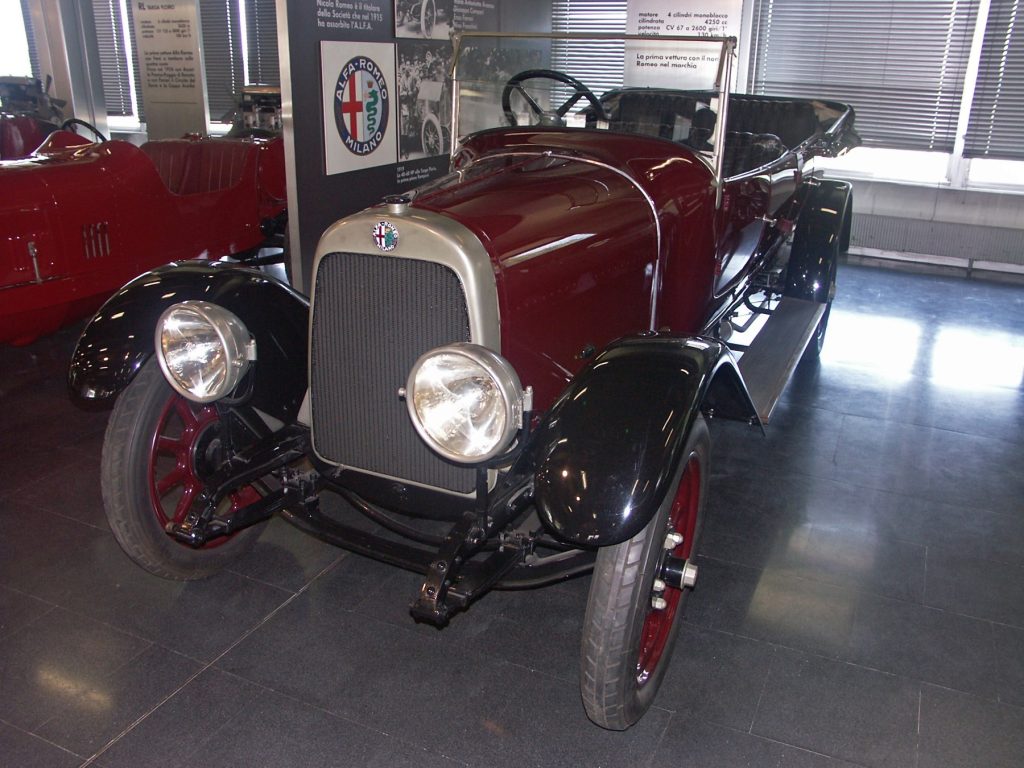
Alfa Romeo 1921
Alfa Romeo 20/30 HP ES Sport
The early sporting Alfa that connects the pre-war chassis lineage with the Alfa Romeo name.
Production context in profileRead profile

A MORE CONSIDERED COLLECTION
A road-going edition, a racing machine and an experimental prototype can tell very different stories. Follow the type that interests you, then use rarity and production context to narrow the collection.
THE COLLECTION
1,859 profiles
Alfa Romeo 1921
The early sporting Alfa that connects the pre-war chassis lineage with the Alfa Romeo name.
Alfa Romeo 1976
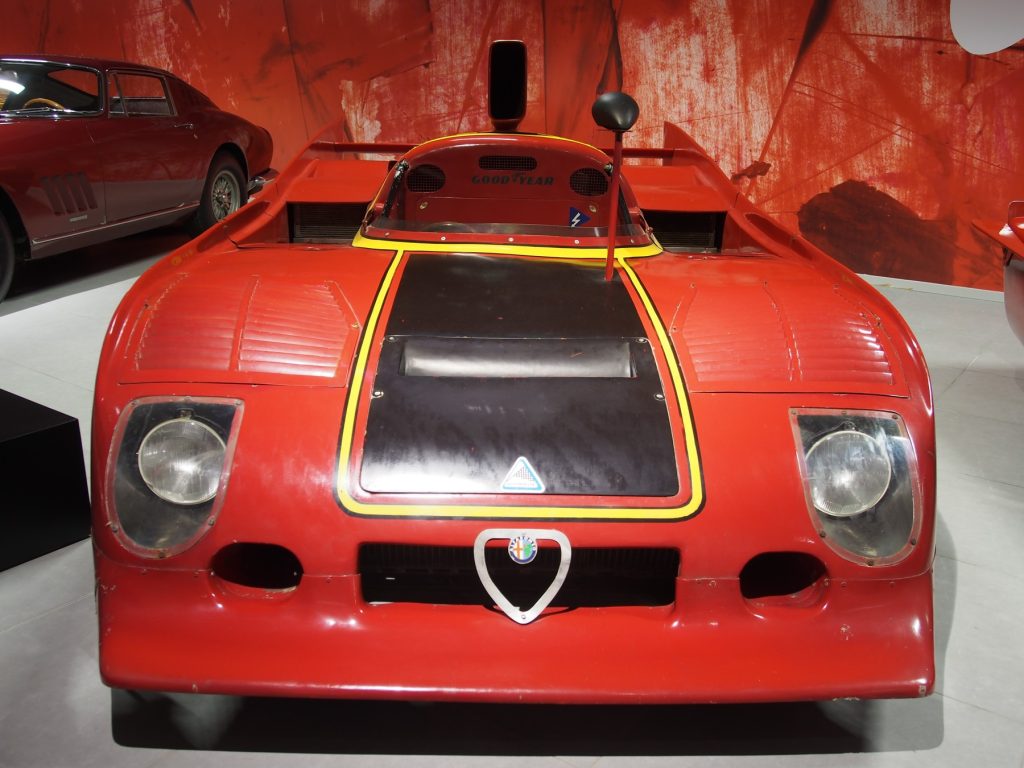
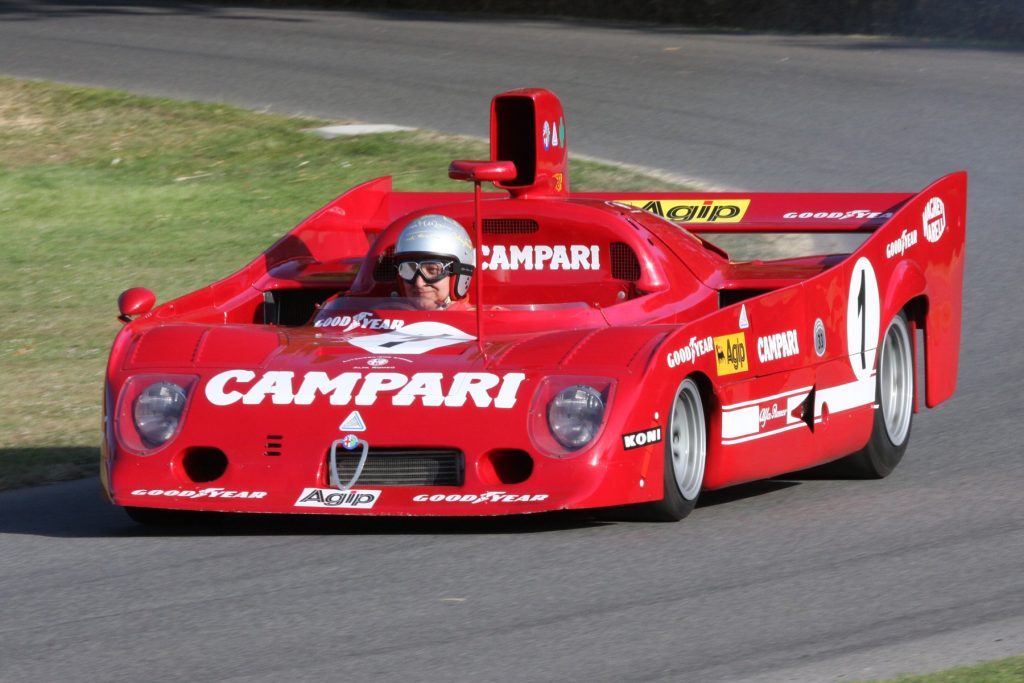
The naturally aspirated three-litre 33 SC 12, with the separate turbo derivative kept distinct.
Alfa Romeo 2024
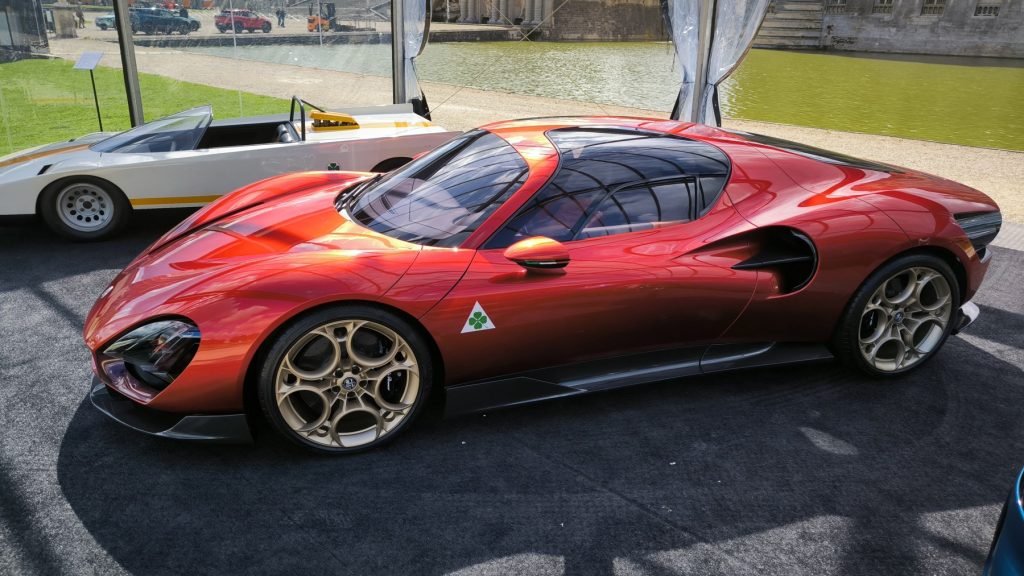
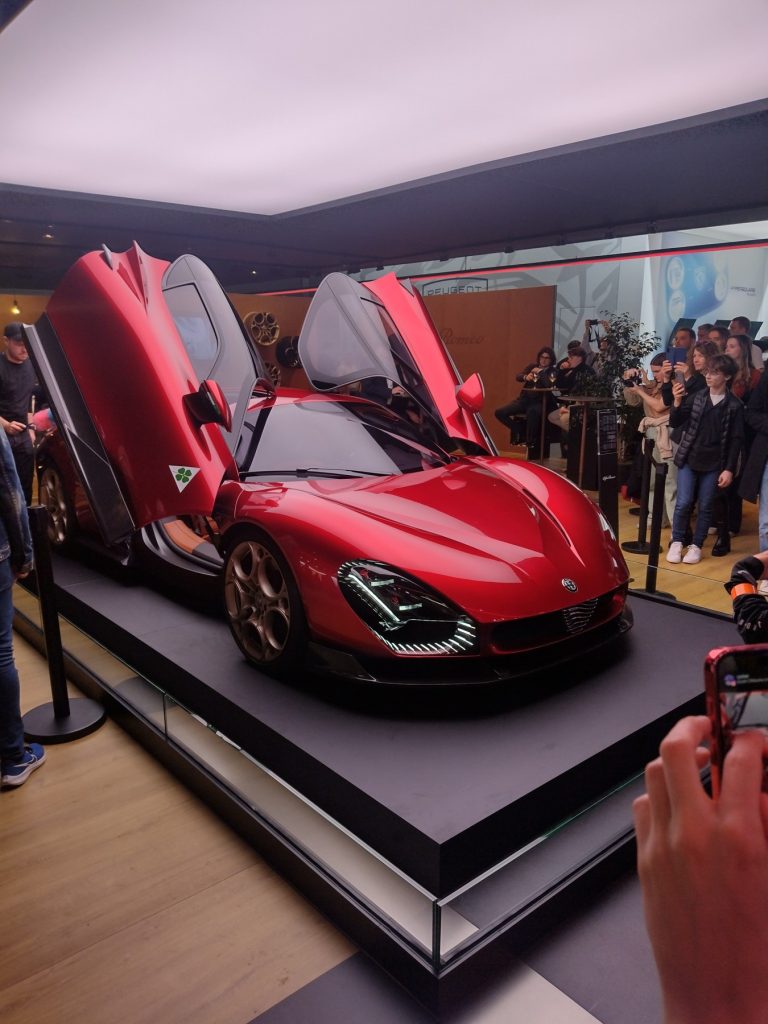
The modern 33 Stradale combustion configuration sits within the complete 33-car programme; its separate total remains unconfirmed.
Alfa Romeo 2024
A factory-documented Japanese customer configuration, identified as 28/33, belongs within the modern 33 Stradale programme.
Alfa Romeo 2024
The modern 33 Stradale is a 33-car coachbuilt programme revealed in 2023, with first customer delivery in December 2024.
Alfa Romeo 1973
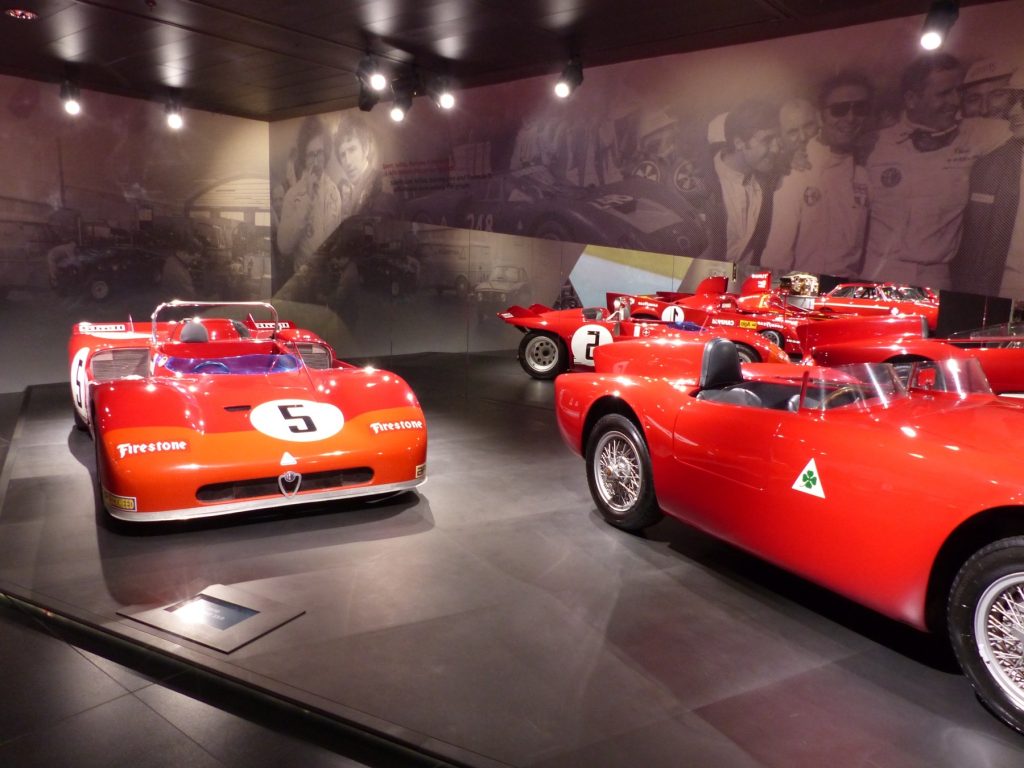
The tubular-chassis, twelve-cylinder Tipo 33 programme introduced in 1973.
Alfa Romeo 1969
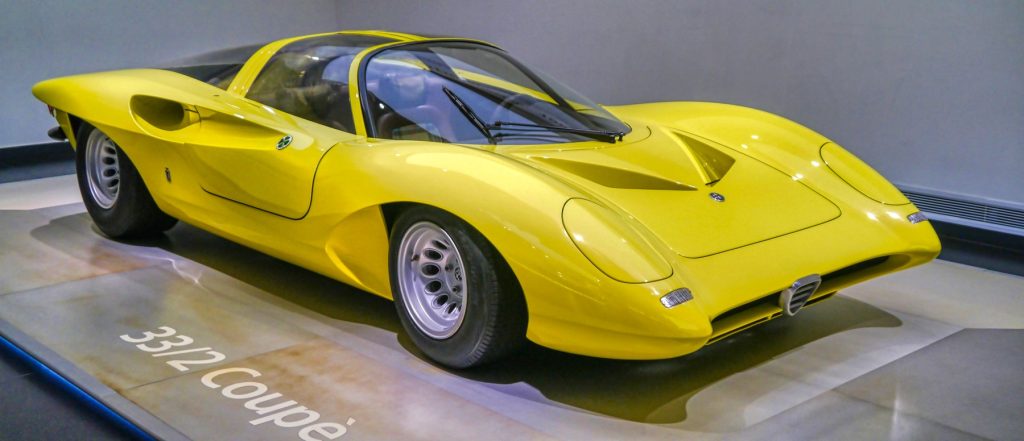
The unique 1969 Pininfarina 33.2 Coupe Speciale: Tipo 33 engineering expressed as a closed design study.
Alfa Romeo 1968
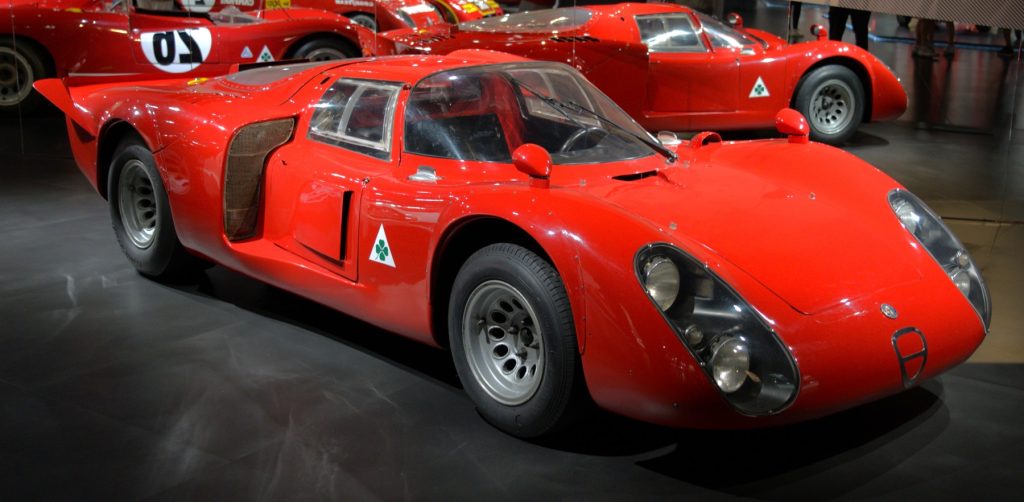
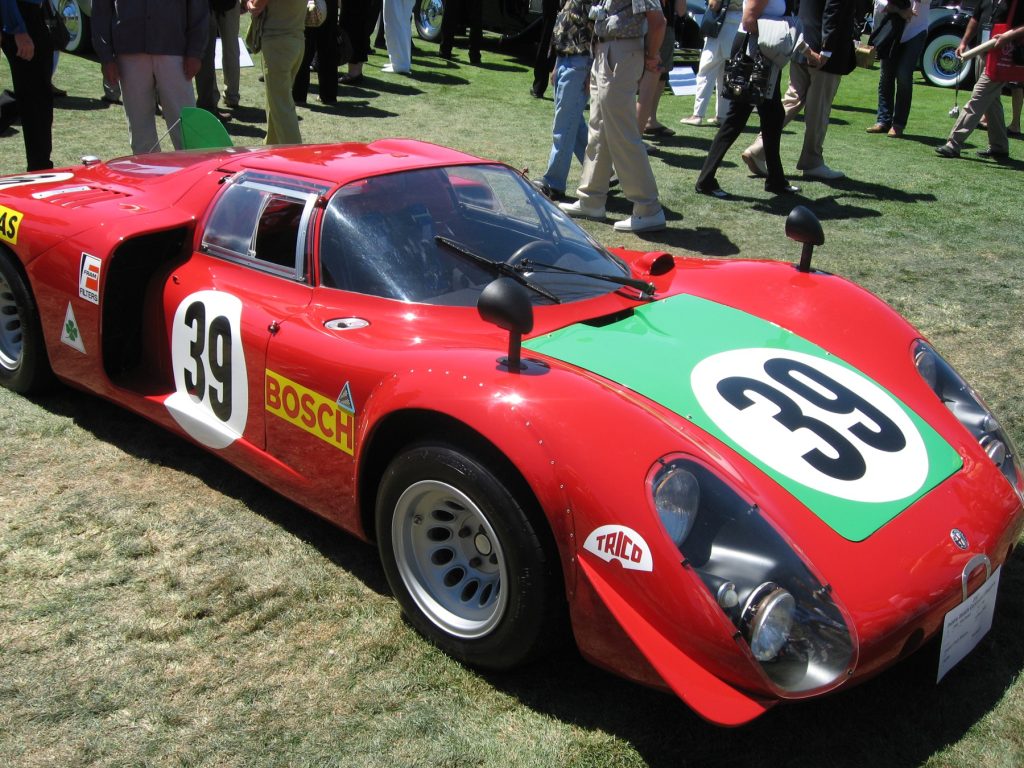
The two-litre 33/2 Daytona: Alfa Romeo’s 1968 endurance prototype in a clearly identified racing configuration.
Alfa Romeo 1968
The two-litre Le Mans long-tail configuration, recorded separately from the wider 33/2 programme.
Alfa Romeo 1969
The three-litre V8 33/3 programme, with the 1971 season kept separate from its earlier introduction.
Alfa Romeo 1987
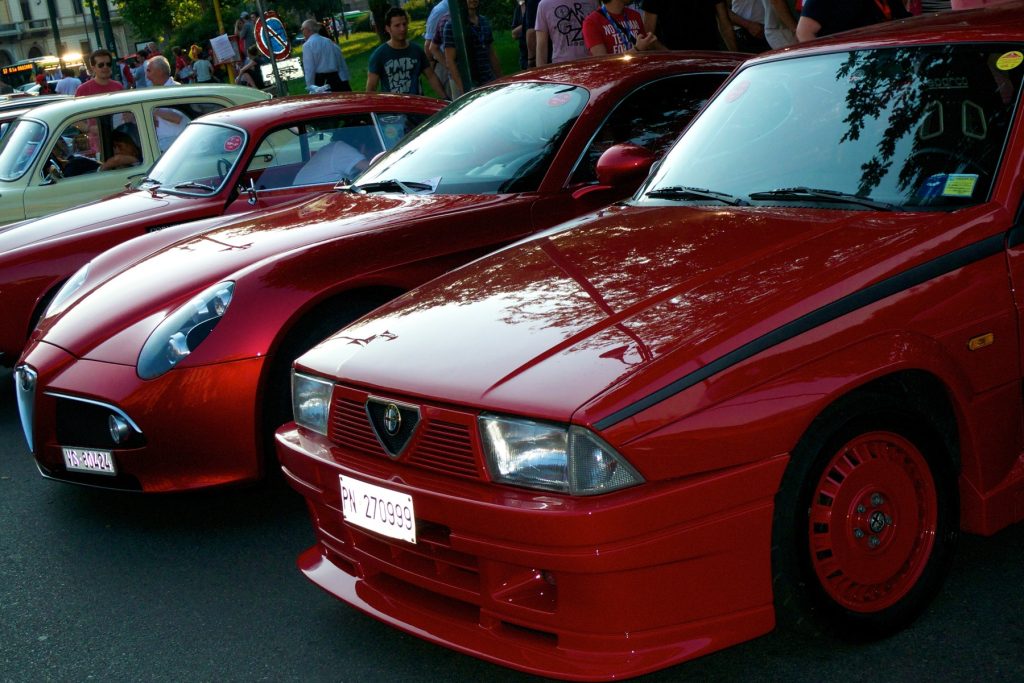
The 1987 road homologation special: 500 red 75 Turbo Evoluzione cars, distinct from works racers.
Alfa Romeo 1993
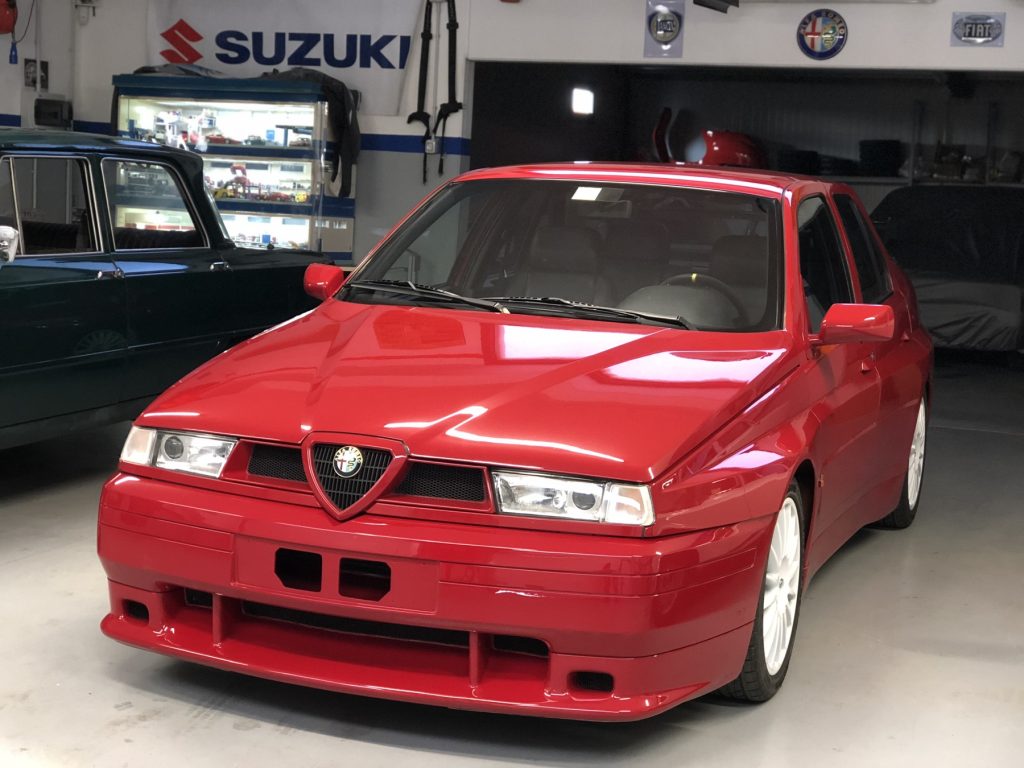
The sole Abarth-built 155 GTA Stradale prototype, catalogued as 1993 with its own chassis identity.
THE RARITY RIDES STANDARD
A limited offer is not automatically a completed-production total. A surviving vehicle is not a complete factory census. We keep those distinctions visible and link each collection back to the individual profile’s evidence.
Our editorial approach