Manual gearboxes in rare cars: five decisions behind the shift
A manual gearbox makes a simple promise: the driver chooses the next ratio and operates the clutch. The details beneath that familiar action can vary considerably. A lightweight flywheel changes one part of the interaction; the spacing and number of ratios change another.
These five programmes put the gear lever into different settings, from a compact BMW coupé to an open Ferrari with a front-mounted V12. They are connected by an approach to driver involvement, rather than by one shared mechanical specification or an assumption that every manual car feels alike.
There is also an important counting distinction. A limited model offered with two transmissions has one programme total unless a reliable source separately identifies the manual allocation. The presence of a manual option does not make every car in that series a manual. Keep that boundary in mind as the following profiles move from availability to hardware and, finally, the engine surrounding the gearbox.
01 / A choice within the programme — BMW M2 CS
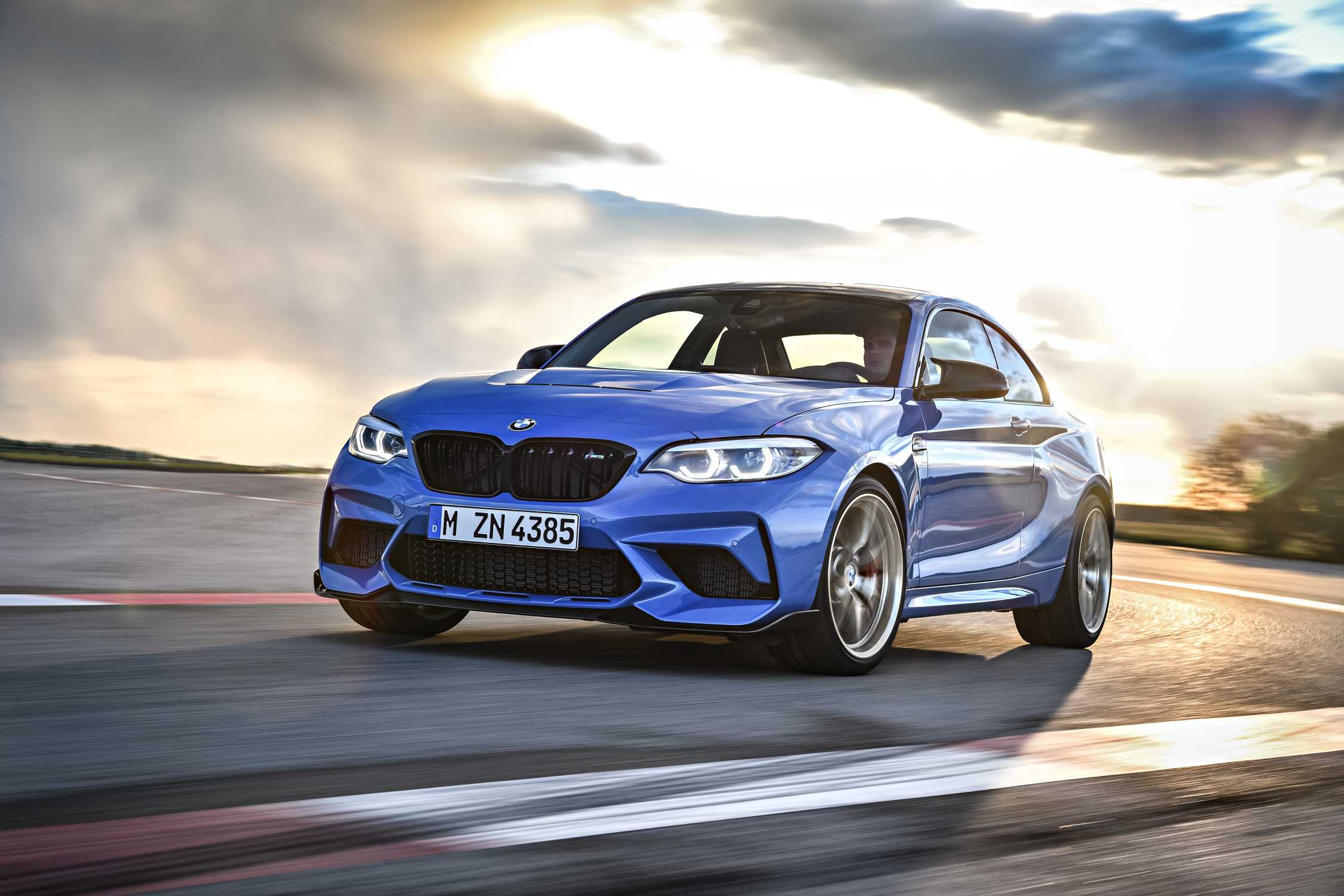
BMW offered the F87 M2 CS with a six-speed manual transmission and an optional seven-speed M dual-clutch transmission. Both belonged to the same CS model programme. A photograph of a manual lever therefore identifies one configuration; it does not establish the transmission split for the whole series. [1]
That distinction makes the M2 CS a useful starting point. The manual is a decision available to the customer within a car already defined by its engine, chassis and body specification. Two examples carrying the same model badge can ask the driver to perform different actions between ratios.
When studying or saving one, record the transmission alongside the edition identity. The CS title answers which model is being discussed, while the gearbox answers how that particular configuration is operated. Keeping both pieces of information prevents a broad production figure from being mistaken for a separately verified manual-only total.
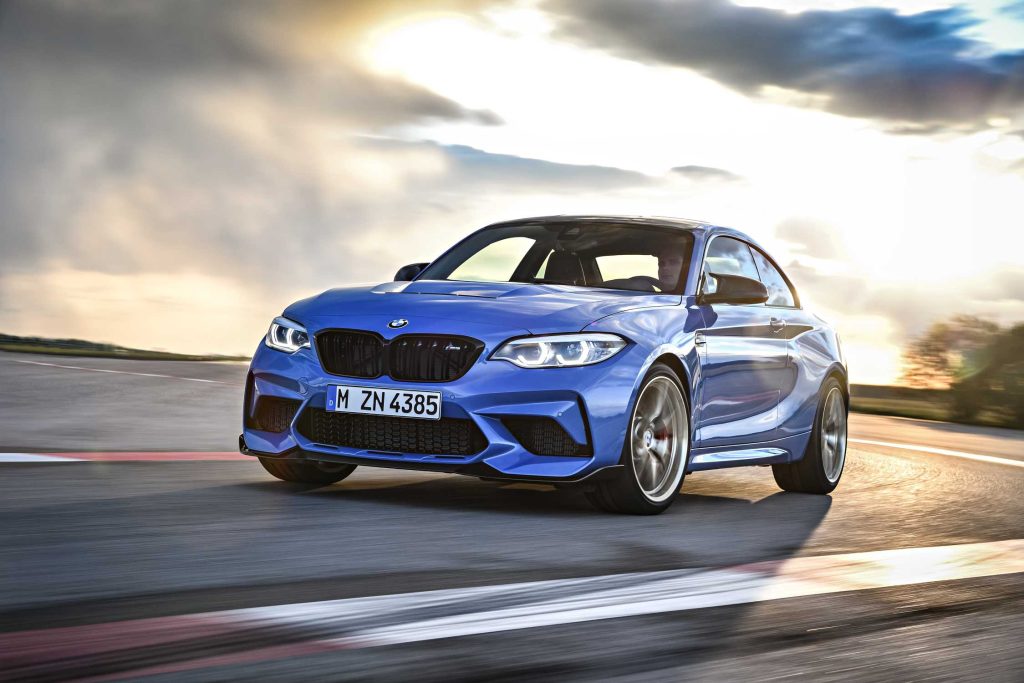
BMW M2 CS — F87
The F87 BMW M2 CS concentrated the compact M coupé’s performance brief with more power, carbon-fibre body components and a dedicated chassis specification. Announced in November 2019 for the 2020 era, it…
Explore the full profile02 / The shift begins before the lever — Porsche 911 S/T
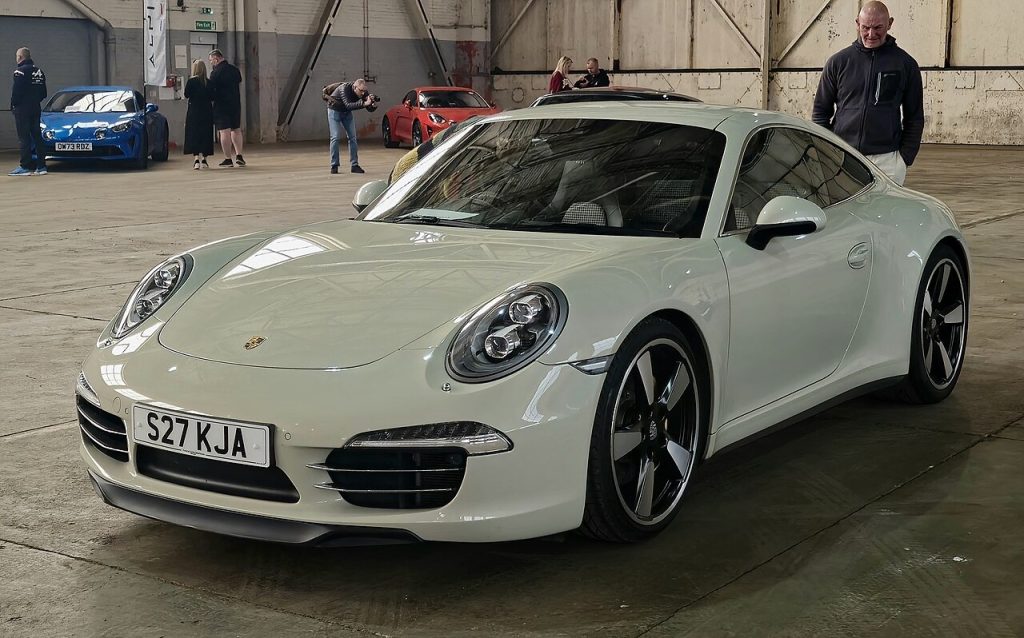
Porsche’s 992-generation 911 S/T paired a six-speed manual gearbox with a lightweight clutch and single-mass flywheel. Its 1,963-car anniversary programme also used shorter final-drive gearing. The manufacturer placed those components within a deliberate road-driving brief for the model. [2]
A clutch and flywheel sit between the engine and gearbox, so their specification belongs to the experience even though the driver normally sees neither. A flywheel stores rotational energy; changing that assembly is a different intervention from changing the shape or travel of the visible lever.
The S/T is therefore a good reminder to read beyond the transmission’s name. Six forward ratios alone do not fully describe the system. The connection to the engine and the gearing after the gearbox contribute to the complete arrangement. Its manual identity is supported by a specific combination of components, with the programme number marking the whole S/T series.
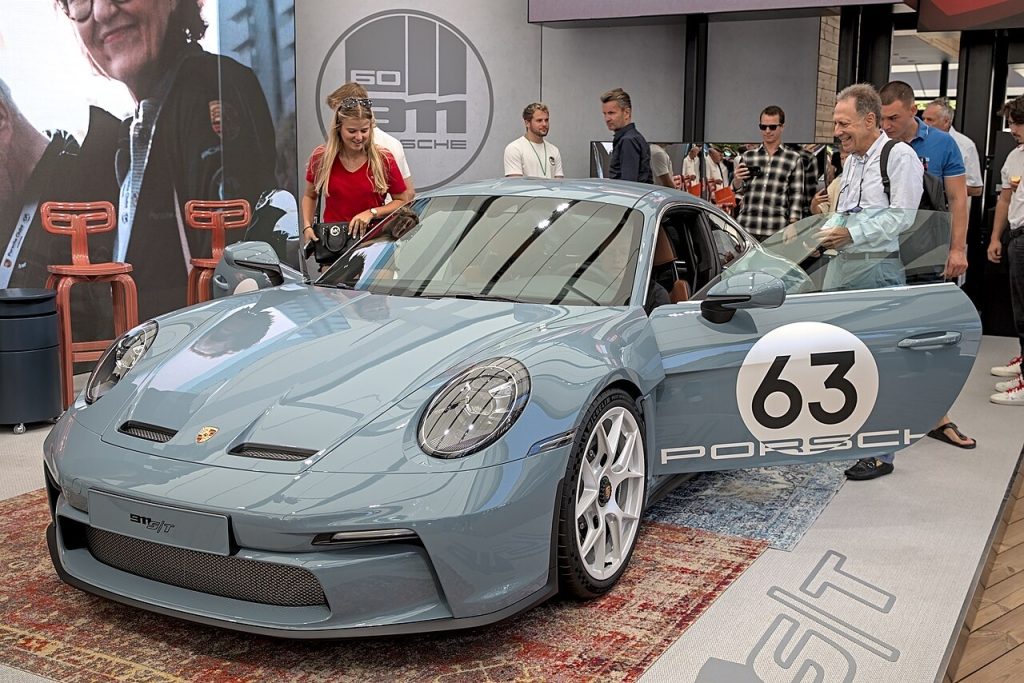
2023 Porsche 911 S/T — 992 Anniversary Programme
The modern Porsche 911 S/T marked the 911’s sixtieth anniversary in 2023 with a 525 PS naturally aspirated engine, short-ratio six-speed manual transmission and a lightweight road-focused brief. Porsche announced 1,963 cars.…
Explore the full profile03 / Refine an existing relationship — Toyota 86 GRMN
Toyota announced the 86 GRMN in January 2016 as a 100-car Japanese programme. The production specification retained a naturally aspirated, horizontally opposed four-cylinder engine and six-speed manual transmission, while development extended across body, chassis and other components. [3]
The important point is how an established sports-car arrangement can become the foundation for a tightly defined development programme. The gearbox does not need an unfamiliar operating principle to play a central role. It remains part of a front-engine, rear-wheel-drive package whose other elements are being reconsidered together.
GRMN identifies this particular Toyota programme, rather than every modified 86 or every later car using the GR name. Follow the precise edition profile to keep the Japanese allocation and specification in view. The appeal is the coherence of the package: the manual transmission belongs to a wider set of decisions about how the driver connects with the vehicle.
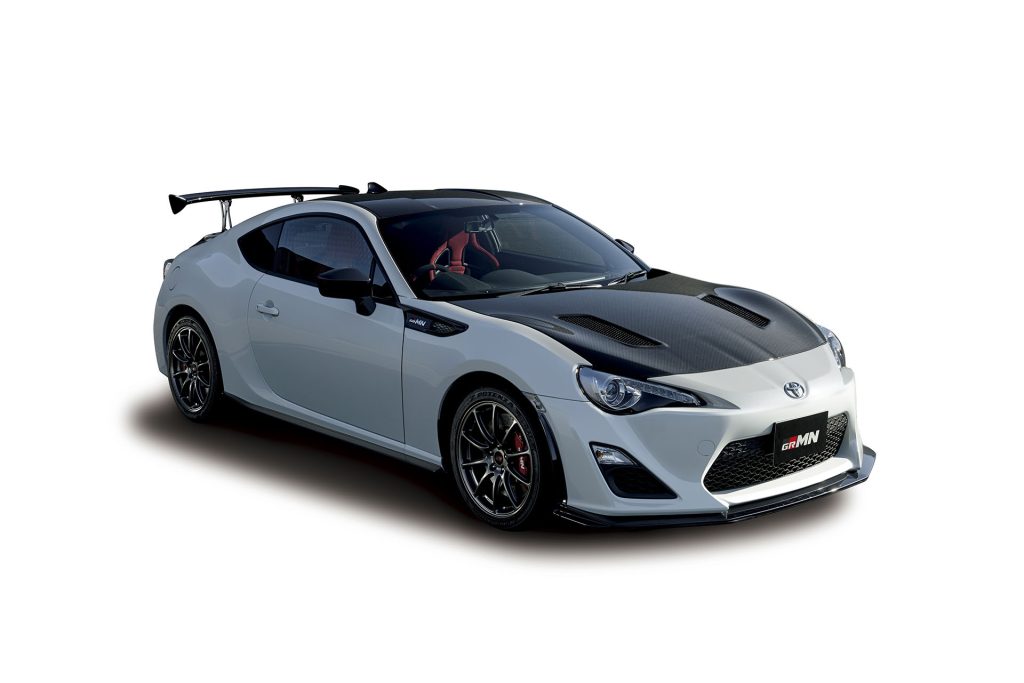
2016 Toyota 86 GRMN
The 86 GRMN was a 100-car Japanese complete-vehicle programme offered in early 2016. Its two-seat configuration, specialised body construction and naturally aspirated boxer engine made it distinct from both a standard 86…
Explore the full profile04 / A visible mechanism — Ferrari 550 Barchetta Pininfarina
Ferrari’s 550 Barchetta Pininfarina combined a front-mounted, naturally aspirated V12 with a six-speed manual transmission. The 448-car series presents that transmission through the familiar exposed gear gate, making the act of choosing a ratio a conspicuous part of the cabin. [4]
The gate is a visual and physical guide, but it should not stand in for an entire assessment of the car. Engine position, seating arrangement and the relationship between the controls also form the setting in which it is used. The Ferrari offers a different context from a compact four-cylinder coupé even though both give the driver a clutch pedal and lever.
Its inclusion expands the subject beyond one size or price category. A manual gearbox can belong to a grand touring powertrain as readily as to a lightweight sports-car programme. Study the mechanism in relation to the V12 it serves, rather than treating the polished gate as an isolated decorative object.
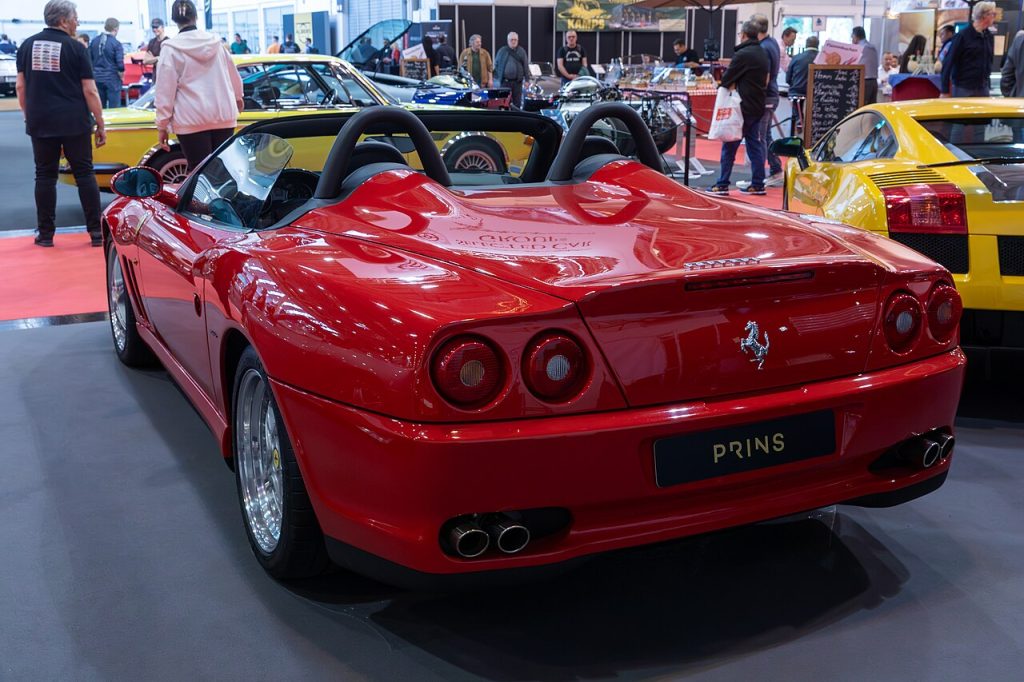
2000 Ferrari 550 Barchetta Pininfarina
The Ferrari 550 Barchetta Pininfarina was presented at the 2000 Paris show to mark the coachbuilder’s seventieth anniversary.
Explore the full profile05 / Five ratios, a specific period — BMW M3 GT
The E36 M3 GT used a five-speed manual gearbox with its 3.0-litre straight-six engine. BMW’s historical account identifies the 1995 programme and its British Racing Green finish. This is a different model and transmission context from the later six-speed M2 CS at the start of the story. [5]
More ratios are not a complete description of progress or enjoyment. Their number tells you how many forward choices are available; their spacing, the final drive and the engine’s operating characteristics explain how those choices fit together. A five-speed should be understood in its own powertrain and period.
The GT also rewards precise naming. Other E36 M3 derivatives and market-specific editions can carry related terminology without sharing this exact programme. Keeping GT, E36 and 1995 together preserves the identity. It is the whole mechanical and historical setting, rather than the manual label alone, that gives the car its particular place in a collection.
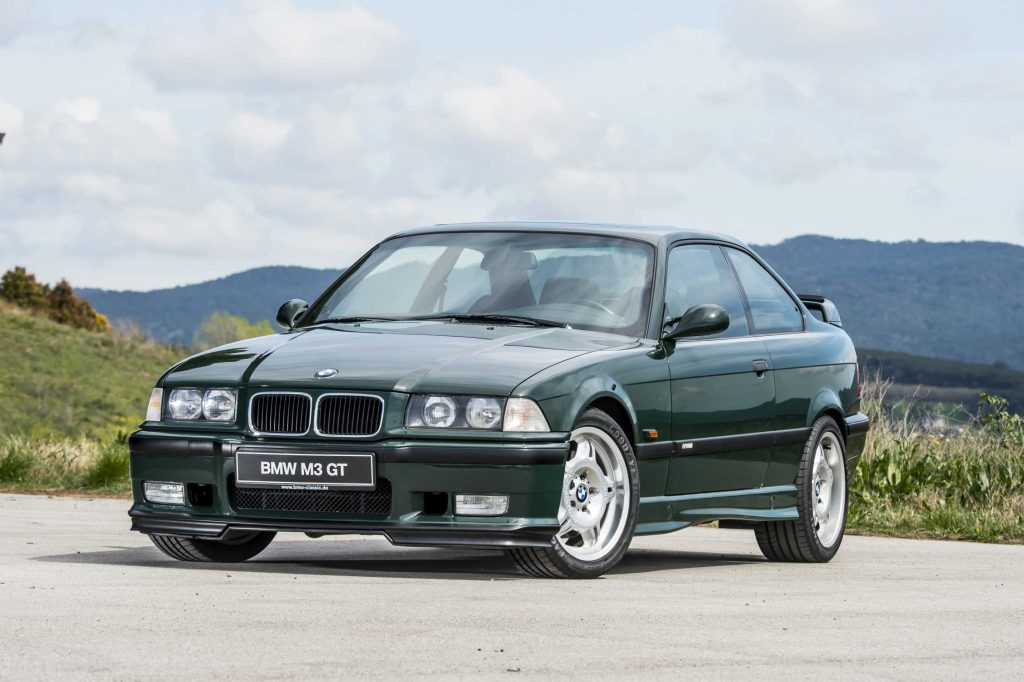
BMW M3 GT E36 (1995)
The 1995 BMW M3 GT is a limited E36 coupé combining a developed three-litre six-cylinder with distinctive green body and cabin finishes. BMW’s current model account gives a total of 356, including…
Explore the full profileCollect the whole interaction
A manual transmission is a relationship between driver, clutch, engine and gearing. The lever is the part you can see, but each of these five cars offers a reason to investigate further: an available transmission choice, a revised clutch assembly, a coordinated development programme, a visible gate or a period-specific five-speed arrangement.
When saving a vehicle, make the edition and the transmission equally clear. Where a programme included more than one gearbox, keep its total separate from any unverified split. Where a manufacturer describes specific hardware, let that description carry the explanation.
The result is a collection built around understandable differences. There is no need to declare one mechanism the universal winner. The more interesting discovery is how familiar driver-operated controls can belong to five distinct kinds of rare car.
Sources & further reading
- BMW: 2020 M2 CS — Manual and optional dual-clutch transmission specifications.
- Porsche: 911 S/T powertrain — Clutch, single-mass flywheel and gearing information.
- Toyota: 86 GRMN announcement — Original Japanese launch; 100-car scope and mechanical specification.
- Ferrari: 550 Barchetta Pininfarina — Manufacturer model history and specification.
- BMW M: E36 M3 GT — Historical account of the 1995 GT and its powertrain.
Continue exploring
For a different approach to powertrain design, read Hybrid performance architectures, or explore all editions.