Five limited-production cars, five very different ideas
A production number tells you how many. The more interesting question is why. For our first Rarity Edit, five cars reveal five different ambitions: involvement, lightness, technical exploration, identity and craftsmanship.
Put these cars side by side and a league table of rarity quickly loses its usefulness. The Aston Martin One-77 was conceived at a very different scale from the BMW M3 CSL. The Lexus LFA was an opportunity to develop manufacturing knowledge; the Alfa Romeo 8C Competizione gave a familiar badge a fresh expression. Porsche’s 911 R approached an established sports car from a deliberately particular direction.
This edition follows those ideas through the archive. The selection is editorial: it is an invitation to look more closely, rather than a ranking of desirability. The linked profiles provide the longer vehicle histories; the manufacturer references at the end explain the figures used here.
01 / Involvement — Porsche 911 R
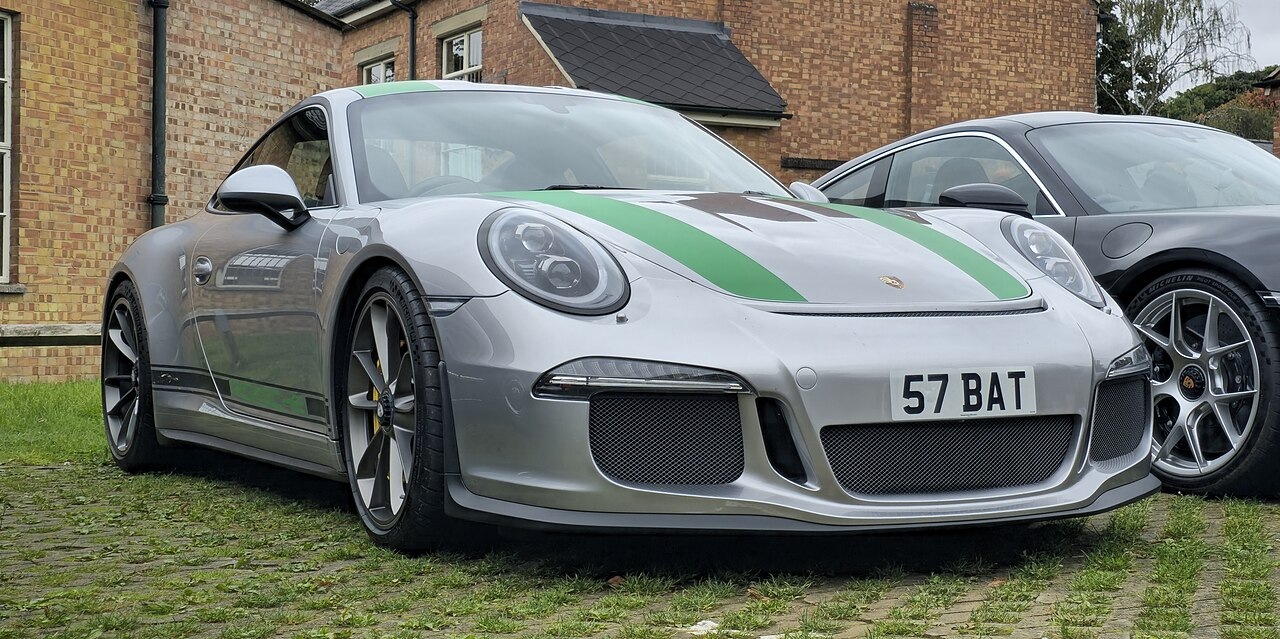
The 2016 911 R paired a naturally aspirated 4.0-litre flat-six with a six-speed manual transmission. Porsche announced a series of 991 cars and subsequently described that number as built. The familiar shape contained a very specific proposition: a contemporary 911 with a manual gearbox and an emphasis on lightweight construction. [1] [2]
Its place in this selection is about the relationship between a driver and a machine. A transmission is a technical component, but choosing one also expresses a view about what the car should ask of its driver. The R makes that question visible without requiring an unfamiliar silhouette.
When you explore its profile, look beyond the stripes and the number. Follow the mechanical decisions and consider what distinguishes this particular programme from other cars wearing the 911 badge.
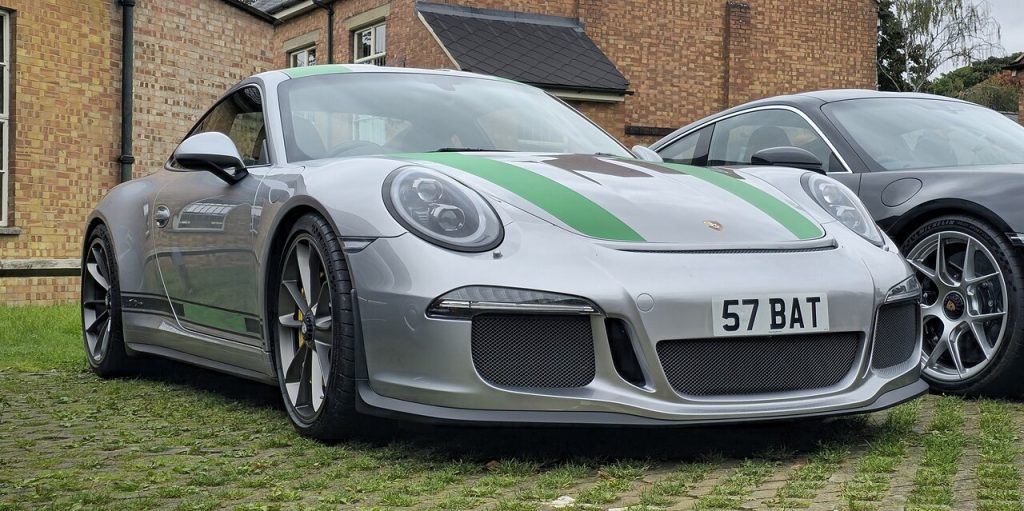
2016 Porsche 911 R — 991
The modern Porsche 911 R appeared at Geneva in 2016 with a 4.0-litre naturally aspirated engine, six-speed manual gearbox and an announced limit of 991 cars. It translated GT engineering into a…
Explore the full profile02 / Lightness — BMW M3 CSL
BMW records 1,383 examples of the E46 M3 CSL. Its retrospective identifies a carbon-fibre-reinforced plastic roof as a production first for BMW M, alongside the wider lightweight-construction approach that defined the edition. [3]
Here the starting point was an existing model family. That makes the CSL useful to study: the story lies in what was changed, what was removed and where a different material could make a difference. A special edition can express a rigorous engineering brief through many individual decisions.
The CSL and the 911 R make an interesting pair without needing a winner. Both invite close reading of an established form. Their production figures describe their respective programmes; they do not measure how effectively either car achieved its purpose.
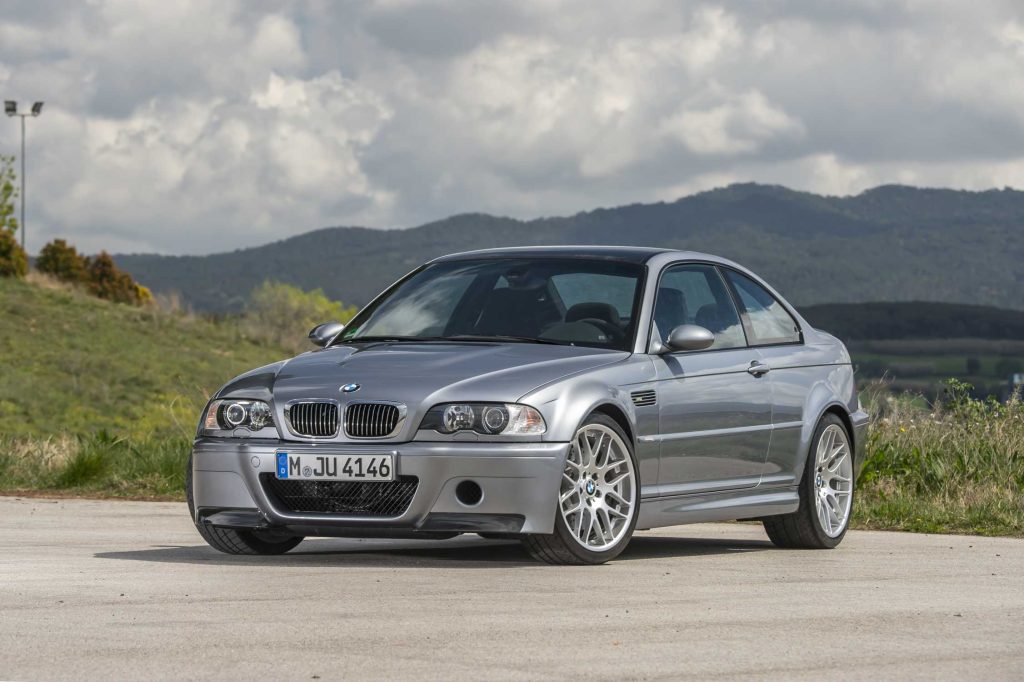
BMW M3 CSL E46 (2003)
The 2003 BMW M3 CSL E46 is a 1,383-car lightweight edition that pairs a more powerful naturally aspirated straight-six with a deliberate reduction in mass. Its identity rests on the complete factory…
Explore the full profile03 / Exploration — Lexus LFA
Lexus completed the LFA’s 500-car production run in December 2012. Toyota’s completion announcement also explains that the Nürburgring Package was produced within the programme, and connects the project’s legacy to carbon-fibre manufacturing knowledge and future vehicle development. [4]
That makes the LFA an opportunity to look at a limited run as a learning programme. The significance of a car can extend into skills, processes and ideas that survive after its own assembly work has finished.
There is an important counting distinction here. A named package within a model’s production is not automatically a separate whole-model total. Keep the broader programme and its individual variants in view when following the LFA through the archive.
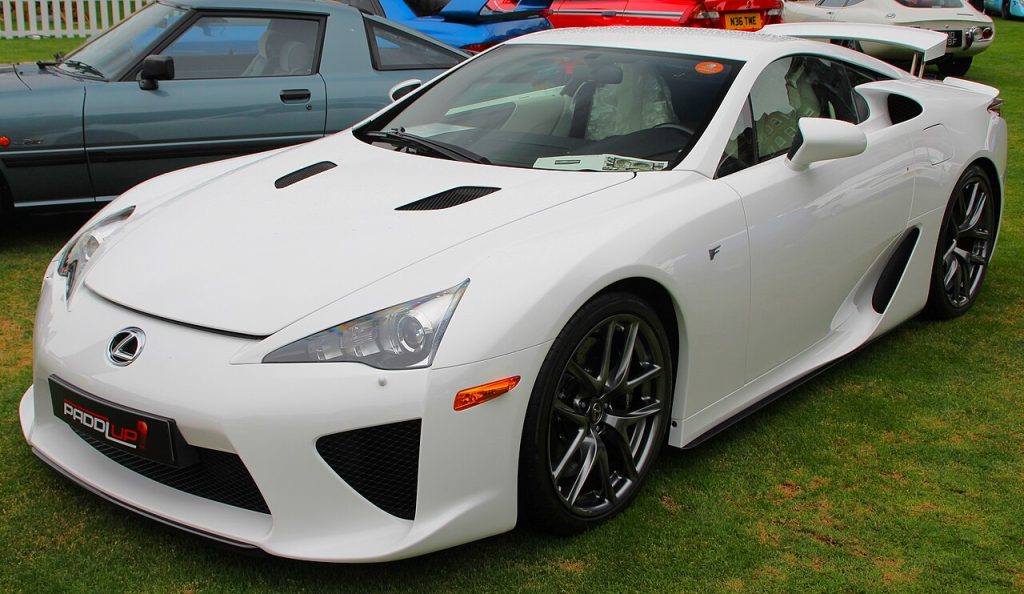
2010 Lexus LFA
The Lexus LFA gives the supercar concept sequence a completed customer-production record. Its verified 500-car manufacturing total is the rarity foundation for this profile, with the Nürburgring Package recorded as a subset…
Explore the full profile04 / Identity — Alfa Romeo 8C Competizione
Alfa Romeo describes the 8C Competizione coupé as a 500-car limited series. In its later account of the model, the manufacturer connects the project to its historic identity and explains how the 2003 concept led to the production design. [5] [6]
The 8C earns its place here through the conversation between an individual car and the wider marque. A small production run can carry an unusually large share of a company’s visual identity. Look at the shape, the naming and the relationship to earlier cars: these are part of the story alongside the engineering.
Read the count precisely. This edition discusses the Competizione coupé; the 8C Spider has its own identity. Combining related names without checking their production scope would obscure the very distinction that makes the archive useful.
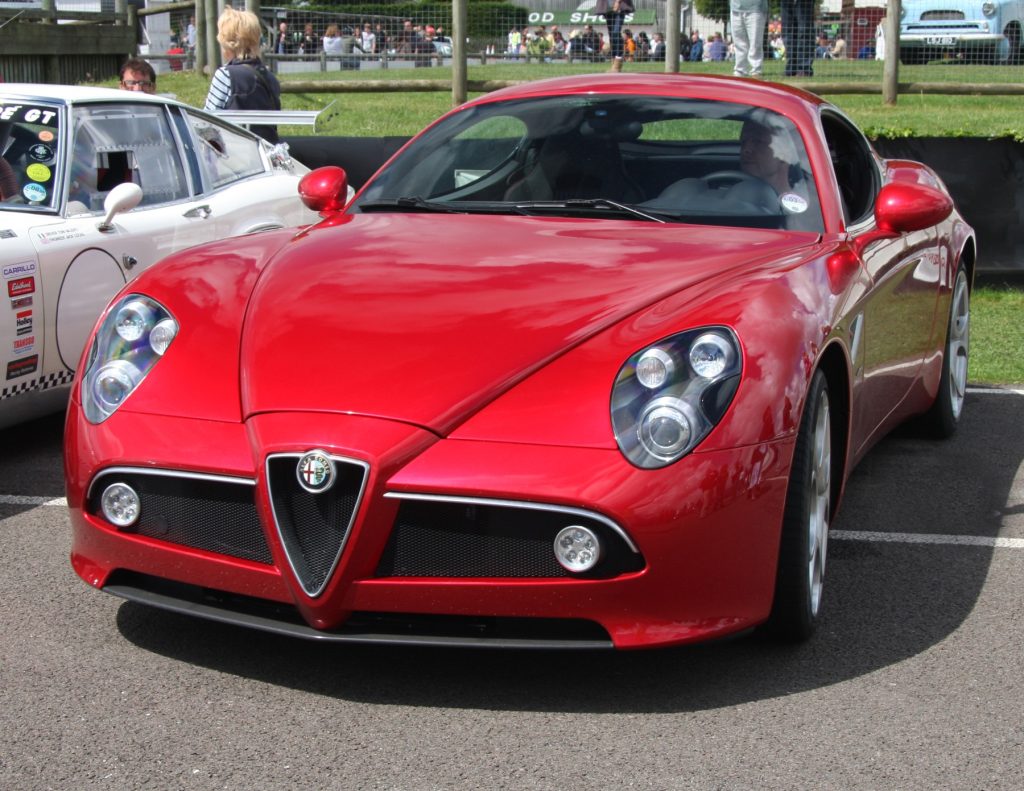
Alfa Romeo 8C Competizione
The 500-car production 8C Competizione coupe, developed from the 2003 concept and delivered with a 4.7-litre V8.
Explore the full profile05 / Craftsmanship — Aston Martin One-77
Aston Martin states that the One-77 was limited to 77 examples. Its heritage account places a 7.3-litre V12 at the centre of a programme combining advanced technology and design. The number belongs to that specific model, rather than to Aston Martin’s wider range. [7]
The One-77 closes this edition because it asks a different question from the familiar-model specials. What happens when a manufacturer gives an individual programme an exceptionally small canvas? The answer is best explored through the finished object: proportions, materials and the way its individual elements belong together.
Seventy-seven is the smallest manufacturer-stated programme limit in this selection. That fact establishes scale. The reasons to keep looking are in the car itself.
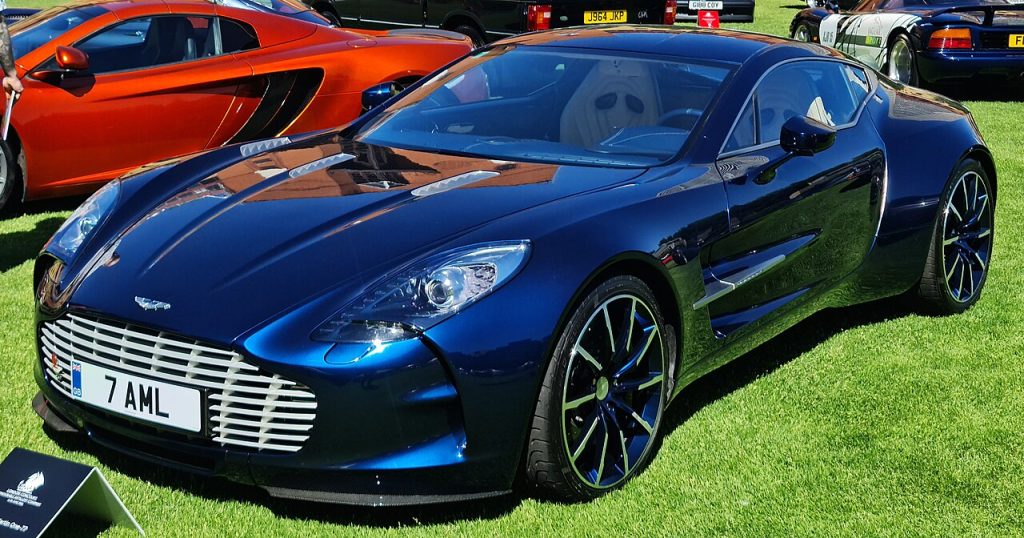
Aston Martin One-77
The One-77 was a purpose-built Aston Martin halo car combining a carbon-fibre monocoque, handcrafted aluminium skin and a 7.3-litre V12. Its staged 2008–2009 appearances preceded the completed seventy-seven-car customer programme. The manufacturer…
Explore the full profileA collection with a point of view
These five cars offer five starting points for a personal collection. You might follow manual transmissions, the use of lightweight materials, the movement of a design idea between generations or the way a manufacturer chooses to celebrate its identity.
Save the profiles that interest you and keep this edition in your reading room. A useful collection need not resemble anyone else’s. It can begin with a detail you want to understand, then grow as you find the next connection.
Manufacturer-stated limits, reported production and documented completed totals are different kinds of evidence. The text attributes figures to the manufacturers. Counts here describe the named vehicle programmes, not surviving cars, colour allocations or current market availability.
Sources & further reading
- Porsche: The new Porsche 911 R — launch specification and announced series, 1 March 2016.
- Porsche: Testing the Porsche 911 R — manufacturer statement that 991 cars had been built, 27 June 2016.
- BMW M: The BMW M3 CSL — production figure and lightweight-construction retrospective.
- Toyota: Lexus Completes LFA 500-unit Production Run — completion, package context and manufacturing legacy, 17 December 2012.
- Alfa Romeo: Casey Stoner track tests the Alfa 8C Competizione — manufacturer description of the 500-car series.
- Alfa Romeo: Storie Alfa Romeo, episode 9 — concept, production design and marque identity, 17 June 2020.
- Aston Martin: One-77 — manufacturer heritage account and stated 77-car limit.