1988 Peugeot Oxia Concept
Explore the Oxia Concept: history, verified identity, specification references, rarity evidence and real credited photos.
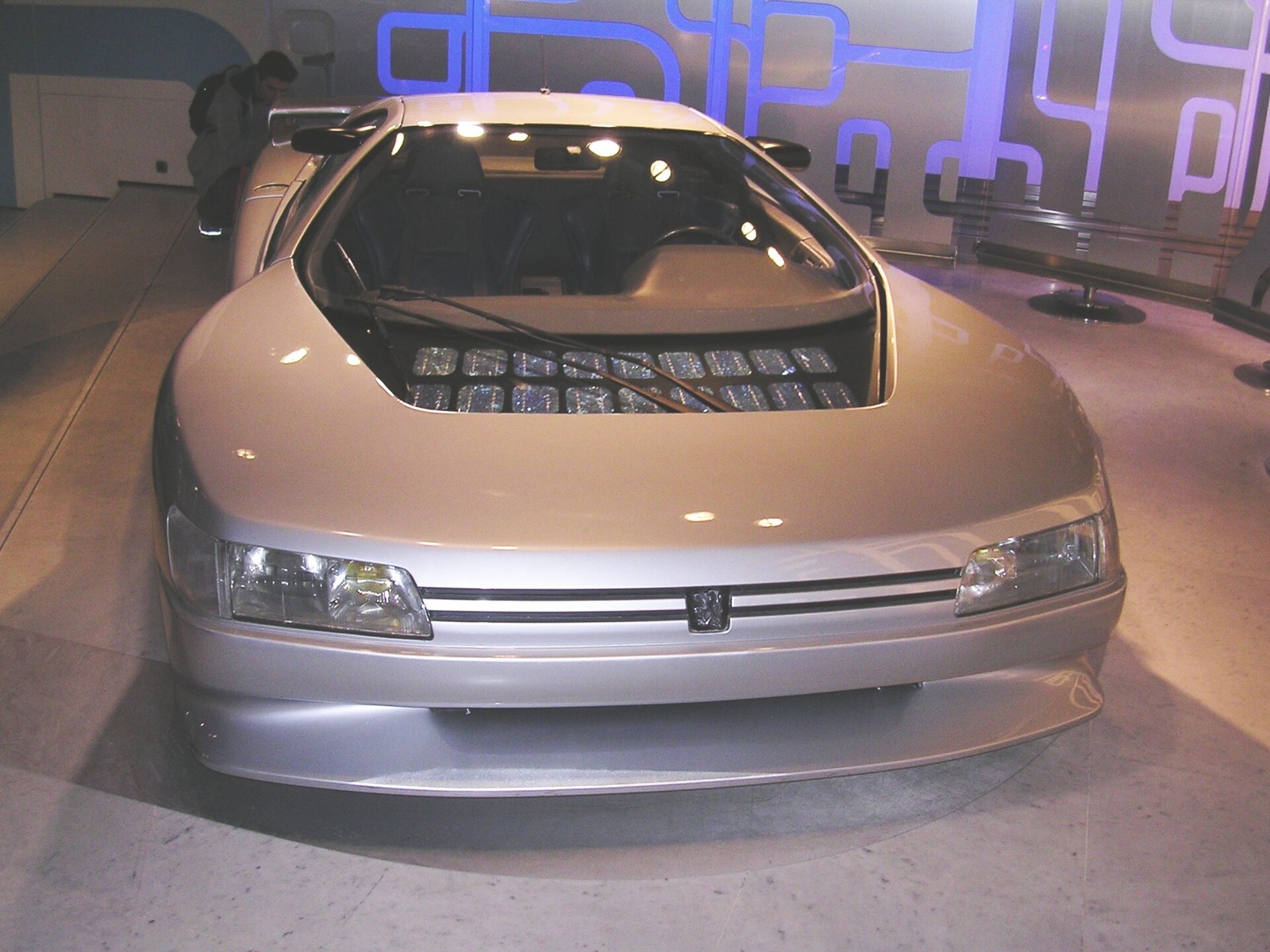
The 1988 Oxia gave Peugeot's concept programme a more resolved grand-touring form while retaining the extraordinary ambition of its eighties predecessors. A twin-turbo V6 and an elaborate technical presentation sat beneath a low, dramatic body. Peugeot's historical accounts connect Oxia with high-speed work at Nardò. This profile records the physical concept and its manufacturer-attributed performance history without turning the exhibit into a retail production model or an authenticated single surviving chassis.
A different answer after Quasar and Proxima
Oxia followed two concepts that had already made experimentation a public part of Peugeot's design identity. Its body presented a more continuous, enclosed sports-car shape, while retaining the scale and stance of a performance demonstrator. Reading it alongside Proxima is useful, but the two remain different projects. A shared V6 theme and similar period styling do not justify merging their technical descriptions, launch dates or physical-build histories.
Peugeot: Oxia technical retrospective
The manufacturer’s V6 description
Peugeot's historical material describes a 2.8-litre twin-turbo V6 and gives a 680 cv reference. This is an attributed concept specification rather than a road-car certification or a current assessment of the exhibit. The distinction matters particularly when a car has spent decades in display use. Its present engine installation, operating condition and any replaced components would require workshop documentation, not simply a repetition of the original publicity figure.
Nardò as a separate evidential claim
The brand's concept overview associates Oxia with a 350 km/h reference at Nardò in 1988. The account supports discussion of Peugeot's high-speed ambition, but this article does not reconstruct an independent timing dossier or claim a present speed capability. A historical test result belongs to its date, configuration and measurement method. It should not be presented as a guarantee for every later appearance or replica of the concept's shape.
Peugeot: Oxia technical retrospective
Electronics and a grand-touring cabin
The manufacturer retrospective also identifies digital instrumentation, solar cells and navigation-related ideas. These show how performance and electronic convenience were being considered together, rather than treating the car as an engine wrapped in a body. Contemporary design analysis can discuss that relationship without implying that the systems meet modern connectivity or assistance standards. The visible cabin is part of a historical technology proposition whose operating detail needs its own period documentation.
Peugeot: Oxia within concept history and Nardò reference
What a physical Oxia record should establish
An archive record should connect the concept's original announcement with exhibition photographs, manufacturer custody and later condition records. Published counts of mock-ups, running cars and retained exhibits may describe different objects, so the inventory's simple single-car entry is not accepted as a complete construction audit. No customer road-production total is assigned. A photograph illustrates the identified programme while leaving unseen mechanical condition and the provenance of a particular object for separate verification.
Specifications and identity reference
| Reference year | 1988 |
|---|---|
| Vehicle status | Physical factory concept |
| Manufacturer engine reference | 2.8-litre twin-turbo V6 |
| Published output reference | 680 cv; manufacturer attribution |
| Historical speed reference | 350 km/h, Nardò account; not independently audited here |
| Cabin themes | Digital instrumentation and navigation ideas |
| Customer series | Not assigned |
| Physical-build total | Not reconciled |
Rarity and production scope
Verified physical Oxia concept with attributed manufacturer technical and high-speed references. No retail allocation, present operating guarantee or exclusive completed-build census is assigned.
This is an Archive record. Concepts, restored heritage vehicles, works cars and competition programmes are not added to customer road-production totals. A programme profile does not establish how many physical chassis were made, and repeated exhibition appearances do not create additional vehicles.
What the photograph represents
Physical Peugeot Oxia concept photographed at a display. The image does not establish the historical Nardò test configuration, present capability or a completed concept-build census.
Related Peugeot heritage profiles
Frequently asked questions
Was Oxia a production Peugeot model?
No. This profile follows the separately documented factory concept.
Does the 350 km/h reference describe its present condition?
No. It is a historical manufacturer account with its own date and configuration.
What is the production-count boundary for this profile?
Verified physical Oxia concept with attributed manufacturer technical and high-speed references. No retail allocation, present operating guarantee or exclusive completed-build census is assigned.
Sources and further reading
Research checked 16 October 2026. Linked factory, heritage and specialist-register records support the specifically attributed claims. Photographic descriptions identify the illustrated subject. Design analysis and suggested authentication steps are editorial interpretation.
Built in limited numbers
Verified physical Oxia concept with attributed manufacturer technical and high-speed references. No retail allocation, present operating guarantee or exclusive completed-build census is assigned.
Gallery
Specifications
Factory specifications may vary by model year, market and configuration.
Identity & production
- Official model
- Peugeot Oxia Concept
Sources and verification
Source citations are being prepared for this profile.