2000 Lotus 340R
Explore the 2000 Lotus 340R: programme history, design, verified rarity scope, specifications and credited photography.
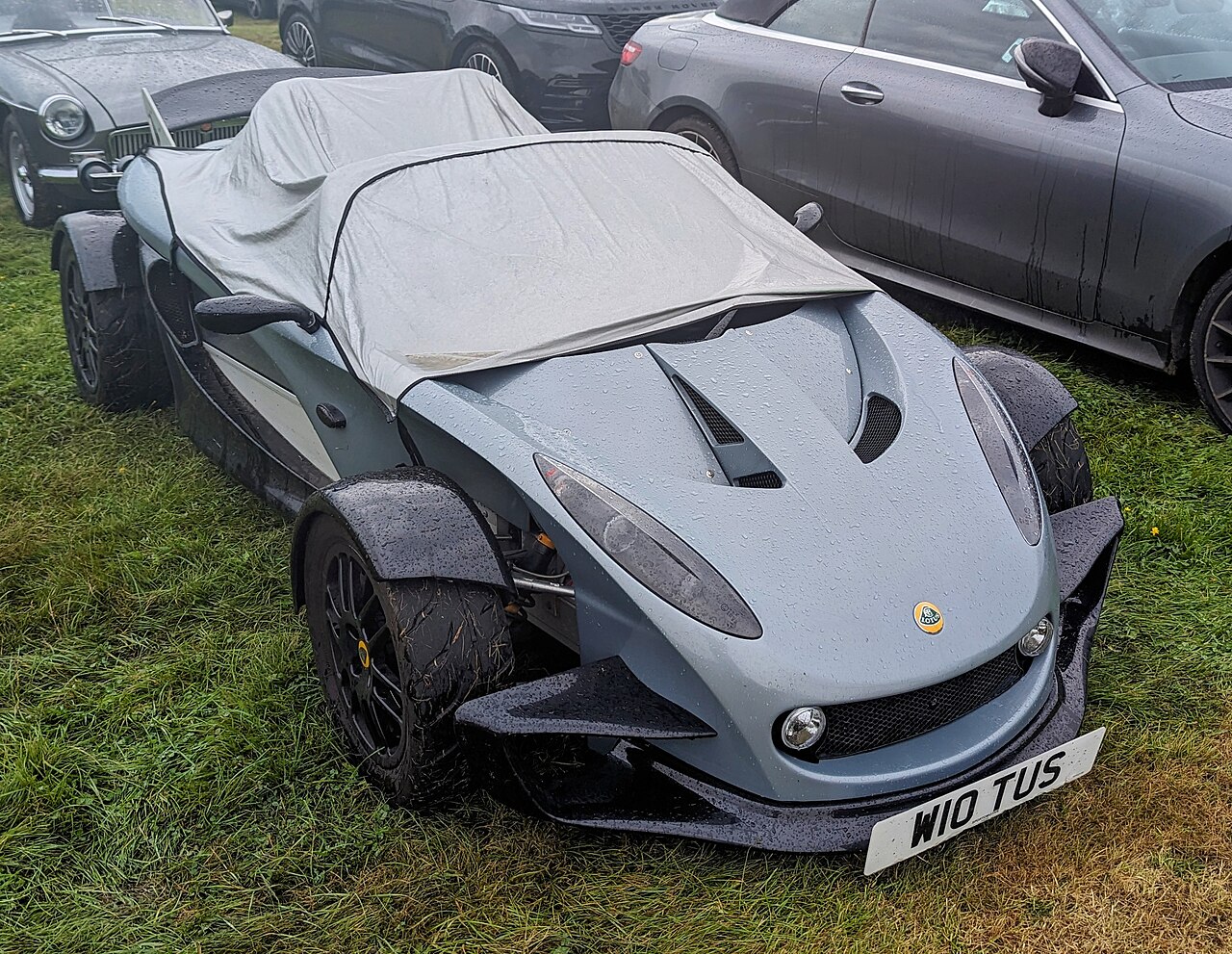
The Lotus 340R makes its lightweight theme visible through an exceptionally open body. The manufacturer identifies a 340-car programme, distinct from ordinary Elise production and from the later 2-Eleven track-car family.
History and verified programme identity
Lotus’s heritage account describes a 1998 Birmingham concept appearance and the subsequent production programme. The inventory’s 2000 reference remains the profile year while the earlier concept chronology is stated separately. The maker gives 340 as the named production reference. That figure is retained as a manufacturer programme statement rather than an independent completed-car audit or survivor count. The source-titled 2000 photograph provides an exact physical example. It is not used to count every concept appearance as another production car or to transform an ordinary modified Elise into an original 340R.
Engineering and design
The manufacturer describes an Elise-derived bonded aluminium structure with a minimal body and no conventional roof or doors. In the supplied image, the small amount of covering around the wheels and passenger compartment makes that design direction clear. A protective cover over the cockpit belongs to the photographed setting; it is not a factory roof. The exposed form invites visual comparison with later open track cars, but engine and suspension originality still require an individual file. A documented specification should separate original 340R structure, replaced body pieces and later preparation. That keeps the radical exterior tied to the correct physical programme rather than to a generic lightweight-car label.
The physical car in the supplied photograph
Calreyn88’s photograph shows a grey, source-titled 2000 Lotus 340R parked outdoors in September 2023. Its unusual exposed-wheel form and minimal surrounding body are visible, with a protective cover over the passenger area. The cover is described as part of the scene rather than treated as an original fixed roof.
A closer look at the design
The photograph makes the 340R’s design unusually easy to read. Instead of a continuous body enclosing the wheels and cabin, separate visible forms suggest how little outer covering the programme retained. The grey finish and protective cockpit cover belong to this example and occasion. Neither is used to infer a special allocation. The manufacturer’s account supplies the model’s original purpose and programme reference, while the image supplies a later physical appearance. Connecting those sources through an individual chassis file would establish the car’s own history. Until then, the profile explains the recognizable design and qualified rarity context without converting a display photograph into a structural condition report or inventing a current survivor total.
Collecting and chassis evidence
A collecting record should connect the chassis with original 340R documentation before adding repairs, suspension work and replacement body components. The manufacturer’s 340 reference provides the named-programme context but says nothing by itself about how many cars survive with original equipment. The earlier concept appearance is a development milestone, not an automatic additional production allocation. Since the body is so visually distinctive, photography is useful for recognition, yet it still cannot certify structure or mechanical continuity. Original delivery records and a dated maintenance history provide those missing layers while preserving the supplied image as a later real-car illustration.
Related Lotus designs and meaningful comparisons
The 2-Eleven develops a later open lightweight programme, while its GT4 branch adds a distinct competition configuration. Linking them to the 340R creates a meaningful design comparison without implying shared production totals or universal road registration across all three scopes.
Reading the sources
The programme sources and the photograph answer different questions. Manufacturer and custodial records establish the original model, Type, category and published production scope. The creator’s file establishes the pictured subject, setting and image permission. An individual chassis history can then add ownership, competition entries and dated repairs without changing the scope of the original programme. Build references are not survivor counts, and a later specification does not automatically become an additional newly manufactured vehicle. Where primary evidence does not establish a complete fabrication census, that field remains unassigned.
Specifications and rarity evidence
| Programme reference year | 2000 |
|---|---|
| Model / Type | 340R — 340R / Type 111-derived |
| Body / competition role | Minimal-body Elise-derived road-going sports car |
| Inventory profile year | 2000 |
| Concept appearance | Birmingham, 1998 |
| Manufacturer programme reference | 340 cars |
| Structure reference | Elise-derived bonded aluminium |
| Body principle | Minimal covering; no conventional roof or doors |
| Published build / register reference | 340 |
| Independently audited completed tally | Not assigned |
| Count scope | Published reference: 340. Named programme or stated register scope retained separately from audited completed output and current survivor counts. |
| Original inventory status | LOT-123 — Verified |
Frequently asked questions
Does the cockpit cover in the photograph make this a roofed 340R?
No. It is a protective cover in the photographed setting. The manufacturer describes the 340R’s minimal, conventionally roofless and doorless body.
How is 340R classified?
This is a named original Lotus road-car programme. Its qualified source references fall below the 7,500 screening threshold. Completed production, announced allocations and survivor counts remain distinct, with any unresolved differences explained in the article.
Which technical details are established for the programme?
The primary record supports inventory profile year: 2000; concept appearance: Birmingham, 1998; manufacturer programme reference: 340 cars. These are programme or explicitly attributed photo references. A particular surviving car’s engine, chassis repairs and competition preparation require its own dated documentation.
Does the photographed appearance establish factory originality?
The caption records a real creator-identified 340R subject and its documented setting. It establishes the illustration’s scope, while original components, restoration work and individual race provenance require chassis-specific evidence. A competition number, current paint or museum display is not used as an originality certificate.
What rarity or archive scope is verified?
Published reference: 340. Named programme or stated register scope retained separately from audited completed output and current survivor counts.
Who photographed the supplied image?
Calreyn88 via Wikimedia Commons, under CC BY-SA 4.0. The original file and licence are linked with the image. Retain the creator, source and licence when uploading, exporting or reusing it; local retouching and synthetic enlargement have not been performed.
Related Lotus profiles
Sources and photo credits
Photograph: Calreyn88 via Wikimedia Commons original source, CC BY-SA 4.0. Source-provided thumbnail supplied without local cropping, retouching or synthetic enlargement.
Built in limited numbers
Published reference: 340. Named programme or stated register scope retained separately from audited completed output and current survivor counts.
Gallery
Specifications
Factory specifications may vary by model year, market and configuration.
Identity & production
- Official model
- 340R