2024 Lotus Theory 1
Explore the 2024 Lotus Theory 1: programme history, design, verified rarity scope, specifications and credited photography.
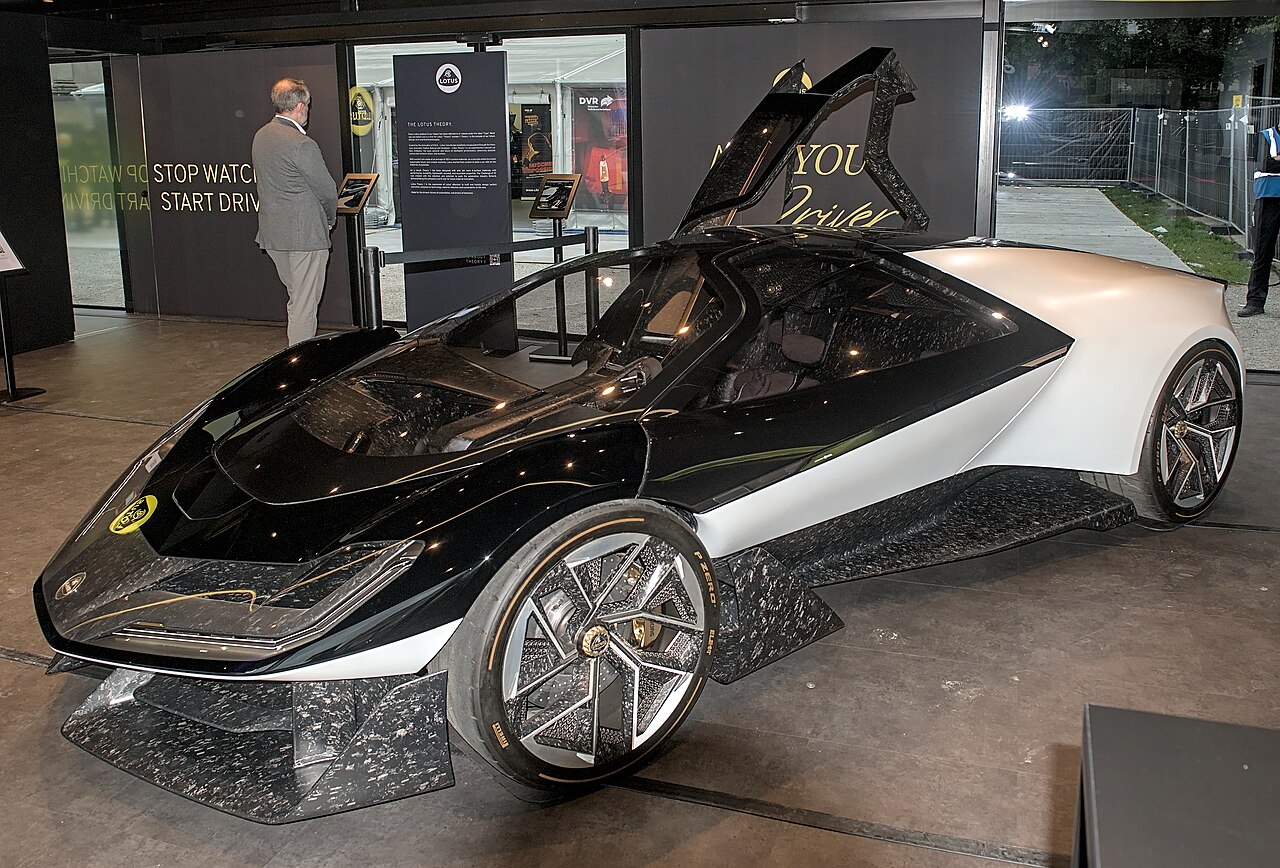
Lotus Theory 1 is an experimental physical concept exploring a different relationship between driver, materials and technology. It belongs in the concept archive rather than a numbered production-car register.
History and verified programme identity
Theory 1 was unveiled in September 2024 as a design and technology exploration. Its role is to communicate a direction for Lotus, not to certify a customer production run. The supplied real photograph shows a later IAA exhibition appearance in 2025. That proves a physical displayed subject without moving the original programme introduction to the event year. The inventory’s single-car wording is not turned into an audited fabrication census. A concept can contain prototypes, display components or evolving configurations, so completed vehicle count and full operating capability need their own evidence. The record leaves those unresolved fields unassigned.
Engineering and design
Lotus describes a three-principle design approach and a cabin with a central driving position and three seats. The concept explores responsive materials and interfaces alongside its performance-engineering ideas. These are proposed or described concept technologies, rather than features automatically certified as operating in the exhibited car. Its white and dark body sections and sculpted glazing provide the visible design context. A real photo can illustrate their form but cannot test electronic systems or establish autonomous operation. The manufacturer’s design narrative and the creator’s exhibition photograph therefore support different parts of the archive. Model-specific factory parts documentation is useful when an original component has been superseded. Record the replacement and its date rather than assuming every current part was fitted when the programme began. This keeps an archive comparison tied to original identity while allowing a surviving or exhibited car to have its own maintenance and configuration history.
The physical car in the supplied photograph
Alexander-93 photographed the physical Theory 1 exhibit at IAA in September 2025. The white and dark concept body and transparent cabin are visible; the photo is a real exhibit image rather than a generated substitute.
Identifying the original configuration
A useful Theory 1 history should preserve the original presentation and later changes as dated concept stages. If additional operating evidence becomes available, connect it to the relevant configuration rather than retroactively certifying every exhibit feature. Exhibition photography can document shape and visible interfaces while engineering reports establish what functions were demonstrated. Keep future production intentions separate from the physical concept record. The 2025 image adds a later appearance to the 2024 programme, not a second manufactured edition. This also prevents concepts sharing design language with road cars from being merged into a customer production count or receiving unsupported road-registration claims.
Collecting and chassis evidence
A useful Theory 1 history starts with the original model identity and dated factory specification. Record the chassis number, delivery market, original engine and transmission, and any numbered edition plate separately. Preserve changes in a chronological record: replaced panels, altered suspension, remapped engines and revised aerodynamic parts can affect the present configuration without creating a second original factory vehicle. Early invoices and photographs help distinguish an original edition from a later cosmetic recreation. A specialist inspection should connect those records to the car, especially its structure, mounting points and model-specific parts. A low programme volume makes careful documentation more useful; it does not establish the condition or completeness of an individual example.
Related Lotus designs and meaningful comparisons
Evija illustrates a separately announced electric hypercar programme. Type 66 demonstrates a different use of Lotus history, translating an old drawing-board project into a modern physical track car.
Reading the sources
The programme sources and the photograph answer different questions. Manufacturer and custodial records establish the original model, Type, category and published production scope. The creator’s file establishes the pictured subject, setting and image permission. An individual chassis history can then add ownership, competition entries and dated repairs without changing the scope of the original programme. Build references are not survivor counts, and a later specification does not automatically become an additional newly manufactured vehicle. Where primary evidence does not establish a complete fabrication census, that field remains unassigned.
Specifications and rarity evidence
| Programme reference year | 2024 |
|---|---|
| Model / Type | Theory 1 — Theory 1 / experimental concept |
| Body / competition role | Physical design concept |
| Original unveiling | September 2024 |
| Role | Experimental physical concept |
| Cabin proposal | Three seats; central driving position |
| Photo context | IAA exhibition, September 2025 |
| Completed fabrication tally | Not assigned |
| Published build / register reference | No complete tally assigned |
| Independently audited completed tally | Not assigned |
| Count scope | Physical experimental Lotus concept unveiled September 2024. Exact later exhibition photograph verified. Complete fabrication count unassigned; proposed technologies, operating capability and production plans remain separate. |
| Original inventory status | LOT-193 — Verified |
Frequently asked questions
Does a real Theory 1 photograph prove every proposed technology works?
No. It documents the physical exhibit. Each claimed operating system needs evidence for the specific demonstrated configuration.
How is Theory 1 classified?
This is a physical Lotus concept programme, separate from road production. Proposed equipment and production plans are distinguished from documented physical exhibits and verified operating hardware.
Which technical details are established for the programme?
The primary record supports original unveiling: September 2024; role: Experimental physical concept; cabin proposal: Three seats; central driving position. These are programme or explicitly attributed photo references. A particular surviving car’s engine, chassis repairs and competition preparation require its own dated documentation.
Does the photographed appearance establish factory originality?
The caption records a real creator-identified Theory 1 subject and its documented setting. It establishes the illustration’s scope, while original components, restoration work and individual race provenance require chassis-specific evidence. A competition number, current paint or museum display is not used as an originality certificate.
What rarity or archive scope is verified?
Physical experimental Lotus concept unveiled September 2024. Exact later exhibition photograph verified. Complete fabrication count unassigned; proposed technologies, operating capability and production plans remain separate.
Who photographed the supplied image?
Alexander-93 via Wikimedia Commons, under CC BY-SA 4.0. The original file and licence are linked with the image. Retain the creator, source and licence when uploading, exporting or reusing it; local retouching and synthetic enlargement have not been performed.
Related Lotus profiles
Sources and photo credits
- Lotus Theory 1 design programme
- Lotus manufacturer programme evidence
- Lotus heritage and production context
Photograph: Alexander-93 via Wikimedia Commons original source, CC BY-SA 4.0. Source-provided thumbnail supplied without local cropping, retouching or synthetic enlargement.
Built in limited numbers
Physical experimental Lotus concept unveiled September 2024. Exact later exhibition photograph verified. Complete fabrication count unassigned; proposed technologies, operating capability and production plans remain separate.
Gallery
Specifications
Factory specifications may vary by model year, market and configuration.
Identity & production
- Official model
- Theory 1