BMW Individual 760Li Sterling — ROBBE & BERKING (2013)
Discover BMW Individual 760Li Sterling history, specifications and rarity, with sourced details, FAQs and authentic photographs with visible credits.
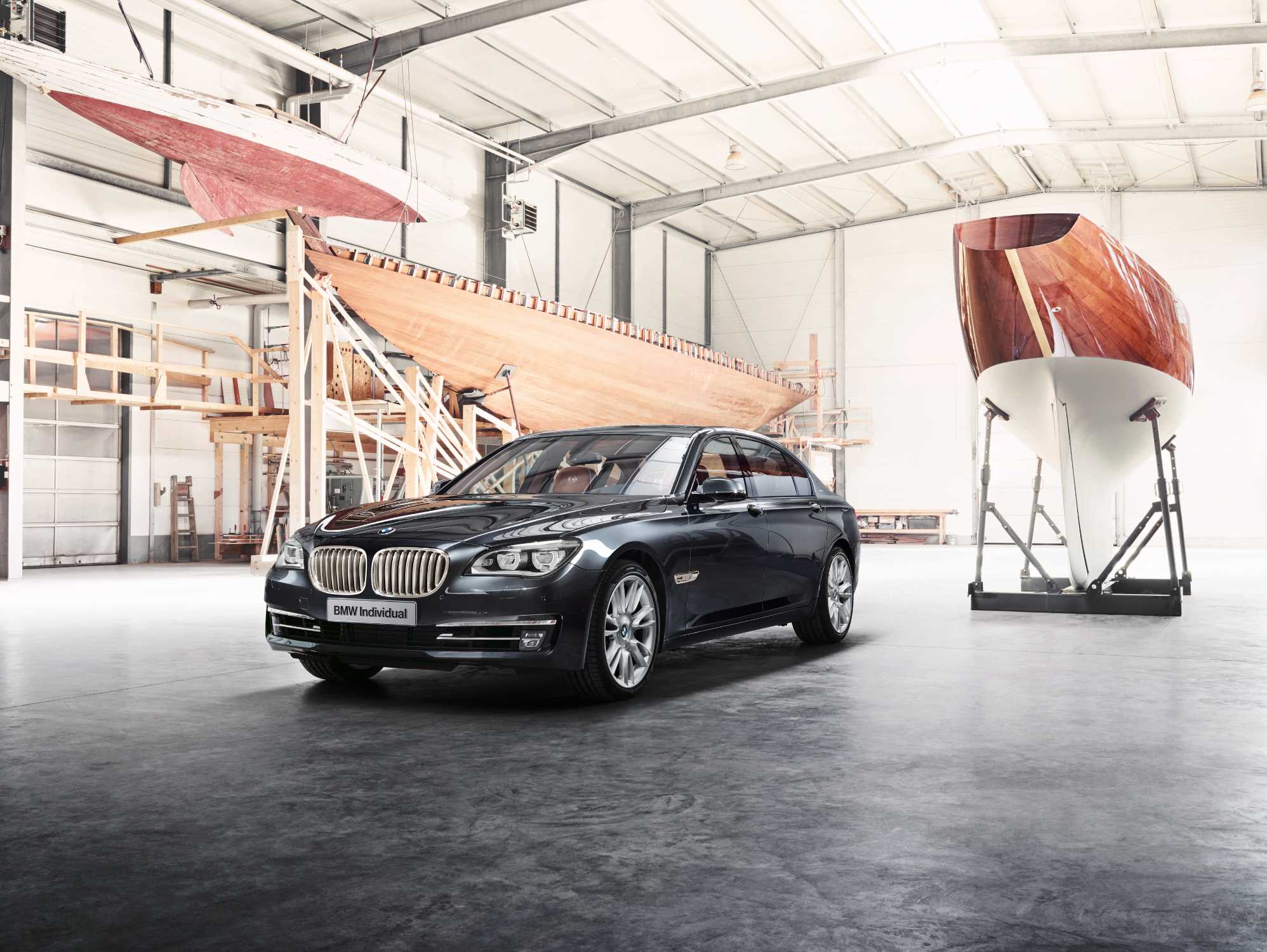
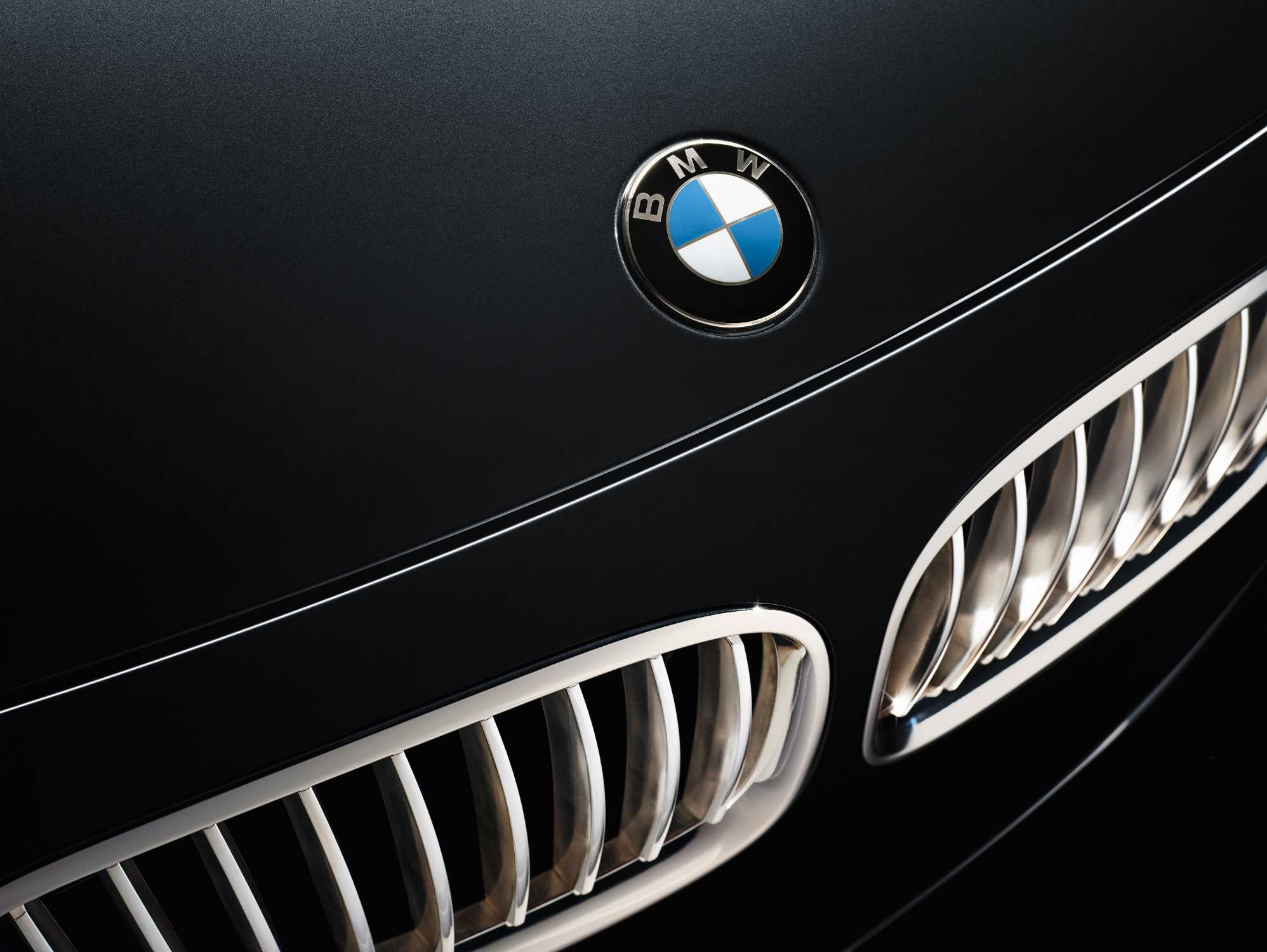
The 2013 BMW Individual 760Li Sterling inspired by ROBBE & BERKING is a one-off collaboration that makes silver craftsmanship central to a factory luxury-car commission. Its F02 long-wheelbase identity provides the setting; the special material work defines the individual project.
Record: BMW-082 · Factory Individual collaboration one-off · Germany · 2013.
Specifications and rarity
| Item | Documented reference and scope |
|---|---|
| Count scope | One original BMW Individual 760Li Sterling collaboration |
| Introduction | October 2013 |
| Base identity | Long-wheelbase F02 BMW 760Li; V12 architecture |
| Partners | BMW Individual Manufaktur and ROBBE & BERKING |
| Paint | Singapore Grey |
| Exterior metals | Silver-plated trim; solid 925 sterling-silver BMW emblems |
| Interior metals | Hammered solid 925 sterling-silver trim |
| Technical boundary | No bespoke power increase or price estimate claimed |
A V12 luxury car shaped by the silversmith’s craft
The count is one original collaboration car. Ordinary 760Li production, other BMW Individual commissions and separately available trim choices are outside that scope. This is not a claim that every long-wheelbase V12 7 Series is a rare one-off.
The factory’s detailed project account is especially useful because the car’s significance is not a new performance rating. It explains how a specialist craft tradition was integrated into an automobile, giving the commission a clear material and design identity.
Silver plating and solid sterling components are different
BMW distinguishes silver-plated exterior elements from solid 925 sterling-silver components. Plating coats a surface; a solid component has a different material construction. Treating every bright exterior part as solid silver would misrepresent the project.
The BMW emblems use solid sterling silver with blue-and-white enamel treatment, while selected grille, trim and rear details receive silver plating. These distinctions matter more than simply calling the entire car silver-trimmed.
The 925 designation identifies an alloy with 925 parts silver per thousand. It describes material composition; it does not describe a production count, an individual chassis number or the total mass of silver installed in the vehicle.
Sterling denotes a defined silver alloy rather than a paint finish. The project title therefore refers to actual material work, not merely a grey exterior color or a marketing name applied to an ordinary trim package.
Hammered cabin surfaces reveal hand work
The interior account describes hammered solid sterling-silver trim, using the martelé technique. The small facets change the way light moves across the surface and make the craft process visible in the final cabin.
A hammered surface differs from an evenly polished one because its local angles vary. This is a useful visual explanation of the effect without requiring an invented claim about measurable luxury or monetary value.
BMW’s project photographs and material descriptions place that work within the physical vehicle. The exterior detail image also helps readers distinguish the silver embellishment from ordinary chrome styling, while the complete-car view establishes the discreet overall presentation.
Singapore Grey supports a restrained exterior
The factory identifies Singapore Grey paint as a contrasting setting for the silver work. The body remains recognizable as an F02 760Li, with the bespoke elements becoming more apparent on closer inspection.
That restraint is part of the design brief. The car does not need an altered silhouette to establish a separate commission identity; selected materials and specialist execution carry the difference.
The supplied photographs show the full original car and an exterior detail. Their October 2013 archive captions preserve the project context, with credits and source links outside the image. A later generic 760Li photograph would not provide the same evidence.
The long-wheelbase V12 base does not imply a bespoke power increase
The 760Li identity and factory account establish the V12 luxury-car foundation. This profile does not turn the silver collaboration into an engine-tuning programme or assign a unique higher output without evidence.
The distinction keeps mechanical context separate from commission-specific facts. A reader can understand the base car’s role while seeing that the project’s special contribution lies in materials, surface treatment and craftsmanship.
Likewise, the source’s historical description of exclusivity is not used to produce a current valuation. Establishing a market value would require contemporary transaction evidence. The verified one-off identity is already clear without an unsupported price estimate.
A material-led original within BMW Individual history
The project illustrates how BMW Individual can work with another specialist manufacturer to realize a unique brief. It belongs beside the Karl Lagerfeld L7 as a separate commission, sharing a bespoke approach while using another generation, partner and design idea.
The two Zagato projects provide another useful comparison. Their collaboration is expressed mainly through coachbuilt body form; the Sterling car retains a familiar sedan body while concentrating on fine material execution. One-off status can therefore arise through different kinds of factory work.
The profile preserves the original commission under one inventory identity. Repeated exhibition appearances, photographs and detailed views remain evidence of that same car rather than new production entries. This keeps the collection’s no-duplicates policy aligned with the actual physical project.
Frequently asked questions
How many 760Li Sterling cars are counted?
One original BMW Individual collaboration with ROBBE & BERKING.
Which base vehicle was used?
The F02 long-wheelbase BMW 760Li, with a V12 foundation.
Is every silver-looking component solid sterling?
No. The factory distinguishes silver-plated exterior elements from solid 925 sterling-silver components.
What paint was used?
Singapore Grey.
What is distinctive about the cabin trim?
The factory describes hammered solid sterling silver, using the martelé technique.
Did the collaboration establish a higher engine output?
No bespoke power increase is claimed in this profile; the documented distinction is material and craft work.
Explore related verified BMW profiles
- BMW L7 Individual — Karl Lagerfeld, 2000
- BMW Zagato Coupé One-Off (2012)
- BMW Zagato Roadster One-Off (2012)
Sources and photo credits
- BMW: 760Li Sterling collaboration introduction
- BMW: detailed 760Li Sterling material and craft account
Photo: BMW AG / BMW Group PressClub · Press/editorial use only. BMW-supplied press photograph under BMW PressClub terms. Original supplied photograph retained without local cropping or content alteration.
Photo: BMW AG / BMW Group PressClub · Press/editorial use only. BMW-supplied press photograph under BMW PressClub terms. Original supplied photograph retained without local cropping or content alteration.
Why this machine matters
The profile preserves the original commission under one inventory identity. Repeated exhibition appearances, photographs and detailed views remain evidence of that same car rather than new production entries. This keeps the collection’s no-duplicates policy aligned with the actual physical project.
Built in limited numbers
One original BMW Individual 760Li Sterling collaboration
Gallery
Specifications
Factory specifications may vary by model year, market and configuration.
Identity & production
- Official model
- BMW Individual 760Li Sterling — ROBBE & BERKING (2013)
- Base model
- 7 Series Individual
- Worldwide production
- 1