BMW Zagato Roadster One-Off (2012)
Discover BMW Zagato Roadster One-Off (2012) history, specifications and rarity, with sourced details, FAQs and authentic photographs with visible credits.
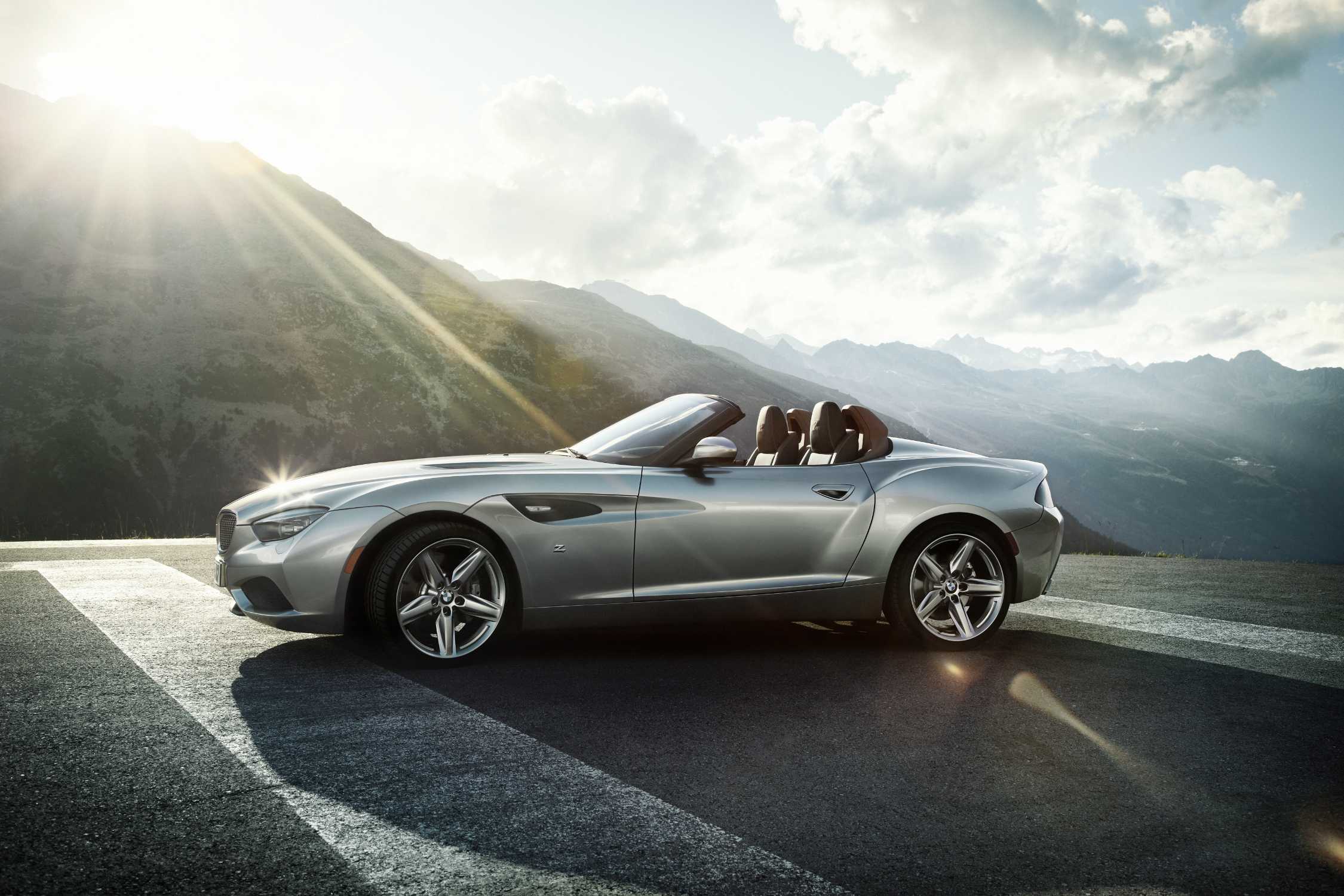
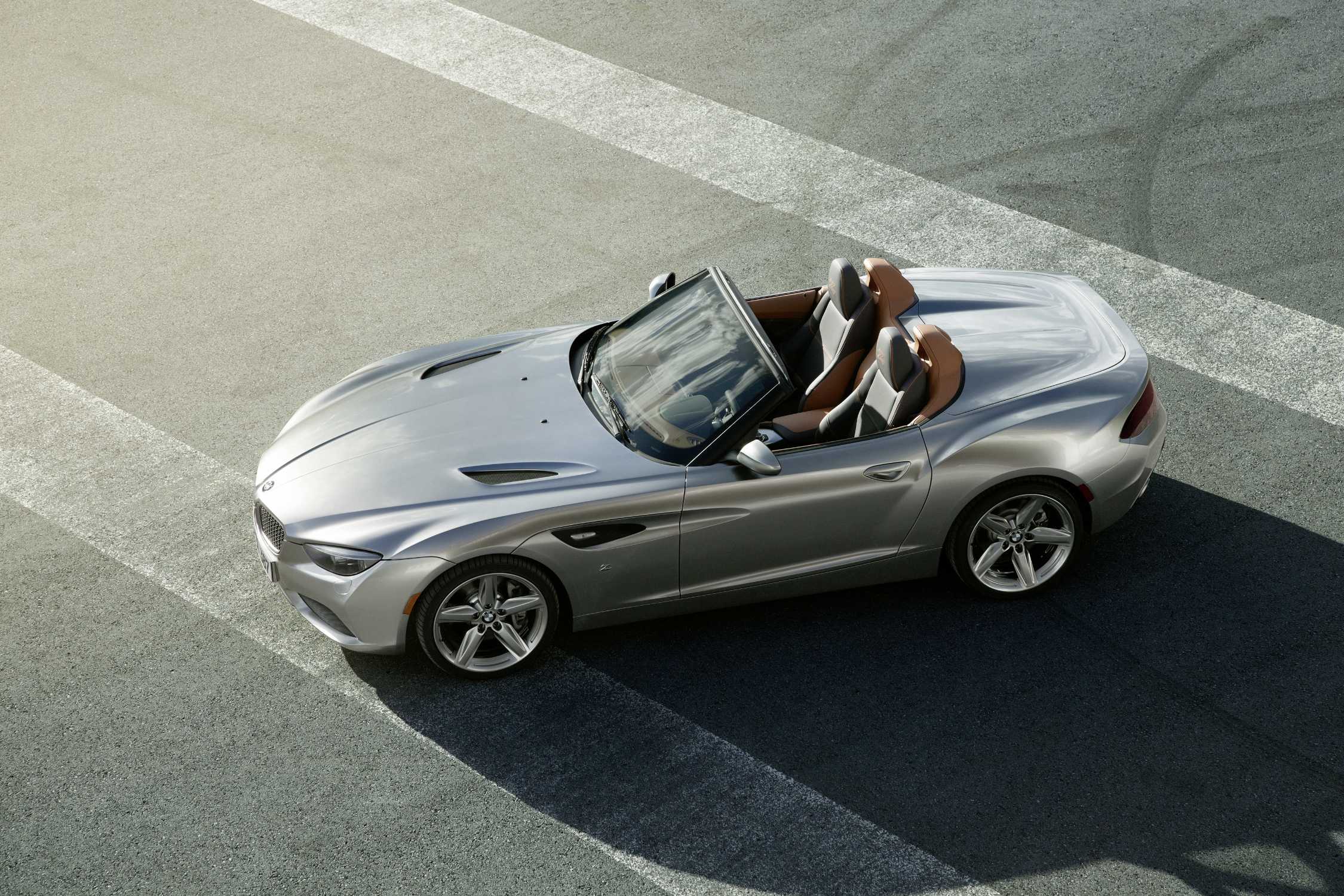
The 2012 BMW Zagato Roadster followed the Coupé collaboration with a separate one-off presented at Pebble Beach. It translates the partnership into an open car while retaining a family resemblance in the front treatment and sculpted surfaces.
Record: BMW-081 · Coachbuilt factory collaboration one-off · Italy · 2012.
Specifications and rarity
| Item | Documented reference and scope |
|---|---|
| Count scope | One original Zagato Roadster; separate from the Coupé |
| Debut | 2012 Pebble Beach Concours d’Elegance |
| Partners | BMW and Zagato |
| Development reference | Six weeks from design idea to completed model, factory account |
| Factory operational brief | Ready to drive; not treated as a static-only study |
| Exterior finish | Grey-to-silver appearance in the factory design account |
| Defining elements | Open cabin, aircraft-inspired roll bars and double-bubble rear-cover treatment |
| Technical boundary | Final engine output and measured performance not established here |
An open companion with a body identity of its own
BMW’s release describes a six-week progression from design idea to completed model. That is the project’s stated development reference, not evidence of how quickly an ordinary production roadster could be built or delivered.
This record counts one original Roadster. It does not add the Coupé to that number, nor treat the shared collaboration name as proof that the two body styles are interchangeable. Each original car has a distinct place in the inventory.
An open body requires more than removing a roof
The Roadster’s rear treatment and cabin relationship differ from those of the Coupé. Removing the visual roof volume changes how the front, passenger space and rear body relate to one another.
The factory account explicitly treats the Roadster as a new interpretation rather than a simple roof-cut conversion. That is reflected in the softer rear emphasis and the design of the open-cabin components.
Comparing the two complete-car views is therefore more useful than comparing only their grilles. The shared nose establishes the partnership’s family resemblance, while the rest of the body shows how a different brief produces a separately developed original.
Roll bars and the double-bubble reference reshape the rear
The roll bars draw on an aircraft-wing reference in BMW’s design explanation. They are prominent visual components in an open car, where the space above and behind the seats remains part of the exterior composition.
The double-bubble theme appears in the rear cover treatment rather than as a fixed coupé roof. This provides a connection to Zagato’s design vocabulary while adapting the idea to the Roadster’s form.
Those details are best understood as part of the whole silhouette. They connect the cabin with the rear surfaces, allowing the open car to preserve a recognizable collaboration identity without copying every feature of its closed companion.
Grey finish and exposed cabin create another presentation
The factory describes a grey finish whose appearance shifts toward silver with light. It gives the Roadster a different visual character from the Coupé’s red body, emphasizing the sculptural surfaces and open passenger area.
An open cabin also makes the seats and surrounding rear forms part of the exterior view. The designer has to resolve that exposed relationship as a whole, giving the Roadster a different visual task from the closed Coupé.
The supplied photographs show the full car and an elevated perspective. The second view makes the relationship between cockpit and rear cover easier to inspect, while the complete exterior establishes the long-bonnet roadster proportions.
The captions distinguish the Roadster from the Coupé and identify the August 2012 factory archive context. This avoids using a related collaboration image as if it documented the same original vehicle.
A driveable one-off with a limited published technical scope
BMW says the Roadster was ready to drive and intended for high-speed use. That provides an operational description, but it is not a measured maximum-speed result or a complete final drivetrain specification.
The profile therefore does not borrow an output figure from a production Z4 solely because of the project’s architectural relationship. Donor-family context and confirmed one-off specification are different levels of evidence.
This approach leaves the design story clear. The body, collaboration, presentation and stated operational brief are documented, while missing technical figures remain unclaimed. The project does not need speculative horsepower to qualify as a verified original.
Why the Roadster belongs beside, rather than inside, the Coupé record
The Roadster extends the BMW–Zagato collaboration into another vehicle form and another event setting. Its significance is the separately completed open car, not merely a new paint choice on the same physical object.
The two profiles can therefore link naturally while retaining separate counts of one. The shared design language explains their relationship; the distinct bodies and project histories explain why they are not duplicates.
Within this collection, the Roadster also contrasts with the M1 Hommage’s anniversary-study role and the 760Li Sterling’s material-led commission. Each one-off records a different kind of factory collaboration, and preserving those purposes gives the rarity information a useful historical framework.
Frequently asked questions
How many Zagato Roadsters are represented?
One original BMW–Zagato collaboration car.
Where was it presented?
At the 2012 Pebble Beach Concours d’Elegance.
How long did the factory say development took?
Six weeks from design idea to completed model.
Was it simply the Coupé with its roof removed?
The factory describes a distinct open-car interpretation with reworked rear and cabin-related design.
Was it driveable?
BMW describes it as ready to drive; this profile does not add unverified performance figures.
Why is it separate from the Coupé profile?
It is another original vehicle with a distinct body and presentation history.
Explore related verified BMW profiles
- BMW Zagato Coupé One-Off (2012)
- BMW M1 Hommage Design Study (2008)
- BMW Individual 760Li Sterling — ROBBE & BERKING (2013)
Sources and photo credits
- BMW USA: original Zagato Roadster factory release
- Zagato atelier: BMW Zagato Roadster design account
Photo: BMW AG / BMW Group PressClub · Press/editorial use only. BMW-supplied press photograph under BMW PressClub terms. Original supplied photograph retained without local cropping or content alteration.
Photo: BMW AG / BMW Group PressClub · Press/editorial use only. BMW-supplied press photograph under BMW PressClub terms. Original supplied photograph retained without local cropping or content alteration.
Why this machine matters
Within this collection, the Roadster also contrasts with the M1 Hommage’s anniversary-study role and the 760Li Sterling’s material-led commission. Each one-off records a different kind of factory collaboration, and preserving those purposes gives the rarity information a useful historical framework.
Built in limited numbers
One original Zagato Roadster; separate from the Coupé
Gallery
Specifications
Factory specifications may vary by model year, market and configuration.
Identity & production
- Official model
- BMW Zagato Roadster One-Off (2012)
- Base model
- Zagato collaborations
- Worldwide production
- 1